
Thailand is studying the introduction of a 30-day visa-free regime for citizens of Belarus, Mexico, Colombia, and Uzbekistan
Read more
Podrobno.uz [uz]
podrobno.uz

Thailand is studying the introduction of a 30-day visa-free regime for citizens of Belarus, Mexico, Colombia, and Uzbekistan

Thailand is considering introducing a 30-day visa-free regime for citizens of Belarus, Mexico, and Colombia, as well as resuming visa-free entry for citizens of Uzbekistan. These initiatives have received support from the country's National Committee on Tourism Policy.

The issue was discussed at a committee meeting chaired by Deputy Prime Minister Supachai Sutthumpakhan. Subsequently, the proposed measures must go through the approval process with relevant government agencies and receive official government endorsement.

The Thai Ministry of Tourism and Sports stated plans to accelerate discussions on visa relaxations in collaboration with the Ministry of Foreign Affairs and the Ministry of Interior. After this stage is completed, the documents will be submitted for consideration by the cabinet.

However, the exact duration of possible visa-free stay for Uzbek citizens has not yet been set. Previously, the Thai side discussed the option of granting an entry permit for up to fifteen days. Until a final decision is made, Uzbek citizens still need to obtain a visa in advance.

Furthermore, Thai authorities plan to expedite the issuance process for e-visas, as the long processing time for applications causes difficulties for both foreign travelers and travel agencies.

Previously, an agreement was reached between Uzbekistan and Thailand to prepare an agreement concerning visa-free travel. During these negotiations, the possibility of Uzbek citizens staying in Thailand without a visa for up to fifteen days was discussed, but this document is still under review by the Thai side.

Similar stories

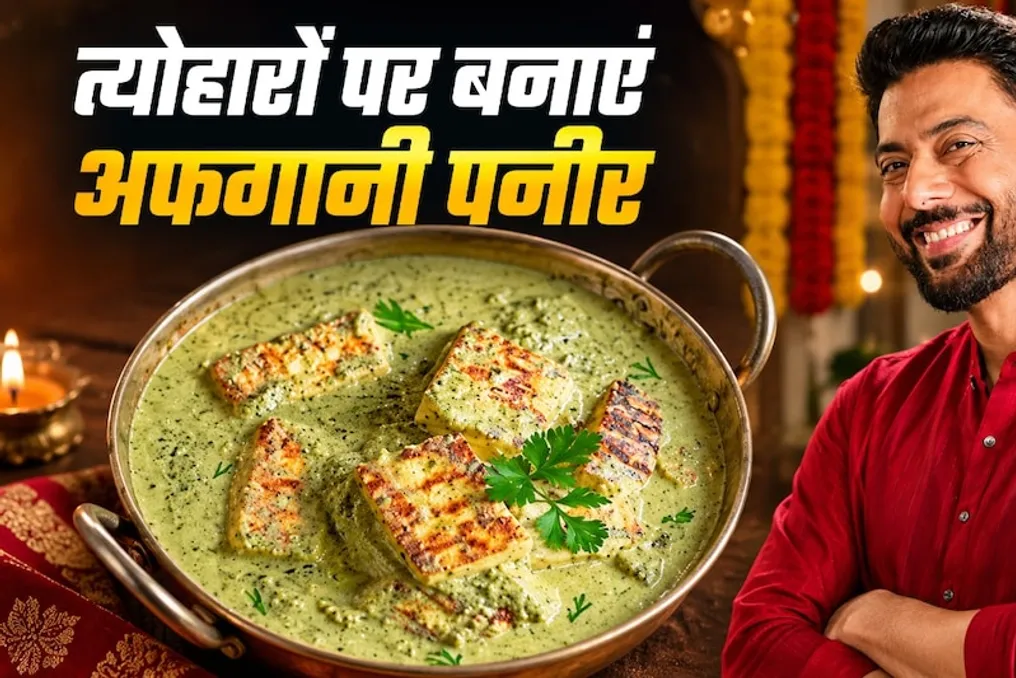
Master Chef Ranavir Barar shares recipe for Afghan paneer cheese for holidays
Read more
www.aajtak.in

Master Chef Ranavir Barar shares recipe for Afghan paneer cheese for holidays

If you are tired of preparing regular matar paneer or kadrai paneer during major holidays such as Diwali and Bhai Dooj, it is worth trying something new and exquisite. Master Chef Ranavir Barar suggests making a delicate, creamy, and very tasty Afghan paneer.

This dish features a special sauce made without tomatoes, using yogurt, cashew nuts, fresh coriander, and whole spices. Pieces of paneer are lightly fried or grilled before being added to the sauce. Afghan paneer pairs perfectly with hot puffs or paratha on a festive day.

The following ingredients are required for preparation: 1 ½ tablespoons of oil, 3-4 green chilies, 1 inch of ginger, 2-4 cloves of garlic, ⅓ cup of coriander leaves, 1 tablespoon of oil, 3 medium white onions, salt to taste, ¼ cup of coriander leaves, 3 tablespoons of whisked yogurt.

For the paste, ½ cup of whisked yogurt, 1 tablespoon of coriander powder, ½ teaspoon of turmeric powder, ½ teaspoon of garam masala, and a pinch of cumin seed powder are needed.

For marinating the paneer, 400 grams of paneer cut into long cubes, 1 tablespoon of oil, ½ teaspoon of black pepper, a pinch of asafoetida, ½ teaspoon of ginger and garlic paste (optional), and ½ tablespoon of finely chopped coriander stems are required.

For the Afghan paneer itself, 1 tablespoon of oil and 1 tablespoon of ghee, 2 cardamoms, and ½ inch of cinnamon stick are needed. A prepared yogurt mixture, ¼ cup of water, 1 teaspoon of oil for frying the paneer, and the prepared sauce, a pinch of crushed dried fennel leaves, sliced paneer, and coriander leaves are also used for garnish.

To prepare the paste, first heat the oil in a pan, then sauté the green chilies, ginger, garlic, and fresh coriander until cooked. Transfer the mixture to a bowl. In the same pan, heat the oil, add the white onion and salt, as well as coriander, frying until translucent. This mixture is also transferred to a bowl. Then, yogurt is added to it and blended in a blender until a smooth paste is obtained, which is set aside for later use.

For the yogurt mixture, mix the prepared paste, yogurt, coriander powder, turmeric powder, garam masala, and a pinch of cumin seed powder in a bowl. Mix the mixture thoroughly and set it aside.

For marinating the paneer, mix the paneer with oil, black pepper, a pinch of asafoetida, ginger and garlic paste (if used), salt, and soft coriander stems. Marinate the mixture well.

To cook the Afghan paneer itself, heat the oil and ghee in a pot or deep dish, add the cardamom and cinnamon, allowing them to sizzle. Then pour in the prepared yogurt mixture and simmer for some time. Add water as needed to achieve the desired sauce consistency. Pour the sauce into a serving dish, sprinkle with dried fennel leaves, arrange the prepared paneer, and garnish with fresh coriander. Serve hot with bread.

Fry the paneer separately: heat oil in a pan, add the marinated paneer, and fry until golden brown. It can be served on top or eaten on its own.

UAE SUV Owners Prepare for Desert Trips Despite Newcomers' Concerns
Read more
www.khaleejtimes.com

UAE SUV Owners Prepare for Desert Trips Despite Newcomers' Concerns

Many residents of the United Arab Emirates own four-wheel-drive vehicles capable of traversing the desert, yet some have never ventured beyond city roads and highways. Despite the desire to experience dune driving, they are held back by fears of getting stuck in the sand, damaging their vehicles, and unfamiliarity with the terrain.

As cooler months encourage people to spend more time outdoors, owners of some SUVs are now hoping to try desert driving for the first time, preferably under the guidance of experienced drivers who can teach the basics.

Abdul Basit, who bought a Toyota Land Cruiser last year, considered exploring the desert one of the reasons for choosing this vehicle, but has not yet tested its off-road capabilities. He noted: 'I bought my SUV because I wanted a car that could carry my whole family and handle various types of roads, including the desert. But since buying it, I have only driven in the city, on highways, and on family trips.'

Basit often watches videos where other drivers take similar cars into the dunes. Although he is very eager to try it himself, he does not want his first experience to end with the car getting stuck in the sand. He added: 'The car is capable, but I lack experience. I don't want to just drive into the desert without knowing what I am doing. I always wanted to try, but I would prefer to go with someone experienced who could guide me on the first trip.'

Amr Mahmoud, a sales manager at an elite watch boutique, acquired a GWM Tank earlier this year, which gave him the opportunity to explore areas outside regular routes. Nevertheless, despite owning an SUV, he has not yet gone into the desert. He shared: 'Every winter I see groups of people heading into the desert in their SUVs, and I have always wanted to join them. Now I have an SUV, but I have never driven off the beaten path.'

His main concern relates to not knowing what to do if problems arise, especially if the vehicle gets stuck in soft sand. Mahmoud explained: 'My biggest worry is getting stuck in the sand because I won't know how to get the car out. I also don't know how to determine which dunes are safe for a beginner.'

Mahmoud plans to try desert driving this winter and hopes to make it a regular weekend activity after mastering the basics.

According to Ahmed Farvez, founder of Dubai Offroaders, having a powerful 4x4 vehicle does not guarantee that a driver is ready for desert trips. He strongly recommends: 'Before heading to the UAE dunes, study the basics of off-roading, tire pressure, vehicle recovery, and desert safety.'

Farvez highlighted three common mistakes made by beginners: driving with incorrect tire pressure, using sudden acceleration or sharp steering, and entering the desert without the support of experienced individuals. He advised drivers to lower their tire pressure appropriately under expert guidance and maintain smooth acceleration and steering to avoid losing control or getting stuck.

Another important aspect is determining whether the vehicle is suitable for crossing dunes. Farvez emphasized: 'Not all 4x4 vehicles are suitable for sand dunes,' explaining that owners must check the four-wheel-drive system, ground clearance, tires, cooling capacity, and manufacturer recommendations. He also recommended ensuring the vehicle has a low-range gearbox, which can be useful in difficult off-road conditions.

He concluded: 'Just having a 4x4 badge does not guarantee the ability to operate in the desert. Check your SUV with an experienced off-road specialist and learn the basics before attempting to conquer the dunes.'

For drivers who wish to test their vehicles in the sand independently, organized desert trips offer an opportunity to explore the area with support, rather than venturing into unknown areas alone.

The eighth edition of KT Desert Drive will take place on November 14th at the Bab Al Shams arena in Dubai. The event will allow participants to drive their own suitable 4x4 vehicles along a designated route in the desert, where checkpoints and support teams will be available along the way. Dubai Offroaders is the official partner of the off-road event, which brings together experienced drivers, beginners, and families for a day in the desert.

Nevertheless, Farvez reiterated that newcomers must grasp the fundamentals of desert driving before attempting to reach the dunes, even if traveling in a group. His advice for anyone planning their first desert trip is simple: never set out alone, bring necessary recovery equipment, and always travel with experienced drivers. He stressed: 'Safety depends on skills, not just on owning a powerful 4x4.'

Chandrakala Recipe: Homemade Sweet with Mawa for Diwali Festival
Read more
www.aajtak.in

Chandrakala Recipe: Homemade Sweet with Mawa for Diwali Festival

During the Diwali festival, there is an inevitable desire to fill the home with the aromas of sweets. If you prefer to cook something special at home instead of buying ready-made items from the store, you can prepare Chandrakala sweet.

Chandrakala, a traditional dessert of North India, resembles Gujiya in appearance, but its taste and method of preparation give it a unique quality. Inside this sweet is a filling made of mawa, almonds, cashews, raisins, and coconut. After frying in ghee, it is dipped in a syrup flavored with saffron and cardamom. This sweet, crispy on the outside and soft on the inside, will appeal to everyone, from children to adults. Below is a simple instruction for its preparation.

How to make Chandrakala sweet:

Preparing the filling:

First, you need to prepare the filling. Heat ghee in a pan, then lightly fry chopped almonds, cashews, grated coconut, and raisins. Next, add mawa and mix all ingredients thoroughly, cooking them. When the mixture becomes homogeneous, turn off the heat and let the mixture cool aside.

Kneading the dough for Chandrakala:

In a large bowl, mix flour, ghee, baking powder, and salt. Then, gradually adding a little water, knead a stiff and smooth dough. Cover the dough and leave it for about 20 minutes.

Shaping the Chandrakala:

Next, form small balls from the dough and roll them into round patties. Place the prepared mawa and dried fruit filling onto one round patty. Apply a little water around the edges and place the second round patty on top. Press the edges carefully so that the filling does not leak out during frying.

Frying in ghee:

Heat ghee or oil in a pan. Fry the finished Chandrakalas over medium heat until golden and crispy. It is important not to fry them over high heat, otherwise, they will quickly brown on the outside but not cook through inside.

Making the saffron syrup:

In another vessel, heat sugar and water, bringing it to the consistency of a single-thread syrup. Then, add cardamom powder and saffron strands, mixing well.

Dipping in syrup:

The finished, fried Chandrakalas are dipped into the hot syrup and left there for about two to three minutes. After that, they are taken out. This results in a delicious Chandrakala sweet that can be served to guests on Diwali.

Popular