CM Sukhu announces women's support program: ₹1500 monthly and 300 units of free electricity
Read more
Aaj Tak
www.aajtak.in

CM Sukhu announces women's support program: ₹1500 monthly and 300 units of free electricity

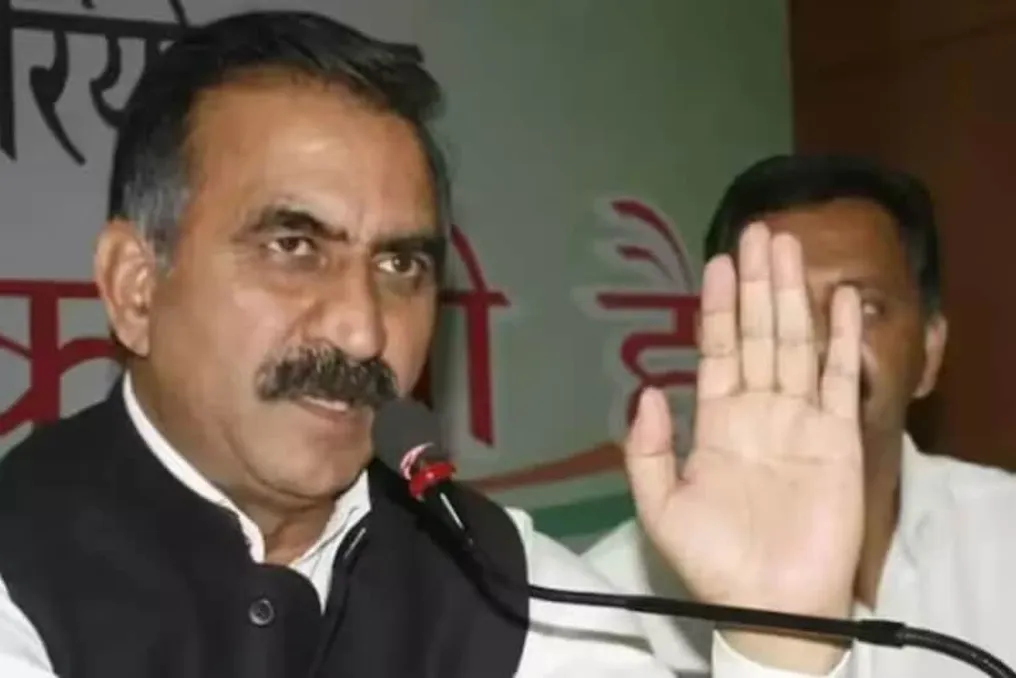
Chief Minister Thakur Sukhvinder Singh Sukhu announced the launch of the 'Happy Family' program in the state, which will take effect next month. Under this initiative, financial assistance of ₹1500 per month will be provided to women from needy families. Additionally, such families will be provided with free medical care through health insurance cards, as well as 300 units of free electricity.

The announcement was made by the minister during a large public gathering in Chuvari Chogan, which falls under the Bhatiyat constituency in Chamba, on Wednesday. He stated that the official start of this program will take place in Solan in the presence of National Secretary and Congress MP Priyanka Gandhi. The minister emphasized that the state government aims to ensure the economic empowerment of women and provide financial support to ordinary families.

Sukhu specified that about 20 thousand qualified women in the Bhatiyat constituency will receive monthly financial assistance of ₹1500, and 10 thousand families will receive the benefit of 300 units of free electricity. He also noted that the government has launched various programs to strengthen the rural economy and continues to implement Congress promises.

To identify needy families under this program, a survey was conducted at the panchayat level. Approximately 1.80 lakh families in the state were identified as eligible for 300 units of free electricity, and about 2.50 lakh women are set to receive monthly financial support. The minister explained that the monetary aid to women will be transferred directly to their bank accounts, and families will receive support on electricity bills.

Criticizing the Bharatiya Janata Party, Sukhu stated that the Congress government is seriously working to fulfill its promises, while the Bharatiya Janata Party spreads false information on social media. He reminded that the Congress promised to provide ₹1500 to women from families with an annual income of less than ₹75 thousand, and the government is working to implement this promise.

Responding to the demands of residents of Bhatiyat in Chamba, the minister also announced the opening of a civil court in Chuvari. This will allow residents of the region to resolve legal issues without the need to travel elsewhere. Furthermore, he announced the allocation of ₹4.50 crore for preparing the Detailed Project Report (DPR) for the Chuvari-Chamba tunnel. Further procedures will commence after the DPR preparation is complete.

The minister concluded that the state government is constantly making efforts to develop rural areas, expand basic infrastructure, and improve the standard of living of the population, affirming its commitment to regional development.
Similar stories

Government considers increasing the free electricity allowance to 200–300 kWh
Read more
iol.co.za

Government considers increasing the free electricity allowance to 200–300 kWh

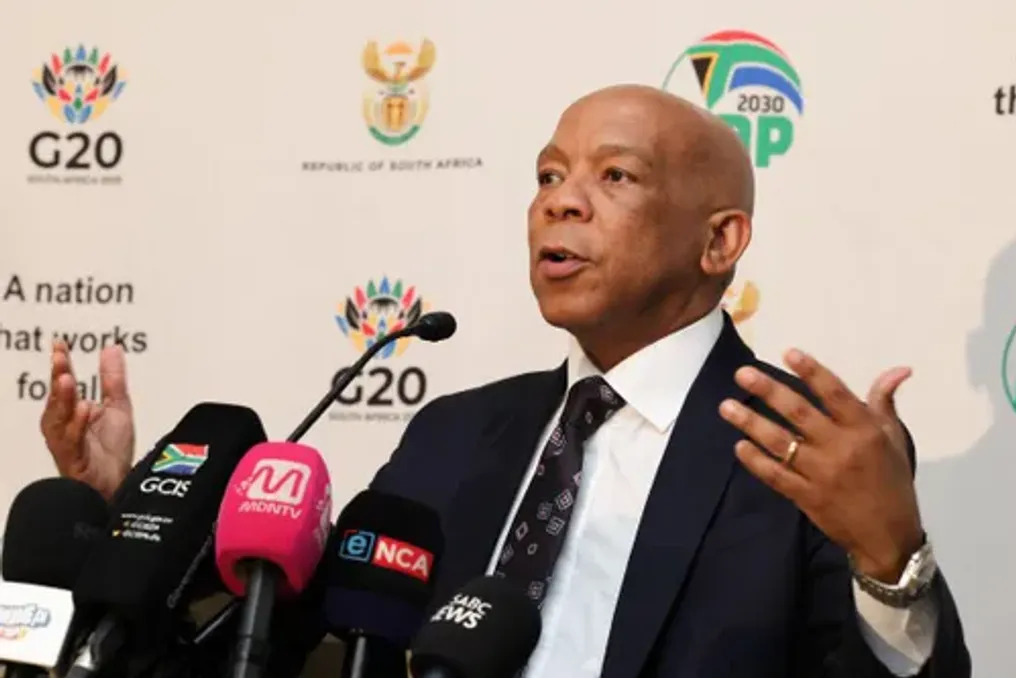
The Minister of Electricity and Energy, Kgosientsho Ramkgoppa, stated that the government is studying the possibility of increasing the current Free Basic Electricity (FBE) norm from 50 kilowatt-hours per household per month to a level between 200 and 300 kilowatt-hours, but a final decision has not yet been made.

Ramkgoppa disclosed this information in response to questions from IFP parliamentarian Nomphumelelo Mkhlongo, who inquired how many low-income households could benefit from the proposed measures under the revised electricity pricing policy.

Mkhlongo also asked about conducting an impact assessment of the new pricing structure on household expenses and the timeline for developing this policy.

In his response, Ramkgoppa emphasized that the goal of this policy is to strengthen the protection of vulnerable electricity consumers and low-income citizens by reviewing the free basic electricity system and support mechanisms for them.

How many households can benefit?

The Minister specified that the government is considering increasing the existing FBE norm from 50 kWh to a qualified household monthly to the range of 200–300 kWh. He stressed that this is only a proposal for consideration, not an already active right.

Furthermore, Ramkgoppa noted that the number of beneficiaries from the revised measures will depend on the final identification and registration of eligible households, as well as the adopted approaches to financing and implementation.

He added that the department will be able to confirm the number of recipients after these issues are settled. Previously, the Cape Argus reported that out of approximately 2.8 million identified needy households, only 1.7 million received free basic electricity.

Many qualified households do not receive FBE

According to Ramkgoppa, reasons why qualified households did not receive the full benefit of FBE included gaps in the identification and registration of relevant households, limited municipal capacity, and a lack of uniformity in administration and maintenance of needy registries.

The Minister also mentioned that municipalities redirected funds allocated by the National Treasury to address other urgent tasks related to service provision and financial priorities.

He stated that the updated policy promotes the implementation of transparent tariff structures, adequate distribution of electricity costs, and oversight by the South African National Energy Regulator.

The proposed review of FBE aims to strengthen support for needy households. However, the impact of the new pricing structure on individual household expenses will depend on the tariffs applied, electricity consumption, supplier, and the implementation of relevant support measures.

Timeline for public consultation needs clarification

Responding to specific questions from ANC parliamentarian Zama Khanyase, Ramkgoppa explained that implementing the proposed measures will require coordination between the Department of Electricity and Energy, the National Treasury, the South African National Energy Regulator, and municipalities. This coordination is necessary to determine target groups, deliver FBE, develop lifeline tariffs, and monitor availability.

These mechanisms are intended to ensure that the sustainability of the power supply industry is achieved in parallel with protecting households least able to withstand rising electricity prices.

Ramkgoppa also stated that it is currently impossible to name a precise date for the final approval of the revised electricity pricing policy. He explained that this depends on public opinion review and the completion of necessary approval procedures.

The Cabinet approved the publication of the revised policy for public consultation on July 29, 2026. Although it was published a day earlier, Ramkgoppa extended the deadline for submitting proposals to October 28, 2026.

After the consultation period, the department will review the received comments, make necessary changes, and complete the relevant approval and consultation processes, including with the Council for National Economic Development and Labour, before presenting the final policy to the Cabinet.

Million Sums Allocated to Needy Families in Uzbekistan for Heating Season
Read more
podrobno.uz

Million Sums Allocated to Needy Families in Uzbekistan for Heating Season

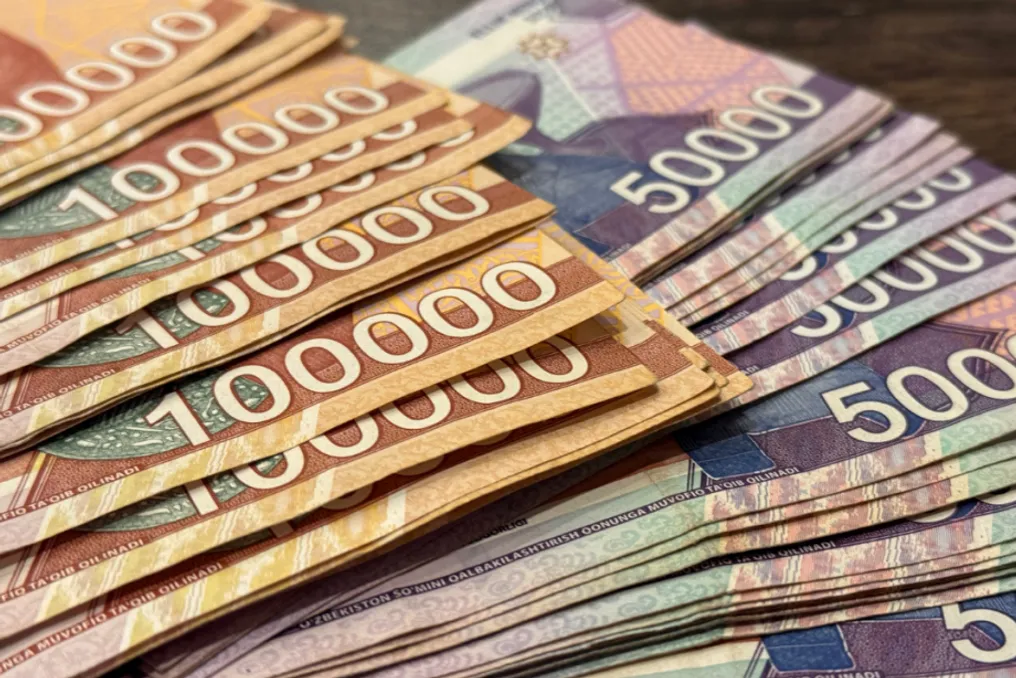
Support measures are being introduced in Uzbekistan for low-income families aimed at covering expenses related to heating and utility services during the winter period. In November, these families will receive a one-time payment of one million sums, and the criteria for receiving compensation for electricity, gas, and coal payments will also be revised.

These steps have been implemented based on the president's decree and are intended to assist residents during the heating season. The one million sum payment is addressed to families listed in the Social Register, as well as those who meet the established requirements but are not yet included in this register. Factors such as the family's per capita income and housing conditions are taken into account when assessing eligibility.

Families whose average income per person does not exceed twice the minimum consumer expenditure (MCE), which is approximately 1.4 million sums, can receive this assistance. However, special rules apply to residents of apartment buildings with centralized heating: in Karakalpakstan and other regions, the average per capita income must not exceed twice the MCE, whereas in Tashkent, this threshold is increased to three times the MCE.

In exceptional cases, support may be provided to families with incomes above the established limits if it is decided by the district or city headquarters responsible for job creation and increasing the population's income level. Furthermore, assistance is provided for elderly people living alone, citizens with disabilities, individuals requiring care, and families raising orphans and children left without parental care.

The decree also provides for an increase in the maximum average income threshold at which families can expect various forms of social support. Regarding compensation for electricity and natural gas consumption, the threshold will be raised from 1.5 to two MCEs. When allocating funds for purchasing coal, this indicator will increase from one to two MCEs. A similar criterion applies to reimbursing utility payments and repaying debts through the 'Sahovat va Kumak' fund, as well as compensating fuel costs.

The deadlines for providing some types of assistance have also been extended. Compensation for the difference between tariffs within the basic norm of electricity and gas consumption and tariffs for excess consumption will be paid until April 1, 2028. Payments for partial reimbursement of coal purchase costs have been extended until the beginning of 2029. Previously, local authorities in Uzbekistan decided to increase the basic consumption norm for electricity for territories not connected to gas or experiencing gas supply interruptions, raising it from 200 to 350 kilowatt-hours per month.

Popular