Amitabh Bachchan faced financial difficulties, while Jaya Bachchan defended the family's honor
Read more
Aaj Tak
www.aajtak.in

Amitabh Bachchan faced financial difficulties, while Jaya Bachchan defended the family's honor

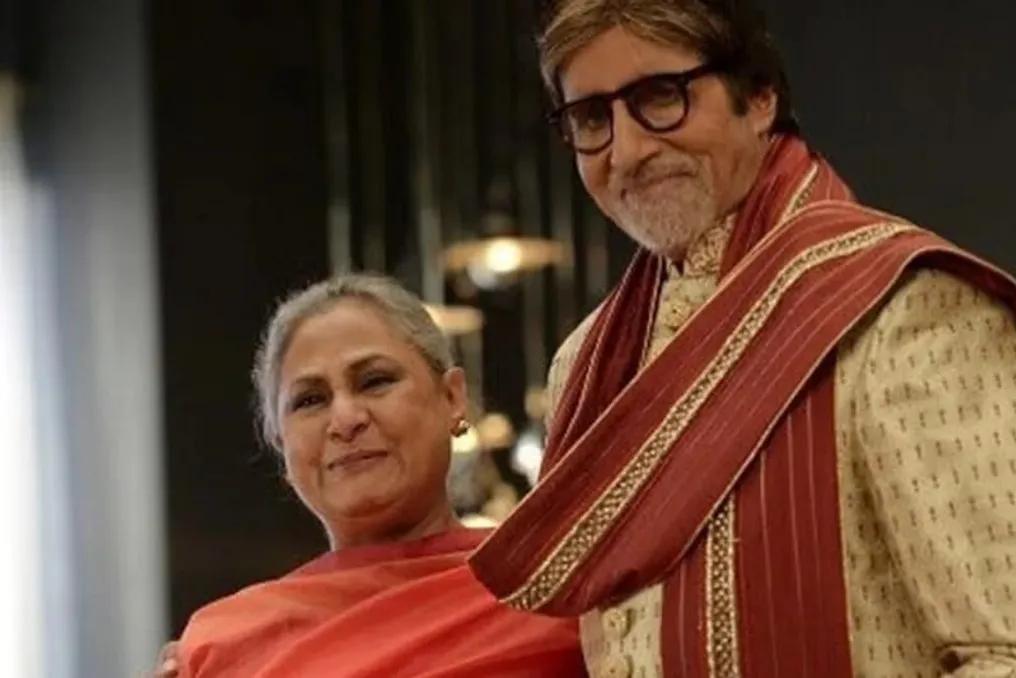
Bollywood star Amitabh Bachchan, known as the great Mahanaayak, possesses immense wealth and a luxurious life; however, there was a period of financial hardship in his life. Actress Bhavana Balsavar, who witnessed Bachchan's difficult days, shared details about this period.

Bhavana Balsavar, known for her role as Sunita Diwan in the popular 1990s sitcom 'Dekh Bhai Dekh', told Siddharth Kanana on a podcast that in the 1990s, Amitabh Bachchan's company, 'ABCL', went through a period of serious losses and bankruptcy. During this challenging economic time, Jaya Bachchan, as a producer, did not allow the influence of these financial problems to affect the cast and crew of her famous show 'Dekh Bhai Dekh'.

Bhavana highly praised the professionalism of Jaya and Amitabh Bachchan, noting that during the filming, the actors felt no pressure. The actress emphasized that they were very professional and outstanding people, and Jaya Ji never allowed them to feel any problems. She noted that the scale of the show, including the sets, multi-camera setup, and their hard work, was impressive; the sets were so good that one could live there.

Bhavana reported that although the artists sometimes heard about the financial difficulties, it did not reflect on the producers' behavior. She added that despite hearing about the problems, there was never any worry on their faces. Jaya Ji would come to the shoots, and they would converse and joke together. They never let it seem like something was wrong. As an artist, she understood that knowing about such difficulties could affect their performance, so the producers were extremely professional and wonderful.

Bhavana expressed confidence in Jaya and Amitabh Bachchan's dedication to their show, especially considering its popularity among viewers. She also asserted that the producers did not use the income generated from the show to pay off other debts. She explained that when creating the series, especially for DD Metro, payment is made for delivered episodes, and debtors usually use this money to settle other obligations. However, they did not do this; all received funds were directed towards the show itself. Since the show was successful, revenues continued, and there were bonuses based on TRP ratings. Regardless of the circumstances, they never allowed financial problems to affect the show.

Bhavana Balsavar concluded her story by calling Jaya Bachchan an exceptionally strong and sensible woman.
Similar stories

Priyank Hardge calls on electric vehicle companies to participate in shaping Karnataka's growth roadmap
Read more
yourstory.com

Priyank Hardge calls on electric vehicle companies to participate in shaping Karnataka's growth roadmap

Creating an ecosystem for electric vehicles requires more than just putting new vehicles on the road; it also needs battery research, specialized engineering talent, testing centers, and a manufacturing base capable of supporting a growing industry.

In line with Karnataka's ambition to strengthen its position in the electric vehicle sector, Minister for Home Affairs, Electronics, Information Technology, Biotechnology, and Electronic Governance Priyank Hardge appealed to industry representatives to help develop a roadmap for the state's electric mobility ecosystem.

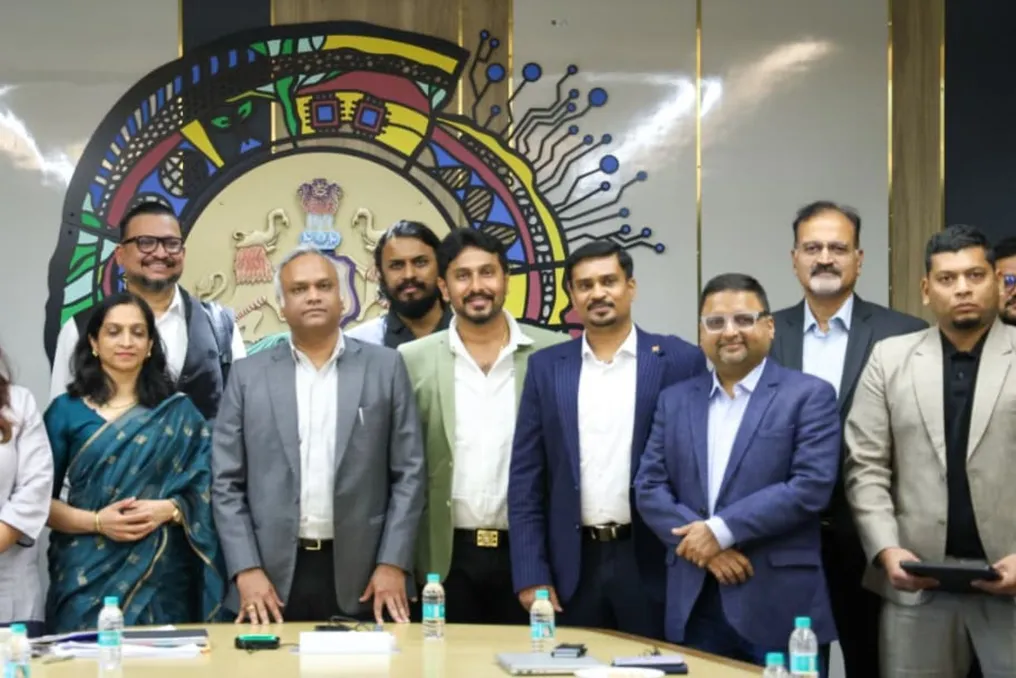
Ahead of the Technology Summit in Bengaluru in 2026, Hardge organized a roundtable with companies and stakeholders from Karnataka's electric vehicle industry. The meeting aimed to ascertain participants' priorities, identify areas for collaboration, and discuss ways to accelerate sector development.

Representatives from companies such as Exponent Energy, Ultraviolette, Simple Energy, Sun Mobility, Moonrider, and Multiplex EV, along with other manufacturers, technology firms, battery and energy solution providers, and startups, participated in the event.

The topics discussed covered several areas that could strengthen Karnataka's electric vehicle ecosystem. These included industry-led research and development, advanced testing and certification facilities, professional training programs, incubation support, and manufacturing infrastructure.

Priyank Hardge emphasized that government support must be based on the real needs of companies operating in the electric vehicle value chain. He stated: 'The government is ready to support the growth of the electric vehicle sector in Karnataka. However, our interventions must be guided by what the industry truly needs.'

He strongly urged companies to unite, define common priorities, and present a consolidated roadmap to the government. This will help determine which support measures and infrastructure projects should be implemented.

During the interaction, talent development was a key issue. As the electric vehicle industry expands, companies require specialists in areas such as battery technology, embedded systems, firmware, power electronics, vehicle diagnostics, manufacturing, and after-sales service.

To meet this demand, Hardge proposed an industry-supported training model where companies could assist in developing curricula, certifying candidates, and providing job opportunities. This approach would bring employers closer to the training process, ensuring that taught skills meet industry requirements.

The Minister also encouraged companies to examine existing policy incentives in Karnataka designed for R&D in manufacturing and engineering. Discussions included opportunities to strengthen local manufacturing capacity and reduce import dependence.

Since the electric vehicle industry encompasses vehicle manufacturing, battery systems, electronics, software, and energy infrastructure, Karnataka aims to integrate these capabilities to support innovation and production within the state. This roundtable is part of the state's engagement with the industry ahead of the Technology Summit in Bengaluru in 2026, and the proposed roadmap is expected to help define priorities for the next phase of the electric vehicle ecosystem's development.

Capital of Uzbekistan's banks grew by 17.3% over the year, reaching 152.9 trillion soms
Read more
uzdaily.uz

Capital of Uzbekistan's banks grew by 17.3% over the year, reaching 152.9 trillion soms

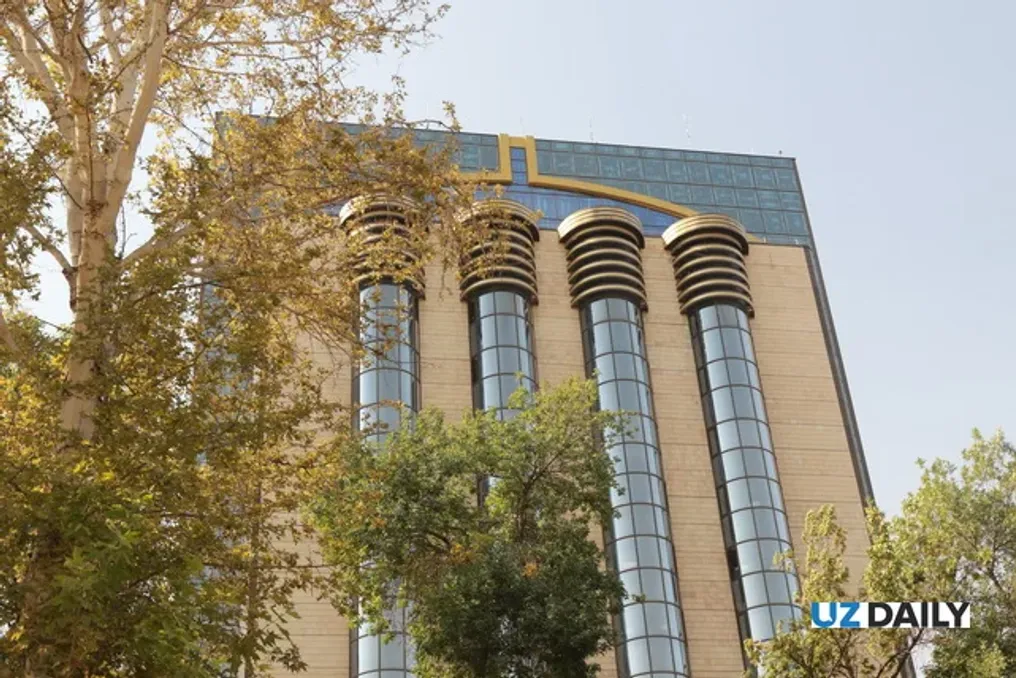
According to data from the Central Bank of Uzbekistan, the total capital of commercial banks in Uzbekistan reached 152.9 trillion soms as of October 1, 2026. This represents an increase of 17.3% compared to the same period last year, when the figure was 130.4 trillion soms.

The regulatory capital in the banking sector increased by 17.6%, amounting to 169.4 trillion soms. Since assets grew at comparable rates, the capital adequacy ratio remained virtually unchanged at 18.18%, compared to 18.19% the previous year.

Tier 1 capital adequacy indicators showed a slight decrease. The Tier 1 capital adequacy ratio was 14.99% compared to 15.06%, and the total Tier 1 capital ratio decreased to 14.61% from 15.02% previously.

Tier 1 capital increased by 17.6%, reaching 140.3 trillion soms, which accounts for 82.8% of the regulatory capital. Meanwhile, the total Tier 1 capital grew by 14.4% to 136.2 trillion soms. Additional Tier 1 capital increased almost elevenfold, rising from 0.38 trillion to 4.1 trillion soms.

Tier 2 capital increased by 20%, reaching 29.7 trillion soms. Profit was the main source of growth in banks' equity. Undistributed profit grew by 55.4% year-on-year, reaching 34.6 trillion soms, and its share in the total bank capital increased from 17.1% to 22.6%.

Shareholder capital increased by 9.6% to 101.2 trillion soms, while reserve capital grew by 10.6%, reaching 15.9 trillion soms.

Four banks had capital exceeding 10 trillion soms: National Bank of Uzbekistan with 21.2 trillion soms, Agrobank with 13.9 trillion soms, Uzpromstroybank with 13.1 trillion soms, and People's Bank with 11.5 trillion soms. Together they accounted for 39% of the total banking system capital, down from 42% the previous year.

Seven banks had capital in the range of 5 to 10 trillion soms, accounting for 33.8% of the total. Another eight banks had capital between 2 and 5 trillion soms, representing 18%. Five banks had capital from 1 to 2 trillion soms, and ten had capital from 500 billion to 1 trillion soms. Only one bank had capital below 500 billion soms, compared to four such banks the previous year.

Smaller banks demonstrated the highest capital buffers. The capital adequacy ratio among six banks with assets up to 3 trillion soms was 27.2%, and among six banks with assets from 3 to 10 trillion soms, it was 20.8%. Among the 12 largest banks, each with assets exceeding 30 trillion soms, this ratio was 17.6%.

Dollar retreats amid Democratic gains, while Asian stock markets fall after US elections
Read more
noticiasaominuto.com

Dollar retreats amid Democratic gains, while Asian stock markets fall after US elections

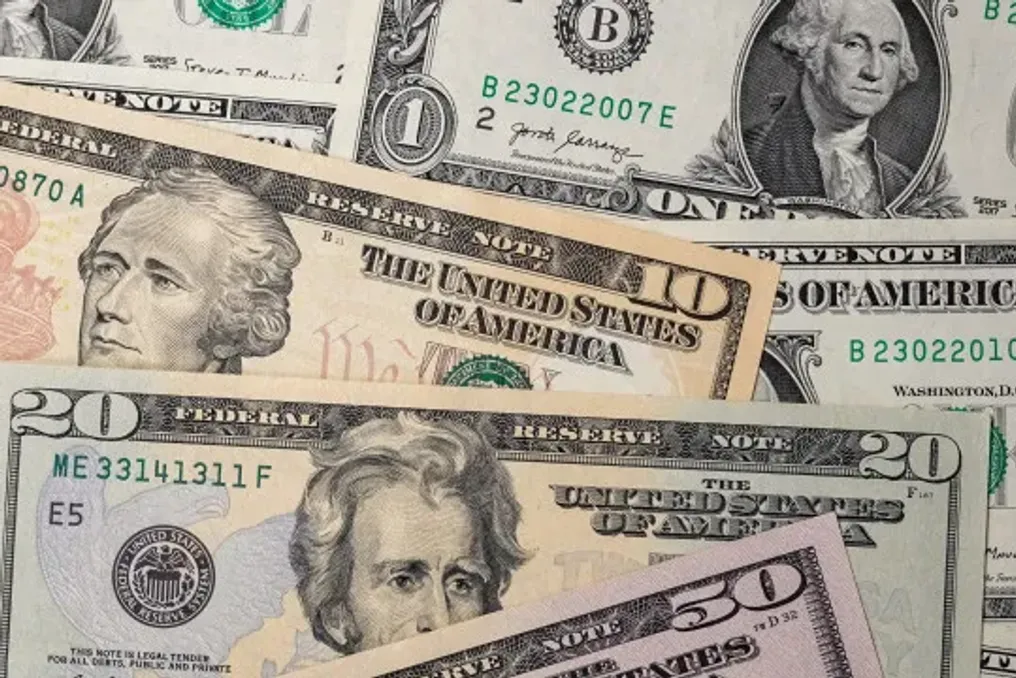
The US dollar retreated against major currencies, and Asian markets registered declines, driven by the Democratic party's advances in the initial results of the midterm elections held on Tuesday in the United States. These results have intensified concerns about possible political deadlocks.

Around 02:30 today, in Lisbon, the US dollar lost 0.41% against the euro, reaching 0.89 cents, and fell 0.65% against the Japanese currency, reaching 157.65 yen.

Simultaneously, on the Tokyo Stock Exchange, the main index of Japan's capital, the Nikkei, was down almost 3.6%. In Seoul, the capital of South Korea, the Kospi index showed a decline of 0.97%. In China, the main indicator of the Hong Kong Stock Exchange lost 0.24%, and in Shanghai, the Chinese financial capital, the SSE Composite Index, receded by 0.22%.

The voting assemblies in half of the American states have already closed, initiating the counting of the midterm elections, where the Democratic and Republican parties compete for control of Congress.

The first data from Tuesday's vote suggests a superior performance by the Democratic opposition in both the House and the Senate of the US parliament, when compared to the 2024 elections.

It is estimated that more than 250 million voters are eligible to participate in these midterm elections, aiming to renew the 435 seats of the House of Representatives and approximately one-third of the Senate (33 of 100 seats), in addition to two seats in the upper house representing Florida and Ohio.

The outcomes of these elections will determine the final two years of the administration of Republican President Donald Trump. More than 60 million American citizens have already voted early, a number that exceeds the figure recorded in the 2022 midterm elections by almost 15 million.

Popular