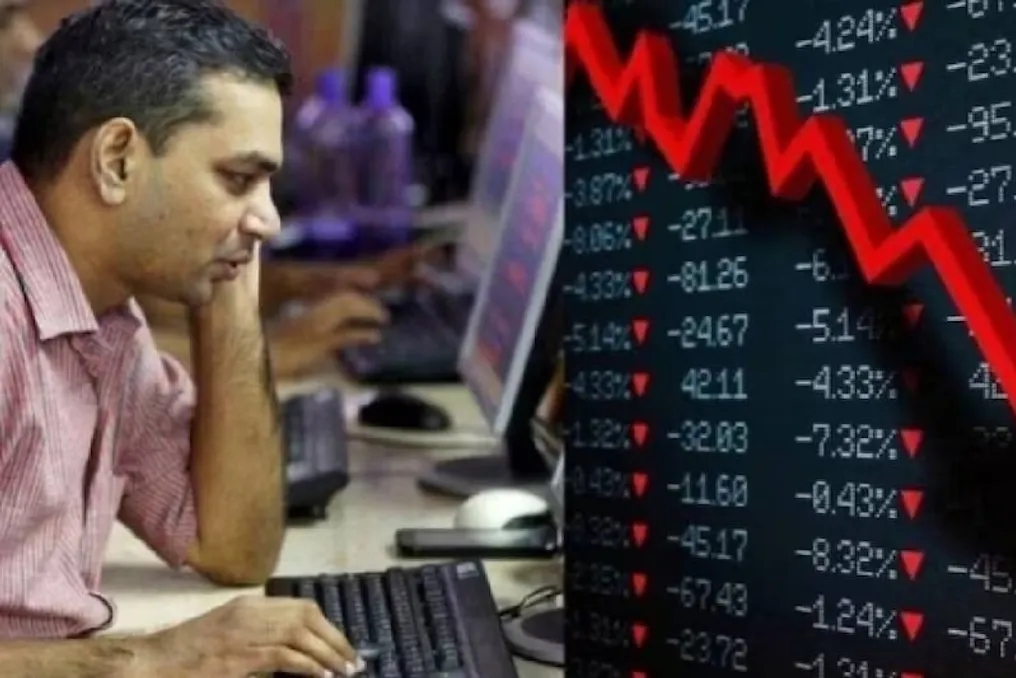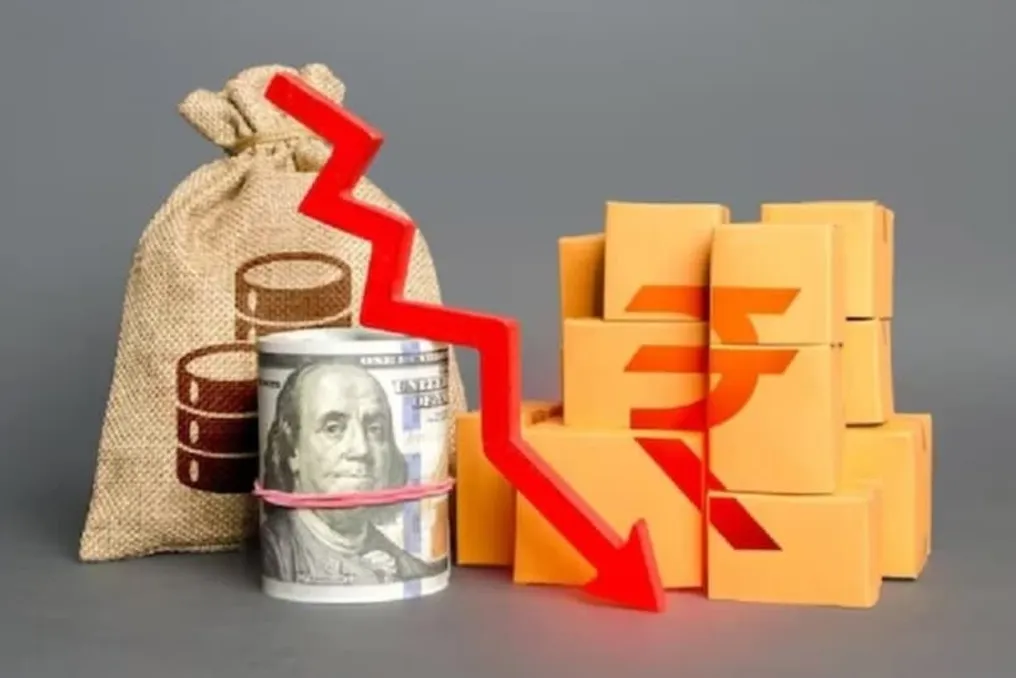
Experts predict significant weakening of the Indian Rupee against the US Dollar
Read more
Aaj Tak
www.aajtak.in

Experts predict significant weakening of the Indian Rupee against the US Dollar

Following a period of strengthening, the Indian currency, the rupee, has faced a serious warning that raises concerns for the Indian economy. Analysts from Axis Bank Research suggest that the rupee could significantly depreciate against the US dollar.

According to the forecasts, by December next year, the rupee could fall to the level of 102 against the US dollar. If these predictions materialize, it will have a substantial impact on the economy. Experts are also examining how this currency depreciation will occur.

The report presented by Axis Bank Research contains a forecast suggesting that by December 2027, the rupee could decline to ₹102 against the US dollar. However, the decline will not stop there; by the last month of 2028, the rupee could weaken to 106 against the dollar.

In its report published on Tuesday in The Middle (Kingdom) Path, Axis Bank Research confirmed its initial assessments, forecasting the USD/INR exchange rate in the range of 97–99 by March 2027 and 98–100 by June 2027.

The report explains the reasons for the expected weakening of the rupee. It indicates that the recent recovery of the Indian currency may only provide temporary relief, as structural pressure from the external sector, capital outflow, and the need to replenish foreign exchange reserves continue to put pressure on the rupee. Specialists expressed serious concern about the pressure on India's external financial positions.

It is noted that despite attempts by the central bank to stabilize rupee fluctuations, constant intervention by the RBI has led to a reduction in effective foreign exchange reserves. Consequently, replenishing these reserves remains a priority, which limits the potential for a strong rupee appreciation even with an improvement in foreign capital inflow. The report also highlights outflows of approximately $2–3 billion monthly under the Liberalised Remittance Scheme and about $3 billion from foreign direct investment.

Despite the long-term pessimistic outlook, the Indian rupee showed signs of recovery last week. Against the dollar, it strengthened by 37 points due to improved portfolio investments from the US, lower yields on US treasury bonds, and support from a stable dollar. Data from NSDL shows that the net inflow of portfolio investments last week was about $2 billion. Furthermore, the 10-year yield on US treasury bonds decreased to approximately 4.9%, reducing pressure on emerging market currencies. There was also a softening in crude oil prices, with Brent Crude reaching $105 per barrel.

Currency depreciation in any country negatively affects its economy. In the case of the Indian rupee, a decrease in its value makes all dollar-related expenses, such as importing crude oil and goods, more expensive. Rising oil prices increase the risk of inflation in the country. Additionally, studying abroad, international travel, and imported goods require more rupees.

For example, education expenses of $50,000 at an exchange rate of ₹95 per dollar would cost ₹47.5 million. However, if the rupee reaches the forecasted 102 to the dollar by December 2027, this amount will rise to ₹51 million, representing additional costs of ₹3.5 million. Since India imports most of its crude oil and pays for it in dollars, the rupee's weakening will lead to a significant increase in import costs, which could cause a rise in gasoline and diesel prices in the country. The increased cost of diesel, in particular, will raise the cost of transporting necessary goods and intensify inflationary pressure in the country.
Similar stories

Five Factors Supporting Indian Stock Market Growth Despite Downturn in the US
Read more
www.aajtak.in

Five Factors Supporting Indian Stock Market Growth Despite Downturn in the US

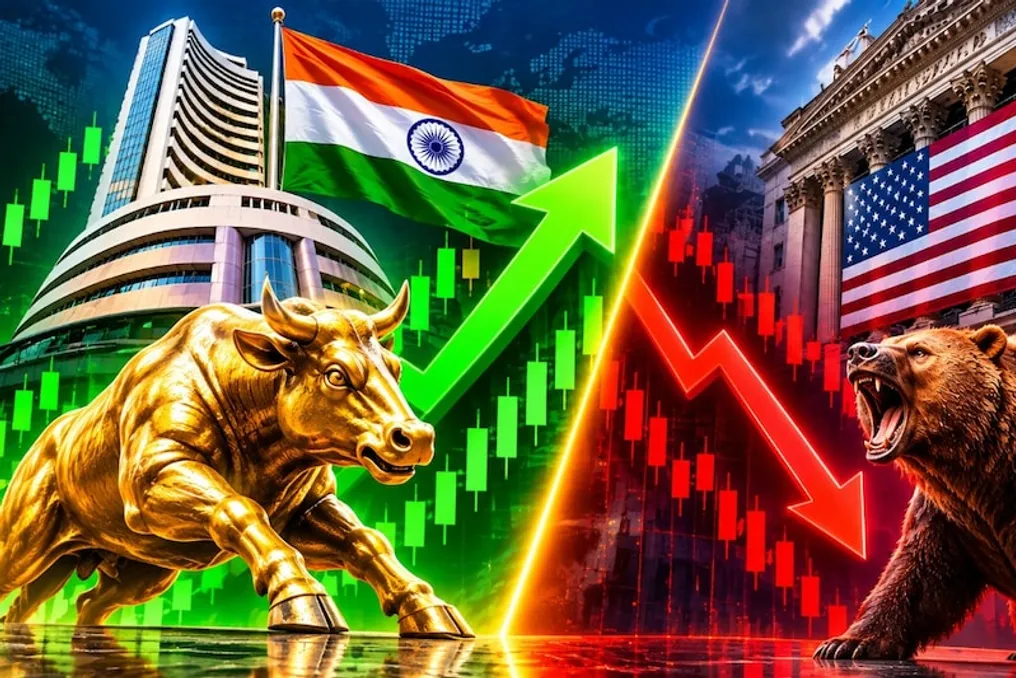
The Indian stock market has shown unexpected growth, demonstrating a steady trend for five consecutive days. During this period, the Sensex index increased by approximately 4000 points, corresponding to a rise of over 5%. Meanwhile, American markets are showing declines: the Nasdaq index fell by almost 5% over five days and decreased by 10% in a month, which is technically classified as a 'bear market' phase.

This raises the question of what caused such a recovery in the Indian market, as previously any increase in pressure on the American market negatively affected India, such as during the conflict between the US and Iran, when the market dropped by more than 15%. However, the market is now trying to stabilize, ignoring external shocks.

A partial support for the market was provided by the decrease in crude oil prices, although this is not yet enough to form a full rally. Corporate reports added further stability. Nevertheless, analysts believe that the most significant positive signal was the announcement by Finance Minister Nirmala Sitharaman regarding the consideration of reducing the Long Term Capital Gains (LTCG) tax. This potential supportive measure strengthened investor confidence.

Thanks to efforts to reduce tensions and attempts at reconciliation between the US and Iran, there is a noticeable drop in crude oil prices in the international market. Since India imports a significant portion of its energy needs, easing oil prices could be a substantial stimulus for the Indian economy.

Although high crude oil costs previously put pressure on the government budget, the government is being aided through the collection of GST. In October 2026, GST collection in India reached 2.31 lakh rupees, which is 22.9% higher compared to the previous year. For the first seven months of the current fiscal year (April-October), total GST collection amounted to 14.78 lakh rupees, exceeding the figures for the same period last year by 13.2%.

This data indicates the maintenance of a high pace of domestic trade, production, and consumption. Strong GST revenue helps the government control the budget deficit, thereby strengthening India's credit rating in the eyes of global rating agencies and investors.

Parallel to global instability, quarterly results from Indian companies are supporting the domestic market. Despite pressure in some sectors, strong performance by certain large companies prevented a market crash. The continuous green momentum over the last five days confirms a high level of confidence among Indian and institutional retail investors.

The Finance Minister acknowledged the need to stabilize the stock market amid the changing global environment and the constant outflow of foreign institutional investors. Significant capital is required to maintain India's GDP growth rate above 7%, making the stability of the stock market critically important. If a tax concession on LTCG is provided in the upcoming budget, it could be a turning point for the Indian stock market.

Despite the current growth, the Indian stock market is still approximately 10% below its peak. The historical high for the Nifty 50 index is 26,373.20 points, reached at the beginning of this year. Over the last 28 months, the Indian market traded within a certain range. The main reasons for the decline were mass selling by foreign institutional investors, pressure in global markets, and weakening valuations in certain sectors.

Despite active selling by foreign investors, domestic institutional and retail investors, who are highly confident in their strength, managed to protect the market from serious shocks. Money flowing through the SIP system helps prevent a market fall, but the long-term sustainability of this trend remains an open question, given that most retail investors who invested in the market over the last two or three years are currently at a loss due to lack of market movement.

Over the past two years, despite turbulence in the stock market, the Indian economy has demonstrated exceptional resilience. Today, India is among the fastest-growing major economies in the world, maintaining a growth rate of around 7%. The main and reliable pillar of the Indian economy is domestic demand. Unlike many developed countries, which are susceptible to global recession due to small populations or reduced demand, India, with a population of over 140 million people, forms a large market independently.

Rising income and changes in the middle class lifestyle stimulate demand in sectors such as automotive, FMCG, real estate, and digital services. Although exports suffer due to the global crisis, domestic demand remains stable, allowing the Indian economy to continue steady growth despite external pressures.

Stock Market Decline: Three Main Reasons, Losses of 700 Billion Rupees, and Popular Stocks Dropped by Up to 17%
Read more
www.aajtak.in

Stock Market Decline: Three Main Reasons, Losses of 700 Billion Rupees, and Popular Stocks Dropped by Up to 17%

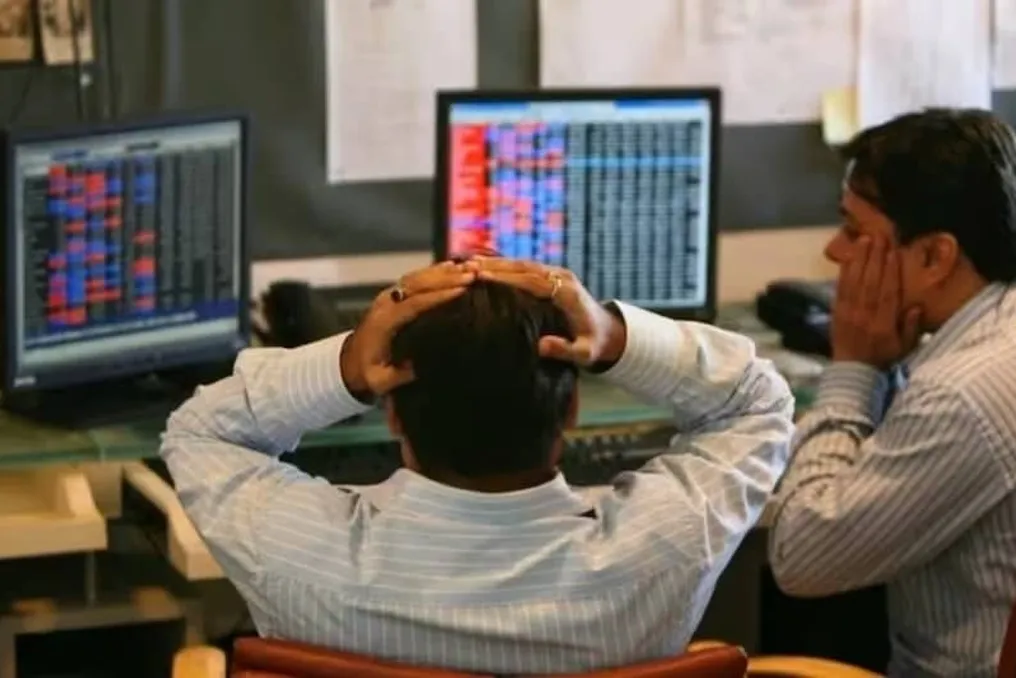
A decline was observed in the stock market on the last trading day and throughout the fourth consecutive session. The Sensex index fell by 1250 points from its daily high, but after the market closed, it showed a significant recovery. Nevertheless, investors in the Indian market incurred losses amounting to about 700 billion rupees.

The market capitalization of the BSE reached 458 billion rupees on Thursday, and by Friday, it decreased by approximately 700 billion rupees to 451 billion rupees. The main reason for this sharp drop was the massive sell-off of stocks in the small and mid-cap segments.

After the sharp fall on Friday, the BSE Sensex recovered, declining by only 125 points and settling at 73,123.83. The Nifty index dropped by 87 points, reaching the level of 22,600. Previously, Nifty had touched the lower level of 22,372, and Sensex had touched 72,452.37.

On Friday, stocks of mid-cap and small-cap companies experienced a serious decline. At the close of trading, the BSE 150 Midcap index fell by 2.10%, closing at 15,143.47, while the BSE 250 Smallcap declined by 2.68%, ending trading at 6,440.65. Shares of Jammu & Kashmir Bank lost more than 16 percent, while Swiggy shares fell by approximately 17%. These two companies became the stocks of the day in the mid-cap and small-cap sectors.

Most stocks in the small and mid-cap segments were in a decline zone of more than 3 percent on Friday, leading to a significant reduction in investor portfolios. Among the top 30 BSE stocks, the largest drop was recorded by Tata Steel, which fell by 3.21 percent. Twenty stocks closed in the red, and the remaining ten closed in the green. Eternal's shares, conversely, closed with a gain of about 4 percent.

The primary reason cited for the decline is the crude oil situation, whose price reached $115 per barrel. Brent Crude Oil rose by 1.33% on Friday, reaching $114.67 per barrel. This rise is attributed to the Houthi attack on Saudi Arabia. Furthermore, foreign investors continue to increase their selling. On October 22, foreign investors sold Indian stocks worth 16,113.89 crore rupees, while DII supported the market by buying stocks worth 14,519.12 crore rupees.

Large-scale selling was observed among both retail investors and foreign participants in the small and mid-cap segments. The results of some companies' reports also influenced the market.

JM Financial Expert Forecasts Nifty Drop of 1600 Points Following Stock Market Crash
Read more
www.aajtak.in

JM Financial Expert Forecasts Nifty Drop of 1600 Points Following Stock Market Crash

The Indian stock market has been experiencing a sharp decline for the fourth consecutive day, with significant instability observed in the small and mid-cap segments. Investors are concerned because their portfolios have not shown positive momentum over the last four days, and an atmosphere of downturn prevails in the market.

A technical expert from JM Financial warns that if the market falls below the 22000 level, the situation will worsen. He forecasts that the NSE Nifty index could experience an additional drop of 1500–1600 points over the next three months. If this forecast is confirmed, Nifty may reach the 21000 mark within the next three months.

JM Financial believes that the market is going through a period of significant disappointment, and the levels of 22,550–22,180 are critical for Nifty. If the market begins to recover, good growth in large-cap stocks is expected. However, if recovery does not occur and Nifty falls below 22,000, a further decline of 1500–1600 points within three months is possible.

JM Financial notes that in periods when the market breached the 200-week moving average (EMA), there was a sharp short-term decline, but in the long term, this created good opportunities for investors. This brokerage firm pointed out that the Nifty index faced a serious decline because only 24 percent of stocks are trading above their 50-day moving average (DMA), and only 22 percent are above the 200-DMA, putting the large-cap market under strain.

JM Financial emphasizes that the weakness is not limited to the small and mid-cap segments; a significant decline is also observed within the Nifty 50 index. Although recent growth in the 50-DMA showed initial signs of stability for large companies, JM Financial views the growing market tension across various capitalization categories as a sign of laying the foundation for broader market improvement.

According to the report, Nifty has long shown poorer performance compared to Nifty Midcap 100, and the Nifty-to-Midcap 100 ratio has been in a downtrend since 2021. This indicates that mid-caps have performed significantly better in the long run compared to large caps. It is also noted that this ratio is approaching a historical high. In JM Financial's opinion, the continuous growth of these indicators followed by reaching high levels suggests strengthening structural changes towards large-cap stocks.

Today, the BSE Sensex fell by more than 1200 points from its daily high and is trading at 72,585.92. Meanwhile, Nifty dropped by approximately 300 points and is trading below 22,400. The Nifty Bank sector also recorded a fall of over 1000 points. The largest declines were seen in the mid and small-cap segments: Nifty Midcap fell by 3.16 percent, and Nifty Smallcap fell by 3.64 percent.

Popular