
Dr. Sarin discusses methods to improve gut health for bloating, burping, and gas
Read more
Aaj Tak
www.aajtak.in

Dr. Sarin discusses methods to improve gut health for bloating, burping, and gas

Issues such as abdominal bloating, frequent burping, and gas formation are common. Many people tend to ignore them, considering them insignificant, yet they can be linked to diet, stress, or an unhealthy lifestyle. Gut health extends beyond simple digestion; it is also connected to the body's metabolism and immune system. Therefore, maintaining stomach health requires attention not only to diet but also to daily habits. This was discussed by Professor Dr. S.K. Sarin, founder of the Institute of Liver and Biliary System (ILBS) in New Delhi.

Dr. Sarin notes that burping, feelings of heaviness in the abdomen, and bloating are typical complaints associated with gas. Eating quickly or talking while eating can lead to swallowing excess air, which exacerbates problems with burping and bloating. Furthermore, mental stress can also worsen stomach issues because there is a close connection between the gut and the brain. During periods of stress, some people may feel increased spasms, heaviness, or gas in the abdomen.

According to Dr. Sarin, to ensure good intestinal condition, it is recommended to consume homemade food prepared fresh. Breakfast should include fruits, and unsweetened buttermilk (chaach) can be part of the diet, provided it suits the individual. Fried and heavily processed outside food should be avoided. Instead of eating the same thing every day, the diet should include vegetables, fruits, whole grains, and legumes.

The doctor also advised practicing once-a-day eating, known as 'One Meal A Day'. However, he emphasized that this eating pattern is not universally suitable or best for everyone. Especially those suffering from diabetes, having other illnesses, being weakened, or taking medication should consult a doctor or dietitian before adopting such a dietary plan.

The doctor also noted the benefits of physical exercise and sweating for health. However, he clarified that the claim that toxins are eliminated through sweat is untrue. The liver and kidneys are responsible for toxin elimination. The function of sweat is to maintain the body's thermoregulation.

Similar stories

The link between gut health and the brain: how the 'gut-brain axis' works
Read more
www.aajtak.in

The link between gut health and the brain: how the 'gut-brain axis' works

There is a close relationship between mental health issues and digestion, which is actively discussed in modern medical science. This connection is called the 'gut-brain axis,' which represents a direct and bidirectional communication channel between the gastrointestinal tract and the brain, through which they constantly exchange signals.

Strong mental stress or anxiety can lead to digestive problems such as stomach pain, heartburn, or constipation, which is explained by the function of this axis.

At the Healthwealth Summit in Delhi, Dr. Ashwani Chopra, a gastroenterologist from Ashlok Hospital, and life coach Rasik Chopra shared their thoughts on the 'gut-brain axis.' They noted that our digestive system contains the enteric nervous system, which holds billions of nerve cells that regulate the process of digestion, food movement, and intestinal activity.

The gut is often colloquially referred to as the 'second brain' due to its control over numerous digestive processes. However, this does not mean that the gut is capable of thinking or making decisions, as the brain and the gut have their own separate functions, but they are connected to each other.

The vagus nerve plays a key role in connecting the gut and the brain. It transmits information received from the gut to the brain, and the brain, in turn, sends signals to the digestive system. For example, stress caused by mental tension can affect how the gut functions and how food is digested. Conversely, changes occurring in the gut, such as inflammation or chemical shifts, can also send signals to the brain.

Trillions of microorganisms live in our gut, known as the gut microbiome, among which are beneficial bacteria. These microbes help break down certain components of food, synthesize vitamins, and produce short-chain fatty acids. During prolonged stress, the body's stress response system is activated, which can alter or increase levels of hormones such as cortisol. This is why some people may experience stomach pain, gas, diarrhea, or constipation during stress.

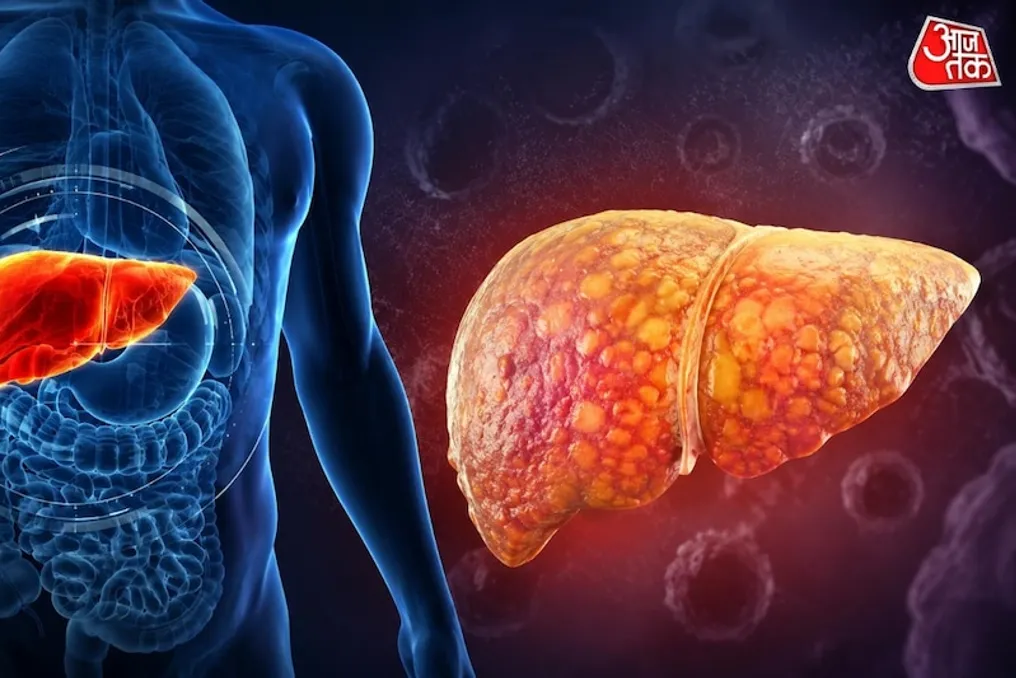
Bloating after eating may be a sign of liver disease, not just gas
Read more
www.aajtak.in

Bloating after eating may be a sign of liver disease, not just gas

A feeling of abdominal bloating, heaviness, or gas formation after eating is a common problem. Often, such symptoms arise from overeating or consuming fatty foods. Most people tend to attribute this to indigestion and take gas relief medications, but doctors warn that bloating can be a sign of some liver disease.

Dr. Ajit Jhaian, an associate professor at Rajiv Gandhi Hospital in Delhi, noted that any liver disease can cause abdominal bloating. In some cases, a serious liver condition called ascites leads to fluid accumulation in the abdominal cavity. This causes a gradual increase in the abdomen and a feeling of heaviness. It is important to note that in the early stages of fatty liver disease, fluid in the abdomen usually does not accumulate. Ascites can indicate serious liver disease, but there are other causes for this condition.

According to Dr. Ajit, if the problem is related to gas or indigestion, bloating is usually observed only after meals and subsides after the gas passes. However, with liver diseases such as ascites, bloating can occur both after meals and on an empty stomach. Accompanying symptoms may include leg and ankle swelling, loss of appetite, or difficulty breathing.

People who have consumed a lot of alcohol for a long time, suffer from hepatitis B or C, as well as patients with chronic liver diseases, should closely monitor these signs. Obesity and diabetes also increase the risk of developing fatty liver disease. Special attention should be paid to situations where the abdomen constantly increases or when leg swelling appears.

To prevent liver diseases, it is crucial to control one's diet. It is necessary to reduce the consumption of white flour, sugar, and salt. The diet should include green vegetables and fruits. It is also recommended to engage in physical exercise for at least half an hour daily and to completely give up alcohol consumption.

Popular