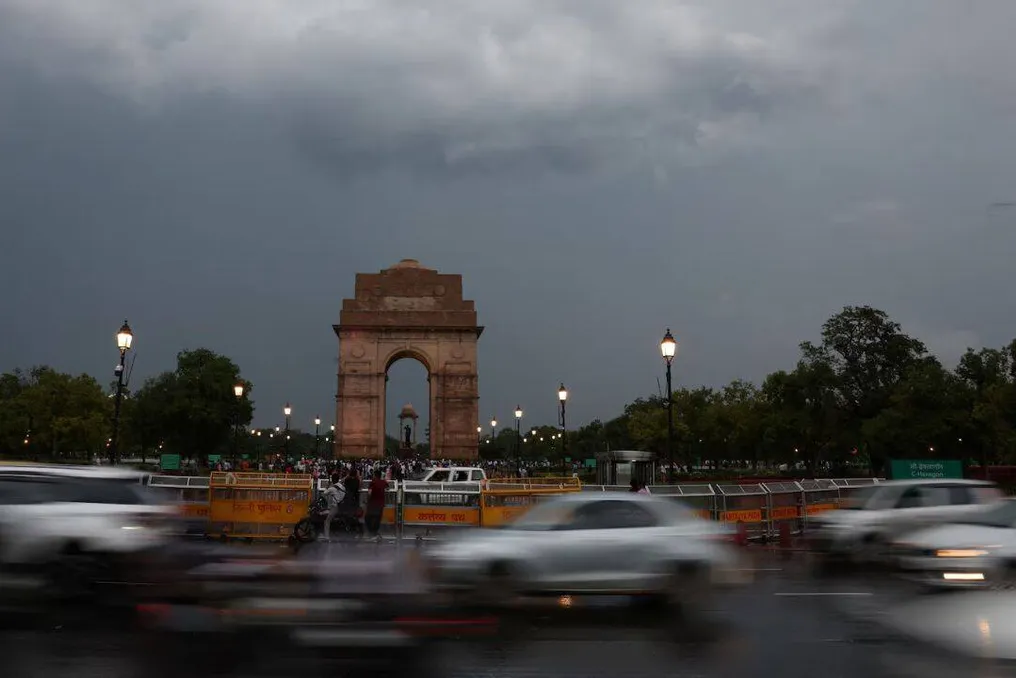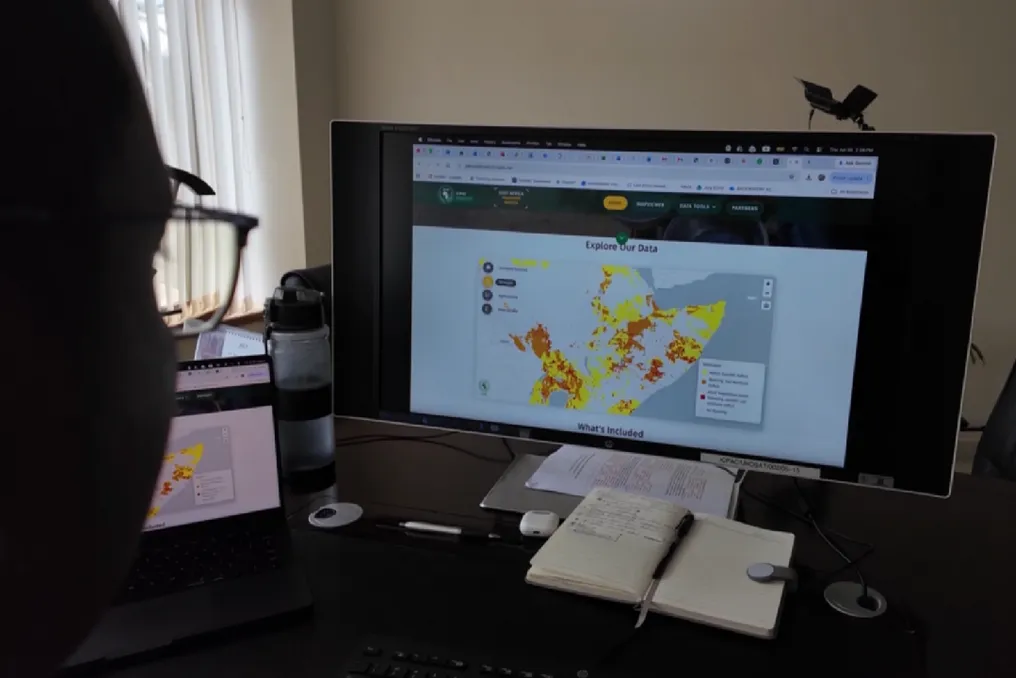
The intensifying El Niño weather phenomenon is dividing Sub-Saharan Africa into zones of extreme meteorological conditions, triggering a dual crisis: East Africa faces severe flooding, while Southern Africa suffers from drought.
Modern climate science is capable of forecasting these ecological upheavals months in advance. However, a panel discussion on Talk Africa revealed that the continent's most serious vulnerabilities are not related to the weather conditions themselves, but rather to bureaucratic, structural, and financial gaps.
Although early warnings are regularly generated, they often fail to translate into timely action. Addressing this operational gap has been recognized as an urgent task to prevent predictable seasonal hazards from escalating into major humanitarian disasters.
The primary operational deficiency lies within the current structure of regional meteorological modeling. National climate services are proficient at predicting general weather trends. Nevertheless, Eunice Koech, a climate modeling specialist at the IGAD Centre for Forecasting and Applications, noted that the lack of comprehensive socio-economic and vulnerability data creates specific challenges.
Koech explained that 'impact-based forecasting is what appears, and we have less information.' Meteorologists know whether flooding or drought is expected, but they lack details on the specific impact of these hazards on agriculture and infrastructure.
El Niño-related weather risks are dynamically forecasted from late September to January. Due to this extended period, it is impossible to provide highly specific, localized advice, leaving vulnerable populations completely unprotected during narrow windows for intervention.
This data deficit is compounded by a deep temporal and bureaucratic mismatch in the allocation of public resources. Reliable seasonal forecasts are available well in advance, up to three months. Unfortunately, the spatial window for proactive measures is constantly missed because public funds are rigidly tied to consequence management.
Koech observes that 'most of the allocated funding is primarily directed towards response and recovery.' Furthermore, administrative procedures are too slow to reallocate funds during the small available periods for action. Consequently, scientific data is widely disseminated but often lacks actionable, contextual recommendations.
Emma Mwangi, a climate scientist from the International Federation of Red Cross and Red Crescent Societies, emphasized that simply alerting communities to above-average rainfall is ineffective if people lack the capacity to respond. Mwangi questioned: 'While we provide early warnings to communities, to the government, do we know what is expected of us?' People may receive a warning, but rarely understand its practical implications or possess the financial means to act on that information.
Maintaining a reactive stance incurs extremely high economic costs. Proactive planning offers a much more sustainable path forward. The African Development Bank (AfDB) warns that these recurring climate events could permanently reduce national GDP by 1–2%, making reactive planning an unaffordable luxury.
Disaster management traditionally occurs post-factum. Breaking with this tradition, Bhekumuzi Dinn Bhebe, founder and director of Africa Change Lab, argues that governments must treat El Niño as a predictable fiscal risk in national budgets. Governments are obligated to immediately implement three fundamental economic stabilizers: scalable social protection networks, preemptive protection for the productive economy, and pre-agreed reserve financing.
Bhebe stresses that 'the choice is not whether to spend money or save money.' He clarifies that 'the choice is whether to pay a smaller bill before the crisis or a much larger one after it.'
Traditional global climate financing faces significant budget cuts. To counter this, Africa must aggressively diversify its internal sustainability financing architecture. Bhebe insists that 'we need to create our own African transformation fund that is truly deeply rooted in solving crises like El Niño.'
Ultimately, mitigating these climate changes requires rethinking the interaction between local communities and science on the ground. Mwangi notes that major structural transformations are necessary, yet people often focus only on one seasonal forecast and ignore vital updates released weekly or bi-weekly. She urges everyone to closely monitor weekly and monthly forecast updates, rather than relying solely on the initial seasonal projection.
The initial forecast establishes a baseline. In contrast, monitoring regular updates allows low-lying residents to evacuate flood zones. This simultaneously helps farmers prevent crop inundation and gives traders time to secure supplies before transport networks are disrupted.
As the panel discussion concluded, recent field studies confirm that information dissemination is no longer the bottleneck for Africa. Historical concepts blamed a lack of data for this. Correcting this misconception, Bhebe clearly summarizes the modern dilemma: 'The tragedy is that we don't know what is coming.' He concludes that 'the crisis is actually moving faster than the information... Africa does not have an early warning gap. We have a gap in early action.'