Pakistan continues to face numerous difficulties, including a growing debt burden and a severe energy crisis caused by supply issues from the Iranian border. The price of liquefied petroleum gas (LPG) has reached astronomical heights, negatively affecting taxi drivers who are forced to cut back even on their food expenses.
The situation is particularly dire in Lahore, where a large portion of vehicles operate on LPG. The new LPG crisis is directly linked to Iran. The closure of the border with Iran has been a serious blow to the government of Pakistan led by Shahab Zarif.
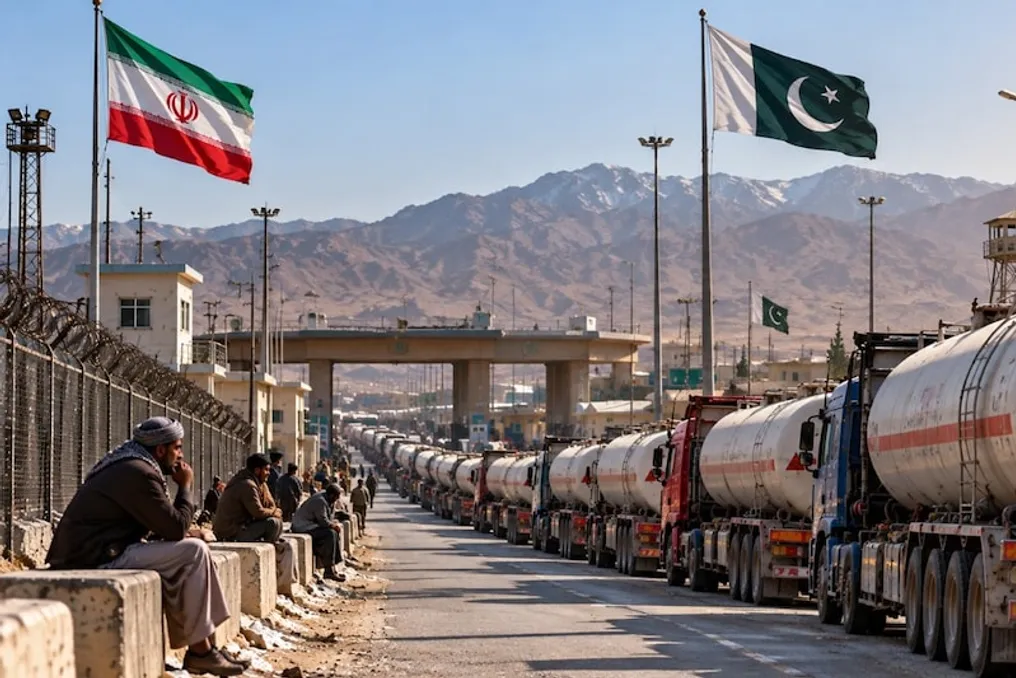
Due to the border closure, trucks carrying LPG tankers and other goods are stranded at the border, leading to a sharp spike in domestic LPG prices. The Pakistan LPG Association reports that approximately 7,000 metric tons of LPG were previously imported daily from Iran, but this import is now halted.
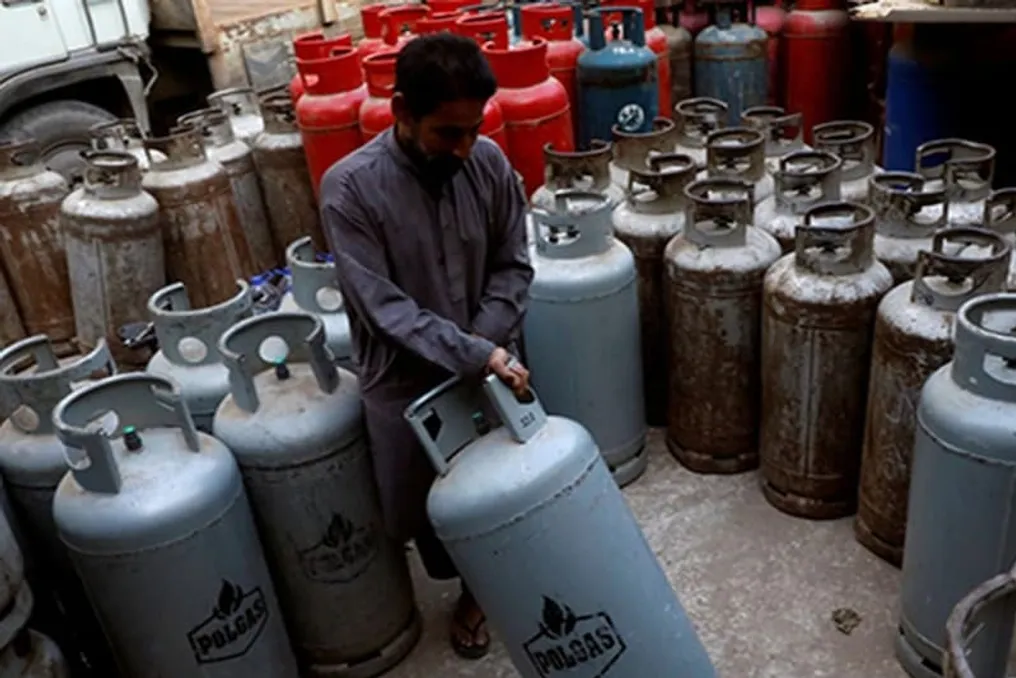
Pakistani traders note that since October 17th, LPG prices have continuously risen following the closure of two Iranian border crossings, which stopped gas imports. This energy shock is the largest and newest since the war between the US and Iran began in February. Local entrepreneurs reported that just days after the borders closed, the cost of a 12-kilogram cylinder increased by 56%, reaching 7,000 Pakistani rupees. On the open market, LPG is sold at approximately 583 rupees per kilogram.
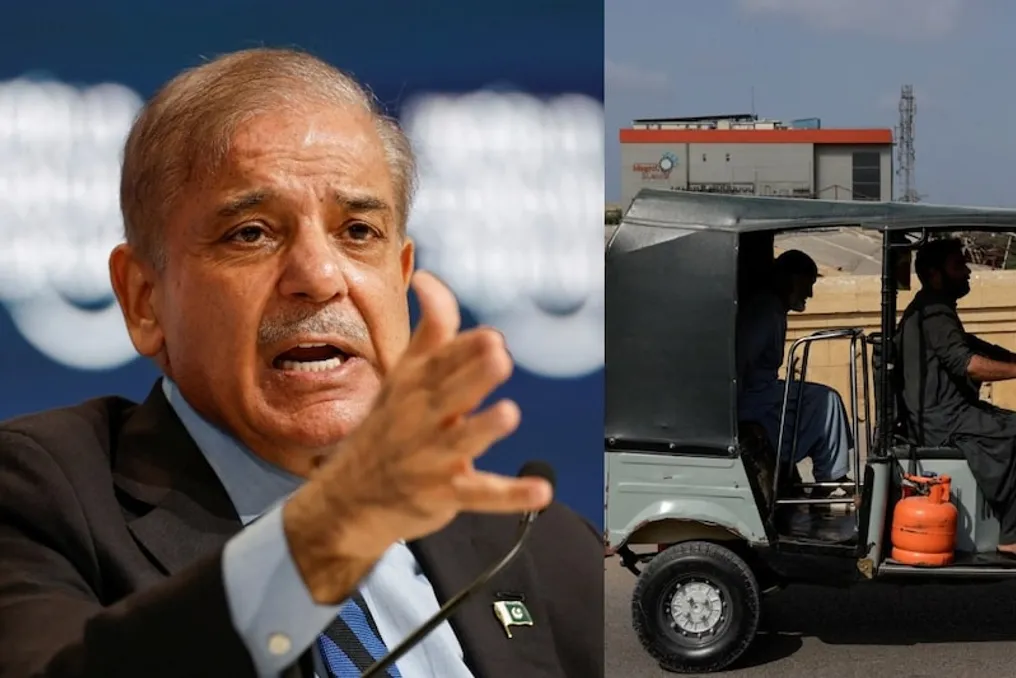
According to a Reuters report, Rashid Ali, a rickshaw driver in Lahore who has worked in East Pakistan for the last 13 years, spoke about the problems associated with the LPG crisis. His workday starts at 6 AM and often lasts until midnight, and he used to earn about $6.50 (approximately 1800 Pakistani rupees) daily, which was enough for his family's basic needs. However, due to the rise in LPG prices, he now earns less than half of that amount.
33-year-old Ali is one of thousands of Pakistani drivers whose vehicles run on LPG for cooking. He stated that he now earns only $3 a day, forcing his family to reduce their diet. He emphasized that living has become impossible due to the high cost of gas. Furthermore, he noted that passengers are unwilling to pay higher fares even when gas prices increase. According to him, for a trip that should cost 200 or 250 rupees, passengers pay only 80, 100, or a maximum of 150 rupees.
Majid Ghauri, chairman of the Awami Automobile Union, calls LPG 'fuel for the poor.' He specified that the union includes 43,000 auto-rickshaws, about 70% of which, or roughly 8,000 three-wheeled vehicles, run on LPG. While drivers face the consequences of rising LPG prices, passengers are also struggling. In a Reuters report, local passenger Mohammed Ramzan recounted that when the driver requested 500 rupees for a city trip, he offered to pay half, after which the driver refused to go.
The LPG crisis is not the only problem in the country; Pakistan is experiencing a series of crises. In October, inflation in Pakistan jumped to 9.6%. At the same time, the State Bank of Pakistan raised interest rates to 12% last week, citing rising energy and wheat prices. Prices for gasoline and diesel fuel have already increased by 40% due to the war between the US and Iran.