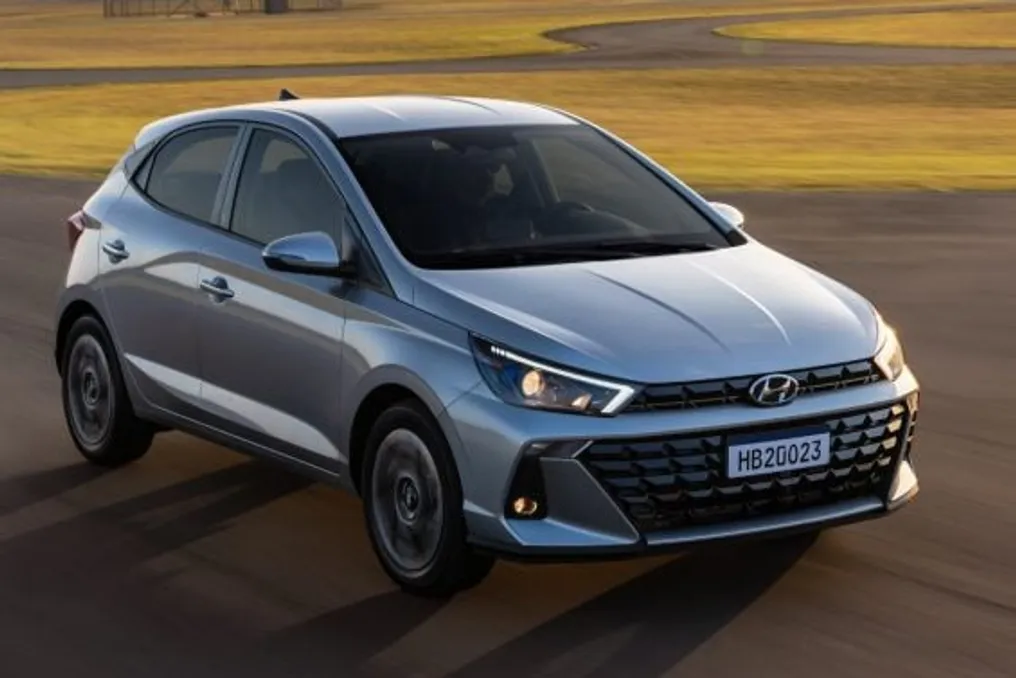
Hyundai HB20 leads sales in October, surpassing VW Polo, according to consultancy data
Read more
AutoPapo
autopapo.com.br

Hyundai HB20 leads sales in October, surpassing VW Polo, according to consultancy data

The month of October registered a 5.3% reduction in new vehicle sales in Brazil compared to September. Despite this general downturn, the Fiat Strada maintained its position as the best-selling model, according to data provided by K.Lume Automotive Consultancy. However, the second place saw a notable change.

In September, the Hyundai HB20 had taken the top spot in passenger car sales, replacing the Volkswagen Polo. The Korean compact achieved sales of 9,037 units, representing an increase of 2,723 units from the previous month.

Analysis of Model Performance

This growth of the HB20 was boosted by the decrease in sales of the VW Polo, which dropped from 11,095 units to 8,125. The Tera and T-Cross models also recorded lower sales during the analyzed period.

The third position in the ranking of best-selling cars in Brazil remained unchanged, occupied by the BYD Dolphin Mini. This model was followed by the Fiat Argo, which shows it maintains a robust sales volume, even with the imminent arrival of its new generation.

Among the vehicles that entered the top 10 in October, the Toyota Yaris Cross stood out, continuing to show an upward trend in sales. On the other hand, the GWM Haval H6 suffered a drop in positions, moving from 8th to 11th place.

Geely's performance was considered weak in October, as both the EX2 and EX5 EM-i dropped out of the top 50. The Chinese brand is preparing to begin domestic production of these automobiles, which should help meet consumer demand.

Among recent launches, the Jaecoo 5 completed its first full month of sales, registering 748 units and ranking 68th. Meanwhile, the BYD Atto 2, launched a few months ago, began deliveries to customers in October, selling 2,274 units and positioning itself close to its sibling, the Song Plus.

Similar stories

Hyundai i20 Ultimate Analysis: Model Praised for Performance
Read more
autopapo.com.br

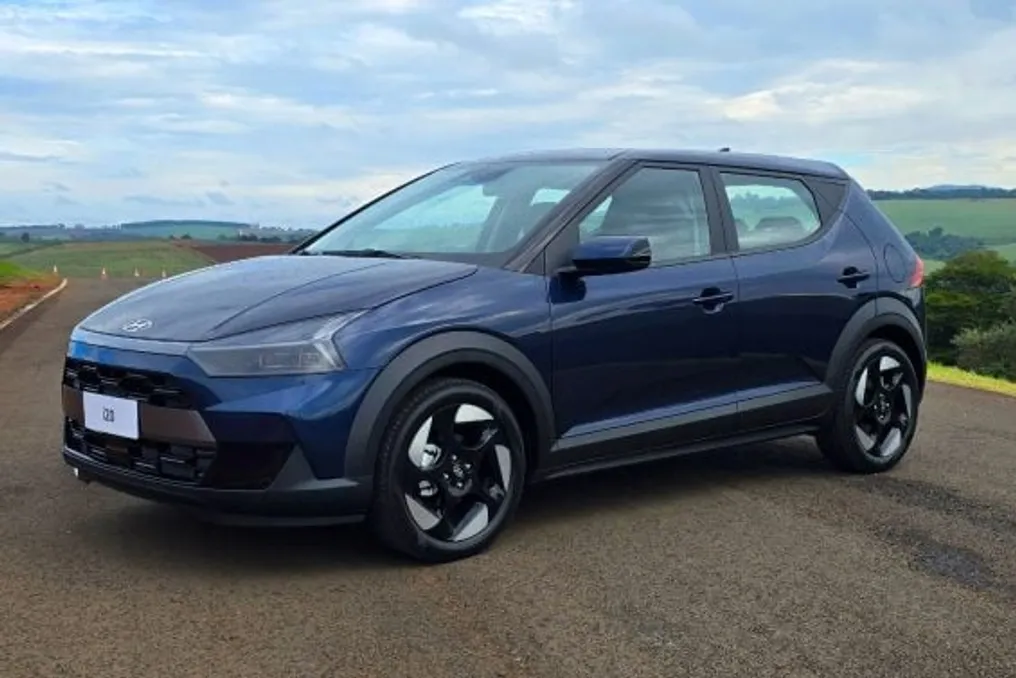
Hyundai i20 Ultimate Analysis: Model Praised for Performance

Hyundai's strategy aimed to develop a model that was closer to the Creta SUV than the HB20 hatchback, potentially even replacing it. However, the market showed resilience towards the hatchback after an initial sharp decline.

Only the derived sedan version was impacted and is scheduled to be discontinued in 2027. The manufacturer confirmed that the hatchback will continue to be produced next year. Furthermore, the compact SUV Bayon is expected to launch in the first half of 2027, and the HB20 will remain only in its most affordable version, without a turbo engine.

The vehicle dimensions are: length of 4,130 mm, wheelbase of 2,580 mm, width of 1,780 mm (2,045 mm with mirrors), and height of 1,505 mm. Volumes include 346 L for the trunk and 50 L for the tank. The total weight is 1,205 kg.

The engine is a 1.0L flex 3-cylinder turbo, generating 115 hp (E)/(G) of power and 17.5 kgfm (E)/(G) of torque. In terms of consumption (Inmetro km/L, city/highway), the values are 8.8/10.1 (E) and 12.6/14.3 (G). The estimated range (Inmetro km, city/highway) reaches 440/505 (E) and 630/715 (G). The car has front-wheel drive and a six-speed epicyclic automatic transmission.

Acceleration from 0 to 100 km/h takes 11.7 seconds (E)/(G). The analyzed i20, which functions as a crossover, presents a style closer to a hatchback than an SUV, although its wide rear pillar is noticeable and the bumper offers good protection to the trunk lid, which holds almost 350 L.

Inside, the highlight is the comfort provided by the leg, head, and shoulder space in both the front and rear seats. The large 24.6-inch screen, considering the combination of the instrument cluster and multimedia system, also draws attention. The steering wheel has good ergonomics and various controls on the horizontal spokes, including audio volume control. There is a dedicated button on the dashboard to turn on the radio and adjust speaker volume.

Both in urban and highway use, the performance is considered good, despite the existence of more powerful 1.0L turbo flex engines in the market, ranging from 10 to 13 hp. The vehicle incorporates advanced active safety features, such as autonomous braking capable of identifying pedestrians, cyclists, and vehicles (even at intersections and turns), hill start assist, and six airbags. Additionally, the good brakes, cornering behavior, precise steering, and the parking brake system with automatic engagement and release (auto-hold), considered essential in traffic, stand out.

The listed price for the model is R$ 135,700.

Hyundai aims to sell 250,000 mid-size SUVs in 2027 with Creta and Bayon models
Read more
business-standard.com

Hyundai aims to sell 250,000 mid-size SUVs in 2027 with Creta and Bayon models

Tarun Garg, Head and CEO of Hyundai Motor India Ltd (HMIL), stated on Monday that the company plans to sell at least 250,000 units of mid-size sports utility vehicles (SUVs) by 2027. This forecast is based on the rapid growth of the segment and the ability of two models—the Creta and the recently launched Bayon—to attract various customer groups.

Speaking to journalists on the occasion of the Bayon launch in Gurugram, Garg emphasized that the set target is a starting point, not an absolute limit. Bayon deliveries are expected to begin during the current festive season. Furthermore, Garg reported that HMIL anticipates selling about 170,000 units of the Creta in 2026.

According to Garg, the mid-size SUV segment in India currently accounts for 16.5 percent of the market. Over the last five years, this segment has shown a Compound Annual Growth Rate (CAGR) of 25.6 percent, and sales volume is projected to grow by 64 percent between 2026 and 2032.

Model Positioning Strategy

The size and growth dynamics of the segment allow the manufacturer to release more than one model. Hyundai intends to leverage the existing Creta customer base to promote the Bayon. However, the Bayon is positioned differently from the Creta, targeting consumers who adopt new technological solutions more quickly.

Garg clarified that the difference between the models is determined by customer attitudes and preferences, not age. The Creta relies on its established brand value and customer loyalty, while the Bayon targets those seeking a more technologically advanced experience. He noted that the Creta created the mid-size SUV market ten years ago, and the launch of the Bayon is expected to enable the company to achieve similar success over the next decade.

Hyundai market research indicated that gasoline versions will see the highest demand in the Bayon segment. The model will also receive a Compressed Natural Gas (CNG) variant in January 2027. The company decided not to offer a diesel version because too many powertrain options could complicate the assortment and confuse buyers.

Automatic transmissions are expected to account for about 25 percent of Bayon sales, with a tolerance of two percentage points. Overall, the penetration of automatic transmissions in Hyundai's portfolio is approximately 24–26 percent, with a higher share in larger models.

Data and Export Issues

Garg also stated that user data collected through the AI-based voice assistant in the Bayon will remain the property of Hyundai and will not be shared with Perplexity, whose technology provides the basic language model. The voice technology is provided by SoundHound AI and used by Hyundai globally.

The company adheres to the data privacy and security standards adopted in the US and South Korea, where regulation is significantly more developed than in India. Garg stressed that although some laws have not yet been enacted in India, they exist in the US and Korea in a much stronger form.

Despite the decline in the sedan market, Hyundai will continue to sell the Verna because exports make this model viable. The Verna is the company's best-selling exported vehicle; including exports, its sales reach 40,000–50,000 units annually, whereas domestic sales are around 7,000–10,000 units. Garg stated that the Verna plays a very important role in the portfolio, and the company intends to continue producing it despite the downturn in the segment.

Hyundai plans to start exporting the Bayon two to six months after its domestic launch, following the company's standard product export strategy. The export destinations will be announced later. The SUV will be manufactured at the Hyundai plant in Chennai and is intended for more than 50 markets worldwide.

Garg also clarified that HMIL's five-year investment plan for 2025–2030 and Hyundai Motor Group's commitment of $15.5 billion for 2026–2032 overlap. Planned expenditures for 2025 will be adjusted according to the broader group plan, with additional funding expected for the Indian subsidiary.
Hyundai confirms it will keep the HB20 as the entry-level car in 2027, in the range of R$ 90 thousand to R$ 100 thousand
Read more
autopapo.com.br

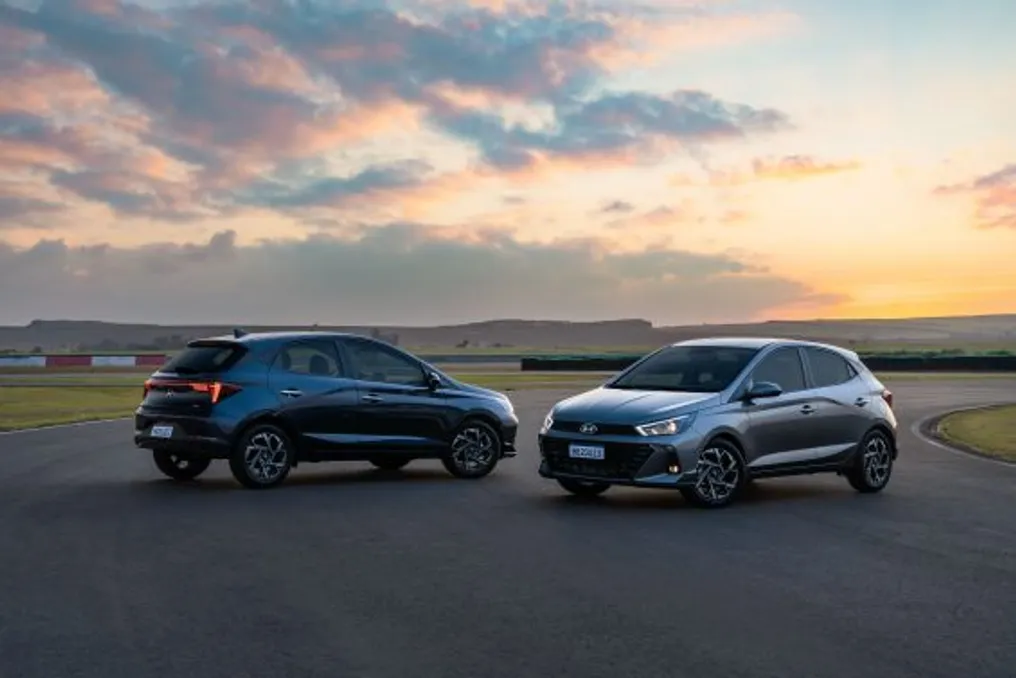
Hyundai confirms it will keep the HB20 as the entry-level car in 2027, in the range of R$ 90 thousand to R$ 100 thousand

Hyundai informed the press that the HB20 model will continue to be sold in 2027 as the brand's entry-level car in Brazil. The versions of this hatchback will be concentrated in the price range between R$ 90 thousand and R$ 100 thousand, and its presence will not be replaced by the arrival of the i20.

This strategic reorganization aims to prevent the two compact vehicles from competing for the same consumer. The i20, which was introduced in June, will be positioned at a higher level, situated between the hatchback models and SUVs.

Currently, the prices of the two models are very close: the HB20 starts at R$ 96,140, while the i20 starts at R$ 99,990. Above these values will be the Creta and, in the future, the Bayon, a compact SUV derived from the i20, expected in 2027.

At the moment, the HB20 registers a significantly higher sales volume than its counterpart. According to Fenabrave, 53,589 units were registered between January and September. In September alone, the hatchback achieved 6,314 registrations, which is more than four times higher than the 1,404 registered by the i20.

To remain at the base of the product line, the HB20 will favor versions equipped with the 1.0 naturally aspirated engine, as, according to Hyundai itself, these versions have historically represented the largest share of the model's sales. However, the manufacturer did not specify whether the turbo options will be discontinued.

Furthermore, there are plans to launch a new version that will incorporate more technology and comfort features for a price under R$ 100 thousand. Details regarding name, price, and equipment list will be disclosed in the coming months.

Among the commercial initiatives planned for 2027, the year the HB20 will complete 15 years in the market, there will be an offer targeted at micro-entrepreneurs who use the vehicle for passenger transport via applications. This specific audience will have differentiated purchase conditions for the Comfort version, and this modality will also cover versions of the i20 and Creta.

The HB20, originally launched in October 2012, was the first Hyundai vehicle developed and manufactured in Brazil. Currently, the hatchback, the i20, and the Creta share the assembly lines of the brand's factory located in Piracicaba, São Paulo.

Popular