Moonshot AI has released a comprehensive solution for creating games and creative works, based on the Kimi K3.1 model series, Kimi Code and Kimi Work products, as well as plugins for professional tools including Unity, Unreal Engine, and Blender.
According to the company's statement, this package is designed to help studios accelerate game concept testing, advance engineering and artistic production, and integrate player feedback gathered during launch and operation back into the next development phase.
In the description, the Kimi model is capable of analyzing design documents, screenshots, source code, and 3D assets, after which it plans the necessary work. The Kimi Code product handles implementing changes within an existing codebase, while Kimi Work takes on multi-stage production tasks spanning multiple files.
Thanks to plugins and tool calls, Kimi can directly interact with existing projects, returning editable files to the user along with a report of completed actions. In Unity and Unreal Engine environments, upon receiving necessary access rights and project files, the system first maps the code structure, scene hierarchy, and module dependencies, then makes changes via editor plugins, and finally verifies the result through playback steps, logs, and execution data. For engineers, reports on code differences and verification records are maintained.
For operations in Unity, the Kimi models utilize the Tuanjie Codely Agent, a gaming agent from Unity China integrated into the Tuanjie Engine. Kimi interprets the developer's intentions, writes code, and analyzes testing results and screen recordings, while the Codely agent performs operations within the engine using editor scripts and runtime. During one demonstration, Kimi showed that it could operate for 20 hours without human intervention, recreating an existing game and generating a native project ready for further development.
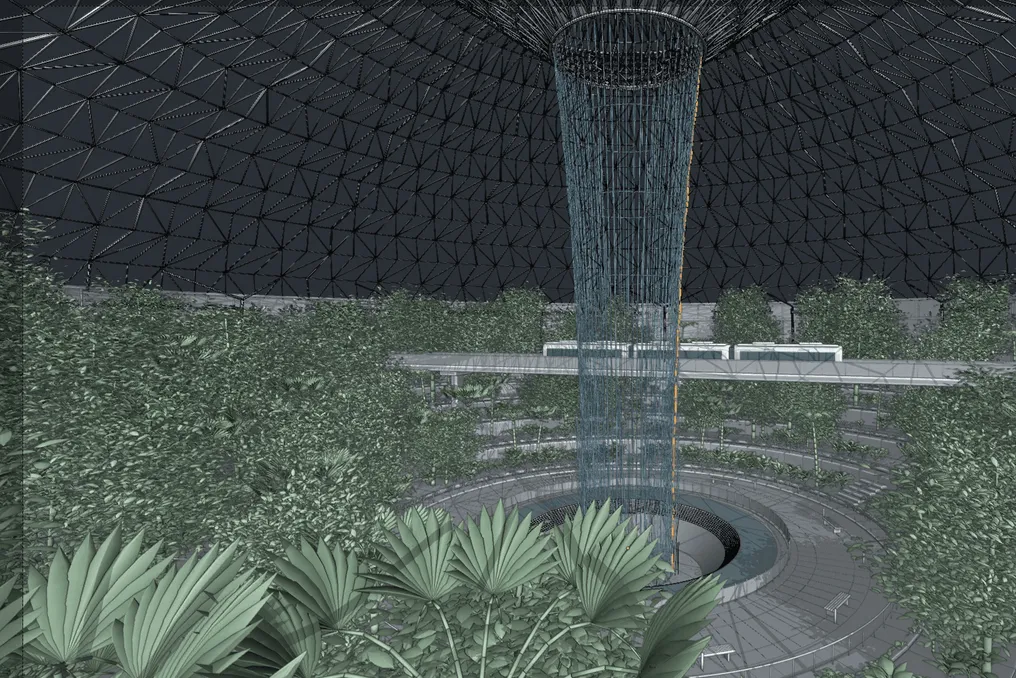
The launch page features several demo builds created using Kimi K3.1 Pro. An internal jungle valley was constructed in Blender, and a 17.5-second flythrough was rendered at 1920x1080 resolution and 60 frames per second, alongside a cathedral interior in the browser containing approximately 3.3 million triangles and 8368 animated components. In Unreal Engine 5.8, a celestial palace scene was created featuring a colonnade of 36 arches with a 1750-meter radius and a procedurally modeled dragon totaling 36 million triangles, rendered using Nanite and Lumen. Kimi also claims that designers without programming experience can create playable prototypes in Godot within one or two days.
In addition to production tasks, this solution includes batch creation of advertising creatives, integration of in-game assistants via the Kimi API, sorting community feedback with source attribution, preparing localization drafts with back-translation checks, and initial selection of user-generated content. Kimi advises teams to start with one clearly defined task and evaluate pilot projects based on criteria such as time saved, quality of the result, and volume of required human refinement.