Anatel faces financial difficulties and risks not paying for its own data center in Brasília
Read more
Tecnoblog
tecnoblog.net

Anatel faces financial difficulties and risks not paying for its own data center in Brasília

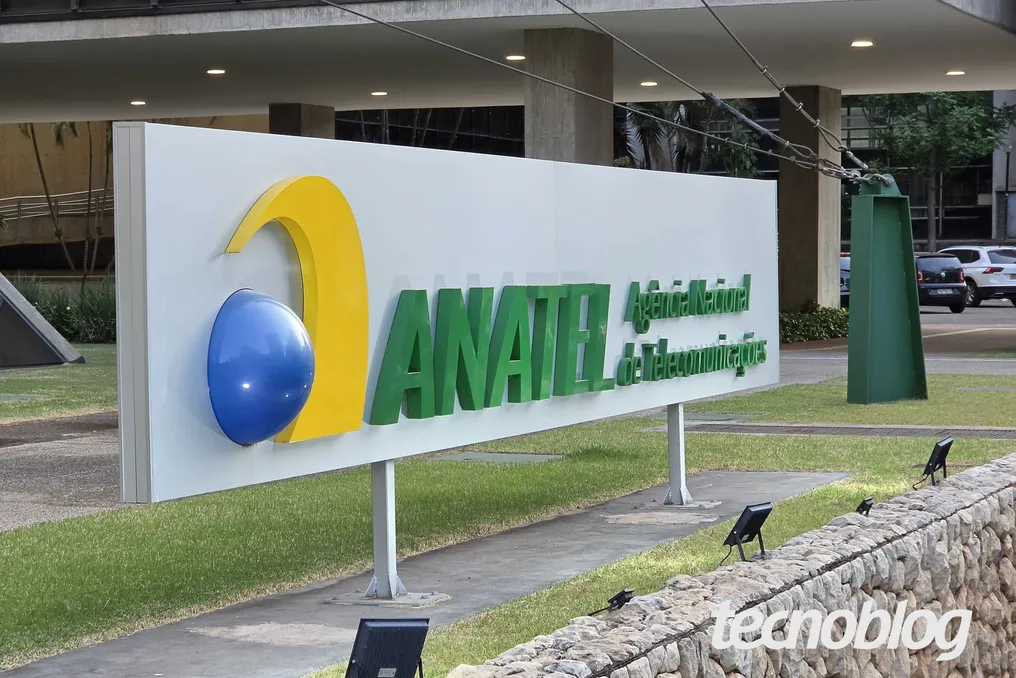
According to a report by the newspaper Folha de São Paulo published this Tuesday (03/11), Anatel is reportedly facing financial problems to cover the costs of its own data center located in Brasília.

The National Telecommunications Agency notified the Federal Government about the need for R$ 30.76 million to settle invoices related to this project.

Additionally, the agency is said to have a shortage of funds to cover basic operating expenses. President Carlos Baigorri approached the Ministry of Planning last week with the aim of requesting the release of R$ 30 million, but similar requests have not been accepted by the National Treasury at previous times, as reported by Folha.

Anatel justifies the lack of funds due to a block of R$ 51.83 million established in May. Furthermore, there has been a 19% decrease in the discretionary budget, which is allocated for both investments and operational costs.

The data center contract was signed in December 2025, with a total value of R$ 44.95 million, covering everything from necessary equipment to maintenance and warranty services. When contacted, Anatel did not comment on the values mentioned in the Folha investigation, but warned that the continuation of budgetary and financial limitations could force the adoption of new spending reorganization measures.

Similar stories

Federal financing program for ride-share drivers reaches one-third of initial goal
Read more
autopapo.com.br

Federal financing program for ride-share drivers reaches one-third of initial goal

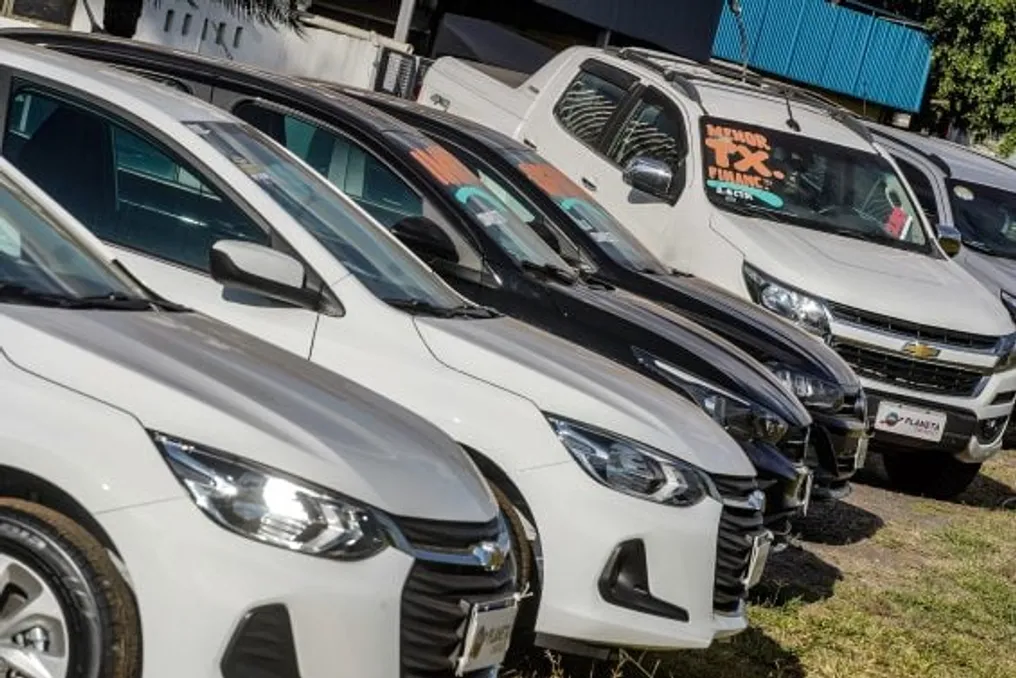
The Move Brasil, a government initiative aimed at facilitating vehicle acquisition for taxi drivers and ride-share drivers, has reached only one-third of its established goal. As of Monday, the 26th, 65.8 thousand vehicles have been financed, according to data provided by the National Bank for Economic and Social Development (BNDES).

At the time of its launch in May, BNDES president Aloizio Mercadante had projected the sale of at least 200 thousand cars. The total amount of credit approved and contracted sums up to R$ 6.9 billion, representing approximately 23% of the total limit of R$ 30 billion made available by the program.

The Ministry of Development, Industry, Trade and Services (Mdic) assesses the performance as positive. According to the ministry, the sales volume exceeds more than three times what the sector would buy in four months at the usual pace, which was estimated by the National Federation of Automobile Distribution at 4.4 thousand vehicles per month.

It is important to note that simple acceptance into the program does not guarantee the loan; after registration approval, the driver must seek a financial institution, which will analyze their history and repayment capacity.

Rogério Rodrigues da Silva, a 44-year-old driver interviewed by Folha de S.Paulo, chose to replace his rented vehicle with a financed one. He reported that the monthly cost remained similar, but the big advantage lies in finalizing the contract with an asset that can serve as a down payment for a future car.

On the other hand, Júnior Santana, 50 years old, prefers to maintain the rental model, costing about R$ 3,600 per month. He travels approximately 300 kilometers daily, and the lease agreement covers expenses such as maintenance, tires, and suspension.

Over time, the program has undergone important adjustments: in August, the maximum value limit for cars was raised from R$ 150 thousand to R$ 200 thousand, and the maximum amortization period became 84 months. In September, the program was transformed into permanent law, which resulted in the reduction of the minimum registration time required for ride-share drivers from 12 to 6 months.

The maximum interest rates established are 12.6% per year for men and 11.5% for women, values considered lower than those practiced in the market, according to the Mdic. Banco do Brasil, the largest participant, reported that 54% of the financing granted to taxi drivers and ride-share drivers was destined for electric vehicles.

Cyberattack hits company in Hyderabad: Over 3.3 crore rupees stolen in 87 minutes
Read more
www.aajtak.in

Cyberattack hits company in Hyderabad: Over 3.3 crore rupees stolen in 87 minutes

A major cyber fraud occurred at one of the Non-Banking Financial Companies (NBFC) in Hyderabad. The perpetrators managed to gain access to the company's systems and its Application Programming Interface (API). As a result, over 3.3 crore rupees were withdrawn from the company's account in just 87 minutes, involving 183 transactions, with funds transferred to 52 suspicious accounts.

Currently, only about 40 lakh rupees have been frozen, meaning a significant portion of the alleged stolen amount is still under investigation.

This incident took place at an NBFC that provides lending and other financial services. According to the statement filed with the police, continuous suspicious transactions were made from the company's bank account between 10:31 AM and 11:58 AM on October 19. A total of 183 transfers were executed, moving over 3.3 crore rupees to various accounts.

Analyzing the data makes it clear: 87 minutes, 183 transactions, and 52 bank accounts. On average, this meant more than two transactions per minute. Initial investigations suggest that the funds were quickly distributed across multiple accounts. Police reported that the amount of each individual payment ranged from 50 thousand to 2 lakh rupees.

Investigative bodies are currently determining which specific accounts received the money, where it was subsequently redirected, and who is behind the entire network.

A crucial aspect of this case is how the attackers gained access to the company's system and its API. An API is a digital channel through which two software or systems exchange information and operate according to predefined instructions. In financial companies, APIs are used to connect various digital services and systems.

If any person or group gains unauthorized access to such systems and successfully bypasses security measures, it can be misused. However, the method of the hack in this case—what vulnerabilities were exploited by the criminals and how they managed to access the system—has not yet been determined.

Therefore, the company has requested system logs, API logs, transaction records, bank statements, and internal reports as part of the investigation.

The main question in this case is exactly where the millions of rupees went. According to an official from the Telangana Cyber Security Bureau (TGCSB), approximately 40 lakh rupees have been frozen in suspicious accounts so far to prevent their withdrawal or transfer.

Comparing the fraud amount, exceeding 3.3 crore rupees, with the frozen 40 lakh rupees shows that the majority of the damage is still under intense scrutiny by investigators. The company's Chief Financial Officer (CFO) filed a complaint with the Telangana Cyber Security Bureau on October 20. This complaint requested an investigation into the cyberattack, the identification of the responsible parties, and the freezing of suspicious accounts. On the same day, the company notified the incident via the National Cybercrime Reporting Portal.

Following this, investigative agencies began collecting digital evidence and records related to the transactions. The investigation is ongoing. The company faces an estimated loss of over 3.3 crore rupees, with only about 40 lakh rupees known to be frozen.
Popular