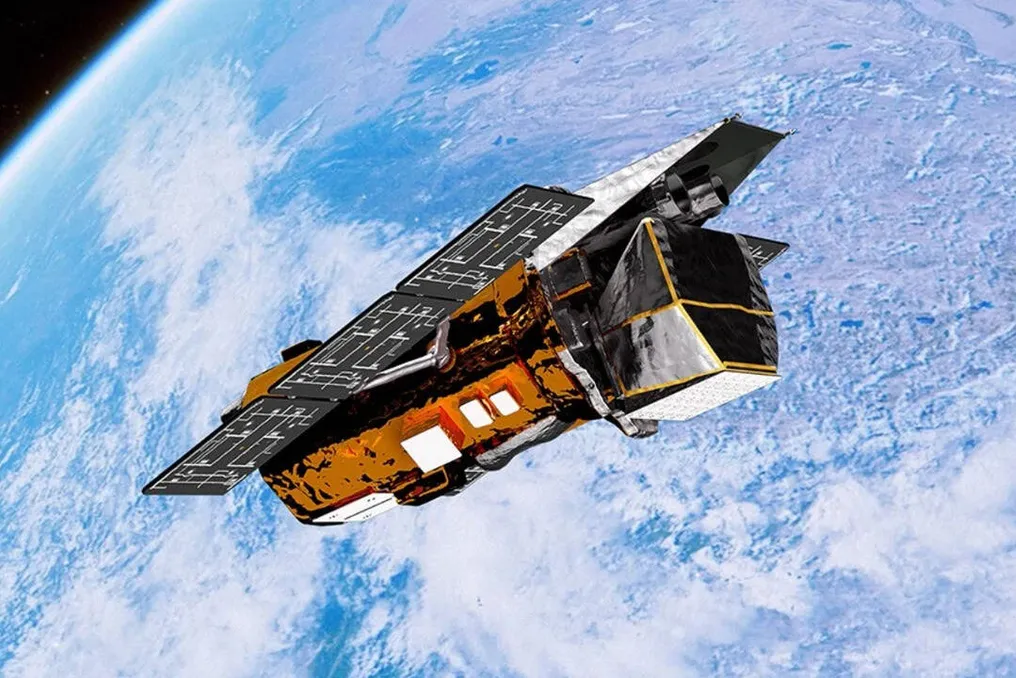
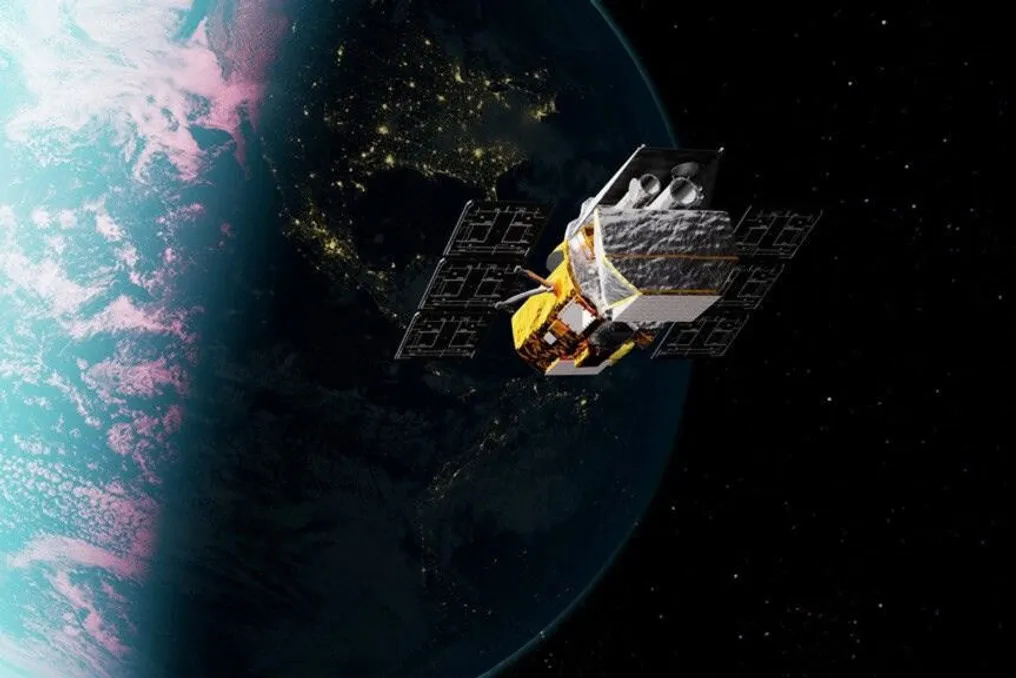
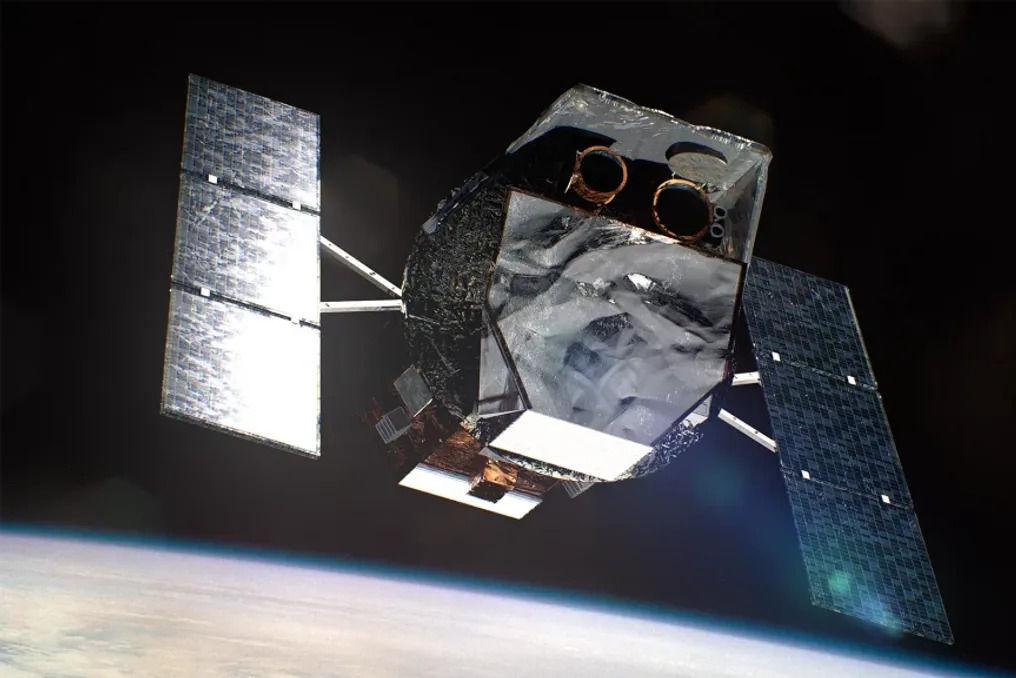
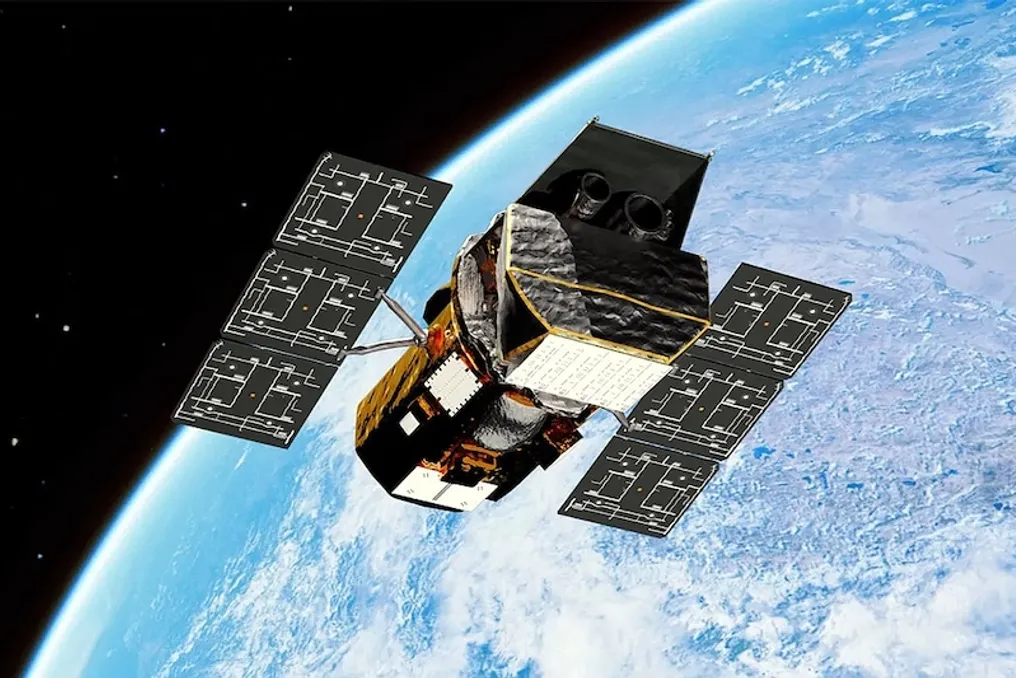
The Neil Gehrels Swift Observatory, belonging to NASA and orbiting for more than twenty years, is scheduled to fall to Earth on Wednesday morning (4th). The decrease in orbital altitude, caused by friction with atmospheric gases, has made remote control of the satellite impossible for ground operators.
Throughout its two decades of operation, the satellite employed three specific scientific instruments to identify and study gamma-ray bursts (GRBs), considered the most intense magnetic and energetic events known in the Universe: the Burst Alert Telescope (BAT), the X-ray Telescope (XRT), and the Ultraviolet and Optical Telescope (UVOT).
Marcelo Zurita, president of the Paraíba Astronomy Association (APA) and member of the Brazilian Astronomical Society (SAB), explained that, to orbit the Earth, an object needs a speed of approximately 27 thousand kilometers per hour, which generates a centrifugal force that balances gravitational attraction. He added that after completing its mission, many spacecraft remain in low orbit, where atmospheric particles cause drag, gradually decreasing the object's speed until gravity takes over.
An attempt by NASA to recover the structure using a robotic mission from a partner company was unsuccessful. The plan failed because the rescue craft faced serious problems with its stabilization system, began to spin uncontrollably, and consumed excess fuel, preventing docking.
Unable to stabilize the orbit, the satellite followed an irreversible descent trajectory. Zurita detailed that with each trip around the Earth, drag further reduces the speed, forcing the satellite to reach lower and denser layers of the atmosphere, which offer greater resistance. This is a one-way course, as the orbit deteriorates until the point of rupture, at which time extreme heat and mechanical deceleration will cause its fragmentation and combustion, typically resulting in only a few debris pieces.
The inclination of the Swift's orbit defines the areas of the planet that may receive fragments from the observatory, covering part of South America and Brazilian territory, although this does not guarantee that the fall will occur specifically there. In a statement released on Monday (2nd), NASA informed that the US Space Force predicts the reentry of the spacecraft, estimated to weigh 1,450 kg, around 5:30 AM (Brasília time) this Wednesday (4th), with an error margin of 11 hours.
According to Zurita, based on data from SatFlare.com, the estimate is 6:57 AM, with an error margin of 6 hours. The specialist mentioned that during the predicted reentry period, the equipment will pass over Brazil six times, and the chances of the fall occurring over the country are approximately 4%. However, Zurita assured that there is no reason to worry, as the very high speed of reentry causes the atmosphere to almost completely disintegrate the object. Atmospheric gases are heated and ionized, creating a large fireball visible hundreds of kilometers away, and the heat vaporizes up to 80% of the material, with the remainder being fragmented by air resistance and reaching the surface in a practically harmless manner.
NASA also emphasized that the risk of causing damage to any person on Earth is extremely low, with a probability of about 1 in 2,100. Much of the main structure of the telescope is composed of aluminum and lightweight materials that melt quickly under the intense fire generated by high speed. Only more robust metal parts can withstand the high temperatures and reach the ground without being completely vaporized during the rapid transit through the Earth's atmosphere, contradicting some initial projections by engineers.
The continuous increase in uncontrolled reentries reflects the rapid growth of recent space launches conducted by various private companies globally. Because of this, aerospace engineers advocate that future satellites be manufactured with more appropriate materials, designed to completely disintegrate at the end of their space life, preventing persistent orbital pollution.
Governments and private companies are debating new regulations to curb the growth of space debris. Sustainability beyond the planet has become an urgent issue to ensure future safety, demanding large investments in clean technology and safe deactivation plans for all equipment launched by modern space agencies. Constant monitoring helps protect lives and property against unforeseen accidents caused by old debris that completes its useful life cycle by reentering the Earth's atmosphere in a disordered and unpredictable manner over the last few years.
The international scientific community closely monitors the developments of this historic reentry while planning more effective methods to manage the growing flow of obsolete satellites orbiting our planet at this time of technological advancement. Events like this underscore the urgent need for stricter standards for the global space sector, ensuring that scientific progress moves in harmony with environmental safety and the preservation of terrestrial life.