Uzbekistan implements BTEC qualifications in 45 additional colleges
Read more
UzDaily
uzdaily.uz

Uzbekistan implements BTEC qualifications in 45 additional colleges

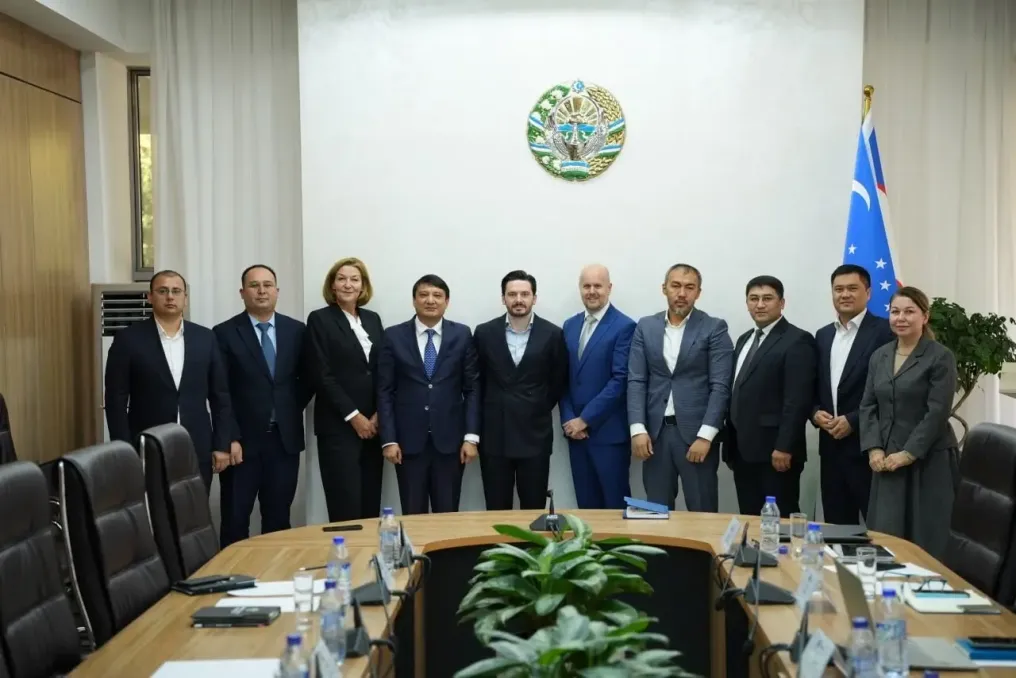
The international education company Pearson and the Agency for Vocational Education of Uzbekistan are expanding their cooperation in personnel training. As part of the next stage of the BTEC international professional qualifications program, these qualifications will be introduced in 45 additional state technical colleges across the country.

It is expected that 3,500 more students will begin studying under these programs in the 2026/2027 academic year. This initiative is part of the national strategy 'Uzbekistan-2030' and aims to modernize vocational education, improve the quality of specialist training, and expand employment opportunities for youth.

BTEC programs will cover areas of importance to the national economy, including engineering, information technology, construction, tourism, hospitality, healthcare, and social care.

Teacher Training and International Educational Standards

Teacher training is a key element of this partnership. Pearson and the Agency for Vocational Education are working to ensure that educational institutions and teaching staff are ready to launch the new programs. More than 380 teachers from the vocational education system have already completed week-long training courses in Tashkent.

The training focused on improving teaching methods, approaches to assessing students' knowledge and skills, and student support systems. Special attention was paid to practical assignments simulating real work situations, as this approach is fundamental to BTEC programs focused on developing practical skills demanded by employers.

Jane Baker, Vice President of Pearson for Professional Qualifications, noted that this expansion will allow youth in various regions of Uzbekistan to obtain internationally recognized certificates. She emphasized that a technical college student in Samarkand or Nukus should have the opportunity to receive a qualification recognized by employers in Tashkent or abroad.

Azimjon Husanov, Director of the Agency for Vocational Education, also highlighted the significance of this partnership for integrating Uzbekistan's vocational education system into the international educational environment. He stated that cooperation with Pearson is an important step towards bringing the system in line with global standards, providing youth with practical skills that meet the requirements of both domestic and international labor markets.

Further Education and Employment Opportunities

Pearson BTEC qualifications are recognized in over 70 countries. Their educational model is based on practical tasks and the assessment of professional competencies, allowing students to acquire knowledge and skills directly applicable to their future careers. These qualifications are valued by employers and educational institutions, opening up additional prospects for graduates for professional growth and further university studies.

The expansion to 45 state technical colleges marks another stage in the widespread implementation of international educational standards in Uzbekistan. An increase in the number of participating institutions and coverage of more youth across the country is planned. Overall, the interaction with Pearson reflects Uzbekistan's commitment to making vocational education more practice-oriented and closely linked to the needs of the economy, which is particularly relevant amid technological changes and growing demand for specialists with specific professional skills.

The introduction of BTEC programs is intended to expand youth access to competitive education, improve workforce preparation, and strengthen the links between the vocational education system and the labor market.
Similar stories

Uzbekistan will transfer technical schools to businesses for 15 years to improve vocational education
Read more
uzdaily.uz

Uzbekistan will transfer technical schools to businesses for 15 years to improve vocational education

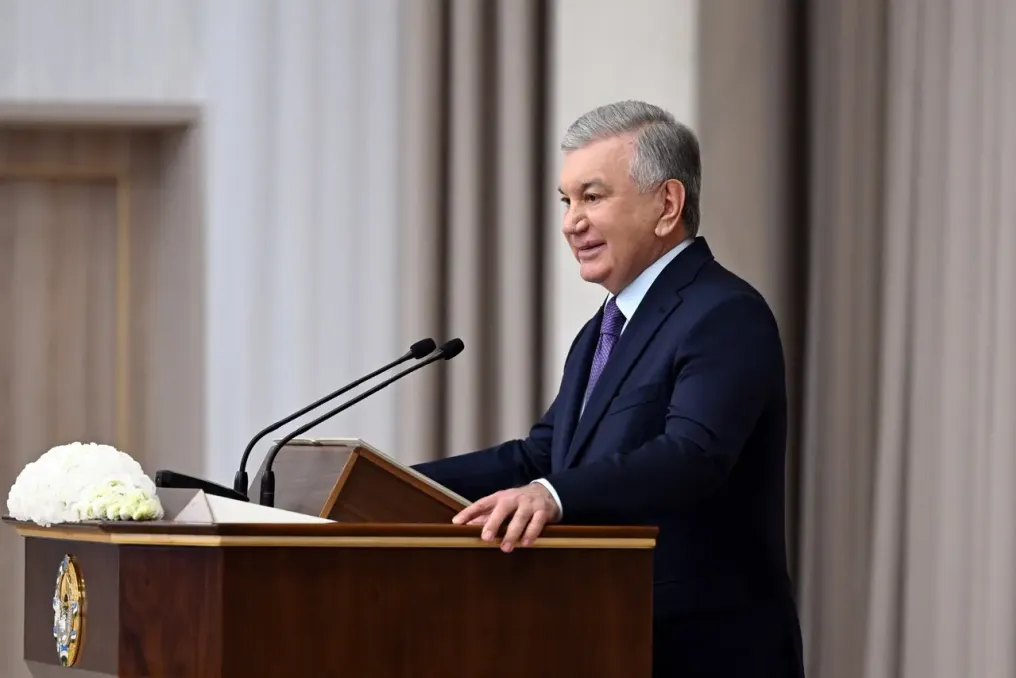
As part of efforts to increase private sector participation in vocational education and improve overseas employment opportunities, Uzbekistan plans to transfer two or three technical educational institutions in each region to the management of large private enterprises for a period of 15 years. These plans were announced on November 2 at a meeting chaired by President Shavkat Mirziyoyev dedicated to labor migration.

The President noted the growing demand for skilled workers in construction, industry, and logistics both domestically and internationally. However, the existing professional training system does not yet fully meet employer requirements.

To solve this problem, the government intends to more actively involve entrepreneurs in managing technical schools and develop direct cooperation between educational institutions and foreign companies. It is expected that at least 30,000 specialists will be trained annually in the institutions transferred to business management, who can immediately start working after completing the courses and receive state-recognized certificates.

Example of private sector participation in workforce training

As an illustration of private sector involvement in workforce training, Mirziyoyev cited the Tashkent Pipe Plant in the Sergely district of the capital. This company offered to train 2,500 welders, electricians, and mechanics annually using its own experienced specialists.

State support for companies involved in training personnel

The government plans to introduce tax and financial incentives to encourage business participation in vocational education. Companies will be able to reduce their taxable base by deducting expenses related to specialist training and providing equipment for technical schools. A grant system is also provided to encourage organizations for every graduate successfully employed abroad, although the size of the grants and distribution procedures have not yet been determined.

Educational institutions will also interact directly with foreign employers to train specialists according to the requirements of specific vacancies. Mirziyoyev expressed confidence that leading entrepreneurs will help the state form a brand of Uzbek specialists abroad.

Furthermore, the President instructed officials to select 20 technical schools within a month to adapt their educational programs to the needs of foreign employers, starting in 2027. According to information presented at the meeting, large companies from Germany, Japan, and South Korea are interested in having the specialists they need trained directly in Uzbekistan.

Mirziyoyev criticized the current vocational education system, demanding that technical schools achieve more practical results, and that young people acquire in-demand professional skills and foreign language knowledge before graduation.

International recruitment agencies planned for 2027

The meeting also discussed improving conditions for the employment of Uzbek citizens abroad. Presidential press secretary Sherzod Asadov reported that Mirziyoyev emphasized the growing role of large international recruiting companies in connecting employers with qualified specialists. The President ordered the creation of conditions for such companies to operate in Uzbekistan, including permission for independent specialist training and their direct employment abroad. It is expected that two large international recruiting companies will begin operating in the country in 2027.

It was also reported that in 2026, opportunities for the employment of 287,000 Uzbek citizens were identified in 34 countries. Meanwhile, Mirziyoyev pointed to the public's insufficient awareness of available vacancies and problems in cooperation between the Migration Service and representatives of 'mahalla seven'—a local group of community-level officials.

The President stated that this system would also be changed: 'In migration matters, we need quality, not numbers.' He instructed officials to ensure that information about foreign vacancies reaches every mahalla. Every employer's request must contain information about the country where workers are needed, qualification requirements, necessary language skills, and available training opportunities. 'Mahalla seven' will inform residents about vacancies and enter data on individuals interested in working abroad into the Mahalla online platform.

Regional governors and relevant departments will be responsible for organizing professional and linguistic training for candidates and assisting with subsequent employment. Regional governors will conduct progress checks monthly, and district heads twice a month.

Plans to expand private vocational education were previously developed

The involvement of entrepreneurs in vocational education was discussed previously. In June 2026, the President reviewed proposals to expand private vocational training. At that time, plans were announced to increase the number of training and certification centers operating according to international standards from 50 to 200 over three years. It was expected that the annual number of people covered by private vocational education would increase from 45,000 to 500,000.

The proposals included revising over 300 educational programs, improving the qualifications of more than 1,000 teachers and instructors, and allocating 500 billion soms from the Employment Fund. Other proposed support measures for private training centers included preferential loans, partial reimbursement of equipment costs, attracting foreign teachers, and providing free state buildings.

Uzbekistan seeks opportunities for practical training of specialists in the nuclear industry
Read more
uzdaily.uz

Uzbekistan seeks opportunities for practical training of specialists in the nuclear industry

Participants of the National Youth Nuclear Dialogue in Tashkent proposed expanding practical training opportunities for future nuclear industry specialists. Proposals include organizing short-term internships, broader access to NPP simulators, and creating a unified information resource on nuclear technologies.

The dialogue was held as part of the international initiative Impact Team 2050. Students, young researchers, representatives of industry organizations, relevant state agencies, universities, and youth associations took part.

Following an open discussion with industry leaders, participants continued discussions in working groups. They reviewed issues of education, career prospects, professional counseling, regional infrastructure, and public opinion regarding nuclear energy.

How students can gain practical experience during their studies

One of the key topics was gaining practical experience by students parallel to their studies. Mukhiddin Umidov, a member of the International Advisory Council of Impact Team 2050 Youth, noted that participants suggested mini-internships lasting from two to four weeks. He added that this format would allow students to strengthen theoretical knowledge through practical work and familiarize themselves with the activities of relevant organizations.

Young people also expressed a desire to gain this experience abroad, directly at nuclear power plants. Umidov reported hearing similar requests previously upon completing their bachelor's degrees and continues to hear them, which, in his opinion, indicates the youth's interest in professional development.

Another proposal was to provide students from other engineering universities with access to simulators at the Tashkent branch of the National Research Nuclear University MEPhI. Participants also discussed access to information about nuclear professions for youth in the regions of Uzbekistan.

Umidov mentioned that during the discussions, questions were raised about introducing youth to the industry and providing opportunities for practical experience, citing examples of career counseling meetings with schoolchildren and youth in Jizzakh and emphasizing the need to expand such events.

Raising awareness about nuclear professions

Another priority was raising youth awareness about nuclear professions. It was proposed to create a unified information resource containing industry news and technical information, and to use social media to explain complex topics in a more understandable language.

During the open session, Uzatom Director Azim Ahmedkhadzhayev emphasized the need to train specialists for Uzbekistan's developing nuclear energy sector. He stated that Uzbekistan's nuclear energy sector is at a critical stage, as the country is creating an entirely new high-tech industry, launching large-scale infrastructure projects, expanding international cooperation, and simultaneously forming a national personnel training system. He stressed that 'behind every technology are people.'

Participants' proposals were presented through group discussions and an online survey. Organizers are currently analyzing the collected data and recommendations. Umidov reported that they are carefully studying the responses from the online survey and the presentations of the working groups to identify the main proposals and understand the barriers highlighted by the youth. Based on this work, recommendations are planned to be developed to expand youth professional opportunities and raise awareness about nuclear energy.

It is expected that Uzbekistan's proposals will be included in the overall Impact Team 2050 roadmap. This document aims to gather the results of youth nuclear dialogues from different countries and provide recommendations on overcoming obstacles to a career in the nuclear sector.

The roadmap is scheduled to be presented to Rosatom CEO Alexey Likhachev at a meeting within the UN Climate Change Conference COP31, which will take place in Antalya, Turkey, from November 9 to 20.

Uzbekistan and IOM plan to expand citizen training for working abroad
Read more
uzdaily.uz

Uzbekistan and IOM plan to expand citizen training for working abroad

Uzbekistan intends to begin expanding language and professional training programs for its citizens seeking employment abroad starting in 2027. These programs will be adapted to the requirements of foreign employers.

The discussion of these plans took place on October 19, 2026, between Migration Agency Director Muksinhudjoy Abdurakhmonov and International Organization for Migration (IOM) representative Andrew Gray.

It is planned that the training will include targeted courses in languages and professional skills lasting from three to six months. Furthermore, Uzbekistan aims to increase the number of qualified workers employed in other countries.

Developing labor mobility with Sweden

Another topic of discussion was the development of labor mobility in cooperation with Sweden. According to agreements between the two states, the parties intend to create a pilot employment mechanism, study work permit issuance procedures, and assess approaches to determining labor market needs.

Officials also spoke about expanding pre-departure training for citizens planning to work abroad. In addition to linguistic and professional competencies, the training programs will cover workers' rights, financial literacy, employment contract terms, and working conditions in host countries.

Increased attention will be paid to protecting potential migrants from cyber threats and online fraud. The INTIL center is expected to become one of the main venues for conducting this training.

Andrew Gray noted that foreign countries and employers are showing growing interest in specialists from Uzbekistan. Following the meetings, both sides emphasized that the effectiveness of their cooperation should be assessed not by the number of events held, but by the real benefit it brings to citizens. The main priorities will be training specialists who meet the demands of foreign employers and increasing citizens' readiness for employment outside Uzbekistan.

Popular