India will oppose EU carbon tax at COP31, insisting on the use of fossil fuels for energy needs
Read more
The times of India
timesofindia.indiatimes.com

India will oppose EU carbon tax at COP31, insisting on the use of fossil fuels for energy needs

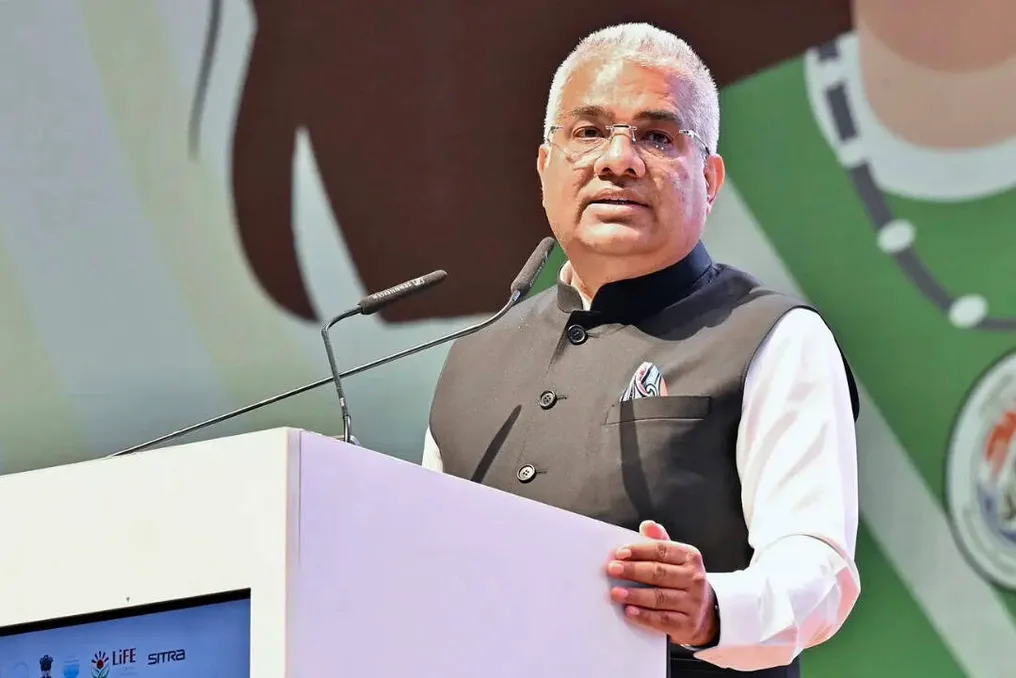
India's Environment Minister Bhupender Yadav stated on Tuesday that India will defend the interests of its domestic industry against unilateral trade barriers such as the European Union's Carbon Border Adjustment Mechanism (CBAM).

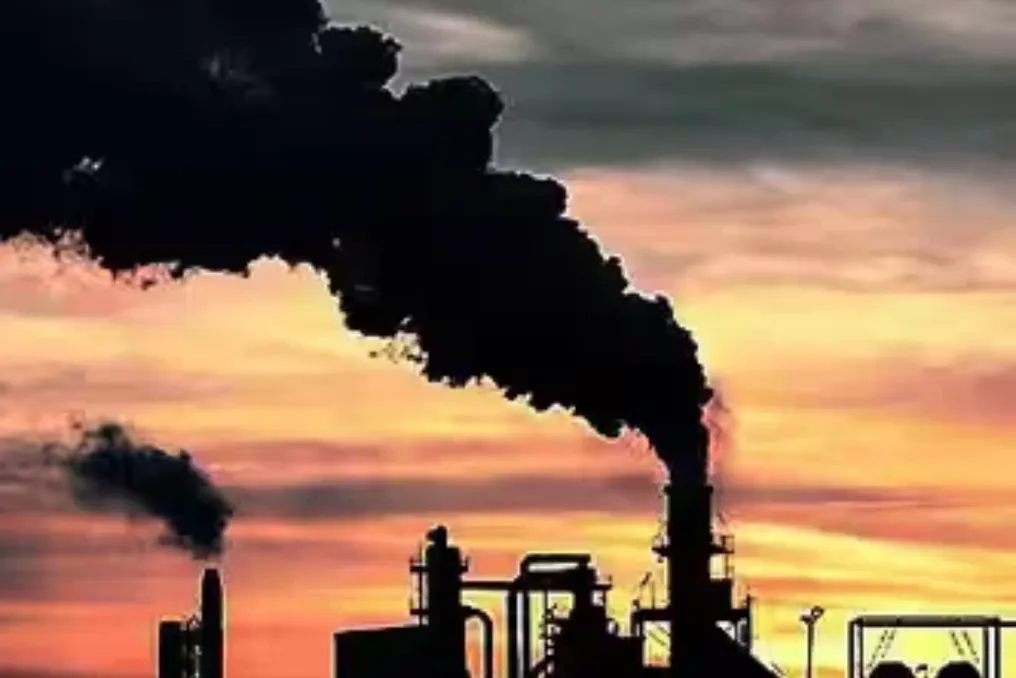
Furthermore, India will not support any initiatives to abandon the use of fossil fuels, as this is necessary to achieve the country's development goals given its energy needs.

These statements were made against the backdrop of preparations for participation in the annual UN Climate Conference (COP31), which will take place next week in Antalya, Turkey, where he will lead the negotiating team.

Similar stories

India approves flex cars with pure ethanol (E100) and E85, following Brazil's example
Read more
autopapo.com.br

India approves flex cars with pure ethanol (E100) and E85, following Brazil's example

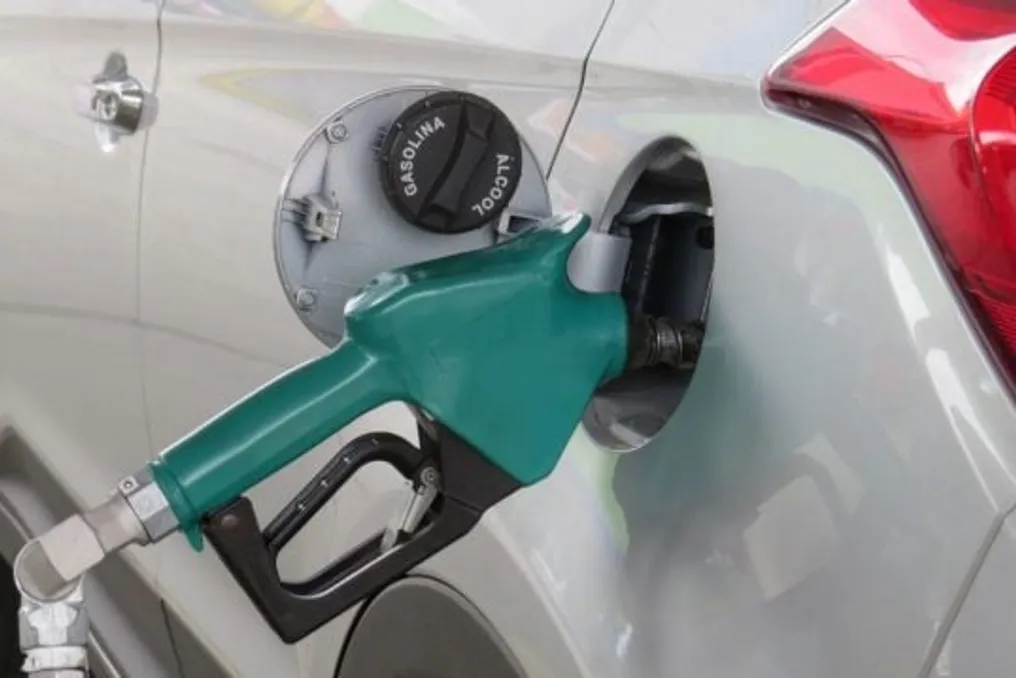
The Indian government has implemented a significant update to its vehicle homologation standards, formally including pure ethanol (E100) and the E85 blend for flex-fuel automobiles. This regulatory change, which took effect immediately after official notification, defines the technical and legal path for manufacturers to certify and commercially launch these models in the local market.

With this new directive, emission regulatory tables now consider E20 alongside E10 in the gasoline category. Furthermore, there was an expansion of biodiesel specifications to cover the B100 standard. Another relevant technical adjustment was the increase in the maximum permitted gross weight for these vehicles, which rose from 3,000 kg to 3,500 kg, correcting inconsistencies discussed since a preliminary draft presented for public consultation in the first half of the year.

The responsible government department emphasized that flex engines are equipped with automated systems capable of instantly adapting to the proportion of ethanol present in the tank. This technology already has a proven track record in major markets, such as the United States and Brazil. Economically and ecologically, the Indian administration argues that increasing the use of biofuels contributes to reducing dependence on crude oil imports, lowers exhaust pollutant emissions, and supports the national goal of achieving carbon neutrality by 2070.

Despite the legal release for this new energy matrix in transport, local experts and authorities warn that E100 and E85 supply must be used exclusively in vehicles factory-designed for this purpose. Conventional cars, adjusted for smaller blends, are not compatible with pure proportions. Therefore, the standard guidance for drivers is always to consult the owner's manual and check the official fuel compatibility seal before refueling.

India implements new measures to control air pollution in New Delhi
Read more
noticiasaominuto.com

India implements new measures to control air pollution in New Delhi

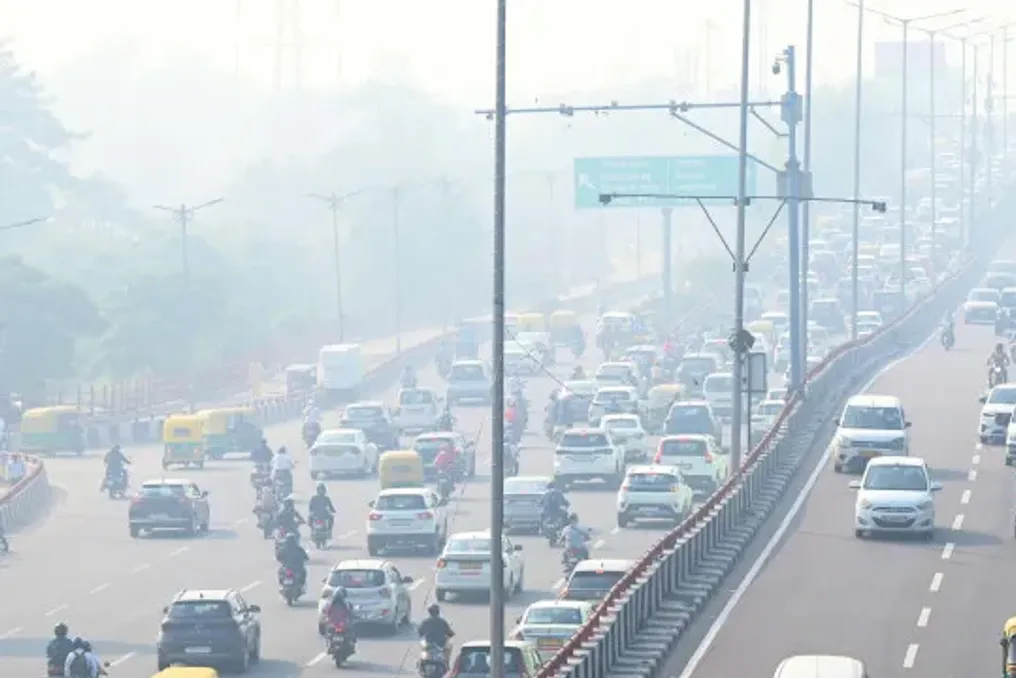
India has initiated its annual actions aimed at combating toxic air pollution in the city of New Delhi, a metropolis of 30 million inhabitants classified among the most polluted capitals on the planet.

On this day, monitoring stations recorded 233 micrograms of pollutant particles per cubic meter, a value that represents approximately 15 times the established limit. The Governmental Commission for Air Quality Management predicts that air quality will remain in 'poor' condition in the coming days.

The deterioration of air quality is more pronounced during the winter period in the Indian capital, as colder air tends to trap pollutants near the ground. The main causes of this pollution include coal-fired thermal power plants, vehicle traffic, construction sites, and the burning of agricultural waste in adjacent regions.

The government of the National Capital Territory of Delhi decreed on Wednesday the ban on open burning of garbage and required stalls and food establishments to cease using firewood or charcoal.

Last year, pollution levels reached a peak of 846 micrograms per cubic meter, exceeding the World Health Organization (WHO) recommended limit by 56 times.

The United Nations Children's Fund (UNICEF) issued a warning, indicating that exposure to polluted air puts children at a higher risk of developing acute respiratory infections.

New regulations will come into effect on November 1st, covering the doubling of parking fees and the implementation of remote work for public servants, aiming to reduce emissions generated by vehicular traffic. Furthermore, stricter construction rules will be applied on the same date, followed by a total suspension of construction and demolition activities between December 10th and January 20th.

India reduced greenhouse gas emissions in 2025 despite UN report warning of global reduction deficit
Read more
timesofindia.indiatimes.com

India reduced greenhouse gas emissions in 2025 despite UN report warning of global reduction deficit

Despite the continued threat of rising global greenhouse gas (GHG) emissions to global warming, India reported a decrease in its emissions in 2025 compared to the previous year. This trend interrupted a long period of rapid growth, resulting from both climatic factors and structural changes in the country towards renewable energy sources, as noted by the United Nations Environment Programme (UNEP) in its annual 'Emissions Gap Report,' published on Wednesday.

According to the report, India is currently the third-largest emitter in terms of total GHG volume. However, its per capita emissions are less than half of the global average and significantly lower than those of the two leaders—China and the USA, whose total emissions increased last year.

In addition to India, the EU countries (27 states combined) and Russia also recorded a decrease in emissions in 2025, while the overall global emission volume remained comparable to that of 2024. Meanwhile, the increase in emissions in the USA significantly exceeded the growth of all other countries. The next largest projected increases were noted in Turkey (the host country for the upcoming climate conference COP31), Iran, and Indonesia.

Although many countries are making efforts to reduce their carbon footprint, the report emphasizes that temperature projections remain 'too high,' and the chance of keeping global warming below 1.5 degrees Celsius without exceeding this threshold has disappeared.

The report indicates that if current policies persist, warming could reach 2.8 degrees Celsius this century relative to pre-industrial levels (1850–1900) and continue to rise after this period. Highlighting the enormous gap in emission reduction requirements, the report notes that the world needs to cut GHG emissions by 18% by 2030 and by 45% by 2035 relative to 2025 levels to stay within a less destructive warming limit.

However, the full implementation of current climate action commitments by all nations combined will only lead to a reduction of 5–8% by 2030 and 11–15% by 2035 relative to 2025 levels, making countries more vulnerable to catastrophic climate change impacts.

The report states: 'These results are worse than last year's forecasts due to the US withdrawal from the Paris Agreement and revised estimates of historical emissions. New Nationally Determined Contributions (NDCs) submitted since last year have had a negligible impact on these forecasts.' While the report calls for urgent emission reductions to avoid exceeding the 1.5-degree Celsius threshold, it also notes that keeping peak warming below 1.7–1.8 degrees Celsius (by mid-century) will become rapidly impossible without immediate action.

Inger Andersen, Executive Director of UNEP, stated: 'Every five years at current CO2 emission levels raise peak warming by approximately 0.1 degrees Celsius.' She added: 'Every additional fraction of a degree and every additional year of warming above 1.5 degrees Celsius intensifies climate impacts and risks, such as deadly floods, heatwaves, and wildfires that affected many countries this year. Therefore, we must make every effort to minimize peak warming and return to 1.5 degrees Celsius by the end of the century.'

The report examines the 'least possible' scenario for exceeding the 1.5-degree Celsius threshold, where peak warming is limited to 1.7–1.8 degrees Celsius. To achieve this path, global GHG emissions must be reduced by 18% by 2030, 45% by 2035, and 69% by 2040 relative to 2025 levels.

UN Secretary-General António Guterres stated in a statement on the report: 'Exceeding the threshold is not capitulation. We can still make it as small and short as possible—and bring the temperature back below 1.5 degrees by the end of the century.'

In 2025, G20 members collectively increased their emissions by 0.7%. Under current policies, only six G20 members (China, India, Indonesia, Russian Federation, South Africa, and Turkey) are assessed as likely to meet their unconditional 2030 targets, while the assessment for the European Union remains uncertain.

The report also notes that although global GHG emissions in 2025 were similar to 2024 figures, emissions of CO2 from fossil fuel combustion (oil, coal, and gas), as well as nitrous oxide (N2O) and fluorinated gases (F-gases), continued to rise last year, while methane (CH4) emissions remained almost the same as in 2024.

'This increase was offset by a reduction in CO2 emissions from the land use, land-use change, and forestry (LULUCF) sector by approximately 0.5 gigatonnes of CO2 equivalent (GtCO2e). The reduction in CO2 emissions in the LULUCF sector was partly due to decreased biomass burning emissions, including a reduction in global carbon emissions from forest fires in 2025 compared to the exceptionally active season of 2024,' the report says.
Popular