Naoshima Island in Japan has become an international center for contemporary art
Read more
Getaway
getaway.co.za

Naoshima Island in Japan has become an international center for contemporary art

A small island in the Seto Inland Sea has gained a new identity through contemporary art. Naoshima's museums, unusual installations, and picturesque sea views now attract visitors from all over the world.

On the island, where fishing boats line the harbor and narrow streets are adorned with traditional houses, contemporary art has become an unexpected addition to the marine landscape. Covering an area of about eight square kilometers, the Japanese island has become a globally recognized cultural destination.

This transformation process began in the 1980s when publisher Tetsuhiko Fukutake and then-mayor Chikatsugu Miyake shared a common vision of integrating art, education, and nature. The first major development occurred in 1989 with the opening of the Naoshima International Camp, followed by the Benesse House Museum in 1992. In subsequent decades, the project grew into what is known today as the Benesse Art Site Naoshima.

Instead of simply building galleries, the goal was to integrate art directly into the island itself. Old houses, coastal areas, and the surrounding landscape became part of the overall experience. This new cultural identity developed parallel to Naoshima's long-standing copper smelting industry, which remains an important component of local life.

Japanese architect Tadao Ando played a significant role in shaping Naoshima's identity. His projects combine concrete, natural light, and geometric forms, often making the buildings as interesting as the exhibits inside them.

The Benesse House Museum, opened in 1992, combines museum and hotel functions, where artworks are displayed both inside and on the adjacent grounds. Another outstanding project by Ando is the Chichu Museum, opened in 2004. It is built predominantly underground to preserve the surrounding landscape and uses natural light to illuminate its exhibition halls.

The museum features permanent works by Claude Monet, James Turrell, and Walter De Maria. Among the main exhibits are five Monet paintings of 'Water Lilies,' as well as installations exploring perception, space, and light.

Some of Naoshima's most interesting art spaces are located among its residential streets. The 'Art House' project, launched in 1998, transformed vacant traditional buildings in the Honmura district into modern art spaces. There are now seven locations there, each with its unique artistic concept. Visitors can explore them on foot, moving between installations, past local homes and businesses.

For a more unconventional experience, there is the public bathhouse Naoshima Bat Ai Love, designed by artist Shinro Ohtake. Its colorful interiors transform the ordinary Japanese experience into an extraordinary artistic event.

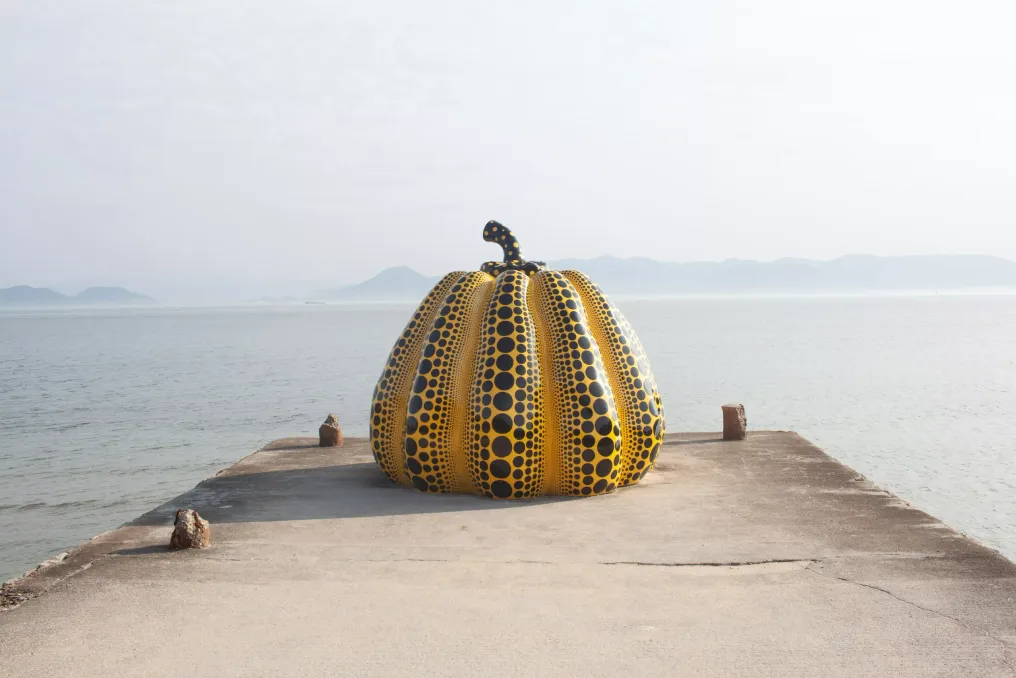
The pumpkins are also worth mentioning. Yayoi Kusama's Yellow Pumpkin stands by the sea near Benesse House, and the Red Pumpkin is located near Miyanoura Port. Their bright colors and characteristic patterns have made them some of the island's most recognizable attractions.

Naoshima's art scene continues to evolve. On May 31, 2025, the New Museum of Art Naoshima opened near Honmura. It was also designed by Tadao Ando and focuses on contemporary art from Japan and wider Asia, adding another dimension to the island's cultural offering.

The island is also part of a broader art route in the Seto Inland Sea. Nearby are Teshima and Inujima, which have their own museums and installations, making the entire region worth exploring beyond Naoshima.

Ferry services connect Naoshima with Uno Port in Okayama Prefecture and Takamatsu in Kagawa Prefecture. The journey to Miyanoura Port takes about 20 minutes from Uno and 50 to 60 minutes from Takamatsu.

Upon arrival on the island, visitors can use local buses, rent bicycles, or explore on foot. Since the attractions are spread across different areas, it is recommended to allocate more than a few hours for a visit. Some museums and art spaces require advance online booking, including timed tickets for the Chichu Museum and selected Art House project installations. Before traveling, check the official Benesse Art Site calendar, as operating days and entry conditions vary.

Overnight stays are also available: Benesse House offers accommodation within its complex, while guesthouses and other options are located in other parts of the island.

The transformation of Naoshima serves as a reminder of how art can give a place a new identity without erasing its distinctive features. Between the museums and installations remain the fishing boats, quiet streets, and rhythms of everyday island life. Industrial history and the contemporary art scene coexist, giving the island a unique character.
Similar stories

Tiwai Island in Sierra Leone: A little-known destination for wildlife observation in West Africa
Read more
getaway.co.za

Tiwai Island in Sierra Leone: A little-known destination for wildlife observation in West Africa

Located deep within the tropical forests of Sierra Leone, Tiwai Island is a sanctuary for some of the rarest species of wildlife in West Africa. Its conservation history is equally fascinating, as local communities actively participate in protecting the forest massif. Unlike more famous African safari destinations, Tiwai focuses on the tropical forest ecosystem, where animals hide in dense vegetation and the canopy, requiring patience and an experienced guide.

The island covers an area of about 12 square kilometers and is part of the Upper Guinean Forest—one of Africa's most important biodiversity centers. The name of the island itself means 'Big Island' in the Mende language. Eleven primate species are registered on Tiwai, including the endangered Diana monkey, the western red colobus, the suti mangabey, and the western chimpanzee.

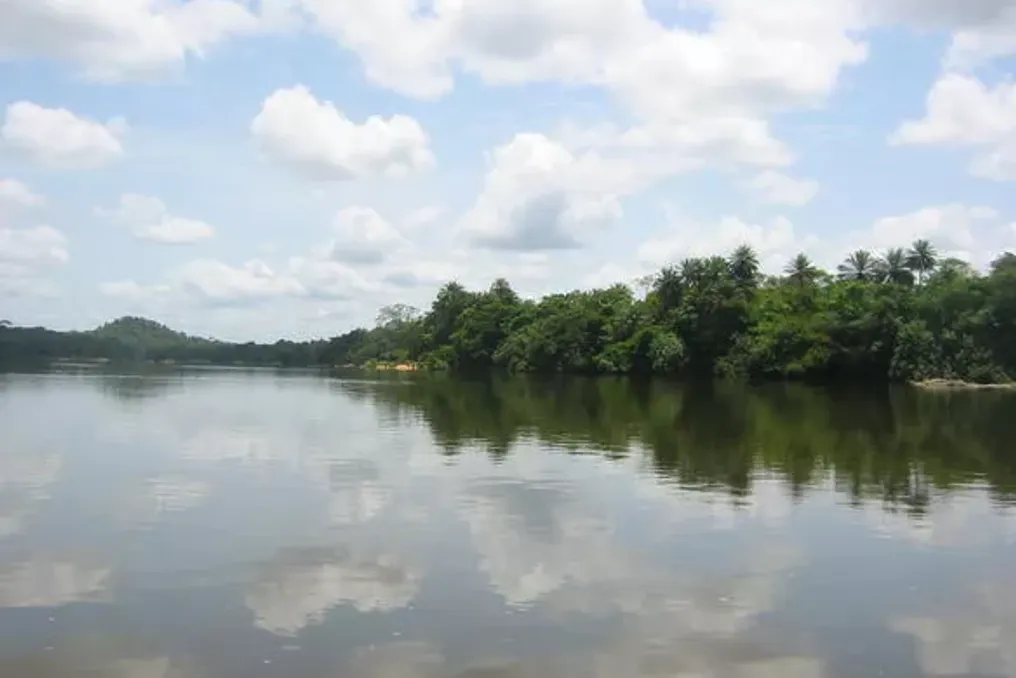
Forest excursions offer the opportunity to see these animals in the treetops. Furthermore, the island is home to over 135 bird species, including mountain woodpeckers. The most elusive inhabitant is the pygmy hippopotamus—a rare species of West Africa that prefers forested areas near freshwater sources. Night boat trips on the Moa River offer a chance to spot these secretive animals, although there is no guarantee of seeing them.

Hikes introduce visitors to the fauna and ecology of Tiwai's tropical forest, while water excursions on the Moa allow for exploring the island in a different way. Between December and March, when water levels drop, sandy beaches appear along the northern edge of the island, where swimming in fresh water is possible under favorable conditions.

Cultural events involving eight surrounding communities can also be organized, which include traditional dances and introductions to local heritage. Accommodation here is simple: campsites and basic lodges are available. Meals prepared by community members usually consist of local products such as rice, ragout, and traditional sauces.

Tiwai Island was officially recognized as a wildlife reserve in 1987 and has a long history of scientific research and conservation efforts, especially in primates and tropical forest ecology. Today, protecting the island remains a central task for local residents. The ecotourism camp is managed by the Environmental Foundation for Africa’s Sierra Leone, with tourism revenue directed towards supporting the reserve, and the Community Development Fund serves eight surrounding settlements.

Tiwai is part of the broader Gola-Tiwai landscape, which includes the Gola Tropical Forest National Park. These protected areas together cover over 71,000 hectares and serve as habitat for endangered species such as western chimpanzees and pygmy hippos. In July 2025, the Gola-Tiwai complex was included in the UNESCO World Heritage List, highlighting its exceptional biodiversity and importance to the Upper Guinean Forest.

Access to Tiwai is achieved by traveling from Freetown towards the Southern Province of Sierra Leone, then driving along the road to the Moa River, and finally crossing by boat. The dry season, typically from December to March, provides the best conditions for exploration and access to seasonal riverbanks. The rainy season, usually from May to October, can complicate travel. Transport, accommodation, and guiding services should be booked in advance through the reserve's tourism team.

Although Tiwai Island may be less known than established African safari destinations, its significance for wildlife and environmental conservation makes it a worthy discovery. It offers travelers willing to step outside conventional routes a chance to encounter rare species, study an exceptional tropical forest, and learn about communities working to preserve it.

Sulawesi, Indonesia: Traveling through one of Southeast Asia's most fascinating islands
Read more
getaway.co.za

Sulawesi, Indonesia: Traveling through one of Southeast Asia's most fascinating islands

Sulawesi, located between Borneo and the Moluccas, has a shape resembling the letter K. Its volcanic highlands, dense tropical forests, and coastal areas support exceptional biodiversity, while its unique cultures offer travelers a different perspective on Indonesia. Despite the significant distances, the island rewards those willing to deviate from standard tourist routes.

Off the coast of Manado is Bunaken National Marine Park, which protects coral reefs, steep underwater walls, and diverse marine habitats within the Coral Triangle. Diving is the main attraction here, but snorkeling offers a more accessible way to explore shallow reefs. Local operators in Manado can arrange boat trips to surrounding islands; it is recommended to choose responsible operators, maintain distance from marine animals, and avoid touching corals.

Near Bitung is Tangkoko Reserve, which protects a tropical forest inhabited by Sulawesi black macaques, tarsiers, and hornbills. Tarsiers, tiny nocturnal animals, are one of the main attractions due to their large eyes, which help them navigate the forest after dark. The best way to find them is by taking excursions with experienced local guides. Black macaques are more often seen during the day; distance should be maintained, and they should never be fed. Staying near the reserve facilitates organizing early morning and evening trips.

In the highlands of South Sulawesi, Tana Toraja is known for its rice paddies, green valleys, and traditional Tongkonan houses with characteristic curved roofs, reflecting generations of family history. Rantepao serves as a convenient base for visiting Kete Kesu, where traditional houses and rice barns are located, as well as Lemo rock tombs. The burial caves in Londa offer another glimpse into Torajan ancestral traditions. Funeral ceremonies, known as Rambu Solo, unite families and communities to honor the deceased, sometimes over several days. These events hold significant cultural importance and are not tourist performances; if you are invited, you should follow the family's wishes and ask permission before taking photos.

Trekking between villages allows for a closer look at mountain life, and the local coffee is worth trying. Several days should be allocated to this region, as the journey from Makassar takes a long time.

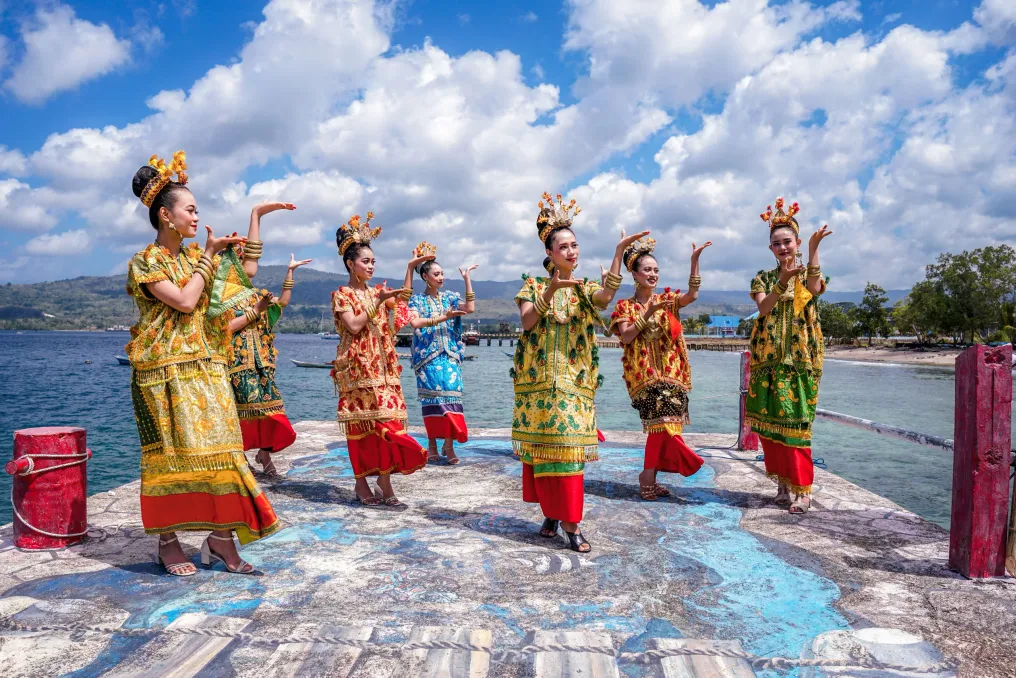
In southeastern Sulawesi, Wakabobi National Park protects extensive coral reefs within the Coral Triangle. Its name combines the first syllables of four islands: Wangi-Wangi, Kaledupa, Tomia, and Binongko. Divers come for the diverse underwater landscapes and marine fauna, while snorkelers can explore shallow reefs. Tomia is a popular diving base, Hoga Island attracts snorkelers, and Wangi-Wangi serves as a gateway to the archipelago. This region is also home to coastal communities, including the Bajo, or Sama-Bajau, whose maritime traditions span parts of Southeast Asia. Permission should be sought before photographing residents, and local businesses should be supported whenever possible. Reaching Wakabobi requires careful planning, as connectivity varies depending on the island, and boat crossings depend on sea conditions.

Central Sulawesi offers forested highlands and archaeological sites outside the island's more famous destinations. Lore Lindu National Park protects important wildlife habitats, and the adjacent area contains ancient megalithic structures included in the UNESCO Tentative List of World Heritage Sites. The region provides opportunities for trekking and birdwatching, as well as insight into Indonesia's lesser-known archaeological history. Further south, Bira is famous for its beaches and traditional shipbuilding. In Manado, try Tinutuan, a vegetable rice soup, alongside fresh fish and chili-rich dishes characteristic of Minahasan cuisine.

Local markets and eateries provide an easy way to experience regional cuisine and daily life. Rather than trying to cover the entire island, it is better to select a few areas that match your interests. The optimal time to visit depends on the region. In most of southern Sulawesi, the dry months are typically from May to September or October, making travel and hiking more comfortable. Some Torajan funeral ceremonies take place between July and September, although dates vary by family. Diving conditions differ between Bunaken and Wakabobi, so information should be confirmed with local operators before booking. Manado is a useful entry point to North Sulawesi, while Makassar provides access to the southern highlands. Accessing remote islands may require domestic flights and boat transfers, so flexibility should be built into the itinerary. Sulawesi combines coral reefs, rare wildlife, highland villages, and cultural traditions that remain part of daily life. Exploring this place requires time, but the reward is an experience beyond beach relaxation. For travelers seeking another side of Indonesia, Sulawesi is an invitation to explore at a slower pace, with curiosity and respect for the people and environment that make it exceptional.

Mount Nimba: A West African mountain range uniting diverse ecosystems and rare fauna
Read more
getaway.co.za

Mount Nimba: A West African mountain range uniting diverse ecosystems and rare fauna

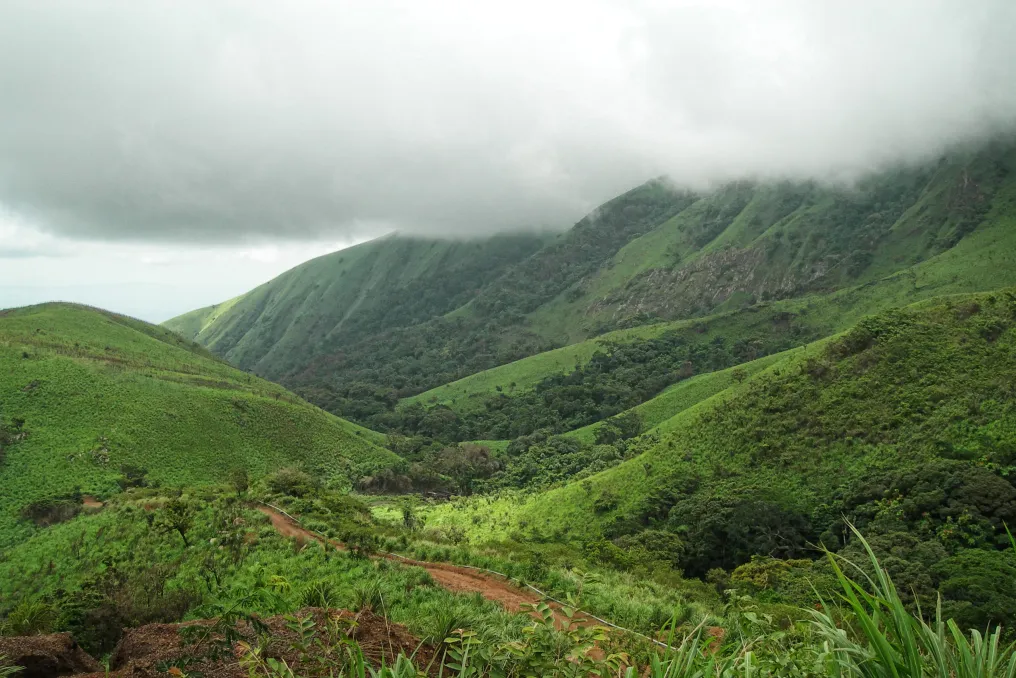
Located above the forests and savannas of West Africa, Mount Nimba presents a landscape of exceptional contrasts. Its slopes transition smoothly from dense tropical forests to cool mountain meadows, creating unique habitats for rare plant and animal species found nowhere else on Earth.

This outstanding natural site, stretching across Guinea, Liberia, and Côte d'Ivoire, is more than just an impressive natural landmark. It serves as a refuge for endangered wildlife, a source of fresh water, and a reminder of the high level of biodiversity that can exist within a single mountain range.

A Mountain Range with Changing Habitats

Mount Nimba reaches an altitude of about 1,752 meters above sea level, towering over the surrounding landscape. The change in altitude, climate, and relief forms a mosaic of habitats supporting exceptional life diversity.

From Tropical Forests to Mountain Meadows

The lower slopes are covered with dense forests, where humidity and shade promote the development of rich plant communities. At higher elevations, the mountain forests give way to open meadows, where varying temperatures, soil types, and growing conditions determine the vegetation. These transitions provide survival opportunities for species with completely different needs. Over 2,000 vascular plant species have been registered in the reserve, including several endemic or near-endemic to this region. This results in a landscape where every change in altitude brings a new ecological world.

Wildlife Found Nowhere Else

The isolation and habitat diversity of Mount Nimba have allowed unusual species to evolve and survive. Some species are so closely tied to this mountain that the loss of their specialized habitats could jeopardize their continued existence.

The Remarkable Nimba Mountain Toad

One of the most unusual inhabitants of the reserve is the viviparous Nimba mountain toad. Unlike most frogs and toads, which lay eggs and develop through a tadpole stage, this species gives birth to fully formed young. Its restricted high-altitude habitat makes it particularly vulnerable to environmental impact. When a species depends on such a small area, even local damage can have serious consequences.

Tiny Mammal with a Specialized Lifestyle

Another remarkable resident is the Nimba mountain shrew. This small semi-aquatic insectivore is associated with wet areas and watercourses, making the streams and moist environment of the mountain vital for its survival. The larger reserve also supports numerous mammals, birds, reptiles, amphibians, and invertebrates. Together, these species demonstrate why protecting different types of habitats is crucial: preserving only the forest is insufficient if meadows and watercourses are neglected.

Tool-Using Chimpanzees

Mount Nimba is also known for its West African chimpanzees, which use stones as tools. This behavior provides insight into the intelligence and adaptability of these endangered primates. Chimpanzees require not only isolated patches of forest; they depend on connected habitats where they can find food, shelter, and safe passage. Thus, protecting their habitat benefits many other species sharing this landscape.

An Important Source of Fresh Water

Mount Nimba is sometimes described as a natural water tower. Its slopes and springs help maintain water flows vital for surrounding ecosystems and communities. Water connects the various habitats of the mountain, sustaining plants, aquatic organisms, and animals dependent on reliable freshwater sources. The forests also help regulate local conditions, making the protection of these areas important beyond the reserve boundaries. For nearby communities, the broader landscape provides resources supporting daily life, including water, food, and medicinal plants. Therefore, conservation efforts must recognize the interconnectedness between healthy ecosystems and human well-being.

Growing Pressure on the Natural Treasure

Despite its ecological significance, Mount Nimba faces significant conservation challenges. Mining, agricultural expansion, hunting, and fires threaten parts of the wider mountain landscape.

Mining and Habitat Disturbance

Valuable iron ore deposits lie on the mountain, creating pressure for mineral extraction. Mining infrastructure and related development can disturb habitats, alter water flows, and fragment landscapes necessary for wildlife survival. Consequences can extend beyond the immediate mining zone. Species do not recognize reserve boundaries, and changes outside protected areas can still affect ecosystems within them.

Hunting, Farming, and Fires

Hunting puts additional pressure on wildlife, while the need for agricultural land can lead to deforestation. Fires used for land management can spread to sensitive habitats, affecting vegetation and species adapted to specific conditions. These pressures are particularly concerning for animals with limited ranges. A species found only on Mount Nimba has few alternative places to survive if its habitat deteriorates.

Protecting a Three-Country Mountain

The strict nature reserve of Mount Nimba was inscribed on the UNESCO World Heritage List in 1981. It has remained on the World Heritage List in Danger since 1992. This protected world site covers parts of Guinea and Côte d'Ivoire, while the wider mountain range extends into Liberia. This underscores the importance of international cooperation for habitat protection, wildlife monitoring, and addressing cross-border issues. Conservation efforts include improving ecological monitoring, strengthening patrols, and involving local communities in landscape protection. Long-term success also depends on adequate funding, effective management, and finding ways for people to sustain their livelihoods without undermining the surrounding ecosystems.

Why Mount Nimba Matters

The significance of Mount Nimba lies in the confluence of its multiple natural worlds. Tropical forests, mountain meadows, and freshwater habitats create a home for unusual species, including animals adapted to conditions found nowhere else. Its future depends on protecting these habitats as a whole. Conserving only one part of the mountain would leave other species and ecological processes vulnerable. For wildlife, Mount Nimba is a place of exceptional opportunity, but also of growing risk. By protecting it, we preserve not just a mountain, but an irreplaceable part of West Africa's natural heritage.

Popular