How to organize a kitchen: 5 simple ways to store dishes in a small kitchen
Read more
Aaj Tak
www.aajtak.in

How to organize a kitchen: 5 simple ways to store dishes in a small kitchen

Before the Diwali celebration, cleaning begins in homes, and people strive to make every corner of their living space shine. It is said that Lakshmi visits on this day, so people thoroughly clean and beautifully decorate their homes. After cleaning, the most time is spent on cleaning and organizing the kitchen, and additional difficulties arise in small kitchens.

Especially in small kitchens, there is a lack of space to store pots, multicookers, frying pans, and other utensils. Often, dishes accumulate on kitchen countertops instead of being stored in cabinets, which makes the kitchen look cluttered.

If your kitchen looks like this, there is no need to worry. There are simple methods that allow you to effectively place more dishes even in limited space. This will not only free up space in the kitchen but also make it cleaner and more aesthetic.

How to organize a kitchen:

Installing wall-mounted shelves

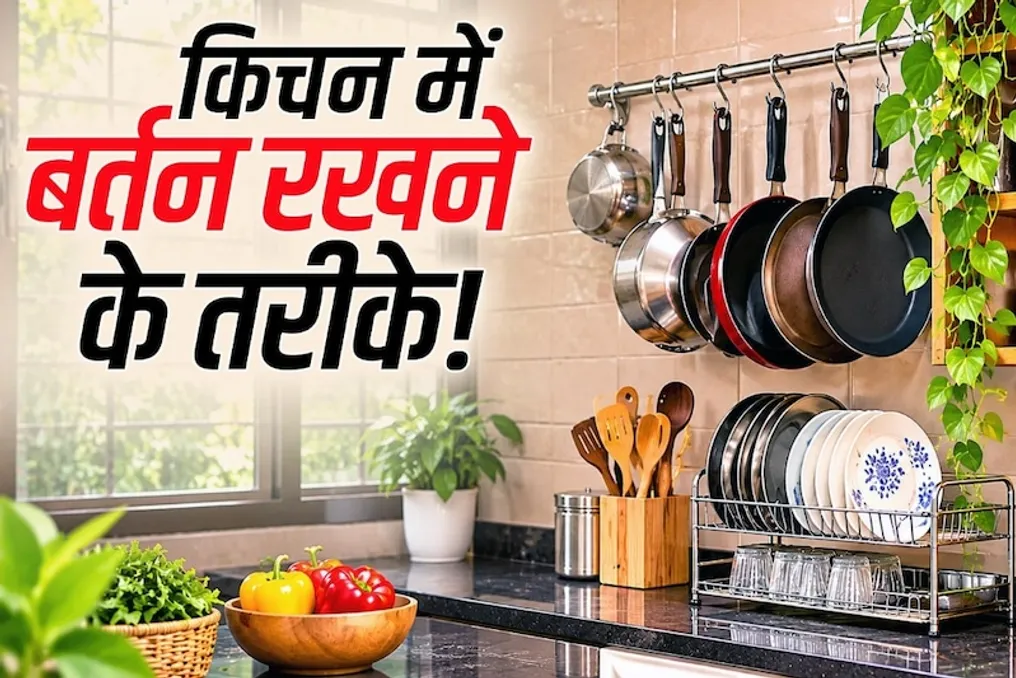
If there is not enough space in the cabinets, you can use the walls. To do this, you should install sturdy wall shelves or hooks. On them, you can hang small frying pans, baking sheets, ladles, spoons, and other daily-use dishes. This will free up the countertop, and the necessary dishes will be easily accessible.

Nesting pots and multicookers

Sometimes storing pots and multicookers separately takes up too much space in the cabinet. In such cases, you can stack dishes of the same size inside each other. For example, a small pot can be placed inside a large one, and a small kettle inside a large one. This significantly saves space. It is important to ensure that all dishes are completely dry before starting to stack them.

Installing pull-out drawers in the kitchen

If there is free space at the bottom of your kitchen, you can order pull-out drawers. They are convenient for storing heavy dishes, such as pots, multicookers, and kettles. The advantage of these drawers is that you do not need to empty the entire cabinet to retrieve the contents; you just need to pull the drawer, and the desired item will be in front of you.

Separate storage for lids from dishes

One of the main reasons for taking up space in the kitchen is the lids from dishes. Often, when pot and multicooker lids are stored separately, the cabinet looks messy. To solve this problem, you can purchase a special lid rack. On it, you can neatly stack lids of different sizes one after another, which prevents inconvenience when retrieving dishes.

Using corner shelves

In empty corners of the kitchen, you can install a corner shelf. On it, you can place spice jars, small dishes, and cups used daily. This way, unused space can be utilized, and items in the kitchen will not look scattered.

Pay attention to these small details
Similar stories

Vastu Tips: 4 Items You Should Not Leave on the Kitchen Countertop
Read more
www.aajtak.in

Vastu Tips: 4 Items You Should Not Leave on the Kitchen Countertop

The kitchen is an area where food for the entire family is prepared. Therefore, it is crucial that the kitchen is clean and organized. In Vastu Shastra, the kitchen is considered a source of well-being, happiness, and positive energy for the home. According to beliefs, clutter and dirt in the kitchen can disrupt the Vastu balance of the dwelling.

Often, due to lack of space or haste, people leave dirty dishes, medicines, and cleaning agents on the kitchen countertop. According to Vastu beliefs, placing certain items incorrectly in the kitchen is considered inauspicious. This is linked to negative energy, reduced prosperity, and financial difficulties. Below are four items that are recommended not to leave on the kitchen countertop, along with explanations of the associated beliefs.

1. Dirty Dishes and Plates

In many homes, dirty dishes are left directly on the kitchen countertop after eating or cooking. This habit is not favored in Vastu Shastra. There is a belief that leaving dirty dishes overnight can intensify negative energy in the house, which negatively affects peace and well-being. This is also associated with disorder and Vastu imbalance.

Therefore, it is best to wash dishes after cooking and meals. If immediate washing is not possible, the dishes should be placed neatly in the sink instead of being scattered across the countertop. This will help maintain kitchen cleanliness and ensure enough space for the next meal preparation.

2. Medicines and First Aid Kits

Many people leave daily-used medicines on the kitchen countertop for easy access. According to some Vastu beliefs, since the kitchen is considered a place associated with the fire element, placing medicines in the food preparation area can disrupt the energy balance. This is also linked to health problems.

It is best to store medications in a separate, dry, and safe cabinet or drawer. It is also important to keep them away from the stove, heat, and food. However, despite this, there is no solid scientific evidence that storing medicine on the kitchen countertop will lead to illness or a Vastu defect. It is only important to ensure that the medicines are in a place where they can be taken on time, and not due to Vastu principles.

3. Dirty Clothes, Rags, or Cleaning Supplies

Wet cloths, dirty rags, or cleaning brushes should not be left on the kitchen countertop. According to Vastu beliefs, the presence of dirt and clutter in the kitchen can negatively affect the atmosphere in the home. This is associated with negative energy and a deterioration of overall order in the house.

4. Broken Dishes and Glassware

Some principles of Vastu Shastra consider keeping broken cups, cracked plates, and damaged dishes in the home to be inauspicious. These items are associated with disorder, poverty, and financial problems. The belief states that accumulating unnecessary and broken things can negatively affect the atmosphere in the home. Therefore, it is advised to avoid piling up broken dishes on the kitchen countertop.

From a practical standpoint, using broken dishes for eating or cooking poses a risk of injury. Cracks in dishes can accumulate dirt, making them difficult to clean. If a dish is cracked, it is better to replace it. Glass shards should be disposed of carefully to avoid injuries.

How to Maintain Cleanliness and Order on the Kitchen Countertop

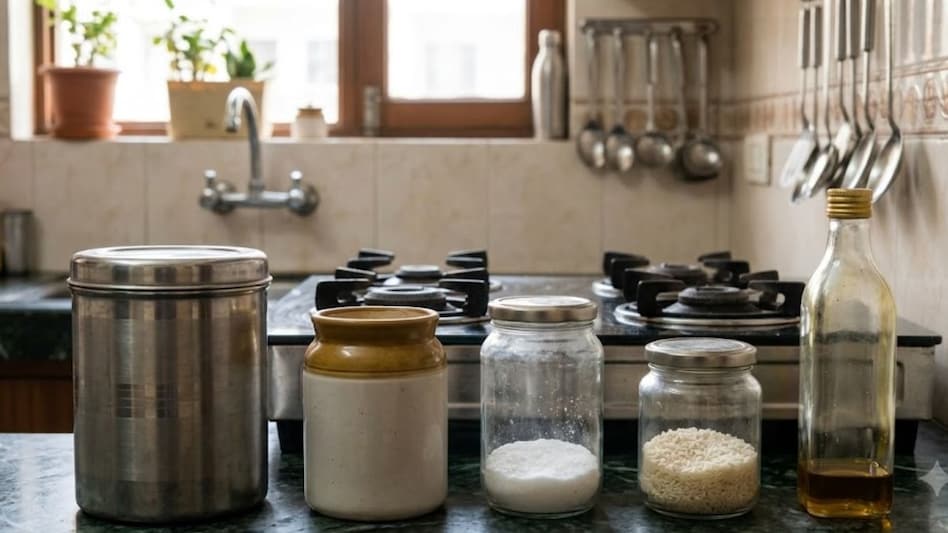
To maintain cleanliness and order on the kitchen countertop, it is recommended to follow several tips. Firstly, wipe the countertop daily with a damp cloth after cooking and do not allow water to accumulate. Secondly, create a permanent storage place for supplies: use separate containers or shelves for spices, oil, and frequently used items. Thirdly, store food safely, keeping it away from cleaning chemicals and trash bins. Furthermore, wet rags and sponges should be rinsed and dried in a well-ventilated area after use. Finally, do not allow unnecessary items such as broken dishes, empty boxes, and unused objects to accumulate on the countertop.

What Does Vastu Shastra Say?

Vastu Shastra connects the kitchen with prosperity and positive energy in the home. According to beliefs, maintaining cleanliness and proper order in the kitchen contributes to improving the home environment. Dirty dishes, broken items, and clutter are considered inauspicious within some Vastu beliefs, as they are associated with decreased well-being, poverty, and negative energy.

Five Ways to Quickly Clean Under the Bed Before Holidays
Read more
www.aajtak.in

Five Ways to Quickly Clean Under the Bed Before Holidays

In small living spaces, there is often not enough room for storage, leading people to store heavy or rarely used items under the bed. However, the problem arises when it's time to clean before Diwali, and the large amount of accumulated items causes concern. If many items have piled up under the bed in the room, and you don't know how to clean them, there's no need to worry too much; with a few simple methods, you can quickly clear the space under the bed.

Various things that people leave due to limited space can be stored under the bed. Although cleaning these items turns into a big task, there are specific tips that can help you complete the entire cleaning in a short time. These simple methods are presented below.

Tips for Cleaning Under the Bed

The first step should be to completely take out all items stored under the bed and then sort them one by one to determine which items you actually need. By taking everything out, it becomes clear what your inventory is. Thus, you can separate necessary and unnecessary items to arrange them according to your needs in the end.

An old suitcase can be used to store extra items. Most often, items that are used very rarely are stored under the bed. Instead of throwing these items away, it is best to keep them in an old suitcase that you have at home. The suitcase can be easily placed under the bed, and this will prevent the items from getting dirty. When you want them, you can take out the suitcase, and then you can clean under the bed.

It is crucial to sort through these items to separate junk and unnecessary things. Sometimes people decide to keep items thinking they might be useful in the future. However, over time, these items just take up space. Therefore, it is necessary to sort between needed and unnecessary items in a timely manner.

Seasonal clothing should be stored in organizers. Since people often store seasonal clothing under the bed, using clothing organizers is a good solution. Firstly, it protects the clothes from damage, and secondly, it allows you to easily find the items you need when they are required.

For storing heavy items under the bed, wheeled containers or drawers can be used. This allows the contents to be hidden, and the presence of wheels allows them to be easily moved in and out. In such drawers, you can store blankets, mattresses, or other heavy items, which allows you to fit many things into a small space while visually maintaining cleanliness.

After all necessary items are neatly folded and placed under the bed, the remaining unnecessary junk should be inspected and thrown in the trash can. If you clean in this way, the items will be stored in a small space, and the cleaning will be quick. All you have to do is clean the top of the containers, drawers, and suitcases, as the contents inside will be in order.

Ways to clean a kitchen hood from grease and smoke without disassembly
Read more
www.aajtak.in

Ways to clean a kitchen hood from grease and smoke without disassembly

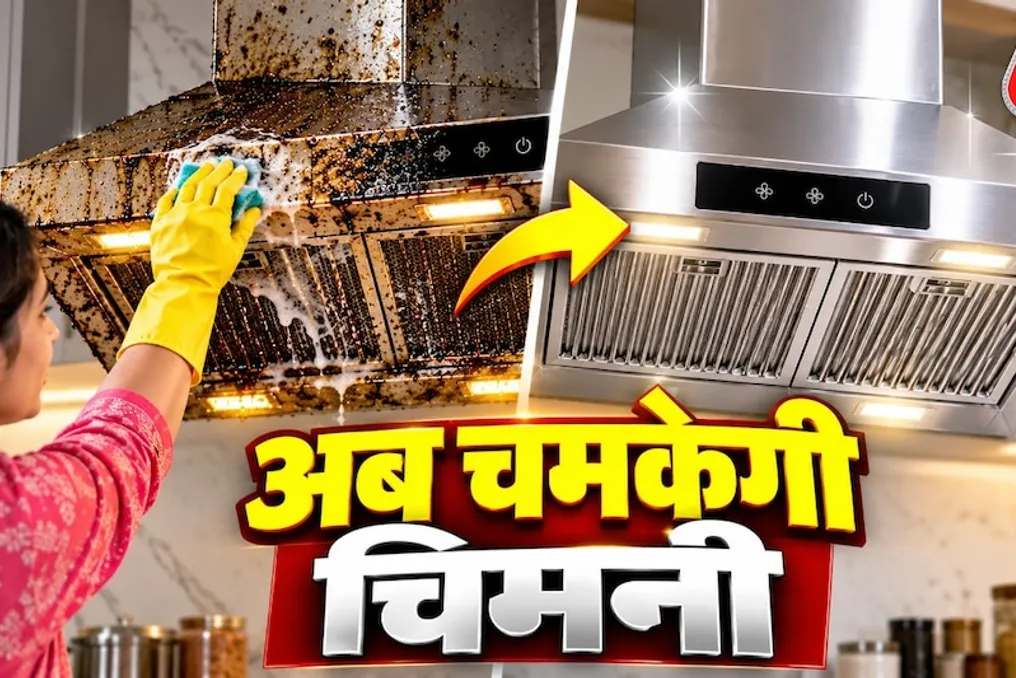
Daily cooking leads to smoke and grease released during preparation making the inside of the kitchen hood very dirty and sticky. A thick layer of grease accumulates on the hood filters, which makes it difficult or cumbersome to remove or disassemble.

If you want to clean the hood without removing or disassembling it, you can use several simple home methods. This will save effort, and the hood will look brand new.

To begin, you need to prepare the ingredients: two tablespoons of caustic or baking soda, one tablespoon of vinegar or lemon juice, one cup of boiling hot water (in a large pot or cauldron), dish soap, an old brush, as well as a bucket or spray bottle.

For a quick cleaning, place a large pot under the hood, pour water, vinegar, and baking soda (or caustic soda) into it, and bring it to a boil. Then turn on the gas stove and set the hood to high speed. The steam from the boiling water, entering the hood, will help melt the stubborn greasy dirt that has built up over months, which will start dripping down.

Next, prepare a solution by mixing hot water, a little dish soap, and vinegar in a spray bottle. This solution must be thoroughly sprayed onto the filters and external parts of the hood, leaving it for 10–15 minutes to soften the grease.

After this, the internal and external surfaces of the hood should be carefully wiped with a damp cotton cloth or microfiber. For cleaning hard-to-reach places, you can use an old toothbrush. Finish the process by wiping the hood with a dry clean cloth so that it dries completely. In this way, the hood will become shiny without requiring disassembly or removal of parts.

Popular