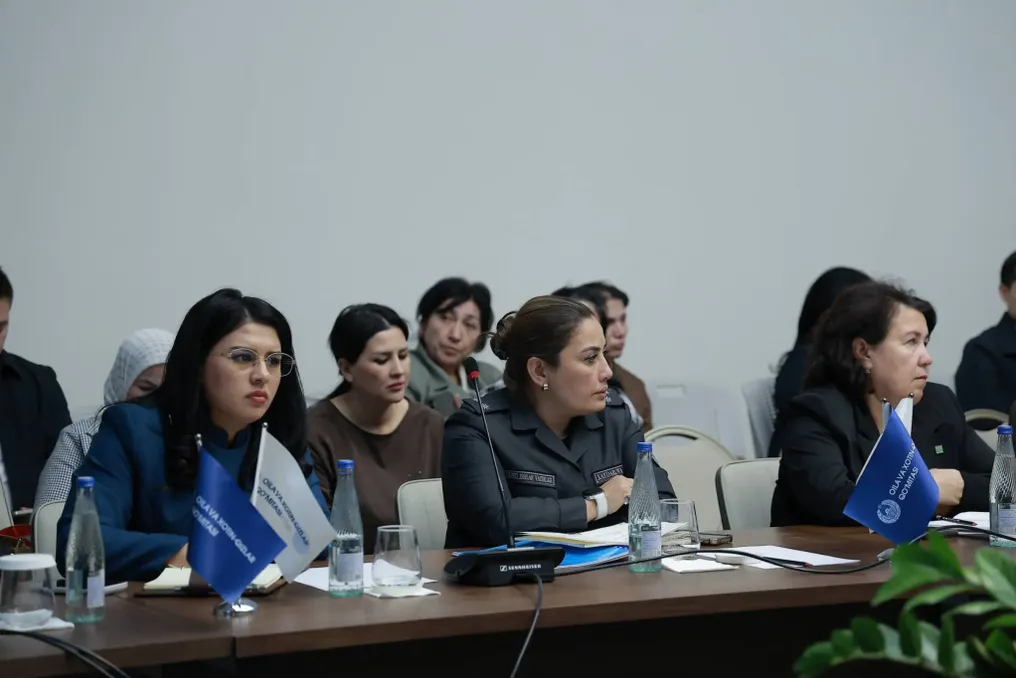
During the period from January to September 2026, 111.8 thousand women in Uzbekistan received maternity and childbirth benefits, totaling 1.3 trillion soms. This data was presented by the National Agency for Social Protection based on the results of the nine-month work period.
As of October 1, 530 thousand families were entered into the Social Register. During the reporting period, 426 thousand child allowances were also assigned, and 563 thousand compensations for electricity and natural gas consumption were paid out.
A significant part of the efforts was directed towards supporting persons with disabilities. Over the nine months, 77.3 thousand people received necessary prosthetics and orthotic devices and rehabilitation aids. Additionally, 83 thousand people with disabilities were employed.
In the field of education, inclusive education covered 11.7 thousand schoolchildren in 3,774 educational institutions. Furthermore, under the 'Step to Active Life' program, five types of social services were provided to 55.4 thousand people requiring palliative care.
The report also contained information on support for women and children. 74.3 thousand women utilized about 110 thousand social services. For 6.9 thousand children affected by violence, over 10 thousand social, legal, medical, and psychological services were provided.
For orphans and children left without parental care, 609 housing units were acquired. Additionally, 527 children were able to enroll in higher education institutions under preferential conditions. Young people aged 7.4 thousand received social assistance under the 'Youth Support' program totaling 14.4 billion soms.
In addition to maternity and childbirth benefits, a new regulation for assigning temporary disability payments came into force in the country on July 1. During the reporting period, approximately 160 billion soms were paid out for 123.5 thousand cases.
The National Agency for Social Protection emphasizes that the main goal of the reforms being implemented is to identify citizens' needs, provide them with targeted social services, and create conditions for their active participation in society and ensuring self-sufficiency.