Volkswagen suspends development of electric Golf due to R$ 35 billion financial loss
Read more
AutoPapo
autopapo.com.br

Volkswagen suspends development of electric Golf due to R$ 35 billion financial loss

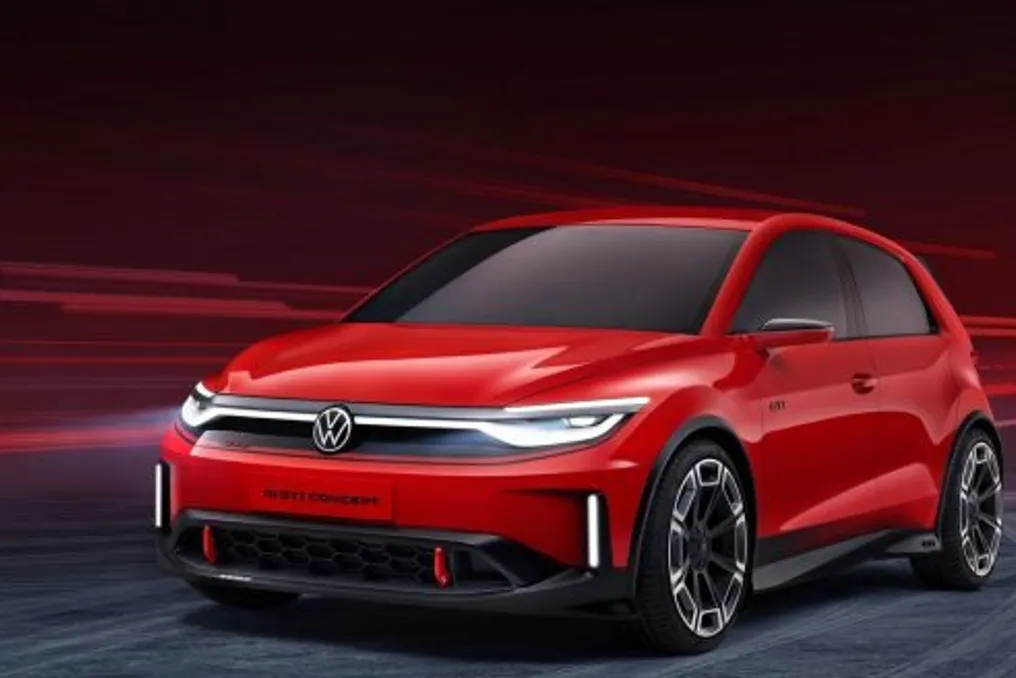
Volkswagen has decided to pause the development of its fully electric Golf model, citing lack of financial resources as the main reason. This information was disclosed by Thomas Schäfer, President of Volkswagen, during an internal interview obtained by the German broadcaster NDR.

Schäfer confirmed that although the board approved the halt, the project has not been permanently canceled. The executive stated: 'We simply cannot afford this work at the moment.' The model, known as ID. Golf, would represent the ninth generation of the hatchback, whose debut was initially scheduled for 2028 and had already been postponed to 2030; now, its arrival is expected in the early next decade.

Meanwhile, the Golf continues to be produced with combustion and hybrid engines. In the Brazilian market, the vehicle returned this year only in the GTI sports version, which is imported from Germany and sold starting from R$ 430 thousand.

This decision came just days after the group reported a loss of R$ 35.2 billion (equivalent to 5.8 billion euros) accumulated between July and September. This result represents the company's worst quarter since the end of 2015, a period marked by the Dieselgate scandal concerning fraud in diesel engine emission tests.

One of the biggest negative impacts came from Porsche, a brand belonging to Volkswagen. The company registered a reduction of R$ 38.8 billion in Porsche's balance sheet value, anticipating lower sales of the sports brand in the coming years. Although this is an accounting loss without cash movement, it significantly affected the overall result.

In China, a market that was once a major source of profit for Volkswagen, there was a 38.5% drop in deliveries in the quarter, as consumers began preferring local manufacturers, such as BYD, over foreign brands.

In the United States, the increase in costs for imported cars was driven by tariffs imposed by Donald Trump. Additionally, electric vehicles, despite gaining ground in sales, generate lower profit per unit compared to combustion models.

In response to these challenges, the company implemented a plan that foresees up to 100,000 layoffs and the closure of up to four factories located in Germany. An internal communication revealed that the Wolfsburg factory, the origin of the Golf, is R$ 1.8 billion short of the established savings target. Furthermore, the production of the combustion Golf is expected to be relocated to Mexico in 2027.
Similar stories

Volkswagen Polo Track to receive 1.0 ethanol engine in 2027 lineup
Read more
autopapo.com.br

Volkswagen Polo Track to receive 1.0 ethanol engine in 2027 lineup

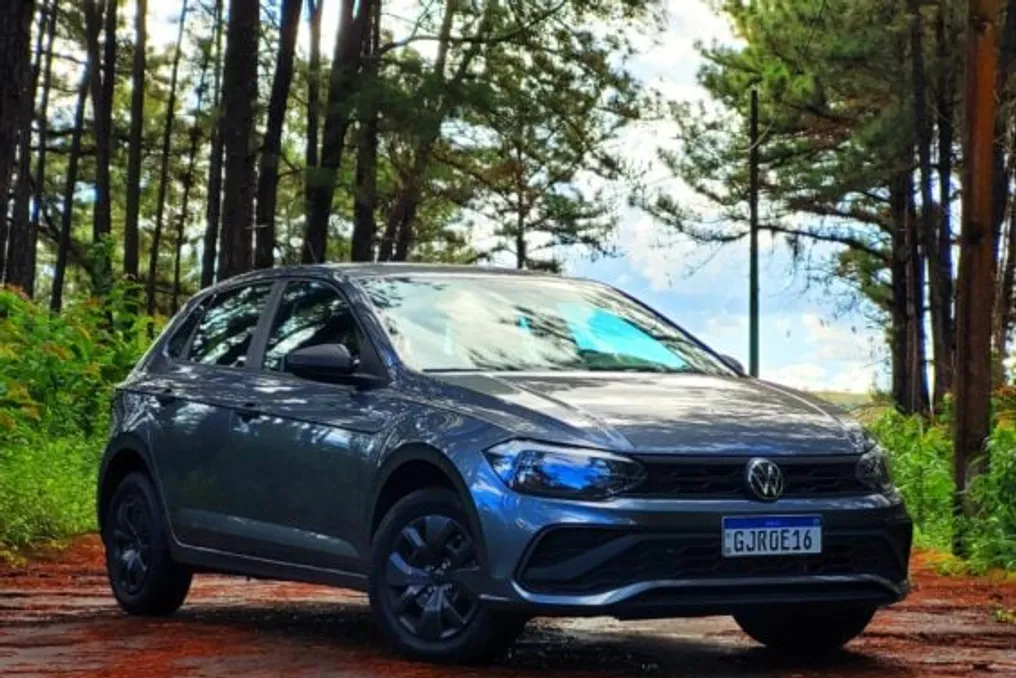
In addition to the Volkswagen Saveiro Robust, the Polo Track will also be equipped with an engine running exclusively on ethanol in the 2027 production line. This change follows the standard adopted for the pickup truck.

According to information gathered by AutoPapo, the 1.0 naturally aspirated engine intended for the ethanol Polo Track is the same one currently fitted in the Track and Robust versions. The necessary modifications for it to stop being flexible are considered minimal, similar to what happened with the Saveiro.

Volkswagen did not make changes to the physical components of the engine, such as compression ratio or spark plugs; only the electronic management was adjusted to operate solely with this fuel. With ethanol, the 1.0 naturally aspirated engine maintains the same 84 hp and 10.3 kgfm as the flex version, presenting identical performance data, although consumption and price have not yet been disclosed.

The resumption of the use of ethanol engines was motivated by a new calculation of the IPI, which allows for the reduction of the tax and, consequently, a decrease in costs. This made both the ethanol Saveiro Robust and the Chevrolet Onix Eco more affordable than their flex counterparts.

Currently, the Volkswagen Polo Track flex starts from R$ 97,990, but the exclusive ethanol model should be positioned at a lower value. These new ethanol vehicles meet corporate decarbonization requirements and may be a good option in areas where biofuel is advantageous, such as São Paulo, Mato Grosso do Sul, and the Federal District.

The Polo Track had already been updated for the 2027 lineup, receiving features such as a reverse sensor, electric windows on the rear doors, alarm, and start-stop system. The rest of the equipment package remains unchanged, with the multimedia center offered as an optional item.

It is worth noting that the 2027 Polo lineup also includes the Sense and Highline versions, both equipped with the 1.0 TSI engine, which is always flex and coupled with the automatic transmission. Currently, the only other 1.0 naturally aspirated engine from Volkswagen is the Tera, but it will not receive the adaptation for an ethanol engine in the 2027 lineup.

Volkswagen plans to export cars developed in China to the European market
Read more
autopapo.com.br

Volkswagen plans to export cars developed in China to the European market

Volkswagen is evaluating the possibility of marketing vehicles initially designed for the Chinese public in Europe, planning to import one or more of these models.

Thomas Schäfer, Volkswagen's CEO, confirmed this intention in an interview given to the British magazine Autocar during the Paris Motor Show. According to him, these new cars would complement the current European offering without replacing any existing models.

Over the last two years, the automaker has restructured its vehicle development process in China with the aim of reducing costs associated with materials and engineering. This effort involved collaborations with both Chinese companies and European partners.

The technical teams assembled in Germany and China have produced highly competitive cost vehicles, even within the world's largest market, China. Initially, the first export shipments will leave China targeting more accessible regions, such as Australia and the Middle East, with Europe being seen as the next strategic step.

However, not all models developed for China are suitable for the European consumer. The executive mentioned the ID. Era, a 5.2-meter long SUV, as an example of an unviable vehicle due to its size.

Among the models considered for export is the ID. Unyx 09, an electric sedan measuring 5.08 meters, created in partnership with the Chinese company Xpeng. In the Chinese pre-sale, this model starts at 199,900 yuan (approximately R$ 150.6 thousand) and offers 313 hp in its entry version.

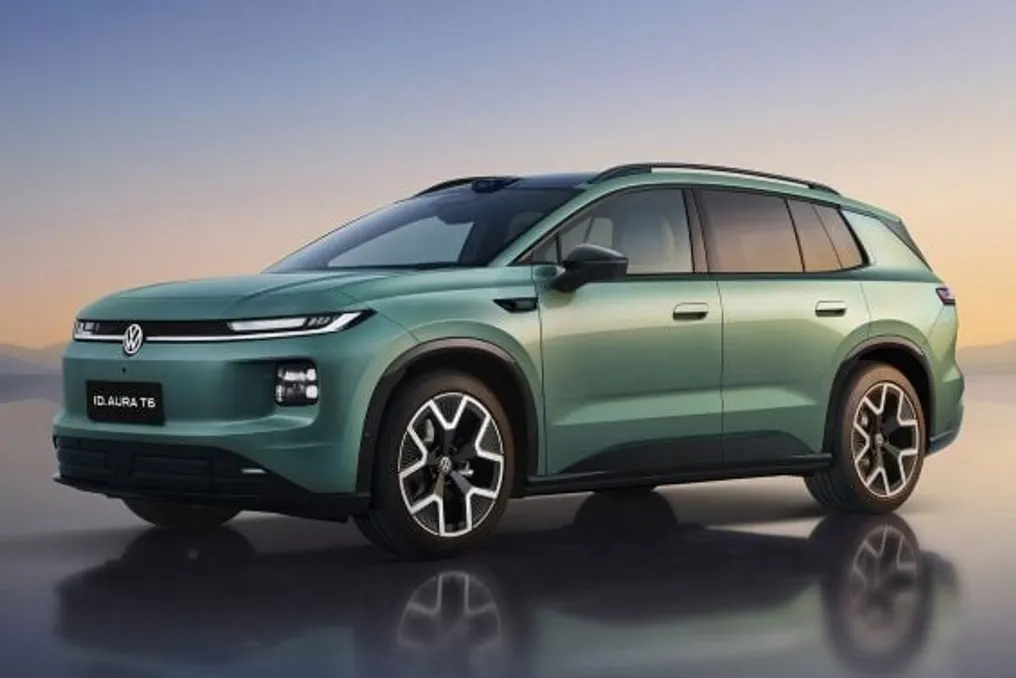
Another option is the ID. Aura T6, an electric SUV measuring 4.81 meters, which competes in China with the Geely EX5 sold in Brazil. Its initial price is 129,900 yuan (about R$ 97.8 thousand), and if it reaches Europe, it would be positioned above the newly launched electric ID. Tiguan.

The final decision on which models will be chosen and the exact schedule for imports are still pending definition by Volkswagen.

In the Brazilian context, the strategy had already been signaled previously. In March, Alexander Seitz, President of Volkswagen for Latin America, stated that the brand's fully electric vehicles intended for the region could be imported from major production centers, such as China. Furthermore, in July, the automaker registered the design of the ID. Unyx 08, an electric SUV belonging to the same family as the sedan, in Brazil.

Mercedes-AMG launches 1,169 hp electric GT SUV that mimics V8 sound and surpasses Porsche Cayenne in Brazil
Read more
autopapo.com.br

Mercedes-AMG launches 1,169 hp electric GT SUV that mimics V8 sound and surpasses Porsche Cayenne in Brazil

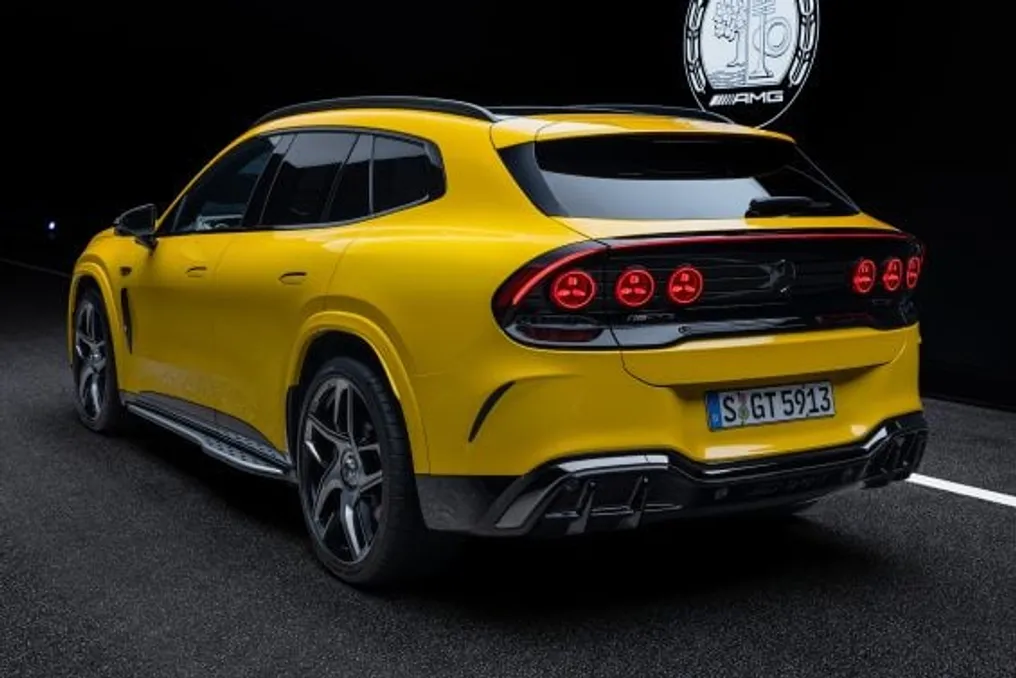
Mercedes-AMG has introduced its new GT SUV, which is the first sports utility vehicle developed entirely by the automaker's sports division. This electric model achieves a power output of 1,169 hp and has the capability to replicate the characteristic sound of a V8 engine.

This performance exceeds the 1,156 hp recorded in the Porsche Cayenne Turbo Electric, which is available for sale in the Brazilian market for R$ 1.41 million.

The entry-level version, named GT 53, is equipped with two electric motors, generating 544 hp and 81.6 kgfm, and can accelerate from 0 to 100 km/h in just 4.2 seconds. The GT 55 and GT 63 models use three axial flux motors, which are more compact compared to traditional systems.

The GT 55 offers 816 hp and 189.7 kgfm, while the GT 63 delivers 1,169 hp and 203.9 kgfm, reaching 100 km/h in 2.7 seconds and having a top speed of 270 km/h. Additional power can be released for up to 63 seconds by simultaneously activating both steering wheel levers, at which point the seatbelts tighten and occupants feel an impact.

In AMGFORCE Sport+ mode, both the GT 55 and GT 63 reproduce the sound of a V8, and the GT 53 simulates the sound of a six-cylinder engine. According to Mercedes-AMG itself, these sounds are not merely synthetic; they are based on over 100 measurements taken with 16 microphones in vehicles such as the AMG GT R. This feature, which can be deactivated, even replicates gear shifts and causes vibrations in the seats.

The battery, with a capacity of up to 128 kWh, was inspired by Formula 1, using cylindrical cells that are individually immersed in a non-conductive oil. This technology was previously tested in the AMG GT XX concept car, which traveled 40,075 km—the equivalent of a full trip around the Earth—in seven days and thirteen hours on the Nardò track in Italy in 2025.

With the higher capacity battery, ultra-fast charging reaches 710 kW, allowing for the recovery of approximately 450 km of range in ten minutes. The total predicted range is up to 700 km under the European WLTP cycle, a more favorable figure than that established by Inmetro. Internally, the multimedia center integrates three artificial intelligence assistants—ChatGPT, Microsoft Bing, and Google Gemini—in addition to a track application that displays, in augmented reality, the route of a previously recorded lap.

Manufactured in Sindelfingen, the GT 53 has been accepting orders in Germany since Tuesday (20), with an approximate price of R$ 641 thousand (equivalent to 113,050 euros). The GT 55 and GT 63 models are scheduled to be launched between March and June 2027. Mercedes-Benz has not yet confirmed the possibility of marketing this SUV in Brazil.

Popular