Imports via northern sea borders increased by 76% in the first half of the year
Read more
Tehran Times
www.tehrantimes.com

Imports via northern sea borders increased by 76% in the first half of the year

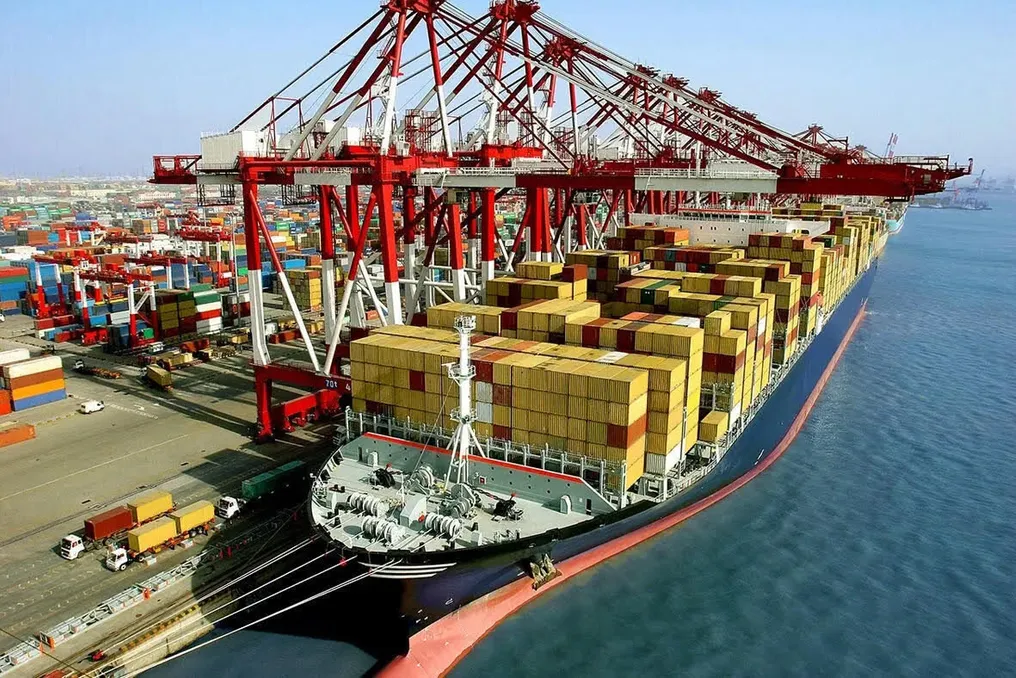
The Minister of Transport and Urban Development reported that during the first six months of the current year, imports through the country's northern sea borders grew by 76%, despite the closure of southern ports.

According to IRNA, Farzane Sadeghi, speaking at a parliamentary session on Tuesday as part of the Civil Committee's report on the evaluation of the work of bodies responsible for border and transit crossings, emphasized that due to changes in trade and events in the southern ports, as well as unfair blockade, the arteries of the country's foreign trade have undergone a paradigm shift.

Thanks to planning conducted at other national borders, the movement of goods did not stop for even an hour. Sadeghi added that this was achieved through the coordinated efforts of the Civil Committee, road transport, experts, deputies, directors of the Ministry of Transport and Urban Development, the Customs Administration of the Islamic Republic of Iran, the Planning and Budget Organization, supervisory and security structures, and maximum participation from the private sector, at key terminals including Bazargan, Dogarun, Rimdan, Vashmak, Sarahs, Norduz, Razi, Tamarchin, Poldasht, and northern ports.

The Minister of Transport and Urban Development noted that the problems existing at border terminals in the road and automotive sectors are not limited to this year, last year, or the last ten years. He also mentioned that in accordance with Article 57, Paragraph (A) of the Seventh Development Law, a legal resolution was adopted to establish a Transit Headquarters to address these issues.

Sadeghi stressed that the main problem was not unified management but integrated management, which was resolved within the framework of the Transit Headquarters. She reported that the ministry is developing and taking measures to improve infrastructure and transport diplomacy with the aim of reforming necessary processes.

The Minister of Transport and Urban Development emphasized that despite all the difficulties in the southern ports and the blockade, a paradigm shift occurred thanks to special presidential decrees, and over 85% of goods import and export, which previously passed through southern ports, has been redirected to other borders.

Farzane Sadeghi provided statistics: in the first six months of the year, despite the closure of southern ports, imports through the northern sea borders increased by 76%, imports through land borders by 41%, and imports via rail routes also significantly increased. Exports from northern ports increased by 10%, exports through land border crossings by 9%, and exports by rail by 53%.
Similar stories

Iran's Exports to Turkey Increased by 59% in the First Half of the Year
Read more
www.tehrantimes.com

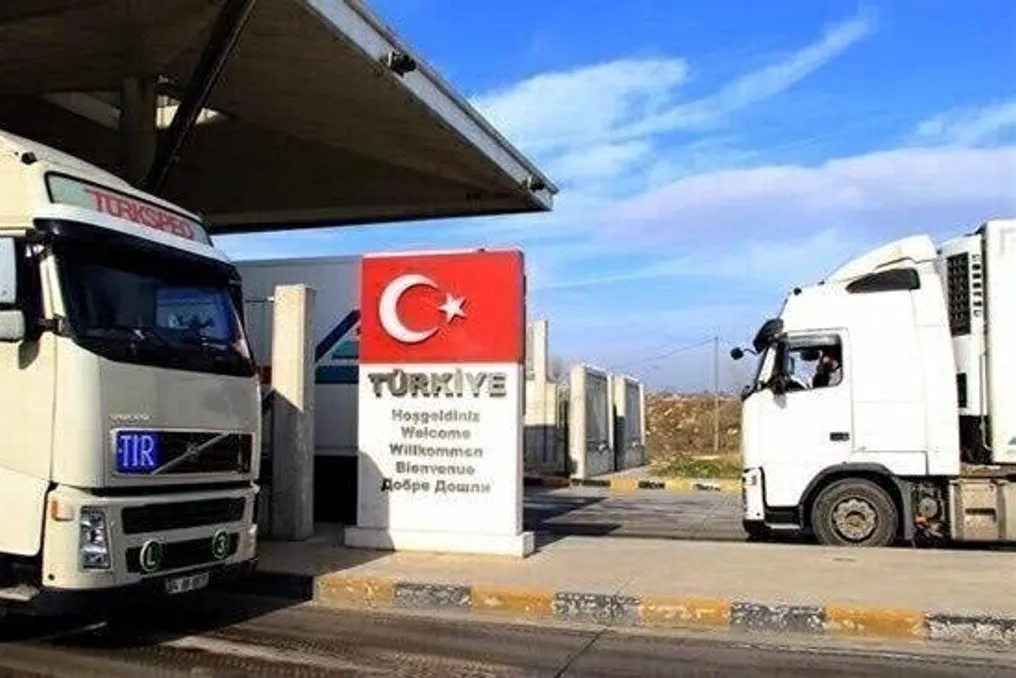
Iran's Exports to Turkey Increased by 59% in the First Half of the Year

The Director of the General Directorate of the Middle East and Africa Department of the Iranian Trade Promotion Organization reported a significant increase in Iran's exports to Turkey. This growth amounted to 59% over the first six months of the current Iranian calendar year (from March 21 to September 21) compared to the same period last year.

Iran's Exports to Turkey Grew by 59% in the First Half of the Year

According to a report prepared by the Public Relations Department of the Iranian Trade Promotion Organization, Abdolamir Rabihavi noted that despite the prevailing conditions in the West Asian region, Iran's trade trend with some countries in this region, including Turkey, remains positive. This trend is evident in the export statistics for the first half of the current year.

Rabihavi commented on trade between Iran and Turkey, stating that during the first six months of 1405, Iran's exports to Turkey showed an increase of 59%. The export volume grew from 2 billion dollars and 756 million dollars to 4 billion dollars and 373 million dollars.

He also mentioned the development of the country's trade routes and borders, noting that in recent months, despite some difficulties in southern waterways, partial restrictions on land routes have been lifted, allowing for increased utilization of land border capacity.

Rabihavi expressed hope that if the positive dynamic of exports to regional countries continues in the second half of the year, Iran will achieve further growth in trade relations with the states of this region.

Trade between Iran and Africa grew by 66% in nine months
Read more
www.tehrantimes.com

Trade between Iran and Africa grew by 66% in nine months

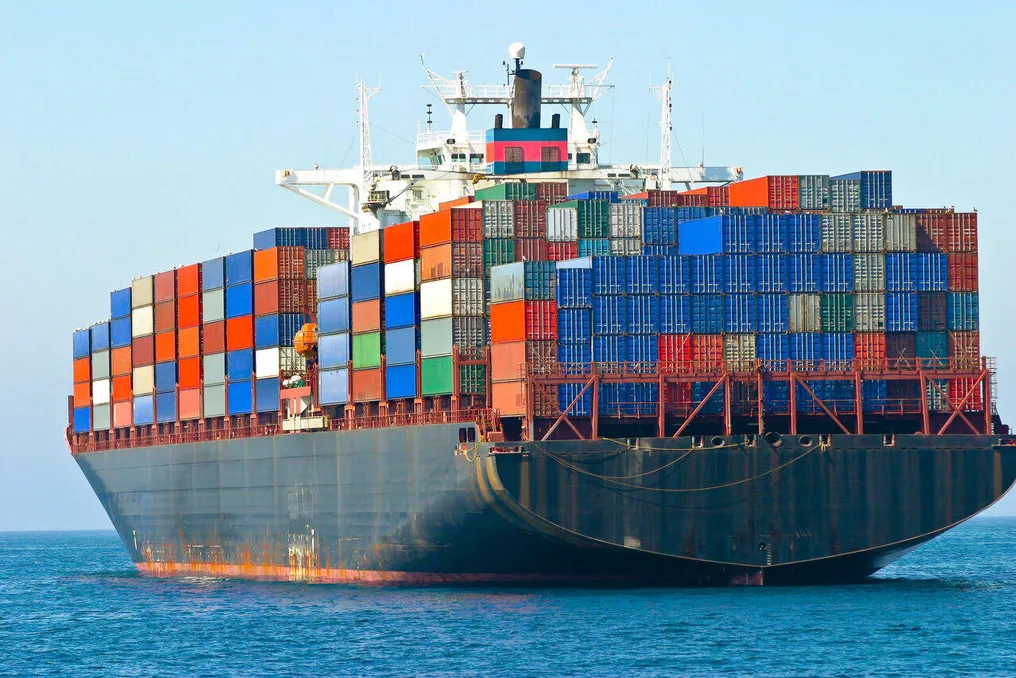
The Minister of Agriculture reported on the trend of increasing trade turnover between Iran and African states. According to customs exchange statistics, during the first nine months of the Iranian calendar year 1404 (the period from March 21 to December 21, 2025), the volume of trade between Iran and Africa reached approximately 940 million US dollars. This demonstrates an increase of 66% compared to the same period last year.

Speaking at the First National Council on Agricultural Cooperation between Iran and Africa, the minister noted that despite the significant growth, the current trade volume still falls far short of the potential of the vast African market, which has over a billion people. He emphasized that although the figure is small, the direction of movement is correct, and economic interaction between the parties requires expansion through careful planning.

Nouri Kazeljeh, commenting on the share of agricultural products in Iran-Africa trade, stated that about two-thirds of Iran's imports from Africa consist of food and agricultural products. Therefore, cooperation in this area should not be limited to unilateral trade; instead, it should develop towards creating joint value chains, mutual investments, and technology transfer.

The Minister of Agriculture also highlighted the priority of eliminating administrative obstacles and strengthening ties between responsible institutions. He added that for sustainable cooperation, economic actors require clear procedures, reliable logistics, practical payment mechanisms, insurance and investment coverage, as well as predictable regulation. In this regard, opportunities for bilateral agreements and regional mechanisms can be considered in the areas of tariffs and trade facilitation, with the participation of relevant bodies.

Nouri Kazeljeh, emphasizing the need for continuous monitoring of the elimination of administrative barriers, stressed that the problems of each project must be clearly defined and documented, a responsible party must be assigned to accompany them, and the progress of work must be evaluated within established deadlines.

At the beginning of the First National Council on Agricultural Cooperation, the minister particularly highlighted the opportunities for joint agricultural partnership with Africa that need to be transformed into concrete, actionable, and long-term economic ties. The council was attended by ambassadors, economic advisors, honorary consuls, executive body officials, economic associations, entrepreneurs, investors, and over 200 economic participants. The minister noted that such broad participation provided a valuable opportunity to translate the political will to expand Iran-Africa relations into concrete projects and strong economic partnerships.

Uzbekistan's oil and petroleum product imports grew by 6% in January-September 2026
Read more
uzdaily.uz

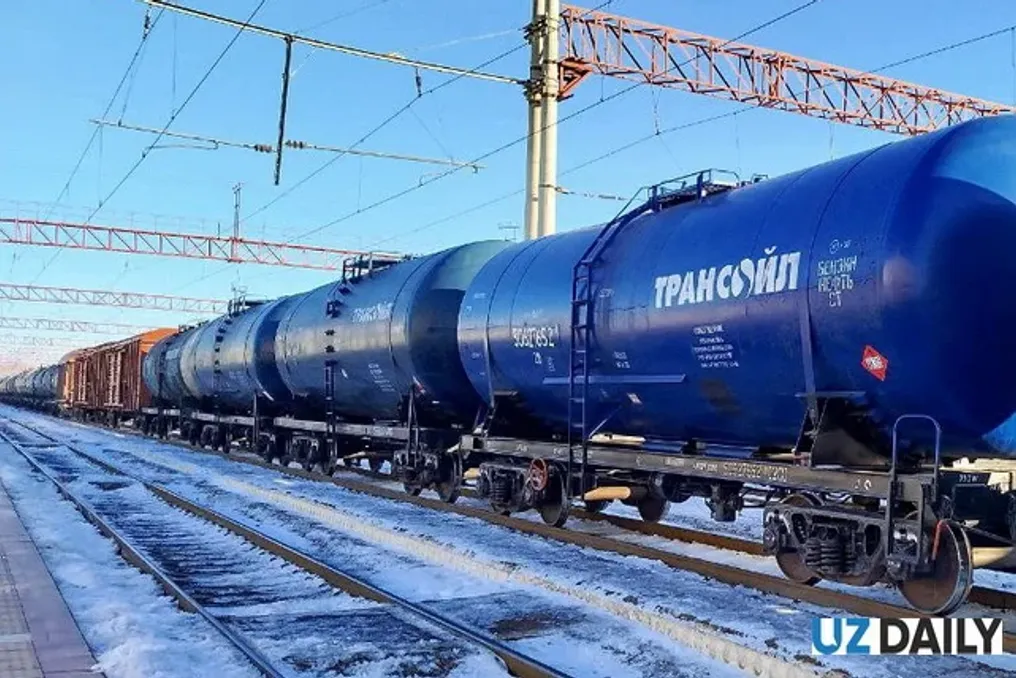
Uzbekistan's oil and petroleum product imports grew by 6% in January-September 2026

According to data from the National Statistical Committee of Uzbekistan, between January and September 2026, Uzbekistan imported oil, petroleum products, and similar materials worth 1.558 billion US dollars. This figure demonstrates a growth of 6.0% compared to the same period last year.

Specifically, gasoline imports increased by 33.6% over the nine-month period, reaching 454 million US dollars. Conversely, diesel fuel imports decreased by 19.1%, amounting to 189.1 million US dollars. The total volume of fuel and lubricant imports was 1.152 billion US dollars, representing a slight decrease of 0.1% year-on-year.

Imports of mineral fuels, lubricants, and related goods reached 3.369 billion US dollars, showing a growth of 21.6%. The share of this category in the total import volume increased from 8.1% to 8.5%.

Within this category, imports of natural and synthetic gas amounted to 1.605 billion US dollars, which is 49.9% more than the previous year. Liquefied petroleum gas (propane) imports increased 3.8 times, reaching 152.2 million US dollars. Meanwhile, coal, coke, and briquette imports decreased by 1.7% to 144.2 million US dollars, and electricity imports fell by 25.0% to 61.8 million US dollars.

Uzbekistan's total imports of goods and services for January-September 2026 reached 39.6 billion US dollars, which is 15.7% higher than in the same period of 2025. The country procured goods and services from over 160 countries.

Concurrently, during the first nine months of 2026, Uzbekistan exported oil, petroleum products, and similar materials worth 672.5 million US dollars, which represents an increase of 44.4% compared to the same period last year.

Popular