Biosphere Reserves Demonstrate Harmony Between Humans and Nature
Read more
Tehran Times
www.tehrantimes.com

Biosphere Reserves Demonstrate Harmony Between Humans and Nature

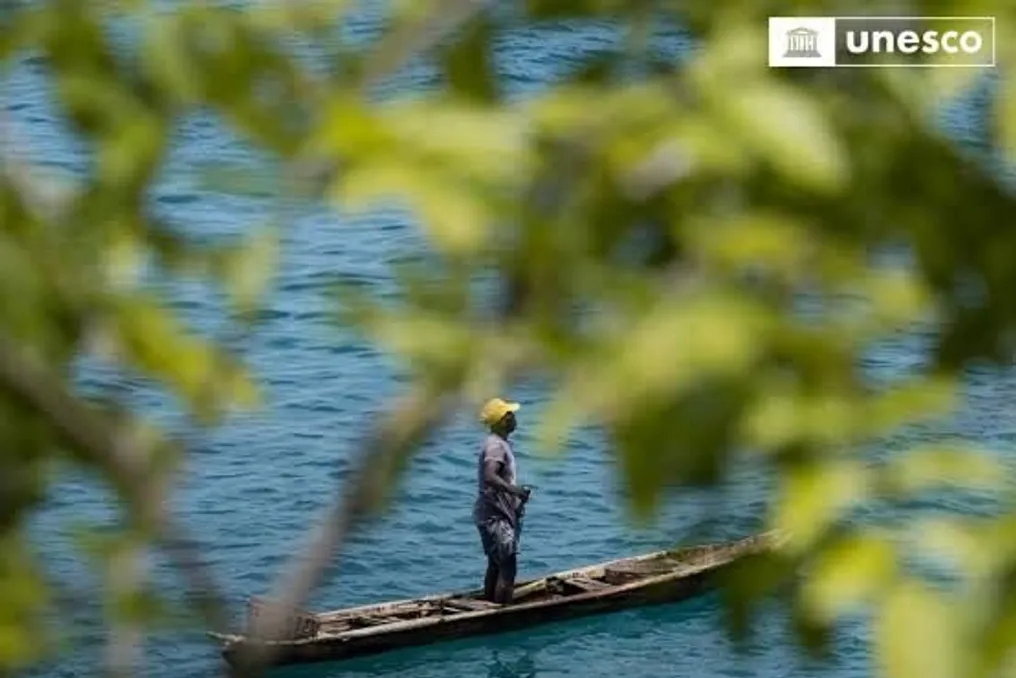
November 3rd marks the International Biosphere Reserve Day, which emphasizes the significance of these territories as examples of coexistence between humans and nature. Biosphere reserves are valuable areas where biodiversity conservation, ecosystem protection, and sustainable development of local communities are simultaneously implemented.

These territories serve not only as a refuge for plant and animal species but also as a platform for scientific research, environmental education, and testing nature-friendly development methods. In a context where climate change, habitat destruction, and loss of biodiversity have become serious threats to life on Earth, biosphere reserves are gaining increasing importance, demonstrating that nature conservation and the well-being of human communities can go hand in hand.

International Biosphere Reserve Day was adopted at the 41st UNESCO General Conference in 2021 and was celebrated worldwide for the first time on November 3, 2022. This date was chosen to commemorate the 50th anniversary of the UNESCO Man and the Biosphere (MAB) Programme, launched in 1971 to promote balanced relationships between humans and the environment, as well as to link scientific research with nature conservation and sustainable development.

Biosphere reserves were established under this program, with the first sites joining the World Network of Biosphere Reserves in 1976. They are defined by three main functions: conservation (protection of biodiversity, genetic resources, ecosystems, and natural and cultural heritage); sustainable development (promoting economic and social activities compatible with environmental protection and improving the living conditions of local communities); and scientific and educational support (conducting research, monitoring environmental changes, training, and knowledge exchange).

A key feature of biosphere reserves is their zoning into three main zones: the core zone, subject to the strictest protective regime; the buffer zone, where ecologically compatible activities are permitted; and the transition zone, where human settlements are located and sustainable development measures are carried out.

The goal of establishing this day is to raise public awareness about the importance of biosphere reserves, showcase successful nature conservation initiatives, and highlight the need for local community participation in sustainable land management. This is because environmental protection cannot be achieved solely by restricting human activity; it requires finding a balance between human needs and nature's potential.

Thanks to its rich history of nature conservation, Iran has fourteen biosphere reserves, each representing unique natural wealth. These 14 reserves include Arasbaran in the lush foothills of the northwest; Ardajan and Parishan in the southern Zagros region; Geno, known for its special climatic conditions and diverse altitudes in the south; Golestan, the jewel of the Girvan forests in the north; Hara with its remarkable mangrove forests in the Persian Gulf; Kavir with its vast and mysterious desert landscapes; Urmia Lake, one of the country's most outstanding natural sites; Miyankaleh, located on the shores of the Caspian Sea; Turan, serving as a habitat and refuge for the Asiatic cheetah; Dana, situated in the snowy heights of the Zagros Mountains; Tang-e Sayad and Sabzukh with their mountain landscapes and abundant springs; Hamun Lake in the vast eastern part of the country; Kamishlao and Dalan Kuh in the center of the central plateau; and Kopehdag in the northeast.

These outstanding landscapes, ranging from Girvan and Arasbaran forests to the majestic peaks of the Zagros and Alborz mountain ranges and renowned wetlands, provide vital habitats for a wide range of plant and animal species, as well as other components of biodiversity.

In recent years, efforts to protect this invaluable heritage have gone beyond traditional conservation approaches, increasingly including community participation, collective knowledge, and shared management. Modern technologies, such as habitat monitoring using camera traps, are combined with the restoration of damaged ecosystems based on local knowledge, helping to cope with pressure on the natural environment.

As part of efforts to strengthen these mechanisms and improve the management of the country's biosphere reserves, a draft executive decree on biosphere reserves was prepared through a fully participatory process, nearly 50 years after the creation of the country's first reserve. This draft is currently awaiting review and approval by the government's Legal and Judicial Affairs Commission.

As the first comprehensive set of specialized rules for managing biosphere reserves, this document aims to establish clear management mechanisms, enhance coordination among relevant organizations, and strengthen the participation of local communities. It also provides for the possibility of creating new biosphere reserves by the Forestry, Pasture, and Watershed Management Organization, which could potentially expand the country's capacity for biodiversity protection. Iran's fourteen biosphere reserves are more than just geographical areas on a map; they are living symbols of the country's natural heritage and a reminder that respect for nature, collective wisdom, and local population involvement can help ensure a future full of life and hope for coming generations.
Similar stories

Iran proposes creating a joint park of peace and friendship with Armenia to protect biodiversity
Read more
www.tehrantimes.com

Iran proposes creating a joint park of peace and friendship with Armenia to protect biodiversity

Iran has put forward a proposal to establish a joint Park of Peace and Friendship with Armenia. The goal of this initiative is to strengthen cross-border cooperation in the field of biodiversity conservation and wildlife protection in the Caucasus region.

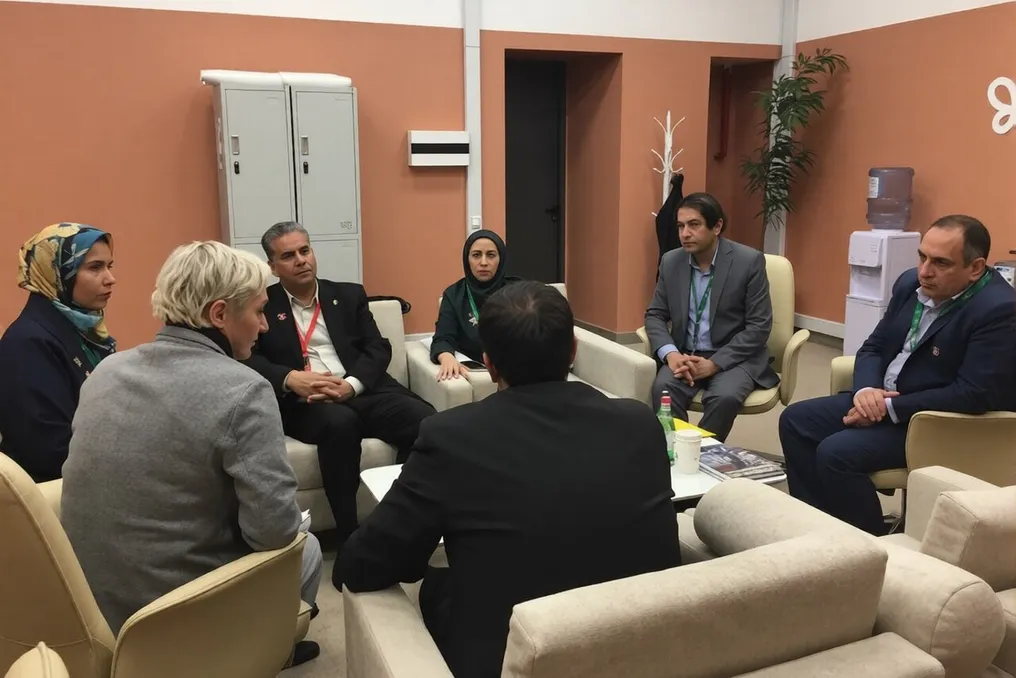
According to IRNA, Hamid Zohrabee, Deputy Head of Iran's Department of Environment (DOE), met with his Armenian counterpart Aram Meymaryan during the 17th Conference of the Parties (COP17), which took place in Armenia from October 19 to 30.

The proposed cross-border park aims to promote joint efforts to conserve biodiversity in northwestern Iran and the Caucasus region, as well as ensure the protection of vital corridors for wild animals, including routes used by the Persian leopard.

During the meetings, officials also discussed ways to expand environmental interaction and address common issues, particularly concerning the protection of the Aras River.

Meymaryan welcomed the proposal and highly praised the active participation of the Iranian delegation in COP17.

Both representatives agreed to form a working group to monitor the implementation of agreements reached after the summit.

COP17 was held in two stages: first, technical discussions took place, followed by the ministerial segment. The leaders' summit was held on October 16, during which President Masoud Pezeshkian spoke. This marked the first time that the President of the Islamic Republic of Iran attended the Convention on Biological Diversity Conference of the Parties.

Speaking at the summit, Pezeshkian called for 'peace diplomacy' to protect biodiversity, condemning the destructive impact of aggressive wars on the environment as ecocide. He strongly urged the international community to develop effective, transparent, and implementable mechanisms for preserving natural heritage during military operations.

Shina Ansari, Head of the Department of Environment, also addressed the meeting participants, stating that environmental diplomacy can become a tool of peace diplomacy, and the link between biodiversity, peace, and security must be viewed as a bilateral process.

Ansari emphasized that the connection between biodiversity and peace is not merely an ethical or political issue, but a fundamental problem in the field of environmental management, international law, and human security.

According to the Convention on Biological Diversity, she noted that the main causes of biodiversity loss are generally considered to be land-use change, habitat destruction, pollution, unsustainable exploitation of natural resources, and climate change.

The Iranian delegation met with Vivek Menon, Chairman of the IUCN SSC Species Survival Commission. They discussed methods to enhance cooperation in developing programs for the management and conservation of endangered species.

Discussions focused, in particular, on conservation and restoration programs for the Asiatic cheetah, the great bustard, and the Persian onager in their natural habitats, as well as the reintroduction of the Persian gazelle to its native areas.

The parties also discussed increasing technical and scientific cooperation and providing funding under sanctions.

Menon expressed hope that continued interaction between IUCN staff and Iranian experts would ensure the survival of endangered species such as the Asiatic cheetah in Iran.

This year, Iran officially joined the Coalition Actions for Endangered Species Recovery (CARES), which aims to strengthen international cooperation for the conservation and restoration of the country's wildlife.

CARES was presented at COP17 in Yerevan on October 16. The initiative was launched by Colombia and Armenia together with 17 founding states: Armenia, Belize, Brazil, Canada, China, Colombia, Costa Rica, Ecuador, Fiji, Indonesia, Madagascar, Mexico, Panama, Papua New Guinea, Peru, the United Kingdom, and Vanuatu. Iran became a member of the coalition as the 18th country.

The coalition is supported by the Reverse the Red Action partnership as its secretariat. The membership document was signed by Zohrabee on October 26.

Speaking at the event, Zohrabee stressed the need for fair distribution of resources and technologies to save endangered species.

Iran's name will be listed on the coalition's website as a country that has developed action plans for the conservation of 40 wild animal species to benefit from technical, scientific, and financial support from CARES.

Environmental Rangers Receive Awards for Protecting the Country's Natural Heritage
Read more
www.tehrantimes.com

Environmental Rangers Receive Awards for Protecting the Country's Natural Heritage

On Thursday, a ceremony was held dedicated to the National Day of the Environmental Ranger, during which the dedication, sacrifices, and vital role of environmental protection service employees in safeguarding the country's environment and natural resources were recognized.

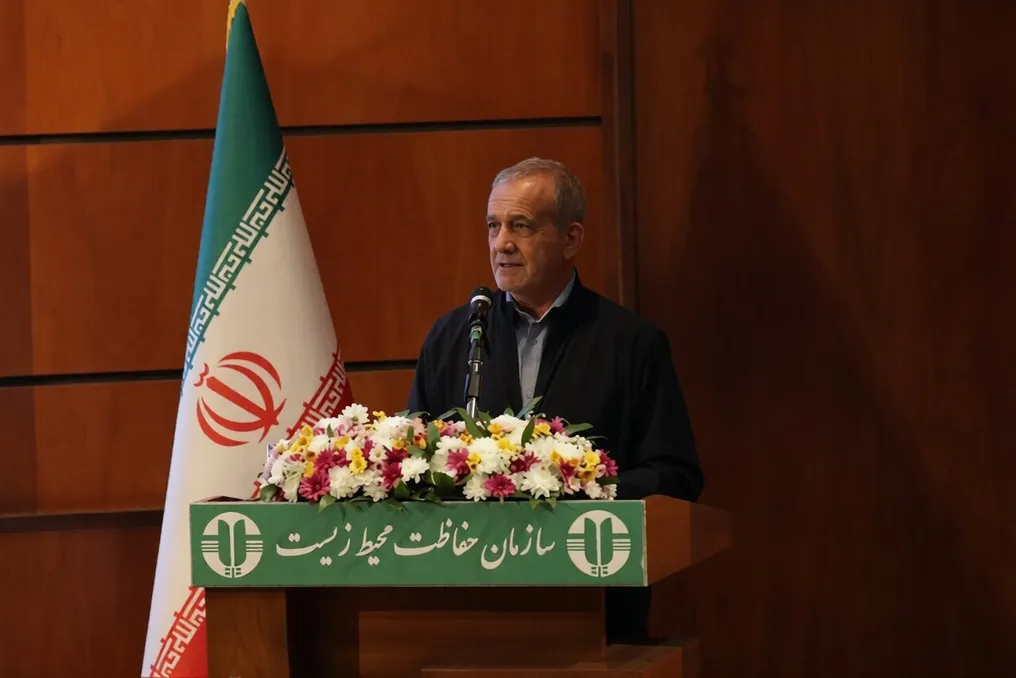
The event featured speeches by President Masoud Pezeshkian and the Head of the Department of Environment, Shina Ansari. Pezeshkian emphasized the need to reform approaches to environmental management, stating that preserving natural resources requires balancing available resources with consumption, preventing environmental degradation, strengthening constant monitoring, revising regulations, and encouraging public participation.

He added that the government is responsible for protecting the country's natural wealth and preventing its destruction. The President described environmental rangers as individuals on the front lines of protecting the country's natural heritage, insisting that they should receive more attention and support in recognition of their duties, difficult working conditions, and services provided.

Pezeshkian also warned that wars, errors, and destructive decisions harm the planet and threaten human life. He defined environmental protection as an intergenerational responsibility, stressing that education is the first step toward conserving natural resources for future generations. He cautioned that restoring Earth's natural resources after their destruction is far from simple.

Criticizing the benefits some developed countries derive from environmental degradation in developing nations, he noted that the consequences of such practices are increasingly threatening the planet.

For her part, Ansari reported that over 13 protected areas across the country have been affected by recent military actions, and ranger stations, equipment, vehicles, and wildlife have been lost.

She noted that in addition to their conservation tasks, environmental rangers cooperated with military and provincial authorities during wartime to protect the country's territorial integrity and continue safeguarding its natural assets.

Ansari also expressed respect for 154 environmental rangers who died in the line of duty over the past years, adding that another 374 people were injured or disabled while carrying out environmental protection missions.

In September, Pezeshkian designated environmental protection as a key element of the country's national and social security, emphasizing that the preservation of natural resources must be viewed within this framework.

Speaking at a meeting with environmental experts, Pezeshkian stated that the government is ready to create the necessary conditions for implementing plans, ideas, and initiatives proposed by eco-activists and specialists.

He added that the government will support scientific and practical solutions to address the country's real environmental problems, as reported by IRNA. Pezeshkian stressed that solving environmental issues requires close interaction between the government, universities, the private sector, civil society organizations, and the public.

He concluded:

National Export Day Ceremony Held with President Pezeshkian's Participation
Read more
www.tehrantimes.com

National Export Day Ceremony Held with President Pezeshkian's Participation

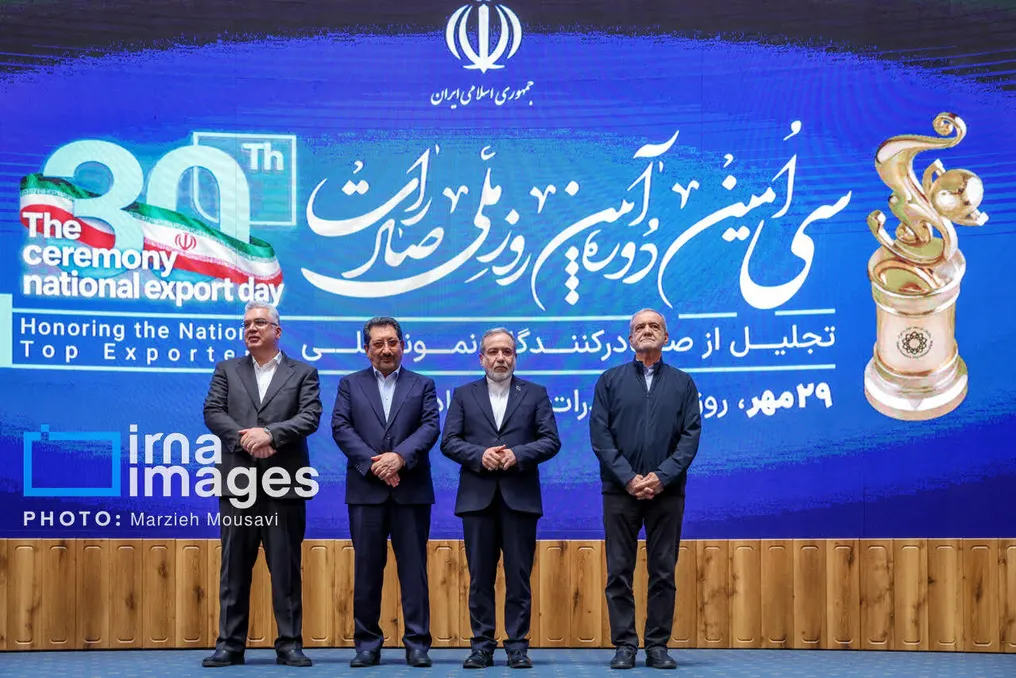
On Wednesday morning, October 21, the National Export Day ceremony took place in the Summit Hall. Attendees included President Masoud Pezeshkian, Foreign Minister Abbas Araghi, Minister of Industry, Mining and Trade Seyed Mohammad Atabak, Head of the Organization for the Promotion of Trade Mohammad Ali Dehghan Dehnavi, Head of the Iranian Chamber of Commerce, Industry and Agriculture Samad Hassanzadeh, as well as representatives from foreign trade and relevant experts. The goal of the event was to honor outstanding national exporters.

As part of the thirtieth National Export Day, the 'Export Atlas' system was presented, and 13 national premium companies and 43 national exemplary companies were awarded.

The Minister of Industry, Mining and Trade emphasized the importance of accelerating the removal of export obstacles and called for the creation of a joint committee. This committee should include the Iranian Chamber of Commerce, Industry and Agriculture, the Ministry of Industry, Mining and Trade, and the Central Bank to promptly resolve exporters' issues.

Seyed Mohammad Atabak, speaking at the ceremony, noted the presence of private sector representatives in the High Council for Non-Resource Exports. He stated that given the numerous state bodies within the council, it is necessary to first form a specialized committee to review issues at the highest level and make necessary decisions.

Addressing the President, the minister added that in the current situation, especially considering frequent changes in the status of some borders, decisions must be made faster. Therefore, he proposed creating a committee involving the Iranian Chamber of Commerce, Industry and Agriculture, the Ministry of Industry, Mining and Trade, and the Central Bank. This body could address current exporter problems, while issues requiring higher-level decision-making would be forwarded for final approval to the High Council for Non-Resource Exports.

Atabak also commented on the presentation of a comprehensive atlas of the country's official trade gateways. He expressed hope that this atlas would serve as a reference material for foreign trade participants, but for it to remain relevant, the information must be constantly updated under the guidance of the Iranian Organization for the Promotion of Trade.

Furthermore, the minister highlighted the need to strengthen the presence of Iranian traders in target markets, mentioning the potential of the country's trade agreements. He noted that barriers to trade development are decreasing in some markets, including the Eurasian Economic Union, but the presence of Iranian traders there still needs strengthening.

Referring to a meeting with Eurasian Economic Union officials last week, Atabak reported that the Union's representatives did not consider the number of active Iranian traders proportional to existing opportunities. Nevertheless, he stressed that the efforts of the country's exporters have already placed Iran among the leading countries in this field, and yet, increasing the presence of Iranian traders in the member states' markets remains necessary.

The minister also announced agreements reached in the field of standards. It was agreed that existing national standards and certificates of origin would be used to prevent export stoppages due to standard issues, allowing the export process to continue without goods facing such barriers.

He concluded this segment by emphasizing the need to monitor the achieved agreements, continuously update the comprehensive atlas of the country's official trade gateways, and strengthen decision-making mechanisms to eliminate export barriers.

The Head of the Iranian Organization for the Promotion of Trade, emphasizing the need to facilitate regulation, compensate for rising transportation costs, and strengthen the position of Iranian firms in global markets, announced the preparation of ten proposals. These proposals aim to be incorporated into the decision-making cycle and simplify exporters' operations.

Mohammad Ali Dehghan Dehnavi stressed the importance of supporting exporters, removing internal obstacles, and strengthening infrastructure for export development during the 30th National Export Day ceremony.

Dehghan Dehnavi, speaking about the role of exporters in the country's economy, stated that National Export Day is not just a day for announcing figures and action lists, but rather a day to recognize those who have created and maintained the link between the domestic market and foreign buyers.

He added that exporters have not stopped the trade process under difficult conditions caused by war, sanctions, and economic blockade. Despite difficulties in fund transfers, exporters remained committed to their obligations and worked to maintain employment. This resilience demonstrates their decisive role in preserving trade turnover and the continuity of the country's economic activity.

Referring to the slogan 'Dynamic Trade, Value-Creating Export,' the Head of the Iranian Organization for the Promotion of Trade noted that this year's slogan cannot be reduced to a mere name; it is a criterion for assessing the effectiveness of participants in non-resource exports.

Speaking about the significance of transport routes in the country's foreign trade, Dehghan Dehnavi pointed out that seventy-five percent of the country's foreign trade was conducted by sea, but thanks to the efforts of various agencies, especially the private sector, alternative routes were reviewed during this period, allowing the trade process to continue.

Highlighting Iran's potential in trade development, Dehghan Dehnavi added that the country possesses the capabilities, knowledge, skills, and specialized human resources that can be utilized to increase trade volume and raise it from one billion dollars per week to one billion dollars per day.

The Deputy Minister of Industry, Mining and Trade called exporters the vanguard of economic warfare, stating: 'Our duty is to remove internal barriers standing before exporters and facilitate their activities.'

Dehghan Dehnavi, regarding the rise in transportation costs under current conditions, considered that allocating appropriate incentives is one solution to compensate for these costs. He stated: 'We must remove existing barriers to trade, simplify regulations, and develop the necessary executive capabilities for the effective presence of economic entities in global markets.'

He further emphasized the importance of maintaining target markets and achieving value-creating exports: 'Exporters have ensured the stability of the country's trade despite numerous pressures. On this path, we must create a foundation for a more sustainable presence of Iranian products and services in global markets by enhancing export potential and focusing on value creation.'

The Head of the Iranian Organization for the Promotion of Trade also stressed the need for solution-oriented decision-making and announced the preparation of 10 proposals, expressing hope that incorporating these proposals into the decision-making cycle would accelerate the process of resolving issues and eliminating barriers to export development.

In conclusion, Dehghan Dehnavi thanked economic entities and everyone involved in the country's export development.

Speaking at the same ceremony, the President of the Iranian Chamber of Commerce, Industry and Agriculture, Samad Hassanzadeh, praised exporters for maintaining export flows despite difficult economic and military conditions, as well as for resisting hostile intentions. He noted that protecting exports in recent critical military conditions was a strategic necessity to ensure employment, foreign currency inflows, and Iran's economic credibility, and thanked the Ministry of Industry, Mining and Trade, the Organization for the Promotion of Trade, and other agencies for combating barriers and supporting trade routes.

Hassanzadeh stated that Iran is in a state of 'neither war nor peace,' marked by uncertainty, economic pressure, trade restrictions, and threats to transport routes. Foreign trade is increasingly suffering, and the adversary seeks to weaken Iran's economic competitiveness by increasing transaction costs. He argued that the response must be a unified message from government officials and the private sector: transforming external pressure into a coordinated will to maintain trade turnover, eliminate internal barriers, and neutralize the cost of external pressure through rationality, pragmatism, and decisions based on national interests.

He called for moving from daily crisis management to sustainable trade mechanisms and rethinking the place of exports in macroeconomic policy. This requires coordination of monetary, industrial, financial, and trade policies, as well as avoiding decisions that increase the cost of Iranian firms' presence in markets. He proposed establishing a Headquarters for Ensuring Continuity of Foreign Trade involving the government and the private sector, customs, the Central Bank, and other agencies to develop an operational plan. Priorities should include diversifying transport routes, simplifying customs and border procedures, strengthening trade insurance and risk management, and improving interagency coordination.

Regarding monetary policy, Hassanzadeh strongly urged aligning currency and working capital repatriation mechanisms with trade realities. He demanded a review of restrictive procedures using business cards, distinguishing between intentional violations and limited and recoverable obligations, providing adequate time to fulfill currency obligations, and abandoning punitive measures against honest exporters.

He emphasized that maintaining traditional markets and developing new ones requires attention to costs, payment terms, tariffs, and freight. Without logical support, Iranian exporters cannot compete with regional and international rivals, and lost markets are not easily regained. He called for making economic diplomacy operational—securing tariff and transport agreements, removing customs obstacles, and expanding cooperation with neighbors with greater coordination between relevant agencies, the Iranian Chamber of Commerce, and joint chambers.

Finally, Hassanzadeh called for shifting from sporadic exports to a sustainable market presence through added value, quality, completed production chains, and stronger Iranian brands, while simultaneously supporting related industries, technical and engineering services, knowledge-based products, and service exports. He also called for revising the relationship between the public and private sectors based on trust, partnership, and responsibility, and turning private sector requests into a priority, time-bound action plan.

Popular