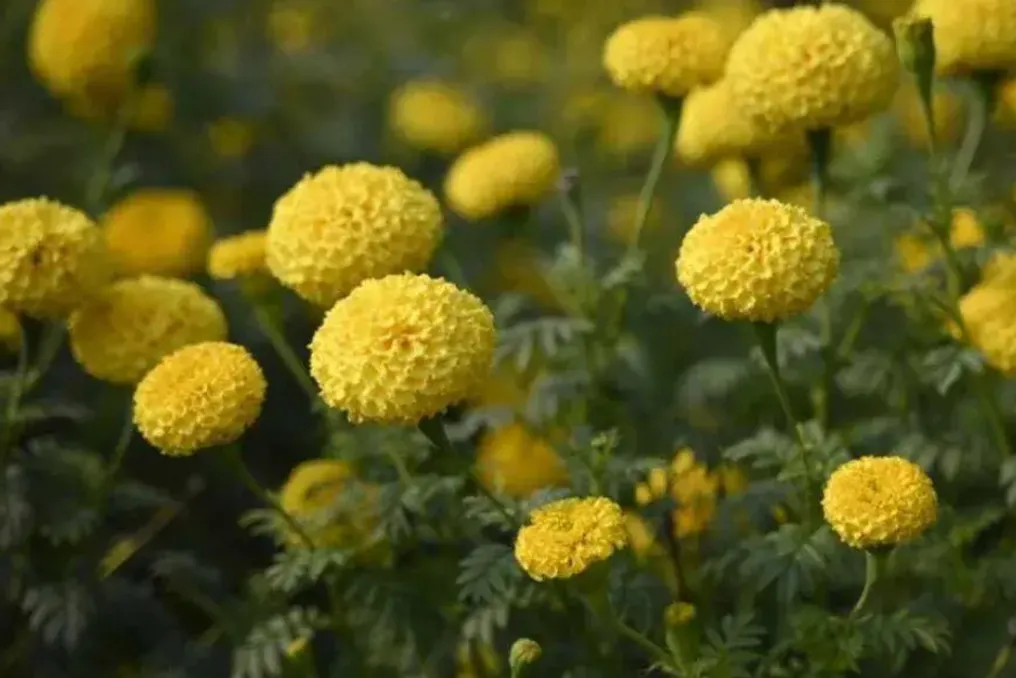
Marigolds can bring a vibrant splash of yellow and orange to a home garden, adorning balconies, terraces, and windowsills. These flowers are also frequently used in Indian festivals to create garlands and decorations.
Growing marigolds indoors does not require an extensive garden, but successful cultivation demands understanding their needs, from selecting the right variety to ensuring proper drainage. The experience of a farmer who has been cultivating these flowers for many years offers valuable lessons.
In many regions of India, October and November are favorable months for planting marigolds, as the cooler weather promotes their growth and blooming. If you plan to add these cheerful flowers to your garden, now is the right time to start.
Arup Kumar Ghosh, a farmer from Kolagata in the East Midnapore district of West Bengal, began gardening in 2011. After working in a flower shop in Hyderabad, he returned to his hometown and decided to grow marigolds independently.
His first attempt was unsuccessful: local seedlings produced small flowers that did not meet market standards, leading to losses. Seeking to improve quality, he traveled to Thailand and spent six months there, training at Bangkok Blossom Market.
During his training, he learned about the Tennis Ball marigold variety, which is valued for its bright, round flowers. He brought back seeds of yellow and orange varieties and began cultivating them on rented land.
Reflecting on his early experiments, he told The Better India: 'In the early stages of farming, I had to experiment with various fertilizers and treatment methods to find what worked best. It was all trial and error.'
Over time, he refined his cultivation methods and expanded his farm. His experience offers several useful recommendations for anyone looking to grow marigolds at home.
Tips for Growing Marigolds
1. Provide marigolds with sufficient sunlight
Sunlight is one of the first factors to consider when choosing a location for planting marigolds. A shaded corner may not be the best spot for these flowering plants. Arup explains that marigolds require a lot of sun, so he ensures the ground is not shaded by tall trees or other obstructions.
For home gardeners, this means choosing a sunny spot on a balcony, terrace, or in the garden. Position pots so that the plants receive several hours of direct sunlight daily. Whenever possible, avoid areas where taller plants or walls block the light for most of the day.
2. Carefully select seeds and varieties
Arup learned the importance of choosing the correct planting material through his experience. The local marigold seedlings he initially purchased yielded small flowers unsuitable for his business. During his training in Thailand, he discovered a new variety. He explains: 'I learned about a high-quality flower called Tennis Ball marigold. It is valued for its bright, round flowers and ability to withstand long-distance transport without damage.'
For a home garden, you can purchase marigold seeds or seedlings from a reliable nursery. Consider the available space, preferred color, and desired flower size. If you are new to gardening, it is easier to start with healthy seedlings than to grow plants from seed. Before purchasing, check the leaves and stems, avoiding plants that look sick or heavily damaged.
3. Ensure the soil drains well
Water management became an important part of Arup's farming experience, especially during the monsoon season. He notes: 'The main thing is to ensure that the fields do not retain too much water, especially during monsoons. I must ensure that the drainage system is effective so that water does not stagnate and harm the plants.'
This same principle applies to potted marigolds. Choose containers with drainage holes and use a potting mix that allows excess water to flow out. Do not leave pots sitting in water collected in trays. Check the soil before watering; if it is still moist, wait before adding more water. The goal is to provide enough moisture for healthy growth without allowing roots to sit in overly saturated soil.
4. Monitor for pests
Pests can affect flowering plants both in home gardens and on commercial farms. Regularly inspecting marigolds helps notice problems before they spread. The farmer shares his approach to pest control, saying: 'Instead of relying on harmful chemicals, I use neem oil, bone meal, and cow dung.'
It is important for home gardeners to understand that these materials serve different purposes. Neem oil-based products can help control certain pests when used according to label instructions. Bone meal and cow dung are soil amendments, not direct replacements for pesticides. Regularly inspect leaves and stems for insects or unusual changes. If using manure, ensure it is well-rotted and suitable for gardening. Use any fertilizers or soil additives in the recommended amount.
5. Take precautions during heavy rain
Unpredictable weather can damage marigold crops, especially when heavy rain leads to water accumulation around the roots. Arup explains: 'I cover the field with netting so they can grow well in harsh weather conditions.'
A home garden will have different requirements than a commercial farm, but a few simple precautions can still help. When forecasting strong winds or heavy rains, move smaller pots to a sheltered area. Secure tall plants so they do not fall over, and ensure drainage holes remain clear. After heavy rain, check pots for standing water and allow excess moisture to drain.
6. Be patient and learn from experience
The farmer's journey was not without setbacks. His first harvest did not meet the desired quality, and he had to experiment with different methods before finding what suited him. Home gardeners can use a similar approach by observing their plants and making adjustments as needed. If your marigolds look unhealthy, check if they are receiving enough sunlight, if the soil drains well, and if there are signs of pests. Use fertilizer suitable for flowering plants and follow the recommended dosage. Avoid making multiple changes at once, as this can make it difficult to understand what is helping or harming the plant.
Growing Marigolds at Home
Arup Kumar Ghosh's experience demonstrates how observation, experimentation, and patience can contribute to improving marigold cultivation. Although growing flowers in several pots differs from managing a commercial farm, the basic principles remain relevant. By adhering to proper growing conditions and consistent care, marigolds can bring a long-awaited burst of color to your home garden.