Onodera Group plans to train Uzbek citizens for employment in Japan
Read more
UzDaily
uzdaily.uz

Onodera Group plans to train Uzbek citizens for employment in Japan

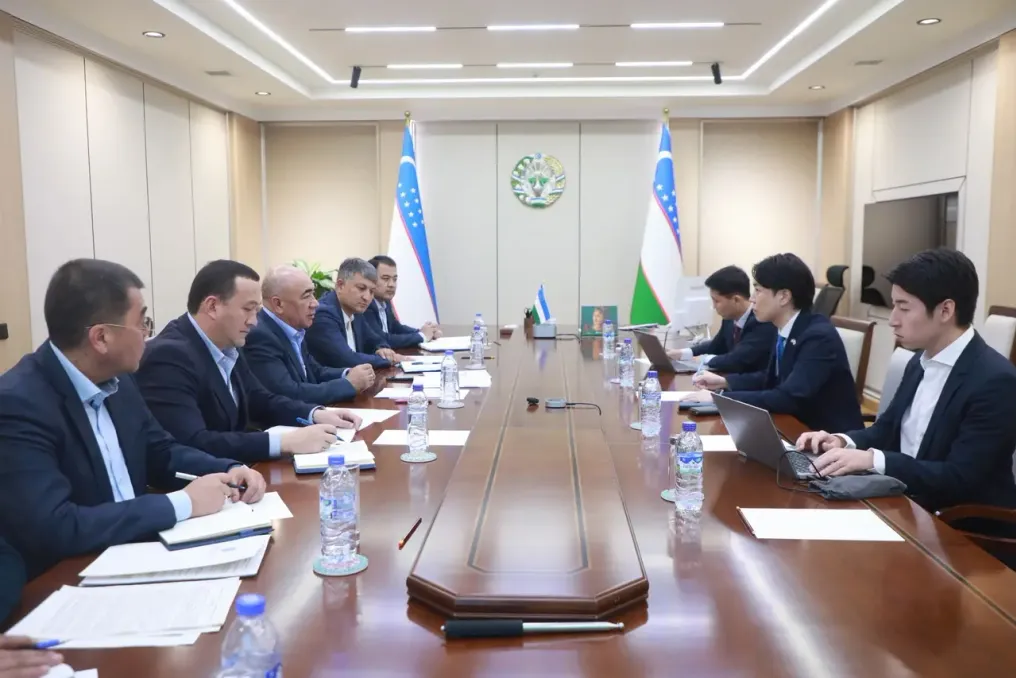
The Japanese company Onodera Group intends to assist citizens of Uzbekistan in preparing for work in Japan, including training as a professional driver. This was discussed within the framework of the cooperation program with Tashkent region governor Zoyir Mirzaev.

During the meeting, the parties discussed issues of professional training for Uzbek citizens before their departure to Japan, as well as organizational aspects related to subsequent employment. Special attention was paid to driver training and the creation of specialized infrastructure.

According to the proposed program, candidates will undergo professional training before traveling to Japan. During this period, the company commits to providing them with free accommodation and meals, handling visa applications, assisting with employment, and resolving housing issues after arrival in Japan.

The cooperation plans also include a visit by representatives of 17 Japanese companies to the Tashkent region, who are expected to discuss employment opportunities for Uzbek citizens.

Issues of Construction and Training

One of the key topics of the negotiations was the proposal to build a specialized racetrack in the region. This facility must be adapted to Japanese traffic rules, including road sign specifics and vehicle operation requirements. Representatives of Onodera Group offered their support in implementing this project.

The parties also discussed the possibility of establishing a college on this track to train professional drivers. Another initiative involves sending bus drivers from the Tashkent region to Japan for three-month professional advanced training courses. After completing the training and studying Japanese traffic, participants can share their knowledge in Uzbekistan, for example, by teaching in local educational institutions and training new drivers according to Japanese standards.

According to the presented plans, the educational center will be able to train up to 200 people annually. Furthermore, discussions covered professional training in other specialties, skill development, and assistance with employment in the international labor market.

Similar stories

Uzbekistan and Belarus Discuss Workforce Training for Nuclear Energy
Read more
uzdaily.uz

Uzbekistan and Belarus Discuss Workforce Training for Nuclear Energy

A delegation from Uzbekistan's agency Uzatom held working meetings with representatives of educational institutions and industry in Belarus in Minsk. The purpose of the meetings was to discuss workforce training and potential cooperation within the framework of the nuclear power plant construction project in Uzbekistan.

The main focus of discussions with Alexander Novikov, director of the Minsk State Energy College, was on training mid-level technical specialists required for the operation and construction of energy facilities.

Opportunities for partnership through the Jizzakh Polytechnic Institute were discussed, including the potential creation of a training center for electricians, welders, and other technical specialists in demand by the energy sector.

The Minsk State Energy College has been training specialists for the Belarusian energy industry for over fifty years, having graduated more than 20,000 students. Since 2009, the college has also trained personnel working at the Belarusian Nuclear Power Plant, participating in its construction.

College representatives noted that cooperation with energy companies allows for the combination of classroom learning with practical training while improving graduates' employment prospects.

Novikov emphasized the readiness of the Belarusian side to share its experience in human resource development. He stated that creating a qualified workforce in the field of nuclear energy requires a systemic approach to education, close interaction with industry, and the development of practical skills.

During the visit, the Uzatom delegation also met with Nadezhda Lazarevich, chairwoman of the Belprom concern, and company management to discuss possible industrial cooperation related to the Uzbekistan NPP project.

The parties studied potential areas of joint work aimed at strengthening the technological resilience of the future facility and developing industrial partnerships. Belprom enterprises export products to more than 60 countries and have experience in international cooperation.

Lazarevich reported that Belarus is closely monitoring the development of Uzbekistan's nuclear industry and sees opportunities for long-term cooperation as the country's industrial potential grows. She also expressed the concern's readiness to participate in joint initiatives.

At the conclusion of the meetings, both sides confirmed their interest in expanding practical cooperation, especially regarding specialist training and industrial partnership related to the construction of the Uzbekistan nuclear power plant.

Uzbekistan and Japan Discuss Training of Workforce for Yamagata Prefecture
Read more
uzdaily.uz

Uzbekistan and Japan Discuss Training of Workforce for Yamagata Prefecture

Representatives from Uzbekistan and Japan, particularly the Yamagata Prefecture, held discussions on cooperation aimed at training and attracting Uzbek specialists to meet the needs of Japanese employers, according to the Migration Agency of Uzbekistan.

The negotiations took place at the INTIL International Center for Language and Vocational Training between the Director of the Migration Agency, Mukhsinkhojo Abdurakhmonov, and a delegation from Yamagata. The Japanese delegation included representatives from prefectural government bodies, Yamagata University, and companies interested in hiring workers from Uzbekistan.

The main topic of discussion was the issue of labor shortages in Yamagata and the organization of professional training for potential employees. The Japanese side emphasized the staff deficit in the region and expressed a desire to attract foreign specialists willing to work for local enterprises and adapt long-term in the region.

The Migration Agency of Uzbekistan presented a model for targeted workforce preparation within Uzbekistan before candidates are sent to Japan. According to the proposed plan, Japanese employers will define the qualification requirements, Japanese language proficiency level, and curriculum content for candidates. Uzbekistan will be responsible for organizing candidate selection, as well as their vocational and language training, practical sessions, and relocation preparation.

The INTIL Center has classrooms and facilities for practical training, conducting interviews, and professional assessment. It also has a dormitory designed for approximately 400 people. The Migration Agency stated its readiness to provide foreign partners with free access to the center's infrastructure for joint training programs related to the subsequent employment of Uzbek citizens.

Another subject of discussion was the training of professional drivers for work in Japan. The Uzbek side reported the establishment of a specialized training center in Tashkent Region. This center will use right-hand drive vehicles and simulate Japanese road conditions, allowing for the assessment of candidates' driving skills and practical training before they travel abroad.

Participants also explored opportunities for cooperation in information technology and engineering. A representative from the Japanese company MSI spoke about their experience in hiring foreign IT specialists and showed interest in working with Uzbekistan. The companies invited them to learn about the opportunities in IT Park Uzbekistan, including the 'Zero Risk' mechanism, which provides infrastructure and other support to foreign IT companies starting operations in the country.

Abe Engineering also expressed interest in hiring engineering and technical personnel. Initially, the company is considering employing or interning one or two Uzbek citizens.

During the meeting, specialized Japanese language courses for students of technical universities and the formation of training groups based on employer requirements were also discussed. Special attention was paid to the preliminary agreement on working conditions, including salary, duration of study, language proficiency requirements, and prospects for professional growth.

To advance the cooperation, Abdurakhmonov proposed holding a presentation on the potential of the Uzbek workforce in Yamagata Prefecture in February or March 2027, with the participation of local employers. The parties also discussed a possible visit by prefecture leadership to Uzbekistan to study the country's vocational education system, technical universities, and the facilities of the Migration Agency.

Following the negotiations, the parties agreed to exchange information on business needs in Yamagata, define priority professions and candidate requirements, and develop joint language and vocational training programs. It is expected that this cooperation will expand opportunities for Uzbek citizens to find legal employment in Japan and support the training of specialists in line with the demands of Japanese employers.

Uzbekistan and IOM plan to expand citizen training for working abroad
Read more
uzdaily.uz

Uzbekistan and IOM plan to expand citizen training for working abroad

Uzbekistan intends to begin expanding language and professional training programs for its citizens seeking employment abroad starting in 2027. These programs will be adapted to the requirements of foreign employers.

The discussion of these plans took place on October 19, 2026, between Migration Agency Director Muksinhudjoy Abdurakhmonov and International Organization for Migration (IOM) representative Andrew Gray.

It is planned that the training will include targeted courses in languages and professional skills lasting from three to six months. Furthermore, Uzbekistan aims to increase the number of qualified workers employed in other countries.

Developing labor mobility with Sweden

Another topic of discussion was the development of labor mobility in cooperation with Sweden. According to agreements between the two states, the parties intend to create a pilot employment mechanism, study work permit issuance procedures, and assess approaches to determining labor market needs.

Officials also spoke about expanding pre-departure training for citizens planning to work abroad. In addition to linguistic and professional competencies, the training programs will cover workers' rights, financial literacy, employment contract terms, and working conditions in host countries.

Increased attention will be paid to protecting potential migrants from cyber threats and online fraud. The INTIL center is expected to become one of the main venues for conducting this training.

Andrew Gray noted that foreign countries and employers are showing growing interest in specialists from Uzbekistan. Following the meetings, both sides emphasized that the effectiveness of their cooperation should be assessed not by the number of events held, but by the real benefit it brings to citizens. The main priorities will be training specialists who meet the demands of foreign employers and increasing citizens' readiness for employment outside Uzbekistan.

Popular