ISHO, founded by Wang Teng, unveils smart ring and bed temperature regulation system, planning debut at CES 2027
Read more
Pandaily
pandaily.com

ISHO, founded by Wang Teng, unveils smart ring and bed temperature regulation system, planning debut at CES 2027

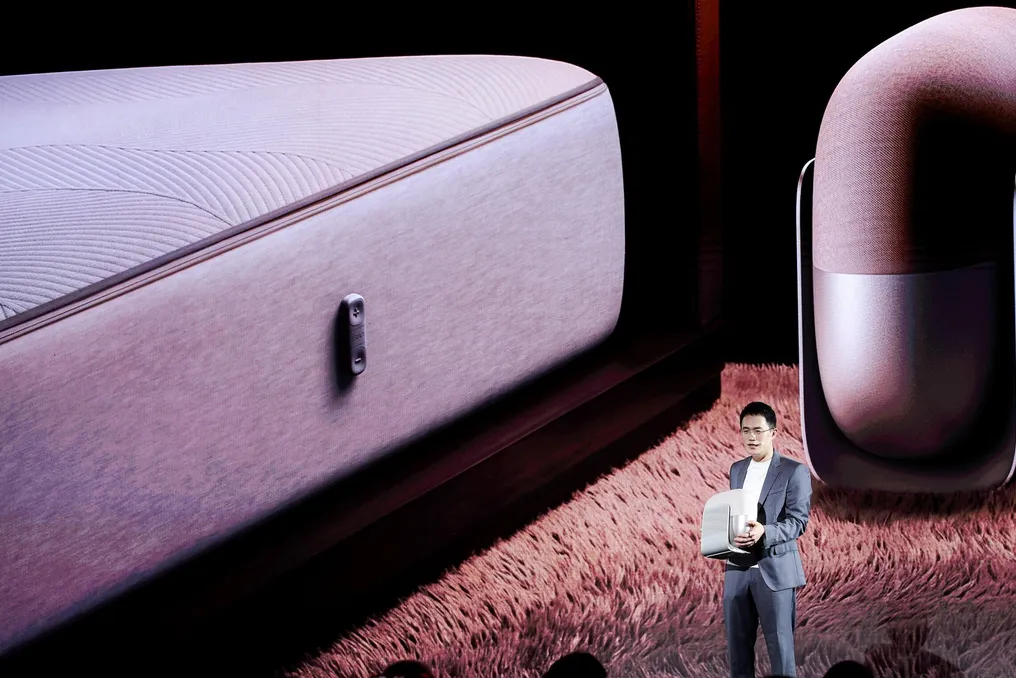
ISHO, a sleep technology startup based in Beijing, was founded by former Xiaomi executive Wang Teng. At an event held in Beijing on October 29, the company introduced its first hardware products: the ISHO Ring smart ring and the ISHO iFlow sleep temperature regulation system. Both devices integrate via the ISHO application.

In a press release dated October 30, ISHO announced plans to expand beyond China and revealed its participation in the CES 2027 exhibition in Las Vegas in January.

Features of the ISHO Ring Smart Ring

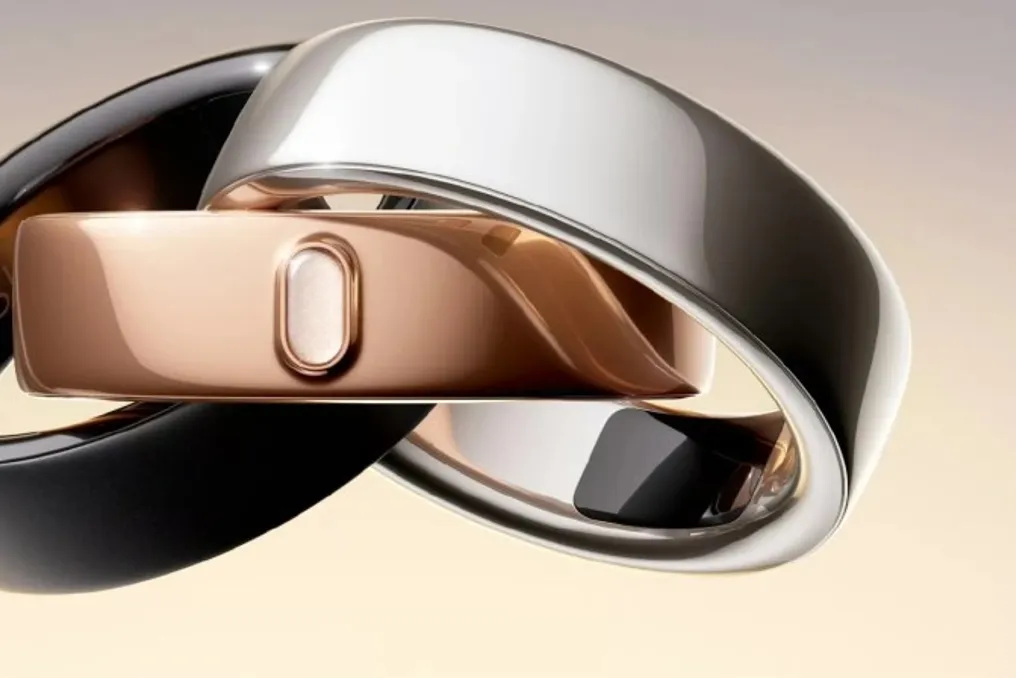
The ISHO Ring is positioned as a monitoring device. According to the company, it features a TC4 titanium alloy casing, an Apollo 330B Plus chip capable of local artificial intelligence, OSRAM photodiodes for optical heart rate measurement, analog front-end components and a skin temperature sensor from Analog Devices, as well as a six-axis motion sensor. The ring has 32MB of memory, sufficient to store data for up to seven days in autonomous mode, and a stated battery life of six to ten days.

The ring tracks 18 different metrics, including sleep stages, activity, recovery, and ambient light exposure, aggregating them into an 'energy score' in the app. There are two versions of the ring with the identical core set of health functions. The Pro model includes a charging case equipped with sensors for carbon dioxide, temperature, humidity, noise, and illumination, which the company claims are used to correlate bedroom conditions with sleep data. ISHO emphasized that this ring is not a medical device.

Description of the ISHO iFlow System

The ISHO iFlow system is presented as a sleep intervention product—a mattress cover that supports regulating the surface temperature of the bed throughout the night. It uses two sensor strips for ballistocardiography and body temperature sensors to track heart rate, respiration, and movement without the need to wear a wearable device. The system is controlled by a MediaTek Genio 420 controller with 7.2 TOPS of computing power on the device and a thermoelectric module that independently heats or cools each side of the bed. The company claims that the system adapts the temperature according to the sleep stage to prolong deep sleep, although independent data on this effect has not yet been published.

In terms of software, ISHO Intelligence combines its proprietary physiological signal model with a personal AI agent that generates energy recommendations for both sleep and wakefulness. The company notes that the data obtained from the ring and the mattress system are intended to complement each other, forming a cycle of monitoring, analysis, adjustment, and improvement.

Pricing and Availability

The initial retail price in China is set at 1,799 RMB for the ISHO Ring and 2,199 RMB for the Pro model. The iFlow system starts from 9,999 RMB, with the Pro version priced at 12,999 RMB, while the edition co-developed with SHANG XIA is offered at 15,999 RMB. Pre-orders were opened during the launch; the ring is scheduled to ship from November 11, and iFlow from December. ISHO has not yet disclosed international prices or delivery dates.

ISHO was established in January 2026 and states that it has over 100 employees working on AI algorithms, clinical medicine, and sleep science.
Similar stories

Former Xiaomi executive unveils smart ring and AI-based sleep system
Read more
technode.com

Former Xiaomi executive unveils smart ring and AI-based sleep system

The sleep technology startup ISHO, founded by former Xiaomi executive Wang Teng, unveiled its first products on October 29. Among them are the ISHO Ring smart ring and the iFlow bed temperature control system.

These devices start at a price of 1,799 yuan for the ring and 9,999 yuan for the iFlow system. The ring is designed to monitor physiological indicators to track sleep and provide daily recommendations for energy management.

The device has a claimed battery life of six to ten days and can store seven days of data offline. An additional Pro package costing 2,199 yuan includes a charging case with an ecological sensing function.

The iFlow system combines monitoring of heart rate and breathing during the night with active temperature regulation, including the ability to create separate temperature zones for two people sleeping together. Both products are available for pre-order. Ring delivery is scheduled for November 11, and the standard iFlow system will arrive in December.

China releases first AI models based on Fenyun satellite data for typhoon analysis and severe storm warnings
Read more
pandaily.com

China releases first AI models based on Fenyun satellite data for typhoon analysis and severe storm warnings

China has introduced the first batch of artificial intelligence models for predicting extreme weather events, developed using meteorological data from the Fenyun satellite. The presentation took place on October 29 at the Fenyun Satellite User Conference 2026, according to CCTV News. The goal of this release is to transition from describing current weather using the Fenyun satellite to forecasting future weather conditions.

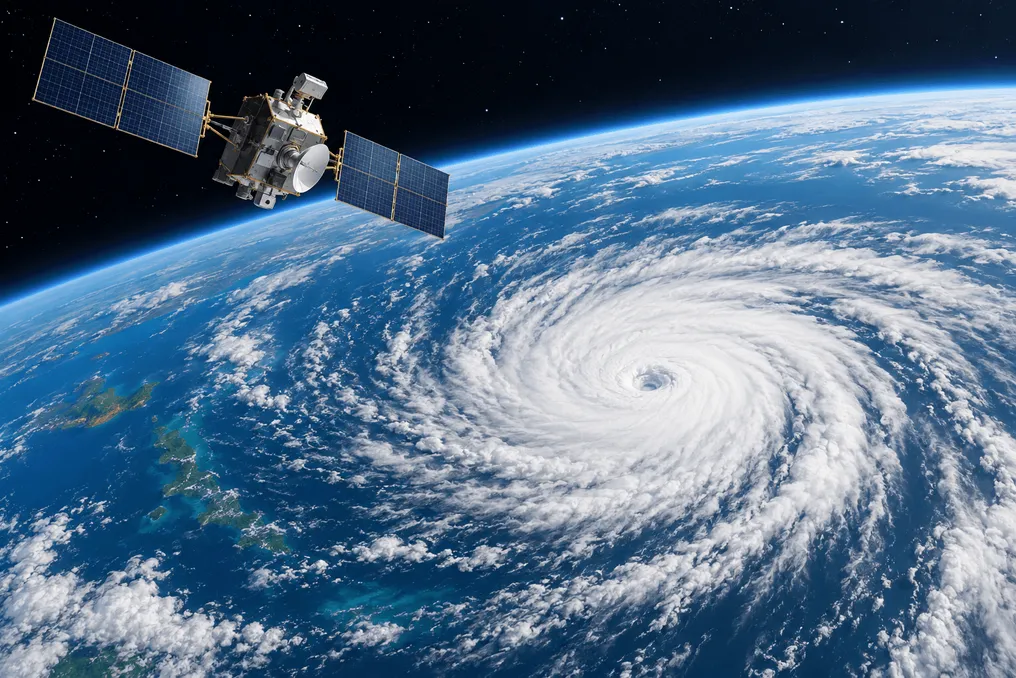
The first model is designed to interpret images of typhoon clouds. It combines multi-channel Fenyun cloud imagery with other satellite products to automatically determine the position, structure, intensity, and probable evolution of a typhoon, after which it generates a textual interpretation. The model covers seven categories of typhoon features and utilizes over 20 real-time satellite observation products. Interpretation is performed every 15 minutes and takes only 27 seconds.

As an example, the developers used Typhoon Surigae, which occurred this year. After automatically detecting the storm, the model provided a comprehensive analysis of its intensity, wind radius, and precipitation characteristics to support monitoring and forecasting. Previously, similar work required manual analysis of satellite images by meteorologists; therefore, automating the initial stage provides them with a faster and more consistent starting point.

The second model aims for earlier warning of severe convective phenomena, such as thunderstorms. It applies artificial intelligence to two hours of continuous observations from the Fenyun-4 satellite to predict cloud development. The main idea is to divide cloud evolution into two components: the general movement of large weather systems and the local growth and decay of smaller ones. This approach increases the lead time for warnings to four hours.

The conference also featured an innovation team in satellite meteorology and artificial intelligence technologies from the Xu Jiangmin Meteorological Satellite Innovation Center. This team comprises 49 researchers from 12 institutions and will jointly work on multimodal representation of satellite meteorological data, as well as monitoring and early warning of extreme weather conditions.

These satellite models complement the growing suite of AI tools for weather forecasting in China, which previously focused on medium-range forecasts based on reanalysis data. The new models work directly with satellite observation data, which meteorologists most frequently use when a storm is already forming.

Tencent grants access to Yuanbao search for developers to create AI models and agents
Read more
technode.com

Tencent grants access to Yuanbao search for developers to create AI models and agents

Tencent has opened up its Yuanbao search system to external developers and enterprises via the Tencent Cloud platform. Consequently, the search infrastructure previously used by the company's proprietary artificial intelligence products has been transformed into a commercial service.

This was announced on October 20th. The offered service combines publicly available web information with Tencent's proprietary content ecosystem and is designed to provide information extraction capabilities for large language models and AI agents.

Tencent stated that Yuanbao Search possesses an index containing hundreds of billions of records and processes hundreds of millions of queries daily. The system supports over 50 internal business projects, including WorkBuddy, ima, and Tencent Video.

The search engine is integrated with 157 information sources across 13 different sectors, including finance, healthcare, law, and travel. Furthermore, it provides near real-time information updates, such as for news, weather forecasts, and market prices.

Popular