International Energy Agency warns that low gas reserves in Europe could prolong market tensions
Read more
Noticias ao Minuto
noticiasaominuto.com

International Energy Agency warns that low gas reserves in Europe could prolong market tensions

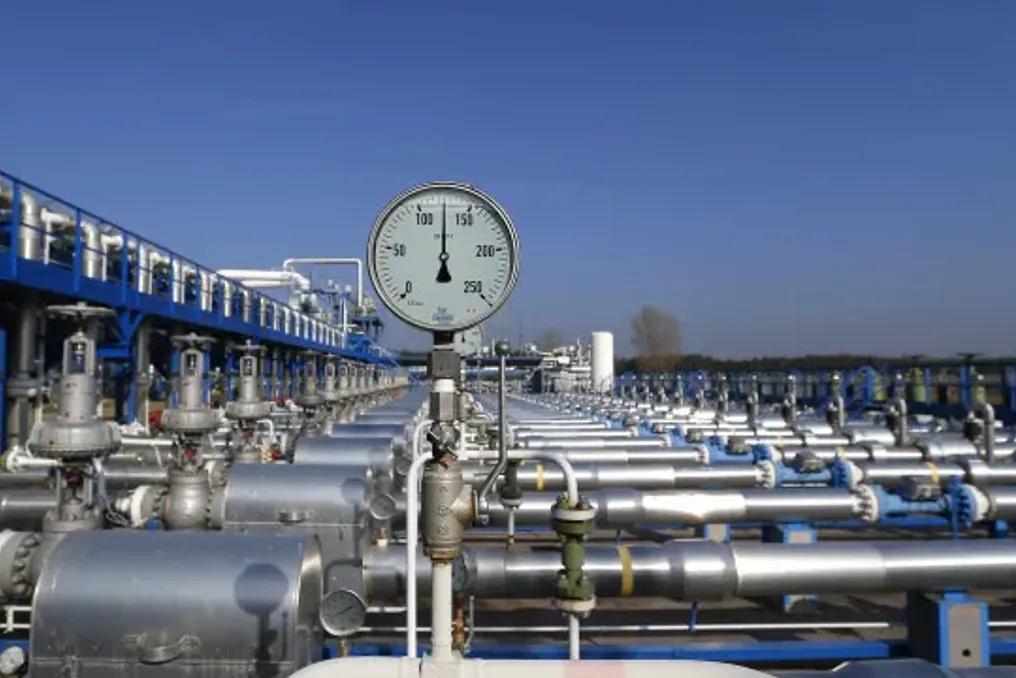
A recent report from the International Energy Agency (IEA) indicates that Europe will face an autumn and winter with natural gas reserve levels lower than in over a decade, a condition that has the potential to extend tensions in energy markets.

The document, titled 'Global Gas Security Review 2026,' prepared by the IEA, highlights that structural transformations over the last decade have altered the global gas market, giving it greater liquidity, interconnection, and flexibility, although also making it more complex.

The expansion of activities in the spot market and the growth of liquefied natural gas (LNG) contracts, which offer greater freedom regarding their destinations, have strengthened, according to the IEA, the connection between regional markets and the ability to withstand supply failures.

However, the report points out that the effective suspension of LNG flow through the Strait of Hormuz, motivated by the current Middle East conflict, resulted in a reduction of more than 60 billion cubic meters (bcm) of gas supply from Qatar and the United Arab Emirates between March and October this year.

This interruption raised gas prices in both Asia and Europe to the highest levels since the supply crisis of 2022-2023, as indicated by the IEA, an organization based in Paris.

The agency projects that global LNG supply will decrease by 3% in 2026, corresponding to almost 20 bcm. Simultaneously, global gas demand is expected to fall by approximately 1.5%, or about 65 bcm, due to reduced demand in the Middle East, lower industrial consumption in Europe, and the substitution of gas with coal in the electricity sector of various Asian countries.

In the European Union, storage deposits will enter winter with the lowest reserve levels since 2013, which accentuates the dependence on global LNG supply to meet seasonal peak demand.

The IEA warns that this situation could make the region particularly vulnerable if the next winter is harsher than expected or if technical problems or other supply disruptions occur.

Additionally, low stocks in Europe, combined with the limited storage capacity of LNG importing countries in Asia and South America, could intensify competition for available cargoes in the coming months and push spot market prices upward, especially during peak consumption periods.

The agency emphasizes that Europe may need to significantly increase its gas purchases during the summer of 2027 to replenish spot reserves for the following winter, which would prolong market tensions globally for much of the coming year.

Finally, the report stresses the need for Europe to strengthen international cooperation on supply security, even in the face of increasing global market flexibility.
Similar stories

Uzbekneftegaz increased gasoline reserves by 2.5 times; the company is confident there will be no queues at its gas stations
Read more
gazeta.uz

Uzbekneftegaz increased gasoline reserves by 2.5 times; the company is confident there will be no queues at its gas stations

Uzbekneftegaz reported that the reserves of automotive gasoline at its oil depots have increased by 2.5 times compared to last year. Abrorzhon Khudoyberganov, Deputy Chairman of the company for processing, stated at a press conference on October 27 that the company's own gas stations are fully supplied with fuel for the upcoming winter period.

As previously noted, gasoline reserves at oil depots exceed the figures from the same time last year by 2.5 times. In response to questions about preventing queues and disruptions, the deputy head of Uzbekneftegaz emphasized that the company is actively expanding its network of gas stations and increasing the volume of petroleum product sales.

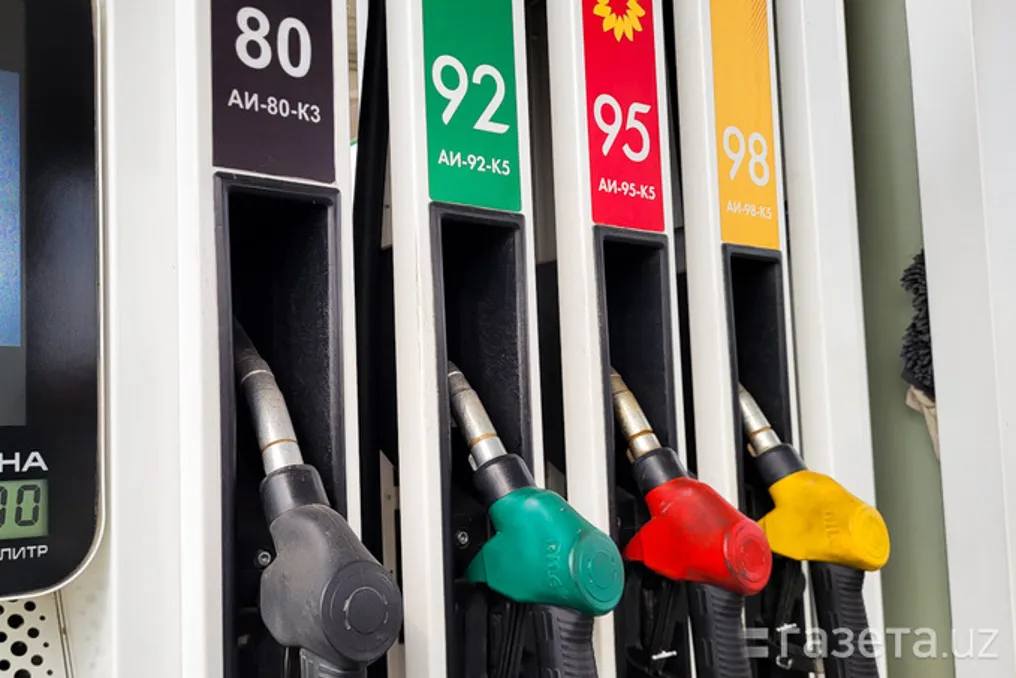
Khudoyberganov informed that while 31 gas stations were operational at the beginning of the year, their total number has now reached 152. Furthermore, product sales volumes have increased five to sixfold during this period. The company's stations offer AI-92 and AI-95 gasoline, as well as various types of diesel fuel, including Euro-4 and Euro-6 standard products.

He assured that all Uzbekneftegaz stations have the necessary reserves of gasoline and diesel fuel, and no disruptions are expected. It was also noted that over the past nine to ten months, the price of gasoline at the company did not exceed 12 thousand soums. However, the company representative clarified that this information applies exclusively to the gas stations within the Uzbekneftegaz system, not to the entire national fuel market, where other major players, including private entrepreneurs, exist.

How the gas station network is expanding

According to the Deputy Chairman of Uzbekneftegaz, the growth in the number of operating gas stations is achieved through the restoration and modernization of existing facilities in various regions. The company is involved in reconstructing stations, replacing outdated fuel dispensers, and installing equipment for more accurate accounting of dispensed fuel.

It was reported that in the initial stages, partial reconstruction and dispenser replacement work was carried out in remote areas to ensure consumers receive quality fuel in the required volume. According to the company itself, about 90 new fuel dispensers have been installed at the gas stations. In Tashkent and the Tashkent region, 10 gas stations underwent modernization, where new measurement and remote control systems were implemented.

Specialists through the Uzbekneftegaz situational center have the ability to monitor fuel stocks, sales volumes, and pricing at the stations. Company employees also conduct checks on the accuracy of fuel dispensing both at oil depots and at gas stations. For the period from January to September 2026, Uzbekneftegaz produced 773.5 thousand tons of automotive gasoline, meeting the production plan at 100.2%.

Sales of Uzbekneftegaz gas stations

Previously, in November 2023, Uzbekneftegaz sold a network of 78 UNG Petro and Chinaz refinery gas stations that belonged to the Petroleum Technology Group, specifically Daniyar Kamilov, son of former Foreign Minister Abdulaziz Kamilov. After this, the network received a new name—Carvon. According to the financial reports of the state corporation, the value of these assets amounted to 453 billion soums. The deal took place without a public tender announcement or results, but the change of ownership was only known in March 2024.

In October 2026, the head of the State Property Management Agency, Sohibjon Murodov, refuted accusations of 'covert privatization'. He explained that the sale was conducted through direct negotiations involving international consultants, and the results of the deal were disclosed. Nevertheless, Murodov admitted that the information about the privatization process lacked sufficient transparency.

In the context of queue problems, restrictions on the operation of automotive gas filling compressor stations (AGNKS), which sell methane, have periodically been introduced in Uzbekistan during cold weather. This occurred due to reduced pressure in gas pipelines and the need to supply natural gas to the population and social institutions. For example, such restrictions were imposed several times during the 2025/2026 heating season.

In December 2025, one of the reasons for the restrictions was the reduction in natural gas imports from Turkmenistan due to a technical failure in the gas transportation system. According to the Ministry of Energy, the daily gas deficit reached 6 million cubic meters during that period. From January 19, 2026, methane stations were closed to private cars for two weeks, and in March, restrictions were reintroduced amid the cooling weather. When methane availability decreases, some drivers are forced to switch to gasoline, which creates additional pressure on the petroleum product market.

In July 2026, plans were presented to President Shavkat Mirziyoyev regarding the preparation of the oil and gas industry for the autumn-winter season of 2026/2027. These plans include forming a reserve of automotive gasoline amounting to 120 thousand tons for December and January, which is significantly higher than the planned reserve of 65 thousand tons the previous year. The authorities also instructed to ensure the stability of energy resource supplies, complete infrastructure repairs, and prepare relevant emergency services.

European Commission proposes preparing the EU for global warming of up to 3°C by 2100
Read more
noticiasaominuto.com

European Commission proposes preparing the EU for global warming of up to 3°C by 2100

The European Commission has presented a proposal that political decisions in the European Union must take into account the possibility of reaching a global warming level of 3°C by 2100, following a summer marked by extreme temperatures across the continent.

During a press conference dedicated to this plan, European Commission Vice-President Teresa Ribera emphasized that 'the climate crisis is not a fiction.' She warned that climate change is not only real but is also a direct cause of mortality, citing 30,000 to 50,000 premature deaths that occurred this summer in Europe. Furthermore, she noted that climate change is destroying wealth and infrastructure.

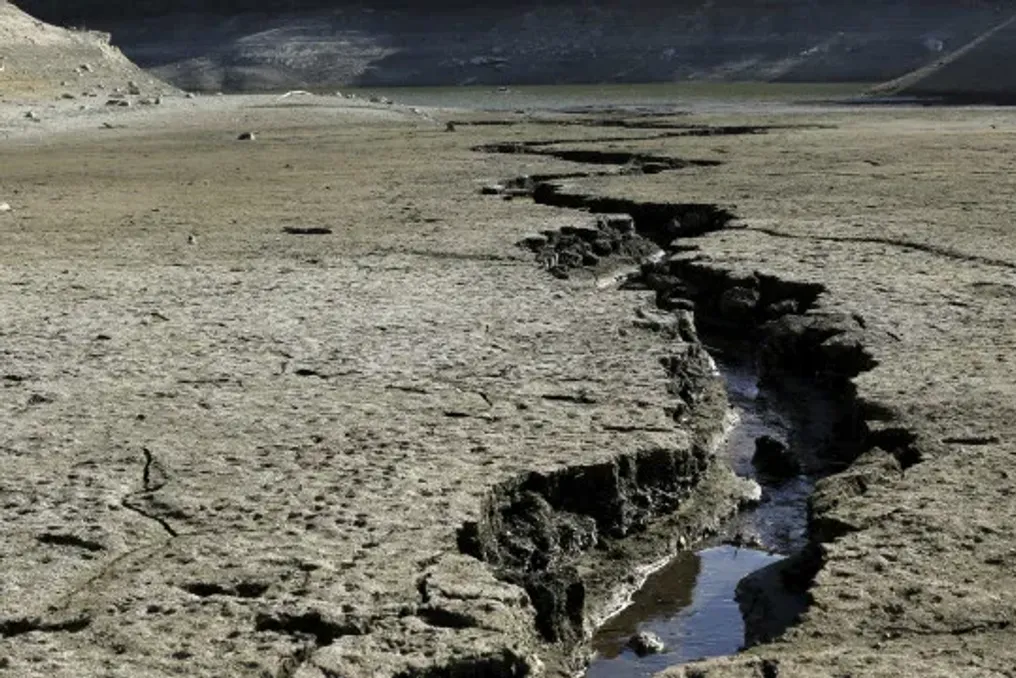
After an extreme summer characterized by temperature records in many European countries, historically low water levels in rivers such as the Rhine or Danube (which led to the closure of nuclear power plants), and fires in member states with typically milder climates, such as Germany, Belgium, or the Netherlands, Teresa Ribera also highlighted the economic costs of climate change.

She pointed out that if the conditions recorded in the five hottest years of each country (from 2014 to 2024) repeat during 2030, the cumulative GDP losses could range from 5% to 7% in the most vulnerable economies. Examples include France, Italy, Germany, or Spain, which could lose between $120 billion and $240 billion.

Therefore, the European Commission Vice-President insists that ensuring the resilience of the European Union to climate change is not just an 'environmental goal' but also a 'necessary condition for ensuring long-term competitiveness.' In this regard, the European Commission today presented the so-called 'European Climate Resilience Framework,' whose goal is to 'protect, plan, and prepare Europe for a warmer climate.'

The European Commission also asserts that the trajectory of global warming must be taken into account 'when making decisions on policy, assets, or investments,' stressed European Commissioner for Climate, Wopke Hoekstra. This implies preparing the EU—whether at the level of urban planning, infrastructure construction, or water resource management—for global warming of 3°C by 2100 compared to pre-industrial levels. However, the Commissioner noted that the bloc will continue to 'do everything' not to exceed the 1.5°C threshold agreed upon in the Paris Agreement.

As part of the presented initiative, the European Commission also proposes a number of measures aimed at assisting local and regional authorities in combating extreme weather events, including what is called the 'Climate Insurance Alliance.' Hoekstra noted that currently only a quarter of disaster losses are covered by private insurance, often forcing national budgets to act as the last insurer, and emphasized that the goal is to 'increase the level of insurance coverage.'

The executive branch will also develop new digital tools, such as the 'Climate Visualizer,' which uses the Copernicus satellite imagery system to allow public authorities to understand 'what might happen' and prepare for expected extreme climatic episodes.

The presented package also provides for the creation of a single 'national strategic plan' instead of several, requiring member states to establish a 'clear definition of who is responsible for managing climate risks' at the national level. At the press conference, the European Commissioner for Climate stated that the presented package is a 'pioneering initiative globally,' but stressed that Europe cannot consider the work finished, adding: 'The EU still has a lot of work ahead.'

Popular