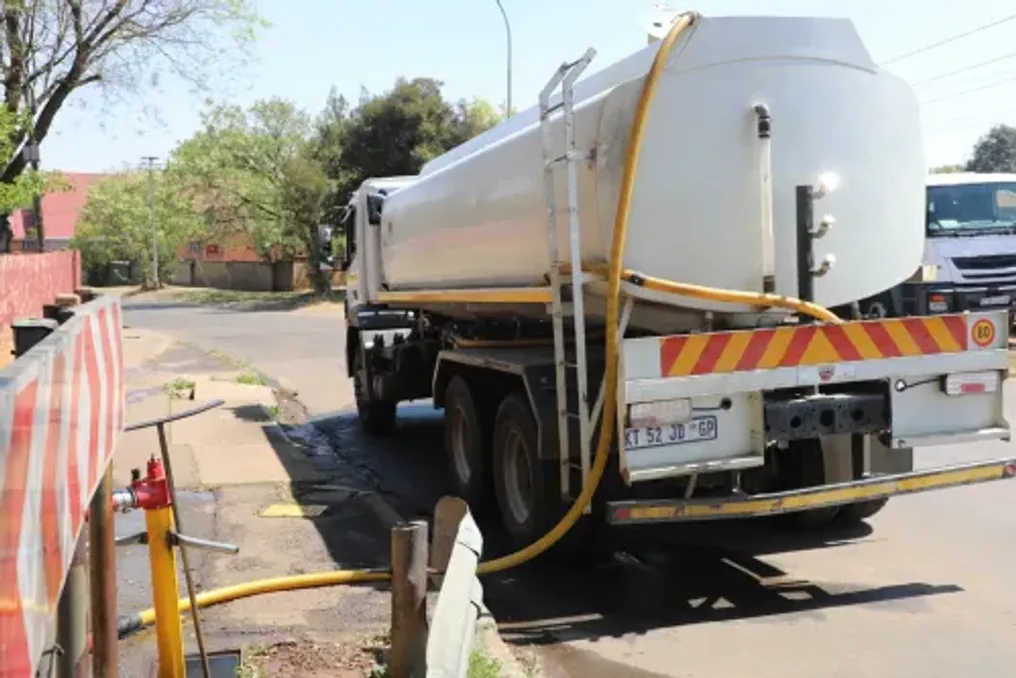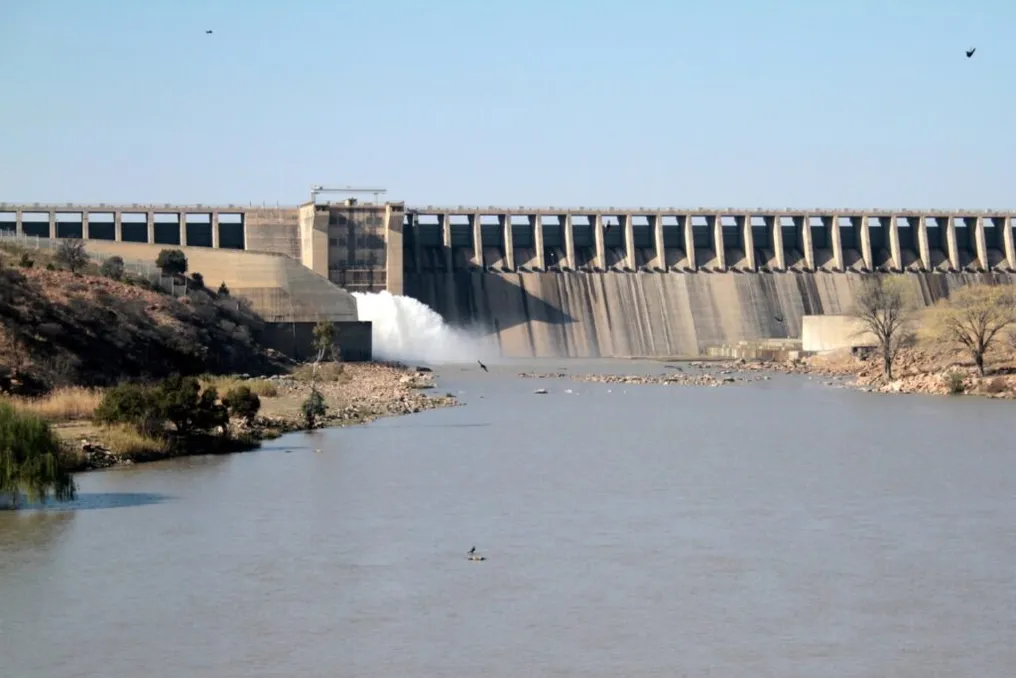
Residents of Johannesburg are demanding urgent intervention and accountability due to ongoing water supply disruptions, low pressure, and restricted water access, which are disrupting the lives of households and businesses. Some communities have not received water for more than ten consecutive days.
Growing dissatisfaction has prompted community organizations and resident associations to call for transparent communication and a reliable plan to stabilize the city's water supply.
The People’s Water Forum, comprising residents and civil society organizations, held a protest yesterday outside Johannesburg Water offices in Newtown, demanding immediate action and responses from the government. This protest followed demonstrations in the areas of Brixton, Kensington, Mayfair, Mayfair West, Melville, Nanas Farm, Robertson, and Parktown West over persistent failures.
The Forum reported that some communities faced outages lasting ten days or longer, while areas on the hills experienced unreliable and intermittent supply for over 210 days. The organization stated: 'We are protesting not because we do not understand the water crisis. We are protesting because the government has known about this crisis for many years and has failed to act with the necessary urgency.'
It was noted that the crisis has negatively affected households' ability to cook, clean, and maintain basic hygiene, while businesses have incurred losses, forcing residents to spend their own money to secure water. The Forum demanded the development of an emergency plan detailing affected areas, measures being taken, responsible bodies, and recovery timelines. Among the eight demands were the immediate restoration of water supply, accountability of political and administrative leadership, significant community involvement, and fair water consumption restrictions.
Furthermore, the forum called for the introduction of second-tier restrictions, arguing that large water consumers, including golf courses, elite estates, and high-consumption commercial enterprises, should face limitations before households already experiencing shortages.
'Water is not a privilege. It is a constitutional right. We are not asking for favors. We demand that the government fulfill its obligations,' the forum stated.
Meanwhile, the Randpark Ridge Village Association (RRVA) reported that communities without a complete lack of water are also suffering from prolonged supply restrictions and low pressure. Chairman Inderan Govender noted that residents, especially in elevated areas and homes with limited reserves, are struggling to fill tanks, operate appliances, and maintain hygiene. He emphasized: 'Residents are demoralized, angry, and frankly fed up.'
Govender questioned why the city continues to rely on reactive measures instead of proactive infrastructure maintenance. He added that residents deserve more than just assurances that technical teams are present; they deserve transparency, accountability, clear communication, and a reliable plan to restore stable supply and prevent such failures.
These concerns arose against the backdrop of the South African Human Rights Commission's report, which examined the issue of water supply and sanitation in Gauteng on Monday. The Commission identified failures throughout the water supply chain, including outdated infrastructure, inadequate maintenance, water losses, power outages, and wastewater treatment failures. The report warned that meetings, working groups, and monitoring structures are insufficient to solve the crisis, noting: 'Simply put, another meeting will not fix the pipe.'
The Commission also cautioned against turning water tankers, especially in informal settlements, into a permanent replacement for traditional infrastructure.
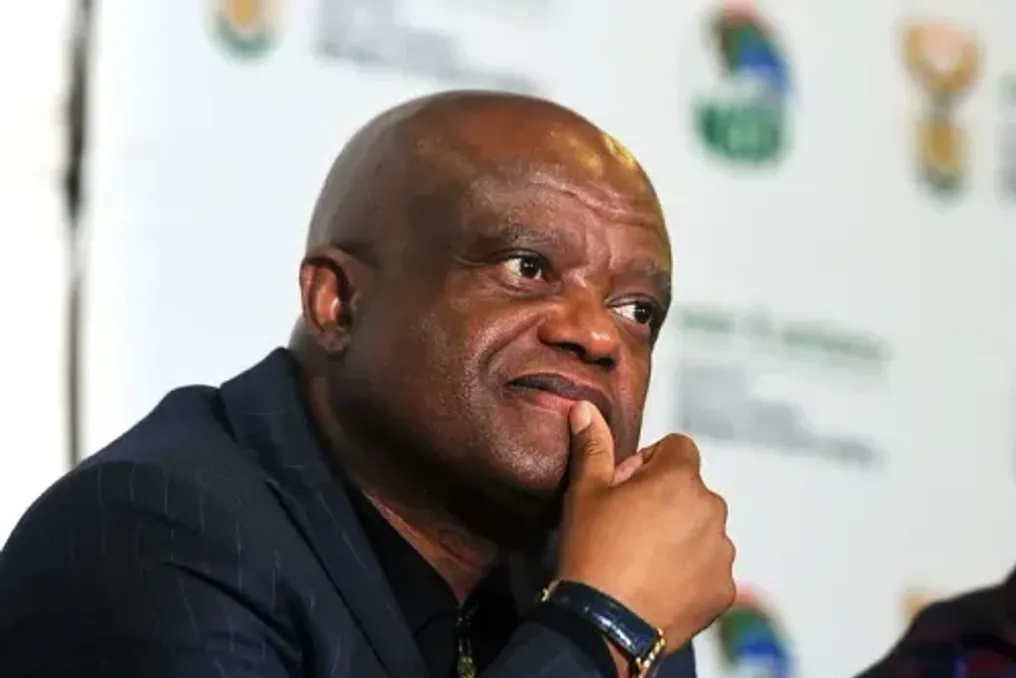
Johannesburg Mayor Dada Morelo acknowledged residents' frustration, noting that some households had not received water for over ten days since October 19. He attributed the strain on the system to the full operation of Rand Water pumps, difficulties in restoring reservoir levels, leaks, and acts of industrial action at Johannesburg Water. Morelo reported that the overall water reserve in the city's supply system improved to 41% from 37% the previous day, but admitted that increased reservoir levels do not always mean water reaches residents. He added: 'In conclusion, we acknowledge that the improvement in reservoir levels offers little comfort to residents whose taps remain dry.'
The Mayor welcomed the recommendations of the SAHRC and stated that the city would engage with Johannesburg Water on their implementation.