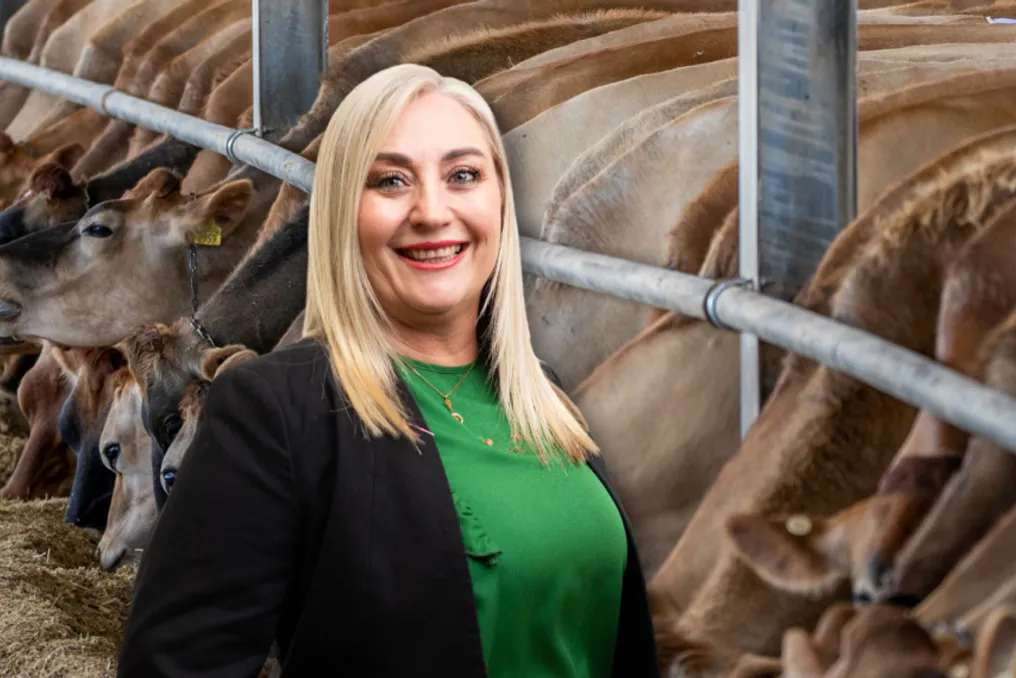
Five Key Priorities Shaping the Future of the Feed Industry in South Africa
Read more
Food For Mzansi
foodformzansi.co.za

Five Key Priorities Shaping the Future of the Feed Industry in South Africa

The feed manufacturing industry in South Africa is undergoing significant changes driven by biosecurity risks, climate pressure, and evolving production needs. Anina Hunter, Chair of AFMA, has outlined five key areas for building a sustainable feed-to-food chain and maintaining the availability of animal protein.

Feed production plays a vital role in South Africa's food system, influencing the supply, accessibility, and safety of animal protein, agricultural competitiveness, and overall food chain resilience. However, looking ahead, growth alone will not be sufficient for the industry.

Animal diseases, changing production requirements, resource pressures, regulatory shifts, new technologies, and complex supply chains are transforming the concept of competitiveness and sustainability. The challenge is not just to increase feed production, but to strengthen the entire feed-to-food chain so that South Africans can continue to access safe, nutritious, and affordable animal protein.

1. Science-based nutrition will become increasingly important for feed efficiency

The focus of feed production is shifting from individual ingredients to the characteristics of the final product. The interaction between components, formulation, processing, and animal needs requires manufacturers to focus more on achieving stable and measurable outcomes. Central to achieving these goals is a science-based approach to diet and feed development, emphasizing precision nutrition, expert knowledge in formulations, feed conversion, animal health, and innovation.

Advances in food science and improved recipe formulation tools open up opportunities for more precise feed utilization, while enhanced performance monitoring helps producers and farmers understand how nutrition affects animal condition, health, and resource use efficiency. Feed producers must also consider downstream stages of the value chain, including the availability, safety, and sustainability of the final animal protein for consumers.

For South Africa, where accessibility remains a critical factor, the task is to balance nutritional efficiency, production efficiency, animal health, and the need to maintain the affordability of animal protein. Ultimately, the question becomes less about what is in the feed and more about what the feed delivers.

2. Technology and data will transform feed production

Artificial intelligence (AI), digitalization, and automation are creating new opportunities to enhance the intelligence and efficiency of feed production. These tools can support faster and more informed decision-making across all feed production operations, from real-time quality monitoring and predictive maintenance to improving formulation tools.

The 'factory of the future' will likely be more integrated, automated, and data-driven, with a greater emphasis on reliability, quality, traceability, and operational control. Data can also strengthen decision-making across the entire industry. Improved monitoring, reporting, and early warning systems help producers identify risks earlier and respond more effectively. Nevertheless, technology will only benefit if businesses develop the necessary skills to use it effectively; technology will not replace industry knowledge, but rather enable this knowledge to be applied with greater speed, accuracy, and consistency across the feed-to-food chain.

3. Feed safety, biosecurity, and industry assurances will become even more critical

Animal health and biosecurity have become increasingly vital aspects for South Africa's agricultural sector. Disease outbreaks can disrupt livestock movement, production, trade, and investment, with consequences extending far beyond individual farms. Feed producers play a crucial role in mitigating these risks through feed hygiene, traceability, raw material control, responsible transport practices, and adherence to proper biosecurity on production sites.

Feed safety and industry assurances will also gain increasing importance as regulatory frameworks evolve. The shift towards more scientific, risk-based, and preventative approaches strengthens the focus on traceability, proactive control, effective auditing, and accountability throughout the feed chain. For producers, these systems are more than just compliance; they help protect animal health and food safety while building trust in the integrity and professionalism of the industry.

4. Resource efficiency and sustainable value chains will become a competitive advantage

Sustainability in feed production is increasingly linked to more efficient resource use while maintaining commercial viability. Waste reduction, increased production efficiency, and more rational use of available raw materials and agricultural by-products contribute to both resource efficiency and long-term sustainability. Practical sustainability also implies more efficient use of energy and water, support for responsible sourcing, improved logistics, and contribution to more climate-resilient food systems.

However, sustainability extends beyond the factory gates. Climate variability, geopolitical uncertainty, currency fluctuations, shipping disruptions, and infrastructure limitations can rapidly alter the economics of feed and livestock production. This makes strengthening links across the entire value chain increasingly important. Feed producers, grain growers, oilseed processors, livestock farmers, veterinarians, researchers, regulators, financiers, and retailers—all play a role in building a more resilient agricultural system. No single part of the chain can solve issues of accessibility, animal health, competitiveness, and food security on its own.

Thus, for producers, resource efficiency and supply chain sustainability are moving beyond mere sustainability concerns; they are becoming key drivers of long-term competitiveness.

5. New skills will become critical for the industry's future

As feed production becomes more technologically advanced, the required skills within the industry are changing. Future employees will increasingly need to combine traditional production and technical knowledge with digital, analytical data, and project management skills. Nutritionists, engineers, millers, quality specialists, data analysts, and new industry leaders will play a vital role in building a sector that remains competitive and adaptable. Therefore, developing technical capabilities, attracting young talent, and nurturing future industry leaders are crucial for the sector's adaptation.

This means strengthening the talent pipeline and continuously developing current industry workers. Closer collaboration between the industry, universities, and professional associations can help young professionals gain practical experience in feed production while creating stronger career paths in the sector. Technology may change how feed is produced, but people will remain central to realizing this transformation.

Looking Ahead

The future of the feed industry will be defined by how effectively it integrates science, technology, feed safety, collaboration, resource efficiency, sustainability, and human capital. Feed is not just livestock feed; it connects crop producers, processors, feed manufacturers, farmers, and consumers, influencing food availability, safety, and sustainability throughout the value chain.

As South Africa works to strengthen food security, the feed industry will play an increasingly vital role in supporting efficient livestock farming, protecting feed and food safety, and helping to ensure the availability of nutritious animal protein for consumers. The opportunity lies not just in reacting to change, but in helping to shape a feed industry that is safe, competitive, innovative, sustainable, and resilient to shocks.

Similar stories

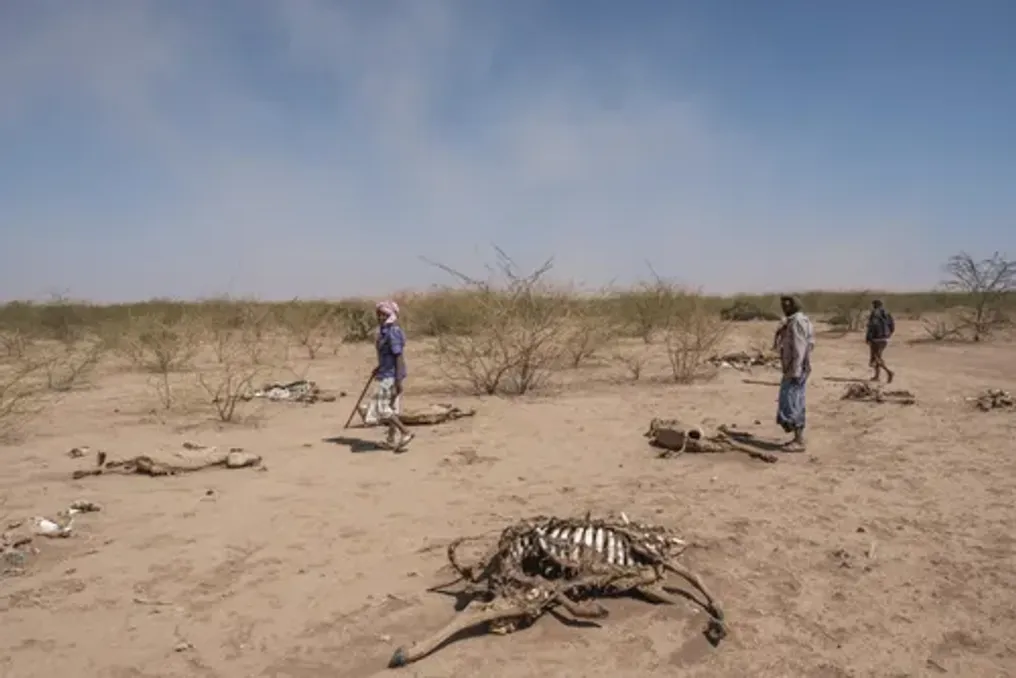
Despite Potential, Africa Faces Mass Hunger Amid Summit Leaders' Declarations
Read more
iol.co.za

Despite Potential, Africa Faces Mass Hunger Amid Summit Leaders' Declarations

While millions of Africans continue to suffer from hunger, the continent's sovereignty remains meaningless. Africa possesses enormous agricultural potential, yet it has failed to transform it into food security or economic independence. Mass hunger is not an inherent characteristic of the continent or its inevitable fate; rather, it is the result of centuries of exploitation, unequal economic relations, and modern political decisions that ignore the needs of ordinary citizens.

As the African Union marked the 17th anniversary of Africa Day in food and food security in Nairobi this week, the continent was confronted with an unpleasant reality: more people in Africa are suffering from hunger than in any other region of the world.

According to the latest United Nations report on the state of food security in the world, 309 million Africans were hungry in 2025, compared to 292 million in Asia. WHO Director-General Tedros Adhanom Ghebreyesus noted that 'a healthy diet remains inaccessible to one of the three global population categories.' In Africa, this share reaches two out of three. The crisis goes far beyond food production; it is linked to access, distribution, purchasing power, and political priorities.

The food security situation in Africa is exacerbated by ongoing wars and conflicts across various territories of the continent. Agricultural production is severely disrupted in Sudan. Instability and insurgent activity significantly hinder land cultivation in the Democratic Republic of Congo (DRC) and parts of the Sahel.

The serious consequences of this crisis include immediate starvation, long-term malnutrition, disruptions in education, and the slowing of development for an entire generation of African children. South Africa demonstrates that agricultural production alone is insufficient to ensure sustainable food security. Despite South Africa being a major producer and exporter of agricultural products, UNICEF reported in 2024 that 23% of children in South Africa faced severe food poverty.

Furthermore, according to the South African Statistics Agency Household Survey for 2024, about 22% of households in South Africa reported inadequate food access in 2025. Stunting, a form of chronic malnutrition, affected 28.8% of children under five, with the highest rates recorded in the Northern Cape (46.4%) and Western Cape (46.2%).

Food security is viewed as a vital indicator of economic sovereignty and transformation. A country that cannot provide adequate nutrition for its children cannot claim economic independence. While political freedom, territorial integrity, and control over natural resources are valuable, their significance diminishes when ordinary families cannot afford healthy food or when children cannot survive and develop.

Former President of Burkina Faso Thomas Sankara insisted on agricultural self-sufficiency, promoting domestic production and land reform, which allowed him to reduce dependence on imported goods. Four decades later, this principle remains relevant, as Captain Ibrahim Traoré places domestic production and consumption at the center of his political program. The test will be in sustainably increasing agricultural productivity so that ordinary people can afford nutritious food.

When domestic production is ignored or restricted, and regional supply chains remain underdeveloped and underutilized, food security and sovereignty are threatened. The continent does not lack agricultural structures, nor does it have promising policies. The real deficit lies in poor policy prioritization, implementation failures, and weak accountability.

The fifth Biennial Review of the Comprehensive Africa Agriculture Development Programme, conducted by the African Union, recorded a continental average of 5.25 against a target of 9.40. This is not only a serious administrative failure but also a clear indication of the huge gap between agreed commitments and measurable progress. The gap between summit declarations and ensuring food security, access, and availability is a catastrophic political failure.

The long-term commitment to allocate at least 10% of public spending to agriculture dates back to the Maputo Declaration of 2003, yet the continent has failed to consistently or evenly fulfill this promise. Last year, the African Union adopted the Kampala Strategic Action Plan for 2026–2035, aimed at mobilizing $100 billion in investment, increasing agro-food production by 45%, tripling intra-African agricultural trade, and halving post-harvest losses. These goals are commendable, but Kampala will succeed only if there is adequate agricultural financing, sustainable supply chains, competent institutions, transparent monitoring, and the ability to apply measures in case of non-compliance.

Climate change and external shocks make the food problem particularly acute. Unpredictable droughts and floods increasingly destroy farms, especially those without adequate irrigation, insurance, or appropriate technology. Adaptation promises are ineffective if rural communities lack the infrastructure to withstand escalating shocks. Debt pressure and the high cost of seeds, fertilizers, and transportation compound these difficulties.

Regional markets, overall infrastructure, and cross-border trade can reduce dependence on unstable global supply chains. In this regard, the African Continental Free Trade Area is a crucial tool for integration. However, it must be specifically oriented towards benefiting producers and consumers, rather than creating more opportunities for external trade elites.

A crucial element of Pan-African solidarity and sovereignty is the building of productive economies that serve the African people. Historical exploitation and unequal global relations have limited development, but they also constrain modern governments whose budgetary priorities, political decisions, and implementation failures reproduce systemic inequality and vulnerability in the food chain. Affordable food for every citizen is essential for any sovereign state. Malnutrition must become a relic of the past, not a feature of the present or future. Nairobi must be more than just another extravagant event with high declarations. Delegates must identify failures and missed targets and develop a measurable plan of corrective actions with clear deadlines. An empty plate in Africa is not just proof of poverty; it is proof of political failure. Until African agricultural wealth can feed its people, the promise of economic independence will remain unfulfilled.

How to incorporate dozens of vegetables and fruits into the weekly diet, according to new health guidelines
Read more
g1.globo.com

How to incorporate dozens of vegetables and fruits into the weekly diet, according to new health guidelines

A new health guideline has gained prominence in the last two years, succeeding the recommendation to walk 10,000 steps daily and consume five portions of fruits and vegetables daily. Currently, the guidance suggests including 30 types of plant-based foods in the weekly diet.

This trend is based on a 2018 study which demonstrated that individuals who reported consuming at least 30 categories of vegetables per week had a more diverse gut microbiota compared to those who consumed fewer than ten types. Subsequent research reinforced that adopting a diet rich in vegetable variety can optimize the composition of the gut microbiota, bringing known benefits such as the reduction of inflammatory processes and increased longevity and quality of life.

Initially, the idea of consuming 30 types of vegetables per week seemed daunting and almost unattainable, raising concerns about the need to prepare complex salads at every meal and managing the large amount of fiber. However, after one week of practice, the author reported that it was surprisingly simple, exceeding the goal and consuming 51 types of plant-based foods.

More vegetables, greater microorganism diversity

There is no strict obligation to reach exactly 30 types of vegetables. Rob Knight, director of the Microbiome Innovation Center at the University of California in San Diego, USA, led the research that popularized this suggestion. According to Knight, the number 30 does not have a specific justification, given that few participants in the study exceeded this mark. The researcher emphasizes that people who consume 20 or 25 varieties can also reap similar health benefits, with the greatest gains noted in those with a less varied diet; if the variety is already reasonable, additional increase will not bring such expressive benefits.

The recommendation of 30 types of vegetables has become a kind of challenge, where each distinct food item scores one point. Items are categorized into six groups: fruits, vegetables and legumes, whole grains, pulses (such as beans, lentils, and chickpeas), nuts and seeds, and herbs and spices. Tea, coffee, and chocolate are also counted, as they all contain beneficial substances, such as antioxidants.

Federica Amati, a nutrition researcher at Imperial College London, UK, was surprised to note that spices are part of this list. She points out that studies indicate that adding a combination of seasonings to meals can generate measurable changes in the gut microbiota in just 48 hours. Some sources suggest assigning a quarter point to each tea, coffee, or herb consumed. Amati explains that small dietary modifications can quickly alter what she calls the intestinal 'microorganism ecosystem,' but for the effects to be lasting, maintaining variety over time is crucial. Furthermore, Amati highlights that this advice encourages the consumption of foods beyond the usual ones, such as apples, cucumbers, and bell peppers. Scientific studies indicate that low consumption of whole grains, nuts, and seeds is among the main risk factors for premature mortality.

Although consuming so many different foods can represent a high cost, especially for those who purchase many fresh products, the author managed to combine fresh ingredients with pantry items and frozen products during their experience.

My week with over 30 vegetables

During the experimental period, breakfast maintained the routine of overnight soaked oats, supplemented with chia seeds and yogurt, but there was variation in the added fruits. Due to lack of time for lunch, sandwiches or leftovers from the previous night's dinner were chosen, which helped prevent waste. Dinner, on the other hand, required more planning, focusing on not repeating ingredients and prioritizing recipes that incorporated a good diversity of vegetables, while maintaining a familiar culinary style.

On Monday, dinner consisted of a chickpea tagine, a quick and flavorful recipe from BBC Good Food, enriched with peas to increase fiber. The vegetables consumed that day included oats, blueberries, chia seeds, cabbage, peas, chickpeas, couscous, tomato, onion, and raisins, in addition to various spices counted as a single item.

On Tuesday, Selena Wu, a nutritionist at King's College London, UK, advises including fiber through nuts or seeds in breakfast cereals, or by serving a sandwich accompanied by a salad, as was done for lunch. Dinner was a quinoa salad with green lentils, asparagus, and grilled salmon. The vegetables consumed that day were raspberry, tangerine, apple, quinoa, broccoli, spinach, asparagus, lemon, garlic, and chives.

Wednesday brought a curry, a frequent recipe, but a new version was tried, adding sweet potato and red bell pepper, served with green beans. The family enjoyed it, and the dish used a considerable variety of spices. The items consumed included coffee, banana, cashew, coconut milk, sweet potato, green beans, and brown rice, in addition to red bell pepper.

On Thursday, being close to the 30 vegetable goal, the focus remained on maximizing ingredient variation within the established plan. A simple and quick soup was prepared with onion, garlic, carrot, lentils, and sweet potato, accompanied by sourdough bread and salad. A healthy smoothie made of frozen banana, cocoa powder, and cashews was also made. The registered vegetables were tea, cocoa powder, cashews, pumpkin seeds, red lentils, and arugula.

On Friday, it became more challenging to find new foods, since each item could only be counted once. Despite this, fruits, vegetables, and legumes continued to be included, even with repetition. Tracking herbs and spices was also complicated. The day was dedicated to tacos, whose filling was made with black beans and ground meat, using ripe avocados for a good guacamole and tomato sauce. The vegetables consumed were whole wheat tortillas, cucumber, black beans, avocado, and fresh cilantro.

Saturday, due to the rush, stir-fried pasta with tempeh was chosen, a cooked and fermented soy product, although another protein could have been used. The children did not approve of the dish, and preparing the tempeh generated a slight bitterness, leading to a second, simpler pasta dish. The items consumed were dried mango, peanuts, tempeh, olive, Chinese mustard greens, baby corn, and sesame seeds.

Sunday, with decreasing willingness to try new recipes, the oven was decided upon for most of the preparation, making roasted chicken with vegetables on the same tray, accompanied by a salad. He managed to finish the week without needing to go to the supermarket, utilizing what was left in the fridge, such as eggplant, zucchini, and potatoes, in addition to thawed chicken thighs. The vegetables of the day were carrot, eggplant, zucchini, and potato.

Changes that are here to stay

At the end of the week, the total reached was approximately 51 types of vegetables. The most difficult aspect was organizing the menu and preparing distinct dishes after an exhausting day, but it is expected that this will become easier with the repetition of recipes. There was also a surplus of food, which ensured healthy lunches the next day, and snack consumption was reduced, avoiding restaurants and generating savings. Even the children, usually demanding, tried more new foods.

The most surprising thing was discovering that such intense preparation was not necessary; with usual meals, it would already be possible to get close to 30 points. It is notable how, when considering coffee, tea, chocolate, spices, and whole grains, the number of vegetable types quickly reaches 30, provided the dietary base is already healthy. However, the author intends to maintain the variation of weekly purchased ingredients and seek ways to integrate more vegetables into meals, keeping his stock of nuts and seeds for continuous use.

Popular