Apple reported exceeding analysts' expectations for its latest financial results on Monday. The iPhone manufacturer stated that it achieved 'record revenue' for the third quarter, covering the period from July to September. Revenue growth was driven by iPhone sales and service income, but increased expenses related to artificial intelligence are expected to put pressure on margins.
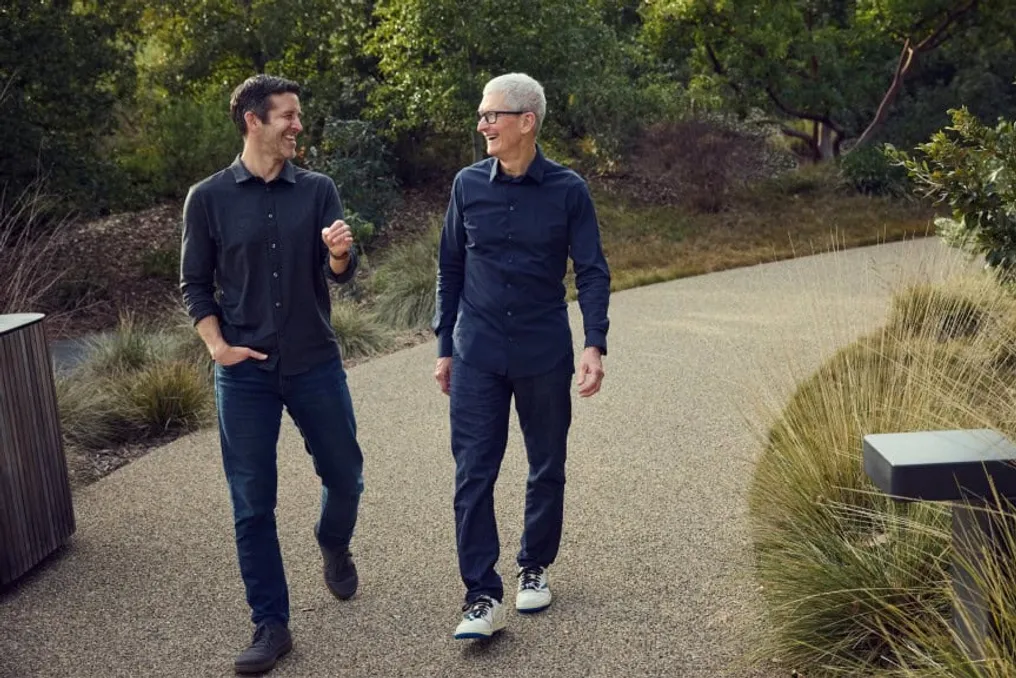
CEO John Ternus, who took over from Tim Cook in September, stated in a statement before the analyst call on Monday afternoon: 'We are concluding the year with our most ambitious product lineup to date.' Ternus hinted at an optimistic sales forecast for recent devices, including the foldable Duo, during the holiday season.
Nevertheless, CFO Kevin Parek warned that Apple's gross margin would slow slightly at the end of the year compared to the Q3 margin of 47.9 percent. Parek specified that the expected gross margin would be in the range of 45 to 46 percent. This is mainly due to increased memory costs, as well as expenses related to the launch of Siri AI.
In June, the company updated its digital assistant Siri in partnership with Google, utilizing the Gemini model to enhance the new Siri AI. Apple attempted to dispel investor concerns regarding rising AI costs. Parek noted that, in his opinion, AI provides a compelling reason for customers to upgrade their devices and adopt new features, and also opens up opportunities in third-party applications, partnerships, and proprietary products.
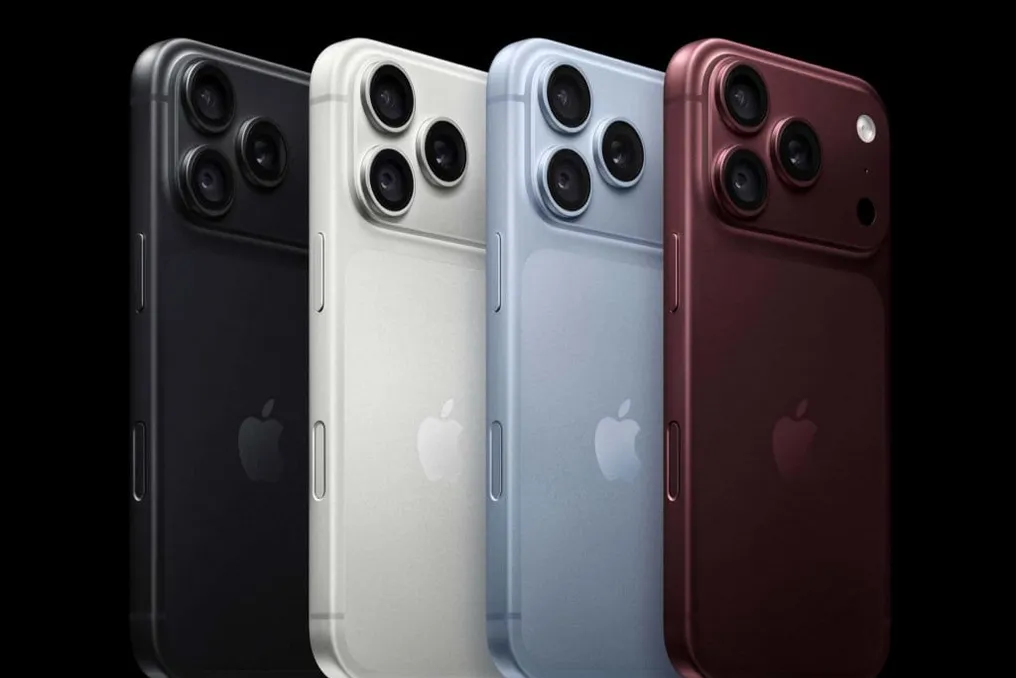
In September, Apple released three new phones—the 18 Pro, 18 Pro Max, and its first foldable phone, the Duo—in addition to two new desktop computers. In October, the company introduced the new smart display HomeView, powered by Siri AI, and the first touchscreen MacBook Pro. In July, the Apple Upgrade program was launched, allowing customers in the US to pay for iPhones or other gadgets through monthly installments.
Apple, which has long been criticized for lagging in the AI race, may benefit from its competitors' significant spending on data centers while keeping its own investments moderate. Analysts predicted that the Cupertino giant would spend $11 billion over the 12 months ending in September, when its fiscal year concludes.
This amount represents only a small fraction of the annual expenditures of Microsoft, Alphabet, Amazon, and Meta, which analysts estimate plan to spend over $700 billion on capital investments this year. These funds are primarily directed towards AI infrastructure, and their volume is comparable to the economies of Argentina or Belgium. In July, Meta announced plans to spend $145 billion this year, nearly double what was spent in 2026. Last week, Amazon announced plans to spend $220 billion this year, and Microsoft expected to spend $170 billion by the end of the year. The latest forecast for Alphabet's spending is between $195 and $205 billion in 2026.
However, the iPhone manufacturer is involved in litigation with one of its close AI partners. In July, Apple filed a lawsuit against OpenAI, accusing the company of organizing a campaign to steal trade secrets from the iPhone manufacturer, as the AI lab attempts to develop its own consumer hardware device. OpenAI's flagship product, ChatGPT, has been integrated into Apple products since 2024.