India's Air Quality Index (AQI) converts complex pollution readings into a single number ranging from 0 to 500 using color coding. The Central Pollution Control Board introduced this system in September 2014 so that citizens can quickly assess the air quality.
Six categories define the AQI scale: Good (0–50); Satisfactory (51–100); Moderate (101–200); Poor (201–300); Very Poor (301–400); and Severe (401–500). The health risk increases gradually.
The AQI scale covers a range from 0 to 500. The Poor, Very Poor, and Severe categories correspond to values of 201–300, 301–400, and 401–500, respectively. This can be visualized as a ladder: the higher the number, the sooner even healthy people begin to feel negative effects, not just those suffering from asthma or heart problems.
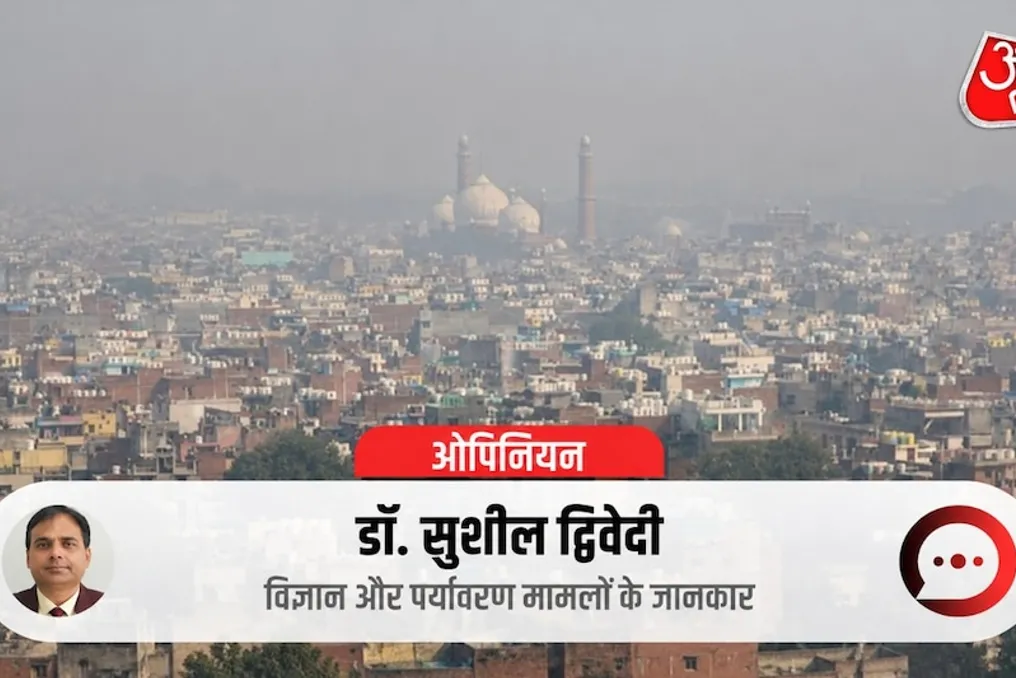
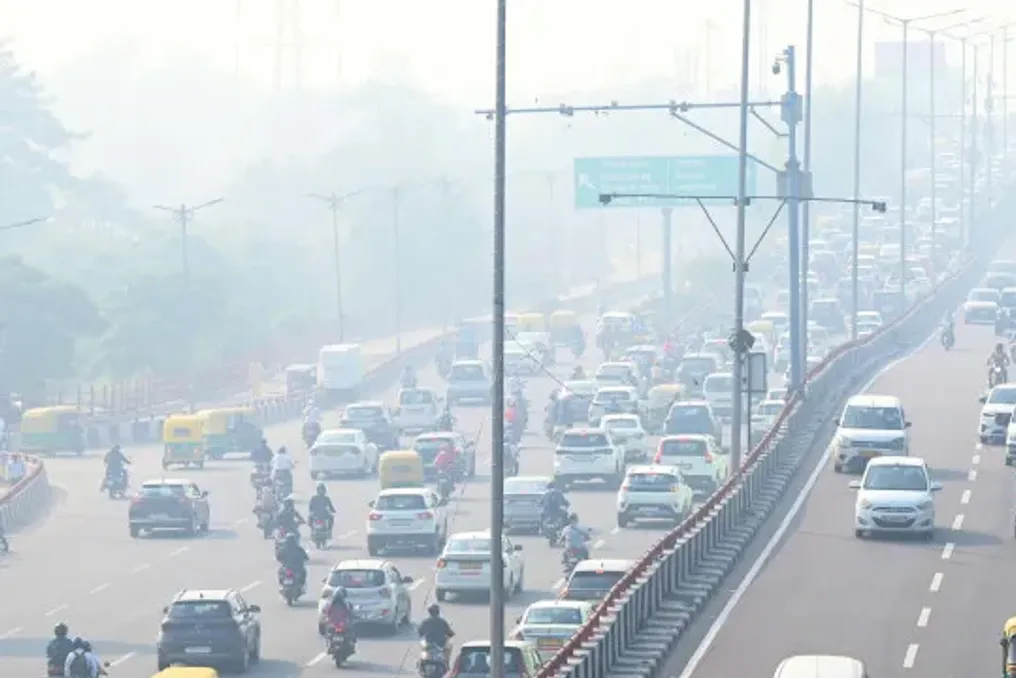
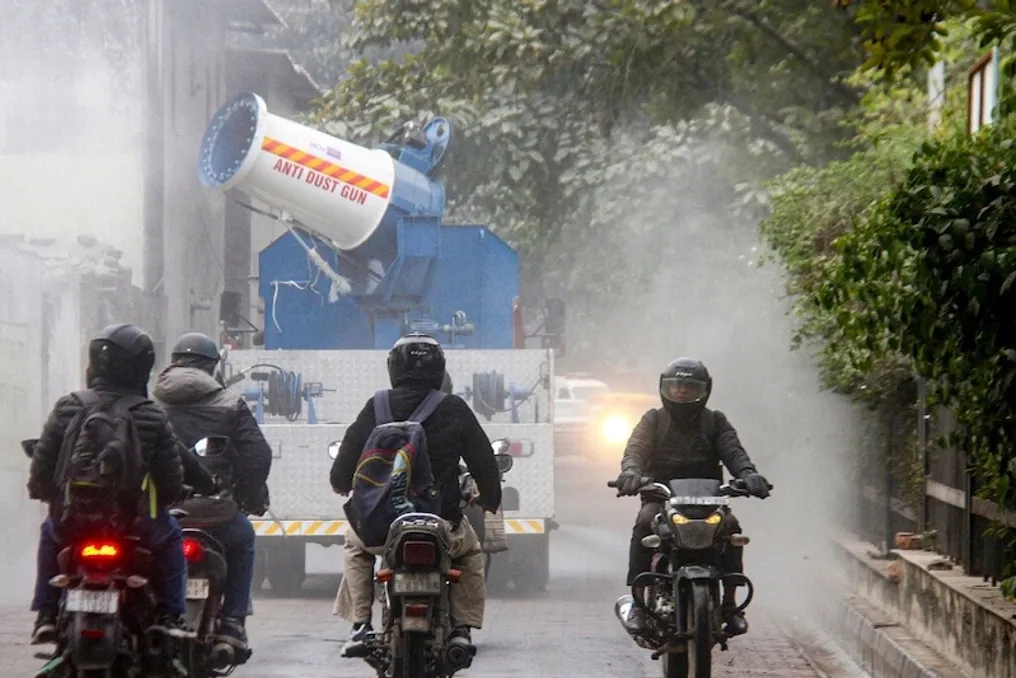
Constant sources of pollution include vehicle exhaust fumes, dust from construction sites and roads, and smoke from waste burning. When combined with cooler evenings and weak winds, these pollutants accumulate. It was under such conditions that Delhi's AQI rose from 179 to 244.
The combination of stubble burning after harvest in Punjab and Haryana, fireworks during festivals, and cold, stagnant air contributes to trapping pollutants over Delhi. However, agricultural fires are not the sole cause. CREA analysis showed that in October, they contributed less than 6% of the fine particulate pollution in the city.
Days with Severe Pollution
Days with severe pollution levels are rarely caused by a single factor. A combination of intense agricultural fires, Diwali celebrations, and ground-level air stagnation leads to deterioration. On one occasion, Delhi's AQI reached 418, with only stubble burning accounting for over 22% of the fine particulate pollution in the city.
It is important to understand that the AQI is not an average; the index is determined by the strongest pollutant. Thus, one smoky and dusty day can push a city into the 'Poor' category, even if all other indicators look normal. Typically, PM2.5 is the main culprit—particles that are about 30 times thinner than a hair.
With prolonged exposure, 'Poor' levels cause breathing discomfort; 'Very Poor' can trigger respiratory illnesses; and 'Severe' affects healthy individuals and seriously impacts those already suffering from lung or heart diseases.
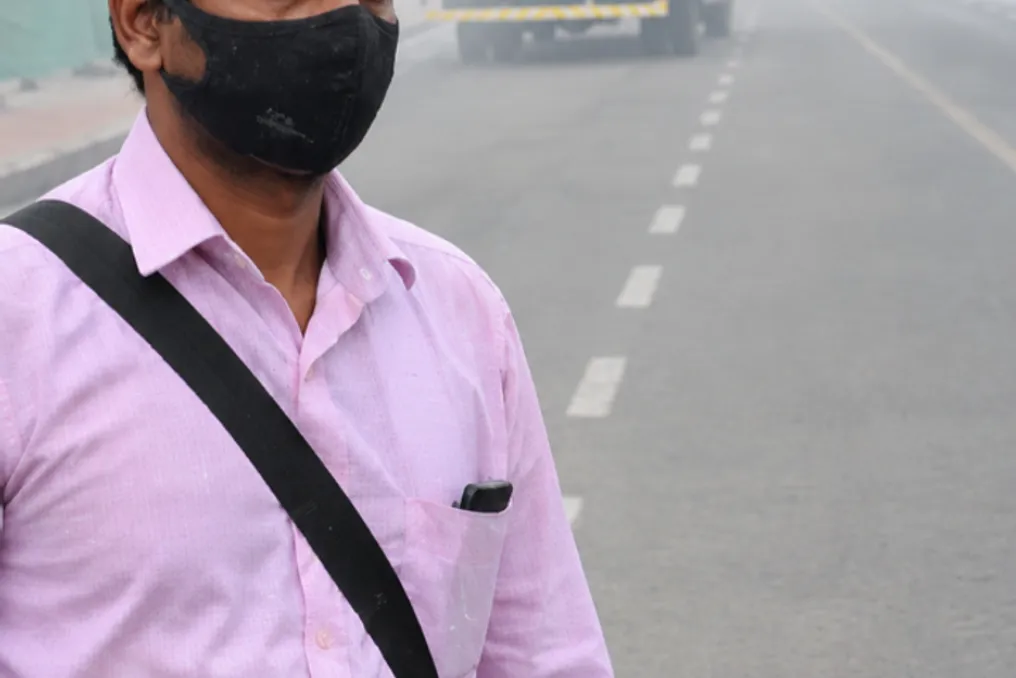
Citizens can check the AQI through the CPCB's Sameer app and monitoring dashboard. Since the number reflects the worst pollutant, knowing which specific pollutant is causing the reading helps decide whether to use masks, air purifiers, or stay indoors.
India's AQI is a summary of the worst-case scenario compiled from eight pollutants and health-based established limits. Knowing this allows for an accurate understanding of why the air becomes Poor, Very Poor, or Severe. Which pollutant determines the reading in your city today?