Homeowners in Cape Town may face an increase of hundreds of rand in their monthly water and sanitation bills as the City's billing system has been changed. The fixed portion of the payment is now dependent on the size of the water meter, rather than the municipal property value.
Plumber Etienne Krige from Fish Hoek expressed concern that residents may not realize that the size of their water meter has become the determining factor for the fixed part of their monthly bills, instead of their property value.
Since July 1st, the City began basing the fixed portion of residential water and sanitation charges on the nominal diameter, or size, of the property's water meter. This change followed a High Court ruling made in April concerning previous fixed charges based on property value.
Zahid Badroodien, a member of the City's Water and Sanitation Committee, confirmed that tariffs for 2026/27 are based on the water meter size. Under the new tariffs, properties with water meters ranging from 12 mm to 22 mm will be subject to a combined fixed monthly charge for water and sanitation of 160.21 rand, including VAT.
For properties with 25 mm or 32 mm water meters, the total fee will be 446.59 rand per month. A 40 mm water meter will cost 1145.09 rand, and for properties with 50 mm water meters, the fee will reach 1789.19 rand. These fixed charges are levied regardless of the volume of water consumed and are separate from consumption-based charges.
During the 2026/27 financial year, the following monthly fixed charges apply: Badroodien noted that approximately 97.5% of residential water meter records fall into the lowest fixed charge category, which covers water meter sizes smaller than 25 mm. Furthermore, fixed charges do not apply to approved needy properties.
All stated amounts include VAT and represent monthly fixed charges. The tariffs apply to 'Full Residential' and 'Residential Cluster' categories and exclude consumption-based charges. Badroodien explained that these fixed charges are intended for the maintenance, operation, replacement, and modernization of the City's water and sanitation infrastructure. Separate fixed charges are necessary because water and sanitation utilize different infrastructural networks and associated service costs. Residents also pay for the water they consume and the related sanitation service.
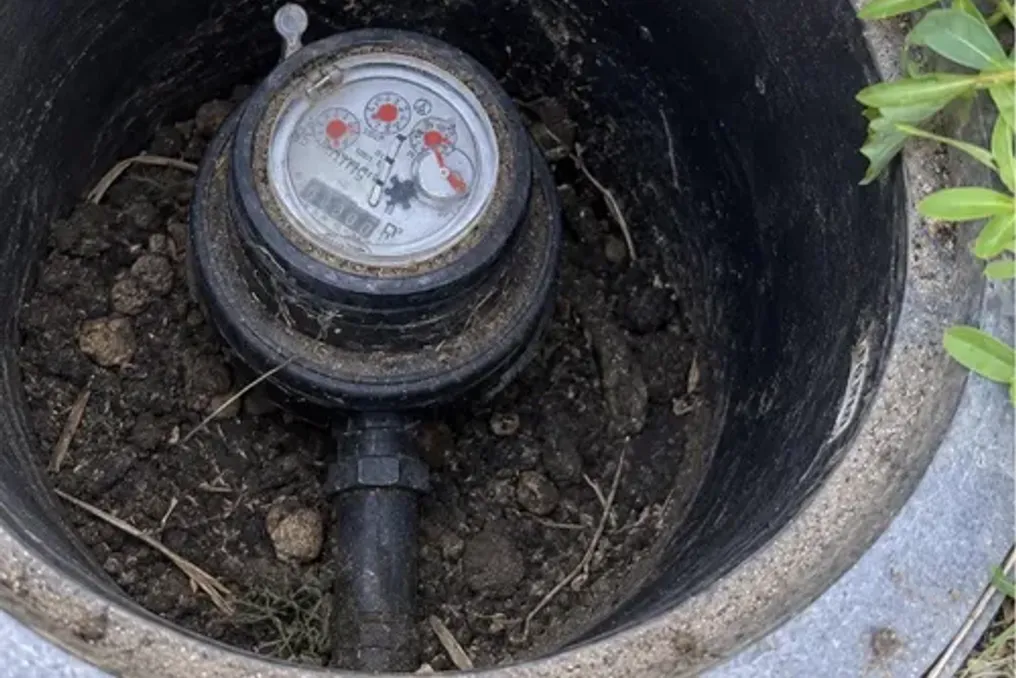
According to Badroodien, owners of standalone properties can check their water meter size in the 'Water' section of their municipal tax bill. Residents of sectional properties, including apartments and housing complexes, must contact their corporate body or managing agent for this information. Badroodien advised residents who believe their water connection size was recorded incorrectly or have been wrongly billed to contact the City's Customer Interaction Centre or call center to register a request and ask for an investigation.
Etienne Krige also prepared a video demonstrating how homeowners can use their water meter to detect potential leaks. This demonstration provides residents with a practical way to familiarize themselves with their meters and monitor for potential water loss.