Africa's largest cities may change their rankings by 2050, falling behind Cape Town and Johannesburg
Read more
Getaway
getaway.co.za

Africa's largest cities may change their rankings by 2050, falling behind Cape Town and Johannesburg

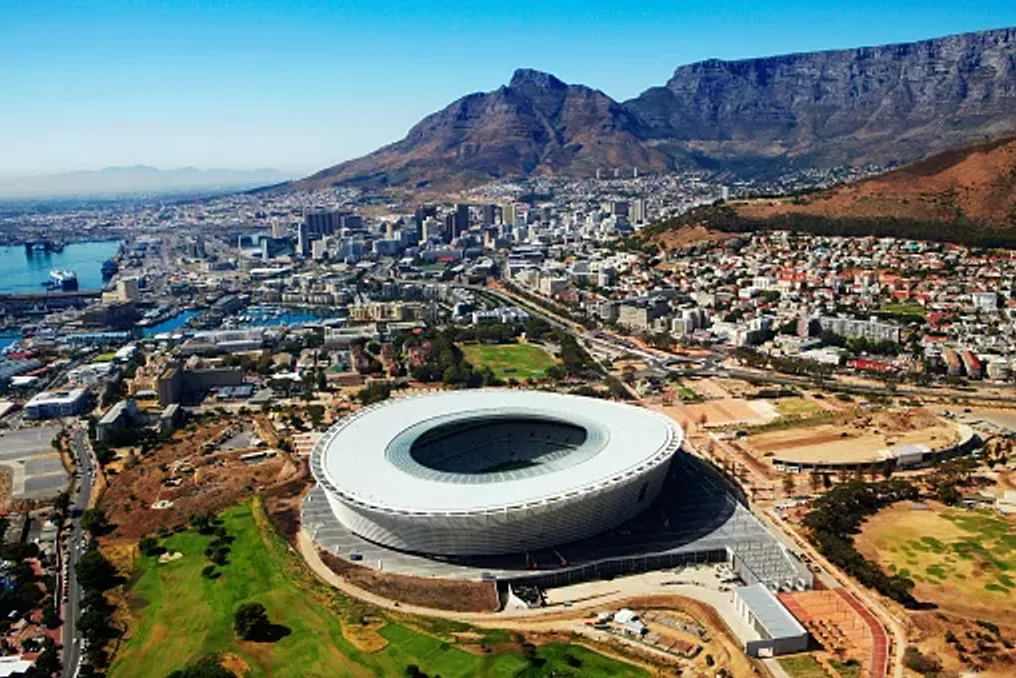
The future of Africa's urban landscape by 2050 looks quite different, as significant population growth is projected in many large cities. According to new estimates, Cape Town and Johannesburg may lose their positions among the largest urban centers in Sub-Saharan Africa, as other cities expand faster.

Data published by Business Insider Africa suggests that Johannesburg is expected to drop from fifth place in 2025 to eighth by 2050. Its population, which is anticipated to grow from 7.1 million to 8.9 million people, will be insufficient to keep pace with the rapidly growing cities on the continent.

Cape Town may also leave the list of the 15 largest cities in the region, despite a projected population increase of 36% over the same period.

Changes in Sub-Saharan African Urbanization

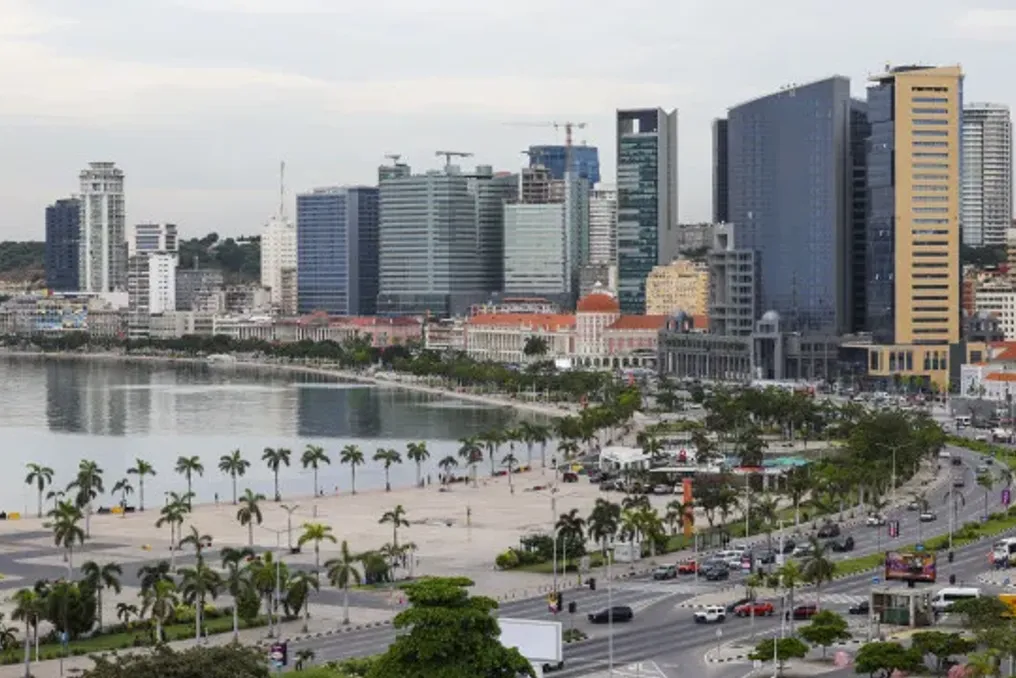
One of the most significant changes will be in Angola, where the capital Luanda could potentially become the most populous city in Sub-Saharan Africa by 2050. It is projected that its population will increase by 78%, reaching approximately 20.3 million people from 11.4 million in 2025.

Lagos, Nigeria's largest city, is forecast to grow from 12.8 million to 16.2 million residents, taking second place. Among other cities expected to enter the top 15 in the region by 2050 are Kinshasa, Dar es Salaam, Addis Ababa, Abidjan, Khartoum, Onitsha, Yaoundé, Nairobi, Kampala, Bamako, Accra, and Mogadishu.

These forecasts are part of the report 'Urban Awakening: Catalyzing Economic Growth and Job Creation' for Sub-Saharan Africa, which highlights the scale of the continent's ongoing urban transformation. The population of Sub-Saharan Africa has already risen from 170.2 million in 1975 to 912.6 million in 2025; by 2050, an additional 748 million people are expected to migrate to urban areas, bringing the total to approximately 1.7 billion.

Cities likely to rise in the rankings include Bamako in Mali and Mogadishu in Somalia. Bamako's population could increase by 80% to 7.6 million people, while Mogadishu is projected to grow by 64% to 7.2 million.

Although Cape Town and Johannesburg are likely to lose their current positions, both cities are still projected to grow, demonstrating the pace of expansion of the continent's urban centers. Rapid urbanization opens opportunities for economic development, tourism, and job creation, but it also creates increasing pressure on housing, transport, public services, and infrastructure.

The World Bank warns that Sub-Saharan Africa risks missing out on the economic benefits of urbanization without more substantial investments in infrastructure, strengthening the business environment, and increasing private sector participation. The region also requires about 15 million new jobs annually to accommodate the growing workforce.

For South Africa, these forecasts provide insight into how the continent's main urban hubs may change in the coming decades. While Cape Town and Johannesburg are unlikely to lose their significance as economic and tourism centers, their place in Africa's urban hierarchy may look very different by 2050.

Similar stories

World Bank predicts Luanda will be the most populous city in Sub-Saharan Africa by 2050
Read more
noticiasaominuto.com

World Bank predicts Luanda will be the most populous city in Sub-Saharan Africa by 2050

According to projections released by the World Bank, the capital of Angola, Luanda, is expected to become the most populous metropolis in Sub-Saharan Africa by the year 2050. It is estimated that Luanda will reach 20.3 million inhabitants, surpassing Lagos, Nigeria, driven by a projected growth of 78% over the next two decades.

The World Bank report, titled 'The Urban Awakening of Sub-Saharan Africa,' details that Luanda's population is set to jump from 11.4 million to 20.3 million, solidifying its position as the most populous city in the African region.

Although Lagos will lose the title of largest city, it will also show significant growth, projected at 25%, rising from 12.8 million to 16.2 million residents by 2050. In the list of the 15 most populous cities mid-century, there will be few changes compared to the current situation, except for the inclusion of the capitals of Mali and Somalia, Bamako and Mogadishu, respectively, with estimates of 7.6 and 7.2 million people.

Other cities that will feature among the most populous in Africa in 2050 include Kinshasa, in the Democratic Republic of Congo; Dar es Salaam, in Tanzania; and Addis Ababa, in Ethiopia, all of which are expected to have over 10 million inhabitants.

Regionally, the urban population of Sub-Saharan Africa has grown by 742.4 million since 1975, increasing from 170.2 million to 912.6 million. It is projected that this increase will be almost identical by 2050, totaling 748 million, raising the total urban population of the region to 1.7 billion.

Given this demographic advance, the World Bank points out that the continent will need to generate 15 million new jobs in the coming decades just to keep pace with the rapid increase in the young workforce. The institution warns that governments must implement 'decisive measures to address the main constraints on urban performance' to capitalize on a rapidly closing opportunity.

Key recommendations include directing public investment towards areas that maximize impact on employment and private investment, structuring urban expansion, and adapting strategies for smaller cities. The World Bank also emphasizes the importance of private capital for African development.

Recognizing budgetary limitations, the World Bank suggests that in scenarios of scarcity, 'the task is to make a good choice: invest where public action can stimulate private investment and job creation, plan far enough in advance to guide growth before costs rise, and concentrate resources where they can create the best economic opportunities.'

Review of the Durban Centre Regeneration Program: Assessing Progress After 18 Months
Read more
iol.co.za

Review of the Durban Centre Regeneration Program: Assessing Progress After 18 Months

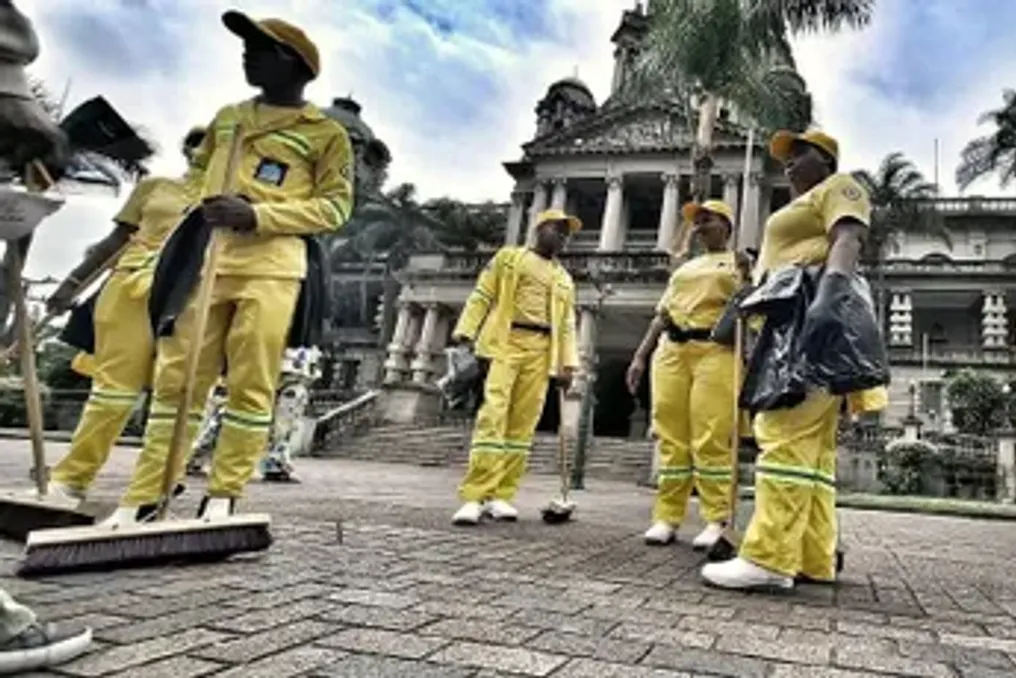
Eighteen months ago, the Durban centre was viewed as an example of urban decay. However, according to a recent interim review of the city's flagship regeneration program, it has now become an example of how to restore the situation by acting step by step, street by street, and day by day.

The interim review of 'Defend The City' (Month 18 of 36) was presented by the eThekwini municipality in collaboration with Ensure Ubuntu and implemented with support from Neon Pulse. It covers 546 days of implementation, starting in April 2025 and ending in August 2026, presenting a cumulative performance report intended to answer the complex question: what has actually changed?

At the heart of the report is a metrics table demonstrating significant results: 1,071,512 kg of waste was removed, and 160,098 bags of waste were collected from public areas. 568,722 km of visible patrols and 561,012 working hours were recorded. Furthermore, 113 direct crime interventions were conducted, where teams provided immediate assistance to citizens, and 548 positive public feedback responses were received.

The eThekwini municipality officially reported on April 6, 2026, a 28% reduction in visible serious crime and a 19% increase in emergency response time. An additional 13.2% decrease in crime was noted in the Durban Central area in the first quarter of 2026/27 (April–June 2026), supplementing the achievements of the first year.

The report emphasizes the importance of segregated accounting. The 28% figure reflects the municipal assessment of visible serious crime. Separate SAPS statistics show that the number of serious crime cases decreased from 2,044 to 1,784 by March 2026, a 12.7% reduction, as reported by media outlets on July 24, 2026.

SAPS category breakdowns further clarify the picture: property crimes fell by 32.2% (from 484 to 328 cases), vehicle thefts decreased by 27.6% (from 98 to 71 cases), contact crimes reduced by 16.3%, and aggravated robberies by 17.4%. In the first year alone, the municipality reported 101 incidents responded to and over 259 arrests made jointly with SAPS and Metro Police, although the review stresses that these are only first-year figures, not cumulative totals.

From Presidential Podium to Pavement

The significance of this project extends beyond the municipal level due to national recognition. In March and July 2026, President Cyril Ramaphosa, speaking through the eThekwini President's Working Group at the ICC Durban, stated that there were 'tangible signs that the decline has stopped. Durban has become a place worth visiting again.'

He linked this improvement to solid economic indicators: the Business Confidence Index stood at 63.38, the highest since the inception of the Durban index; tourism spending reached 9.72 billion Rand in 2025, an 18% increase from 2024 and 58% more than in 2023; and holiday season visitors numbered 1.2 million with a 77% occupancy rate.

Ramaphosa warned that 'stabilization does not equal transformation.' This context is critical because a safe and clean city centre forms the first impression tourists, investors, and conference attendees have of Durban. If the SA Auto Week 2026 exhibition is set to attract 5,000 delegates to the ICC in October, they will be passing through the very areas covered by this program.

More Than Just an Add-on Service

The report argues that the program succeeded because it ceased to be 'additional' and transformed into an integrated system. It encompasses six interconnected functions: safety (visible presence and response), cleanliness (daily standards and problem area elimination), public space (maintenance and restoration), social response, reporting (evidence and escalation), and trust.

The logic is as follows: 'A cleaner street increases visibility. A visible team detects incidents. Reporting triggers action. Supported space builds trust.' In practice, this manifested in three ways:

Commercial Corridor: Smith Street. Daily cleaning and deployment of teams in problem spots prevent the resurgence of distressed corners, maintaining a 31 out of 31-day standard, resulting in a total volume of 1,000 tons.

Civic Heart: Mduduzi Gardens and City Hall. The restored fountain, widely highlighted in the review, is now maintained as a functioning public space. The review notes that success is determined not by the opening ceremony, but by whether the fountain continues to operate and be serviced months later. Photos show wall restoration, landscaping, and daily maintenance.

City Entry: ICC Territory. During the SADC Ordinary Summit, tactical teams supported SAPS and Metro Police in securing routes and ensuring visibility. The report asserts that well-managed territory directly supports Durban's tourism economy of 9.72 billion Rand.

Real impact, not just statistics. The report details three of the 113 interventions to illustrate the range: a medical emergency where ambassadors were first on the scene, a hit-and-run where teams secured the scene for SAPS, and a week-long operation to secure the SADC Summit.

A five-tiered security model is described: walking patrols by 'street ambassadors' covering 568,722 km, rapid tactical response, coordination with SAPS in Durban Central, Point, and Umhlobo, as well as with Metro Police, and intelligence gathering, where every incident is logged and analyzed.

This reporting mechanism, powered by Neon Pulse, is presented as the foundation. The cycle is: observation, logging, analysis, action, verification, reporting. Every defect, from a broken bin to a crime hotspot, is logged and tracked until complete resolution.

Interim Assessment: What is Honest

The most credible page in the 26-page review is page 24, 'Interim Assessment.' It states clearly three things: the direction is positive, as crime rates are decreasing; the implementation model is consistent and reproducible; and the reporting is transparent.

It also states: 'The problems of the city centre are not solved.' For the period between month 19 and 36, four criteria will be used to evaluate the work, instead of counting the number of activities:

  • Maintaining visible presence in all areas, including during less busy times.
  • Preservation of restored assets, such as the fountain in Mduduzi Gardens, and its continuous maintenance.
  • Maintaining or improving the 19% emergency response time improvement.
  • Continued year-on-year decrease in SAPS registered crime, which currently aligns with the projected 13.2% decrease in the first quarter.

This is a shift in focus from activity to standards. Kyle Connolly from Ensure Security is quoted saying: 'We are very pleased with what the next 18 months can achieve.'

Analysis

For years, Durban conducted city centre cleanup initiatives that ceased after cameras were removed. What distinguishes this interim milestone is twofold: independent verification and cumulative evidence.

The timeline in the report shows that coverage deepened as results grew: from the launch announcement on April 9, 2025, to the official municipal results on April 6, 2026, and then detailed impact materials in the Daily News, IOL, and The Post in June and July 2026. This independent report, the review claims, serves as proof that the municipality was not obligated to provide it itself.

Secondly, the comparison is telling. In the first quarter of 2026/27, Durban Central (Ensure Ubuntu zone) saw a 13.2% decrease, while Marlvern, outside the program zone, recorded a 57% increase in crime, according to The South African, citing SAPS district statistics. Most of the 42 eThekwini districts improved their figures, but the contrast indicates that successes are concentrated where the integrated model is working.

The risk for the second half is complacency. Removing 1,071 tons of waste is impressive, but it also demonstrates how quickly waste accumulates. A 28% reduction in visible crime is a turning point, but Durban Central still recorded 1,784 serious crime cases in a year.

The mantra of the review is correct: '18 PASSED. 18 REMAINING. The first year laid the foundation. The first half proved it works. The second half is dedicated to cementing the standard so that changes last.'
Cape Town aims to become the capital of African superyachts through infrastructure development
Read more
getaway.co.za

Cape Town aims to become the capital of African superyachts through infrastructure development

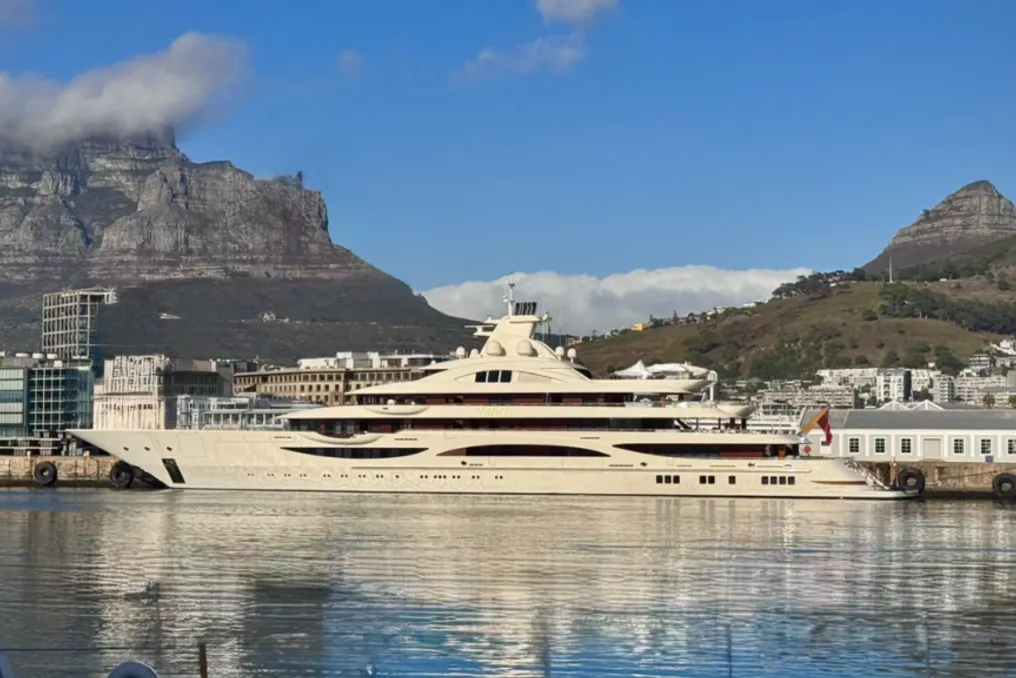
Cape Town's renowned waterfront is preparing to capture a significant share of the global superyacht market as new projects at the V&A Waterfront strengthen the city's position as a luxury gateway to South Africa. Investments aimed at improving high-end hospitality facilities and modernizing marinas signal broader plans: to transform Cape Town from merely a transit point for wealthy international travelers into a launching pad for exploring Africa's scenic coastlines.

This vision was presented by V&A Waterfront CEO Graham Wood at the African Maritime Conference, where industry leaders discussed the region's growing potential as a superyacht destination. Measures supporting this goal include the new EDITION hotel, plans for superyacht facilities on Quay 7, and long-term proposals to convert the adjacent waterfront into a vibrant coastal district.

Cape Town possesses a natural advantage in luxury yacht tourism, as few locations combine an active port, impressive mountain landscapes, developed tourist infrastructure, and easy access to restaurants, hotels, and cultural attractions in one place. At the V&A Waterfront, visitors and yacht owners can step ashore and find themselves among the city's best offerings in entertainment and hospitality, set against the backdrop of Table Mountain.

The planned facilities on Quay 7 and the opening of the EDITION hotel are set to enhance this appeal, fostering a location where marine services and luxury leisure coexist. For the city, this opportunity extends beyond attracting impressive vessels to the harbor; it involves stimulating local spending by visitors, creating business opportunities, and supporting jobs in tourism and maritime sectors.

Research conducted by BOATPro and presented at the conference indicates market growth. In 2025, South Africa hosted 36 visiting superyachts over 24 meters long, compared to 14 such vessels in 2019. These yachts are also significantly larger than the global average: the average length of superyachts visiting South Africa in 2025 was 60 meters, while the global average approached 34 meters.

The V&A Waterfront marina is already among the top five regional marinas for accommodating superyachts, giving Cape Town a solid foundation for further development. The potential financial benefit is substantial: according to estimates presented in the source, a $50 million superyacht can generate between $105,000 and $330,000 in local spending during a two-week stay. These funds can be directed across a wide range of businesses—from marine engineering and yacht provisioning to accommodation, restaurants, transport, and specialized services.

Given that the V&A Waterfront attracts approximately 25 million visitors annually across its 123-hectare area, the existing tourist hub provides a well-established platform for expanding this high-yield market. Cape Town's ambitions extend beyond its own harbor. As the African Superyacht Working Group transitions into Superyacht Africa, the industry is working to create a more coordinated international offering for the region. The goal is to link the South African coast with Indian Ocean destinations, including Mauritius and the Seychelles, thereby opening up more opportunities for international yacht owners to explore the continent.

Instead of trying to replicate established cruise destinations in the Mediterranean or Caribbean, the region can offer something unique: dramatic coastlines, wildlife viewing opportunities, adventure tourism, and luxury hospitality. For Cape Town, the chance to become a gateway to these routes could help attract tourists who stay longer, spend more, and explore areas outside the city.

The Western Cape government and the City of Cape Town have also expressed support for developing the maritime economy. At the conference, Western Cape Premier Alan Windey and Cape Town City Committee member for Economic Growth, Alderman James Vos, emphasized the importance of attracting investment, improving the business climate, and removing regulatory barriers affecting the industry.

Popular