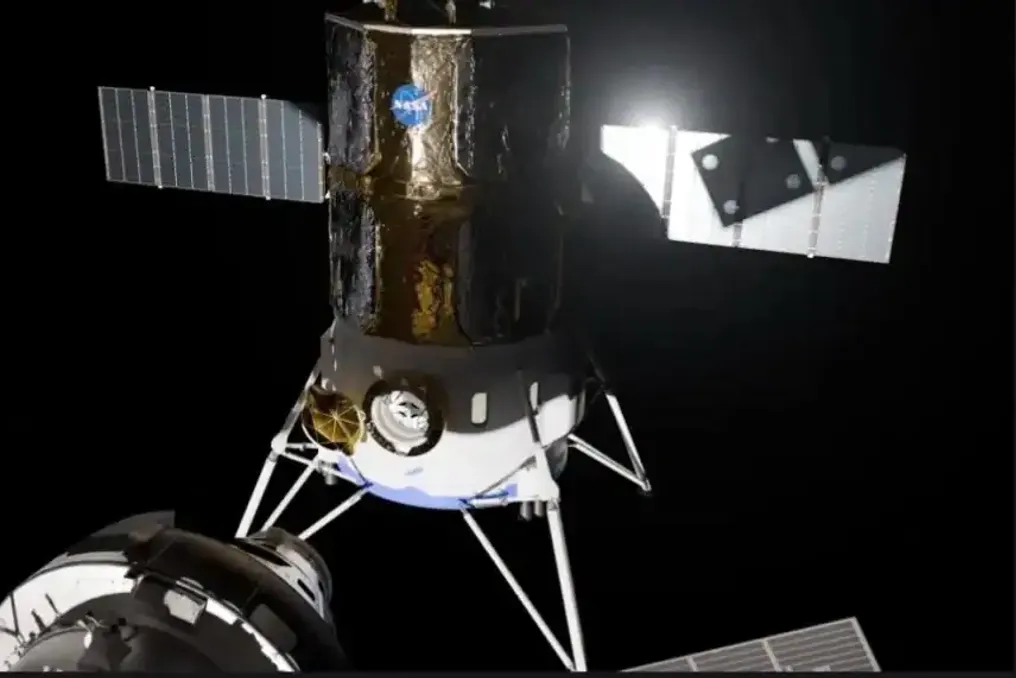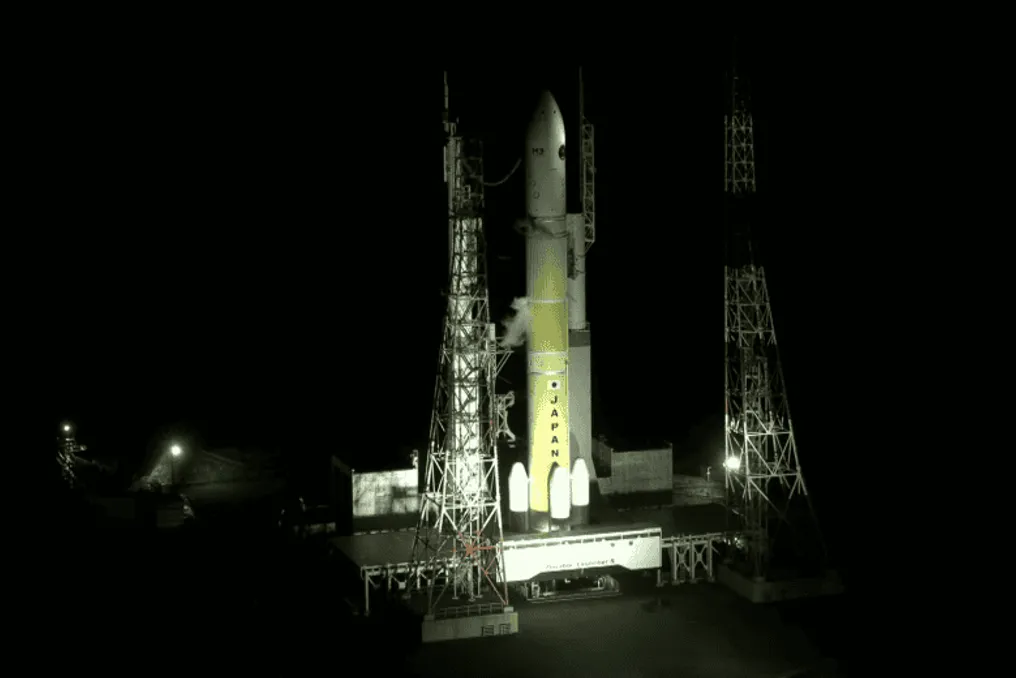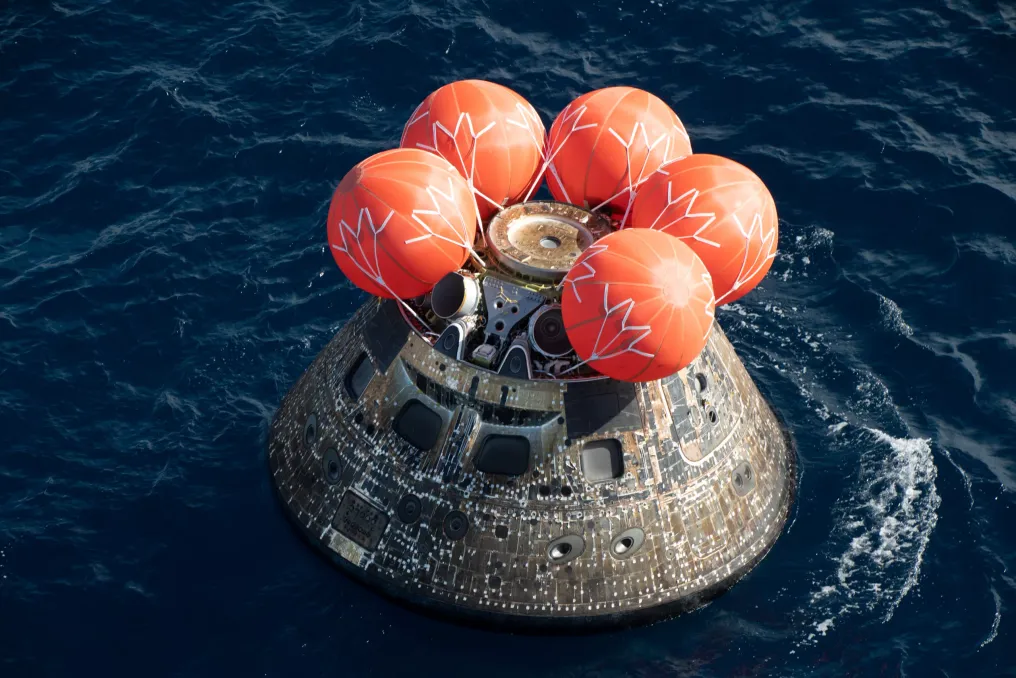
The city of Cape Town could play an unexpected role in a future NASA space mission, as there is a possibility that the Orion spacecraft might land off the coast of South Africa just eight minutes after launching from Florida.
NASA representatives recently visited the National Sea Rescue Institute (NSRI) in Cape Town to discuss how local rescue teams could provide assistance in the emergency extraction of astronauts returning from the future Artemis mission.
These discussions are part of planning for contingencies for NASA's Artemis program, which aims to return humans to the Moon. Depending on the spacecraft's launch trajectory and when an emergency occurs, the waters near Cape Town are among several possible rescue zones.
Discussion of NSRI Capabilities
According to NSRI Chief Operations Officer, Charles Maritz, the organization was approached by NASA representatives shortly after the space agency learned of its capabilities in marine rescue. Maritz noted that this collaboration demonstrates recognition of NSRI's expertise in maritime safety and emergency response along the South African coast.
Although rescuing astronauts would be an unusual task, the organization's primary duty would remain familiar: reaching people in distress and coordinating safe extraction. Discussions covered how NSRI could help locate, reach, and extract astronauts if the Orion capsule lands in waters within the organization's reach.
In an emergency where astronauts are injured or cannot wait for NASA or US Department of Defense rescue teams to arrive, local rescue teams could potentially provide immediate aid. NSRI could also assist in transporting astronauts and rescue specialists ashore, from where they could be handed over to local South African emergency medical services.
The organization has over fifty years of marine rescue experience, supported by shore-based rescue stations and trained volunteer crews. However, Maritz explained that reaching a spacecraft could present logistical challenges; a potential landing up to 200 nautical miles offshore would place a significant strain on NSRI vessels, particularly regarding range and time at sea. Therefore, NSRI's role would primarily focus on marine rescue, while specialized NASA teams would manage spacecraft-specific extraction procedures.
Risks and Medical Preparedness
NASA also informed NSRI about potential hazards associated with recovering the Orion spacecraft after an aborted flight. Although the capsule is equipped with parachutes and self-recovery systems designed for a safe ocean return, rescuers need to understand several risks before approaching it.
One issue is hydrazine—a high-energy fuel used in the spacecraft's engines. Residual fuel may continue to vent after landing, potentially creating a hazardous environment for rescue teams. During a normal return, rescuers might have to wait about 15–20 minutes before approaching the capsule to ensure zone safety.
NASA also discussed potential injuries astronauts might sustain during a harder-than-usual landing, as well as complications related to decompression and other spacecraft emergencies. The visit extended beyond NSRI: NASA representatives also met with local trauma facilities to assess the region's capacity for emergency medical care.
NASA raised the possibility of establishing a formal Memorandum of Understanding (MOU) with NSRI, defining how the two organizations could collaborate if the Orion capsule returned near South Africa. The proposed agreement would include technical guidance on spacecraft hazards, safe extraction procedures, and medical information to help local hospitals prepare for a potential astronaut reception. NASA would also reimburse costs associated with the emergency response.
While an astronaut landing near Cape Town remains a contingency scenario rather than a planned event, these discussions underscore the importance of international cooperation and local emergency services in preparing for unforeseen situations. For NSRI, potential involvement in a space mission would be an exceptional expansion of their work, but their core mission would remain unchanged: saving lives at sea.