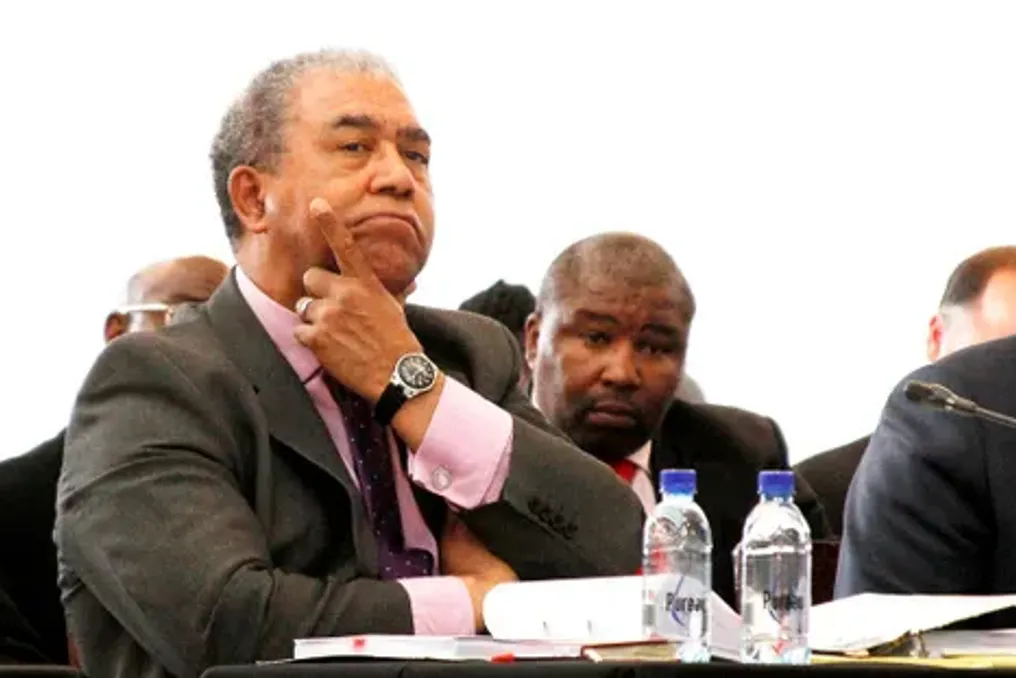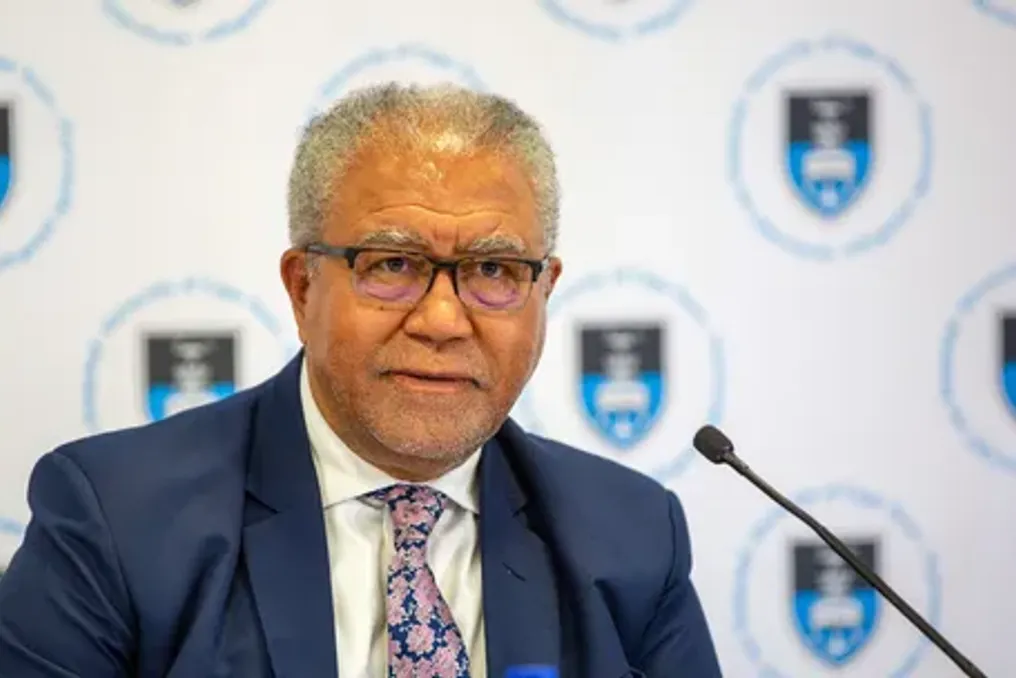
The Chairman of the UCT Council, lawyer Norman Arundel SC, stated that his accountability lies with the Council, refusing to give further comments regarding the petition calling for his resignation. This statement came against the backdrop of the University Convocation Executive Committee distancing itself from this campaign.
The petition, launched on the Change.org platform under the name 'UCT Alumni,' raises several questions regarding Arundel's leadership, including the handling of complaints lodged against Vice-Chancellor Professor Moses Moshabela. The petition asserts that Arundel's leadership has exacerbated disagreements and calls on the Council to elect a successor capable of restoring trust in the university.
In response to Cape Argus, Arundel defended his accountability to the Council, stating: 'I have no comment. I operate within the Council's governance rules and am accountable to the Council.' He specified that the Council includes four alumni representatives, as well as representatives from donors, students, the executive body, the Senate appointed by ministers, and representatives from the City and Province.
Arundel noted that he cannot respond to 'anonymous and faceless alleged 1500 petitioners.' This figure appeared against reports that the number of signatures on the petition exceeded 2600. The UCT Convocation Executive Committee refuted claims that the campaign represents the broader community of the institution's alumni.
In a letter to the editor of Cape Argus, members of the Executive Committee emphasized their desire to distance themselves from the opinions expressed in articles published on October 28. They specifically noted that this issue was not discussed within the Convocation—the official body of the university's alumni. The Committee stated that the views expressed in these articles do not represent the legitimate views of the diverse UCT alumni community, which numbers over 208,000 people.
Furthermore, the Executive Committee cautioned against presenting anonymous petitioners as representatives of alumni without verifying their status. It urged alumni to register at the upcoming general meeting on December 3, which will serve as a platform for constructive participation through recognized Convocation structures created to ensure that alumni voices are heard in a responsible and representative manner.
Unresolved disputes in UCT governance persist
Last week, UCT reported that the Council had received no official correspondence from any recognized university stakeholders on this matter. Earlier this year, Moshabela challenged four Council decisions in the High Court of the Western Cape following an investigation into complaints concerning his conduct. The Council also faced criticism after the public release of court reports containing information about the appointment of Professor Mohamed Paleker as Dean of the Faculty of Law. The university subsequently withdrew these reports and officially apologized to the affected parties.