Visitor Completes Sun City's Most Extreme Water Ride Six Times in a Row
Read more
IOL
iol.co.za

Visitor Completes Sun City's Most Extreme Water Ride Six Times in a Row

During the Gary & Vivienne Player Invitational tournament, the weekend was dedicated to testing the DJI Osmo Nano action camera at the Valley of the Waves park in Sun City, which turned into a real adventure.

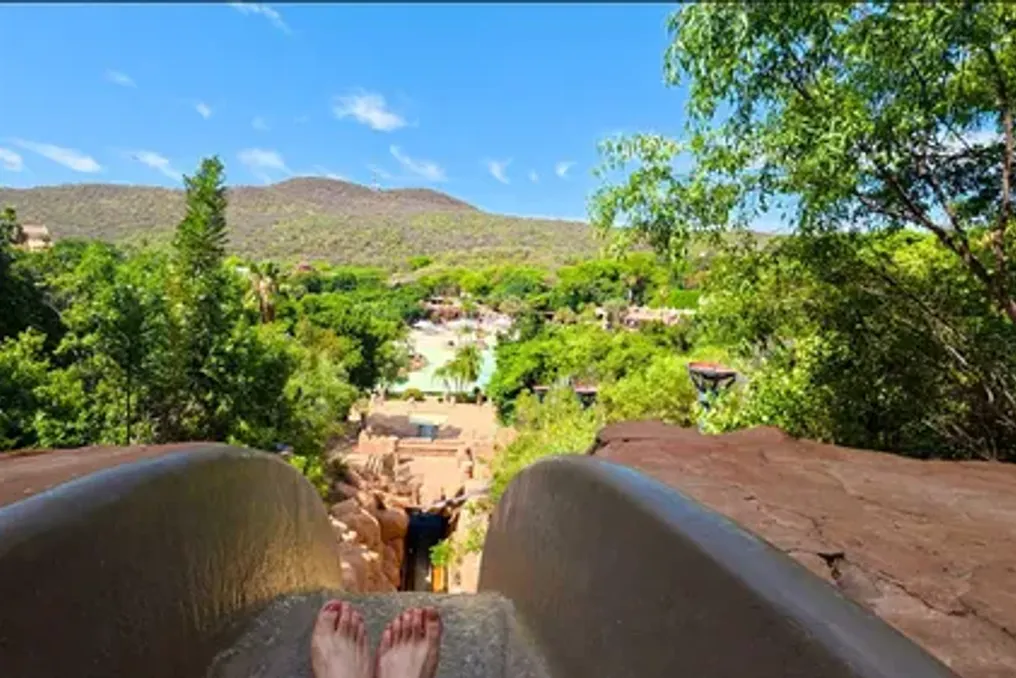
The first challenge was the famous Temple of Courage. As the name suggests, it is the scariest ride in the park—a high, almost vertical slide descending directly from a temple located high above the resort.

Climbing the endless staircase requires significant physical effort, taking about three to four minutes. At the top, there is a stunning panoramic view of all of Sun City, framed by the rugged Pilanesberg mountains. However, if you feel even the slightest nervousness, the fear intensifies when you stand at the edge, looking down.

Reality sets in when you sit on the slippery slide, where water rushes past, cross your arms over your chest, and lock your ankles. The desire to give up the descent is very strong before the start, and the author observed many people refusing and returning back up the stairs. Since he had tried this attraction before, including runs the day before, he decided not to give up and rode the Temple of Courage six times in a row.

Each ride represented a pure burst of vertical speed, followed by a slow, intermittent climb back up. By the sixth run, friction and the high water pressure had left the author's back quite sensitive.

After conquering the highest slide in the park, the visitor tried calmer family rides. He used the Tarantula, a closed slide. The incline was moderate—it was a gentle, winding swim until the jump into the pool below. After such an adrenaline rush from the Temple of Courage, this attraction seemed rather boring, so one ride was enough.

He also tried the tube slide, but it was even slower. There was another closed slide, but it was completely dark inside; using an action camera there was pointless, as the lack of light precluded getting useful footage.

This left the main attraction of the park—the huge wave pool. The system operates on a timer, creating giant mechanical waves that roll across the artificial bay. The author perfectly timed his arrival for when a new cycle began. A clear warning is given by a series of water fountains resembling lions, from whose mouths water pours out; as soon as the last stream shoots out, there are only a couple of seconds before the wall of water rushes into the swimming area.

Not knowing how many waves were left in the session, he immediately plunged into the water, energetically swimming towards the approaching wave with the camera on. He managed to capture a whole series of consecutive shots—diving under the crests, swimming over the rolling waves, and getting excellent underwater shots from the camera's perspective. After riding four or five large waves, he decided to end the day.

Ultimately, testing the DJI Osmo Nano at the main site of Sun City was an epic adventure. If a visitor is ready to handle the stair climbs and withstand the onslaught of the waves, Valley of the Waves guarantees unforgettable experiences every time.
Similar stories

Review of the Sun City Parkrun paired race on the Gary Player golf course
Read more
iol.co.za

Review of the Sun City Parkrun paired race on the Gary Player golf course

Recently, the author attended the Gary and Vivienne Player Invitational tournament, which included a two-day stay at the luxurious Palace Hotel. Although the event itself was impressive, one of the highlights of the trip was participating in the Sun City Parkrun, which took place on Saturday morning at 7 am.

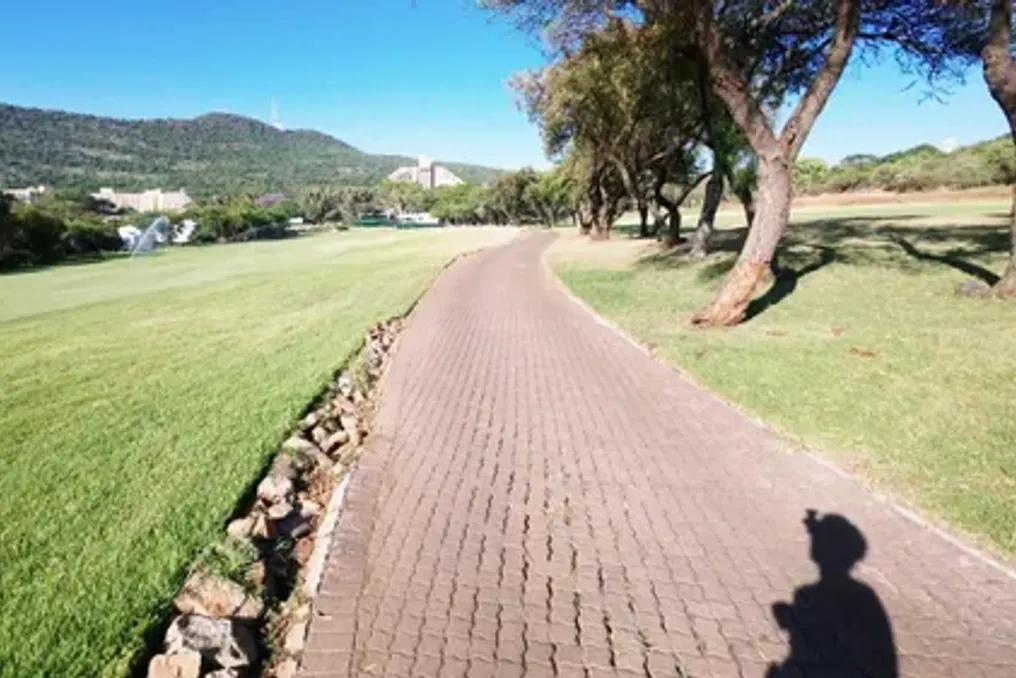
As the author runs a small YouTube channel about running, they always carry a DJI Osmo Nano action camera. Attending such a picturesque event as the Sun City Parkrun was an obvious choice. The 5 km route runs directly along the perimeter of the famous Gary Player Country Club golf course in Sun City.

Although this event is relatively new—it has existed for less than two years—the author already considers it one of the best morning Parkruns in South Africa, given their experience participating in many similar races, mainly in the Gauteng and KwaZulu-Natal regions.

At the start, the author was very pleased that the 5-kilometer route is covered by approximately 90% asphalt. This provides an ideal combination of a smooth pace, rolling hills, and postcard-worthy scenery. The route is sufficiently challenging but not excessively difficult—which is exactly what one hopes for in a 5k race.

What truly sets this Parkrun apart from most others the author has run in South Africa is its stunning location in the Pilanesberg mountain range. Analyzing the activity on Strava after the run, the author realized that runners are not just covering a small section of the course, but are actually circling the entire outer perimeter of the golf course, starting and finishing near the club.

The route allows participants to enjoy all the natural beauty of the area, including local wildlife. During the run, the author spotted several antelopes moving off the path, numerous squirrels—likely active due to the early start—and quite a few dassies hurrying to hide in the rocks where they like to spend time.

In conclusion, the final stretch runs along the ninth hole, where the Nedbank Golf Challenge golf tournament will take place next month. This is a perfect finish, with a lake ahead, green fields, and the tournament stands already set up. The Sun City Hotel is a noticeable part of the cityscape, and the mountains frame the background.

The finish line is located under a pair of welcoming trees, creating an ideal, cool spot to rest after an intense run. Overall, as a runner and videoblogger, the opportunity to film this unique, scenic event on camera proved invaluable. If the chance arises, it is worth visiting this race.

Techniques and equipment to obtain sharp images in marine life documentaries
Read more
super.abril.com.br

Techniques and equipment to obtain sharp images in marine life documentaries

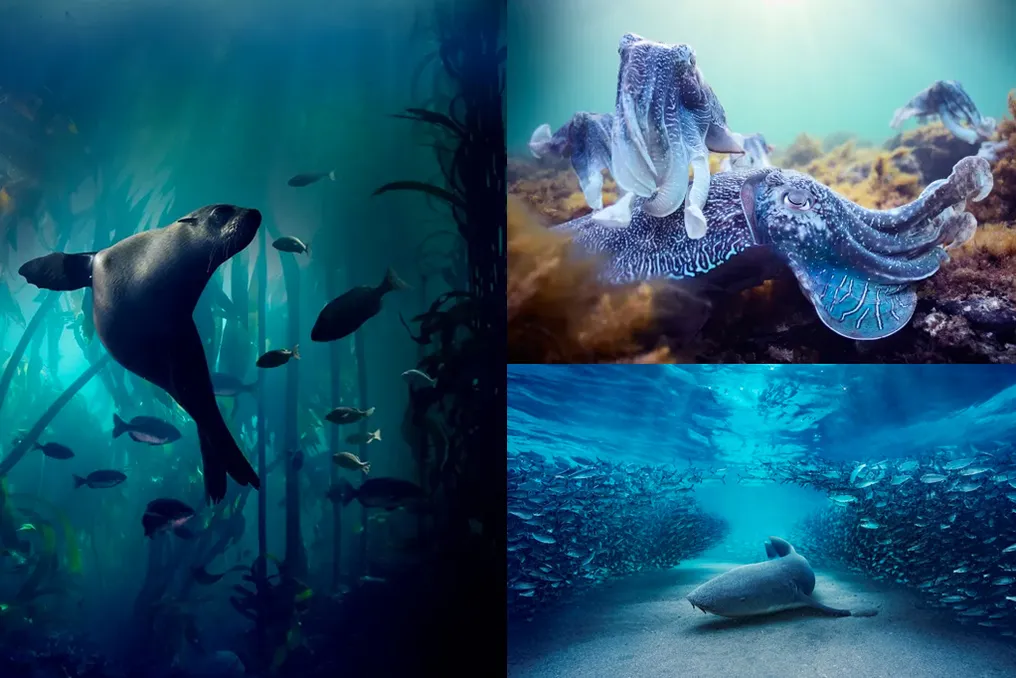
Obtaining high-definition images in marine life documentaries depends on a combination of professional underwater equipment, specific techniques, and controlled proximity to the animals.

Although the cameras used are similar to those employed on land, they are adapted with specialized lenses and custom sealing. Additionally, lens and lighting systems specific to the aquatic environment are necessary.

When diving to record videos, cinematographers must apply a technique distinct from that used on land. According to Fabi Fregonesi, an underwater photographer, water directly impacts light because it absorbs certain colors and scatters light due to suspended particles. This phenomenon reduces contrast, sharpness, and saturation; red tones, for example, are among the first to disappear with increasing depth. The use of lighting systems helps compensate for this light loss, restoring detail and contrast in the scenes.

To ensure sharp images, it is essential to stay as close as possible to the subject being filmed, minimizing the amount of water and particles between the camera and the animal. However, this closeness must always respect the well-being of the living beings.

The photographer emphasizes that proximity should never be prioritized over the animal itself. Instead of chasing it, the professional must seek to understand its movements and, when appropriate, position themselves naturally in its path, waiting. It is crucial to know the species' behavior and identify any signs of stress, as every animal has a safe approach distance, requiring the filmmaker to move away upon noticing any sign of disturbance.

Another common practice involves fixing the equipment and letting it record for a prolonged period. This allows the animal to be recorded without direct human intervention, which is feasible considering that dives have limited time and humans have a safe limit for remaining at great depths.

In situations of extreme depth, remote operation technologies are frequently implemented. In these cases, the cinematographer does not need to be physically underwater, controlling the camera remotely, although the fundamental technique remains the same.

Giant jaguar poses for photo while sunbathing in lake that is a landmark of Mato Grosso do Sul
Read more
g1.globo.com

Giant jaguar poses for photo while sunbathing in lake that is a landmark of Mato Grosso do Sul

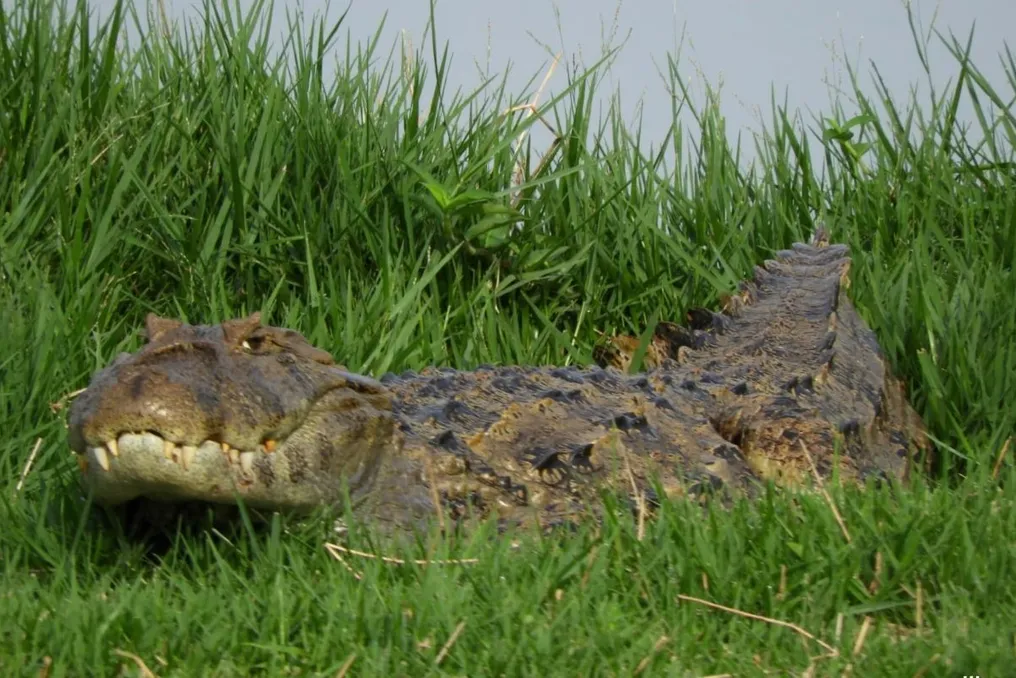
Photographer Wilmar Carrillo captured a giant jaguar, nearly two meters long, relaxing in the sun at Lagoa Maior, in the city of Tres Lagoas, in the eastern region of the state of Mato Grosso do Sul. This shot was taken in October while the specialist was photographing birds in the area.

Wilmar told the publication g1 that the animal inhabits Lagoa Maior Park, which is located in the central part of the city and is home to various species.

According to the photographer, he was photographing birds when a couple of local residents warned him about the presence of a jaguar on the opposite side of the lake. He recounted: 'It was sunbathing in the morning, but I was on the other side of the lake, photographing birds. Then the couple told me that the jaguar was on the opposite side, and I went over there.'

In the picture, the animal is shown motionless under the sun, displaying its teeth. Wilmar noted that he had encountered this jaguar in the park several times before. In some cases, the animal crosses the pedestrian path.

The photographer used the camera's zoom to maintain a safe distance and avoid potential dangers for both himself and the animal.

Popular