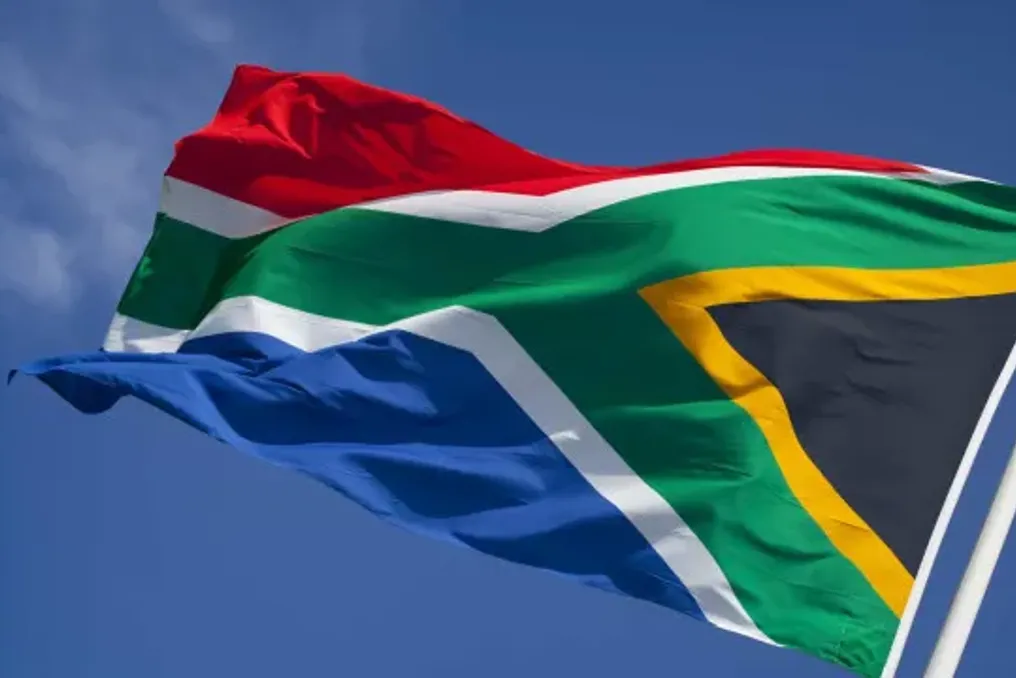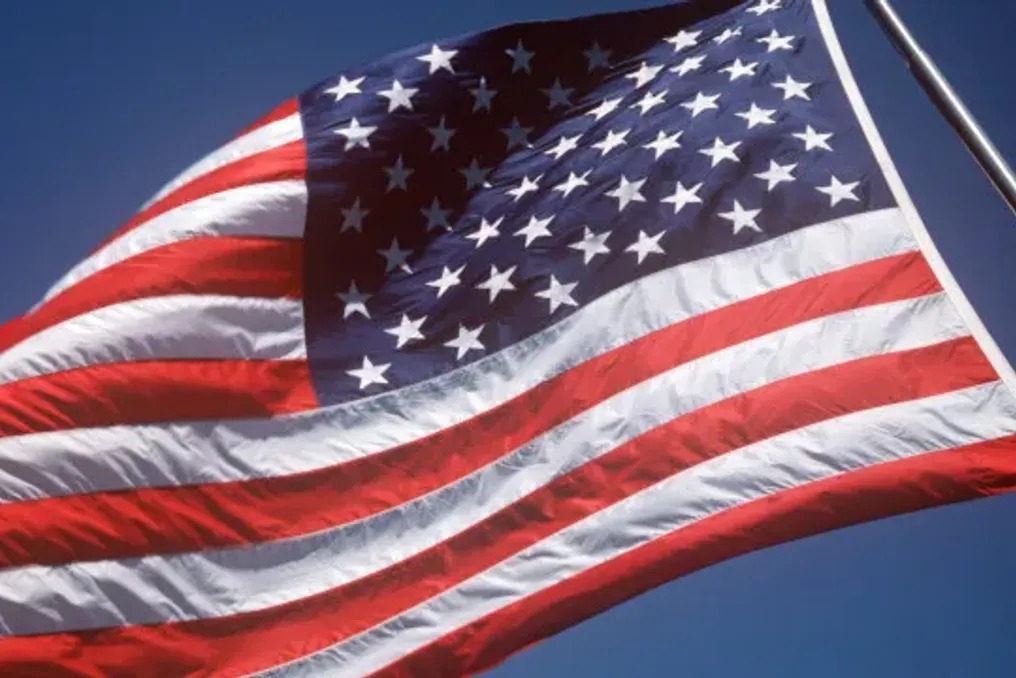
Jamieson Greer, White House representative for Trade (USTR), communicated Washington's intention to remove South Africa and Rwanda from the African Growth and Opportunity Act (AGOA).
According to the USTR, the reasons for this exclusion involve issues such as customs barriers, investments, the rule of law, and political pluralism. Specifically regarding South Africa, corruption and threats to US national security or its foreign policy interests were cited.
The AGOA agreement is fundamental because it allows various African products to access the North American market without paying customs duties, which is of great importance to South Africa, considered the most industrialized economy in sub-Saharan Africa.
South Africa had expressed hope that Washington would make a positive decision regarding its retention in the trade pact between the United States and the African continent, but this desire did not materialize.
This Southern African country has been targeted by the government led by Donald Trump for months, which accuses the country of alleged persecution of Afrikaners, descendants of European white colonists, since its return to power. Furthermore, South Africa has faced restrictions on issuing entry visas to the United States.
The United States remains a relevant trade partner for South Africa, with more than 600 American companies operating in the territory, generating approximately 134,600 jobs.
Sectors such as automotive and agricultural (including citrus) are particularly impacted by AGOA. AFP reported that in 2025, Naamsa, the employers' organization for the South African automotive sector, estimated that AGOA supported 86,000 jobs in the automotive sector and 125,000 if suppliers were included.