In the Sperlonga region, located between Rome and Naples, the old villa of Roman Emperor Tiberius has been transformed into the National Archaeological Museum and Archaeological Zone of Sperlonga. It houses one of Italy's most impressive collections of sculptures—a series of images created based on Homeric texts discovered among the ruins.
Tiberius, who ruled from 14 to 37 AD, was known as a reclusive emperor. He used Sperlonga—then known as Spelunca, the Latin word for cave—as his summer residence. The ruins of this villa were only found in 1957 during archaeological excavations near the town, which also uncovered finds in the cave that gave the place its original name.
Due to the threat of the artworks being moved to Rome, local residents organized themselves and managed to preserve this archaeological treasure in Sperlonga by building a museum. Visiting includes both the archaeological zone, where the old villa is located, and the museum itself, where the excavated sculptures are kept.
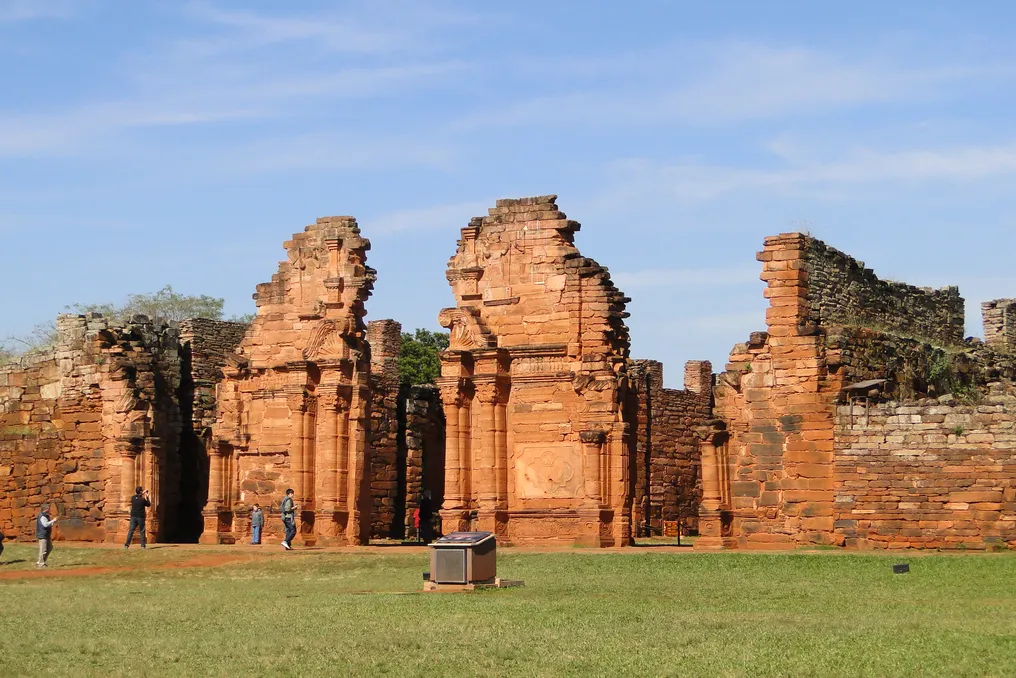
The archaeological zone features the original structure of Tiberius' Villa with terraces overlooking the sea, built in the style of the late Roman Republic. However, the main attraction of the old residence is its cave. This natural sea cave served as a decorative backdrop for banquets hosted by the emperor. One of the emperor's activities at his Sperlonga residence was fish farming in so-called fish farms connected to the cave.
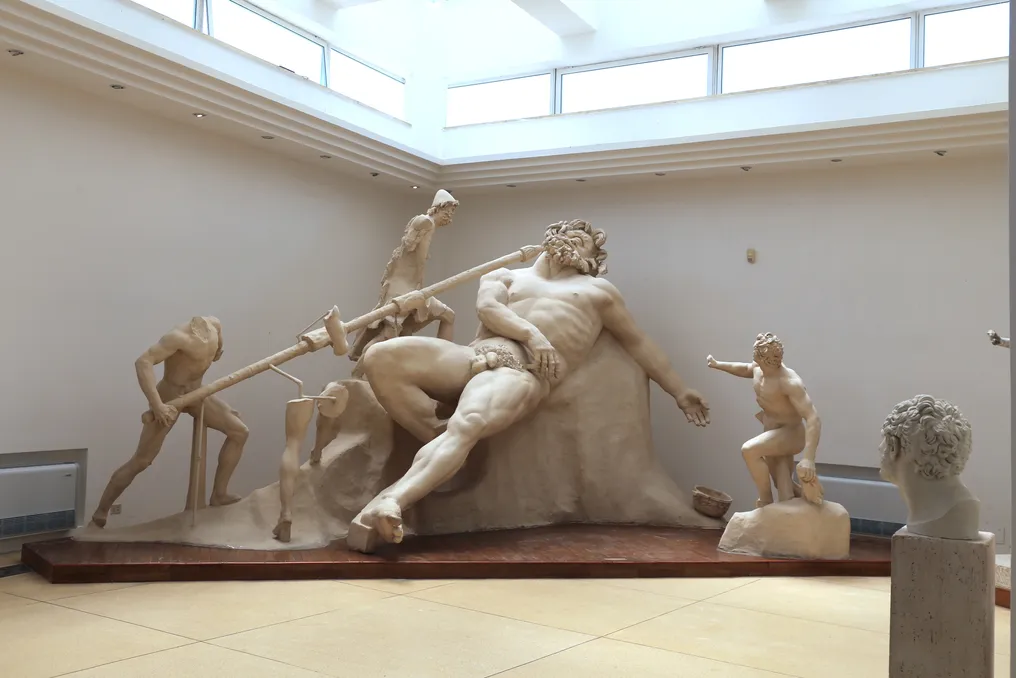
Original fragments and full-scale reconstructions of Greek marble statues found on site are also displayed. These sculptures have Homeric inspiration and refer to the legends of the 'Odyssey' and the 'Iliad.' The collection mainly consists of four large sculptural groups.
One group depicts the encounter between Ulysses and the Cyclops Polyphemus, a scene known from the 'Odyssey.' Ulysses tricks the cyclops into thinking his name is 'Nobody.' Thus, when he and his companions attack Polyphemus in his sleep, his cries for help go unanswered—the cyclops screams that 'Nobody' is attacking him.
Also presented are the attack by Circe, the sea monster that attacked Ulysses' ship and swallowed his comrades; the Abduction of Pallas, when Ulysses and Diomedes steal the statue of the goddess Athena from a Trojan temple; and Ulysses' rescue of Achilles' body during the Trojan War.
The museum collection also includes various items from the Classical and Post-Classical periods, detailing the history of the region's settlement over centuries. Among the exhibits are Attic vessels, architectural terracotta, African ceramics, and Christian chandeliers. Additionally, a video is shown recounting the 1957 archaeological discovery and the creation of the museum.
The museum is open from 8:30 AM to 7:30 PM, with entry permitted until 7:00 PM. The archaeological zone has a different schedule depending on the season: for example, from April to September, the last entry is at 6:00 PM, and closing is at 7:00 PM. In November and December, the last entry is at 3:00 PM, and closing is at 4:00 PM. Therefore, it is recommended to check the operating hours on the website before visiting. The entrance fee is 5 euros. Young people aged 18 to 25 are entitled to a reduced price of 2 euros. Children under 18 enter free of charge.