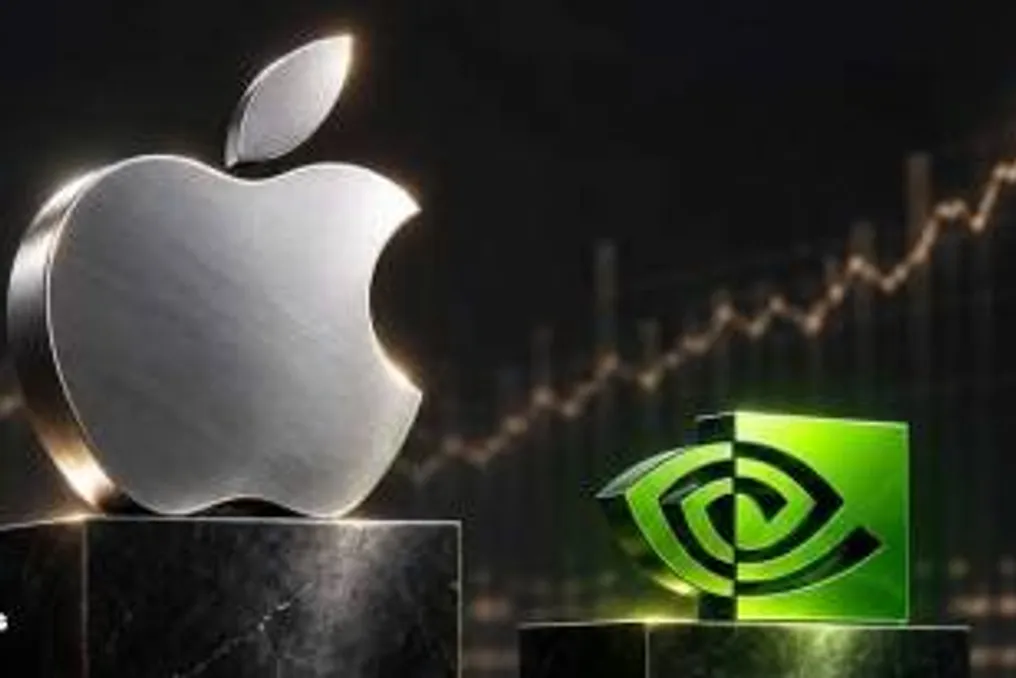
Apple has once again taken the leading position in the global market capitalization ranking, overtaking Nvidia.
Similar stories
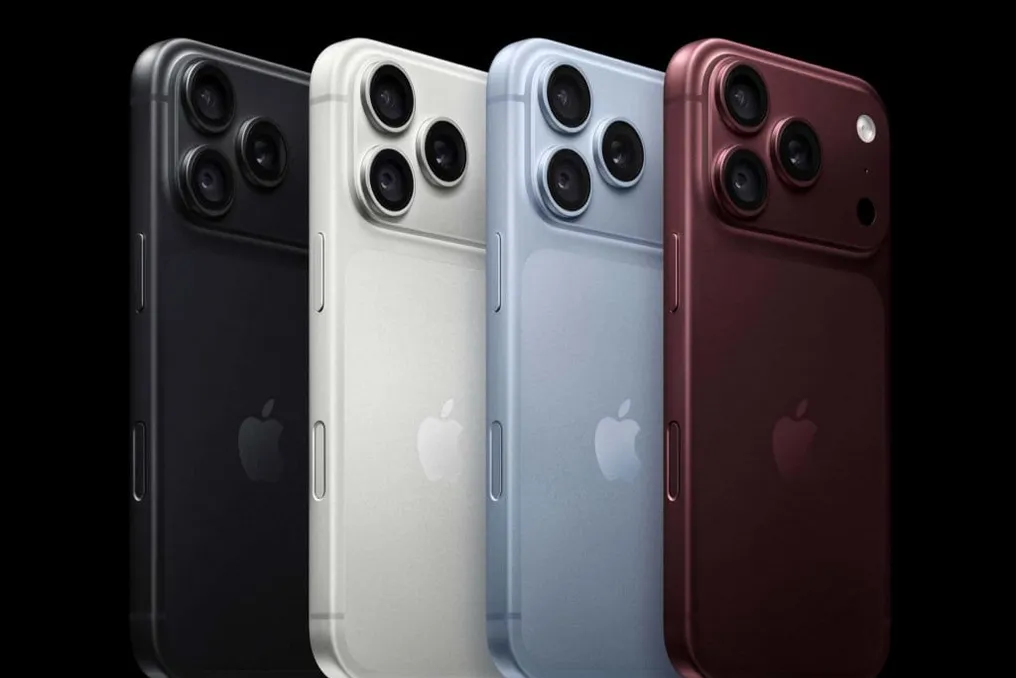
AI-driven chip price hikes reduce Apple's negotiating power with suppliers
The sharp increase in flash memory costs, driven by the growing demand from artificial intelligence companies, has significantly altered the relationship dynamic between Apple and its supply partners. The company, which previously exerted great pressure for discounts, now faces higher expenses and diminished negotiating power.
According to TechInsights, the prices of these memories grew fivefold in the last year, strengthening the commercial position of manufacturers like Kioxia. For many years, Apple held the title of the world's largest buyer of flash memory, an essential component for storing data such as photos, music, and applications.
Previously, Apple's purchasing volume allowed it to demand low prices and favorable contractual terms. Two years ago, Apple purchased almost twice the amount jointly acquired by Microsoft, Amazon, Meta, and Google, according to TechInsights estimates. Currently, these four corporations together account for double the market share that Apple once held.
In 2026, Meta, Microsoft, and Amazon signed long-term supply contracts with Kioxia, agreeing to accept higher prices. These agreements also guarantee the manufacturer's profits should there be changes in the market scenario.
Although flash memory represents a smaller portion of the total cost of a data center compared to iPhone production, accounting standards allow these costs to be distributed over several years, which helps justify the higher payment made by AI companies for the components.
TechInsights projects that Apple will invest US$ 25 billion (approximately R$ 131.25 billion) in flash memory in 2026, compared to the US$ 6 billion (R$ 31.5 billion) forecast for 2025, to acquire a similar amount of material.
This increase caught Apple by surprise, even after prior warnings from analysts, according to sources familiar with the company's purchasing practices interviewed by The Wall Street Journal. In 2023, the price of flash memory reached five cents per gigabyte; with the demand from the AI sector, this value exceeded 30 cents, representing a jump of over 500% from that previous level.
The increased cost directly impacts the profitability of higher storage capacity versions. In the iPhone 17 Pro, Apple charged an extra US$ 200 for the 512 GB version compared to the base 256 GB model. At that time, the cost of the additional memory for the company was US$ 15, which rose to US$ 66.
An analysis by The Wall Street Journal indicates that, from the launch of these products until 2025, Apple generated, on average, more than US$ 0.80 in gross profit for every dollar charged for extra storage on iPhones and iPads.
Cost pressure is also accompanied by product price adjustments. In recent months, Apple has adjusted almost its entire line, registering an average increase of 13% in iPhones, including older models that are often more affordable with the arrival of new releases.
Walt Coon, an analyst at TechInsights, summarized the transformation in supplier positioning: 'Historically, Apple negotiated extremely rigorously with memory suppliers. And there is no shortage of satisfaction among suppliers now that the balance of power is shifting.'
The relationship between Apple and suppliers took shape in 2001 when Toshiba engineers presented the company with a 1.8-inch, 5 GB hard drive. Apple secured exclusive rights to this component, which became central to the iPod.
In 2005, the company began using flash memory in the iPod Nano and prepaid US$ 1.25 billion to secure supply until 2010. The launch of the iPhone in 2007 expanded its purchasing power and consolidated a negotiation tactic focused on low prices, financial audits of manufacturers, and contracts aiming for commercial conditions equal to or better than those offered to other clients.
In 2023, when reduced device demand caused memory prices to fall, Bernstein Research predicted operational losses of US$ 19 billion for the sector. In the same year, Apple earned US$ 14 billion in gross profit from the sale of additional storage. However, the expansion of artificial intelligence infrastructure raised demand and component costs, strengthening manufacturers in negotiations. The company that once used its purchasing power to impose terms now faces a market where securing supply means accepting higher costs.

Users are pleased with rumors of the glowing logo returning to MacBook; new features are being discussed
Discussions surrounding Apple's MacBook Pro laptop have reignited. This time, the interest is not only driven by the new processor or improved display but also by the Apple logo displayed on the device's back panel. A teaser video from Apple CEO John Ternus has raised user questions about the possible return of the old glowing logo.
Apple previously used a glowing logo on its MacBooks, which set them apart from other laptops. However, the company later abandoned this feature and began using a standard logo. Despite this, many Apple fans continue to discuss the glowing logo and wish for its return to the MacBook.
Currently, the company has not officially confirmed the return of the glowing logo; these discussions are based on assumptions made after watching the teaser video. The main question is what innovations Apple plans to introduce in future MacBook Pro models and whether the way these laptops are used might change.
The video published by John Ternus demonstrates a surface resembling a lit area and a laptop. This has led to speculation about potential significant changes in the MacBook Pro design. Simultaneously, discussions have begun regarding the possible return of the glowing Apple logo to the back panel of older MacBooks.
In the past, the logo on older MacBooks glowed due to the light from the laptop screen, serving as a recognizable brand element for a long time. Later, Apple replaced this design with a standard logo on the rear of the casing. This is why the return of the glowing logo has become a topic of interest for Mac users, although the teaser contains no explicit signs confirming this feature, and it should currently be viewed as a possibility.
Parallel to the discussion about the glowing logo, hopes have risen for the release of the first MacBook Pro with a touchscreen. According to a report by Mark Gurman of Bloomberg, the company may present new 14-inch and 16-inch MacBook Pro models that could support OLED displays and touchscreens.
If this happens, the way users interact with the MacBook Pro could change drastically. Currently, users mainly rely on the keyboard and trackpad to work with the screen. With the introduction of a touchscreen, they will be able to perform some tasks by touching the screen itself. For example, when editing photos, it will be easier to select specific areas, use interface elements on the screen, or quickly zoom in. However, this will depend on how Apple integrates the touchscreen with macOS.
Reports suggest that Apple may introduce touch input not as a replacement for the keyboard and trackpad, but as an additional method of operation, allowing users to work as on a regular laptop.
There is also discussion about the possibility of equipping new MacBook Pros with OLED displays. Some existing MacBook Pro models use the Liquid Retina XDR display. OLED technology generates its own light in each pixel, providing deeper black colors and better contrast. This could be useful when watching movies, editing photos, and creating videos, although the actual experience will depend on the display quality and Apple's settings.
Some reports also claim that instead of the old notch above the screen on new MacBook Pros, there might be a Dynamic Island similar to the one on the iPhone. This could change how notifications and other information around the camera are displayed.
It is important to note that Apple already presented the new 14-inch MacBook Pro with the M6 chip on October 27th. Its starting price in India is set at 2,39,900 rupees. Pre-orders will begin on October 28th, and sales start on November 6th.