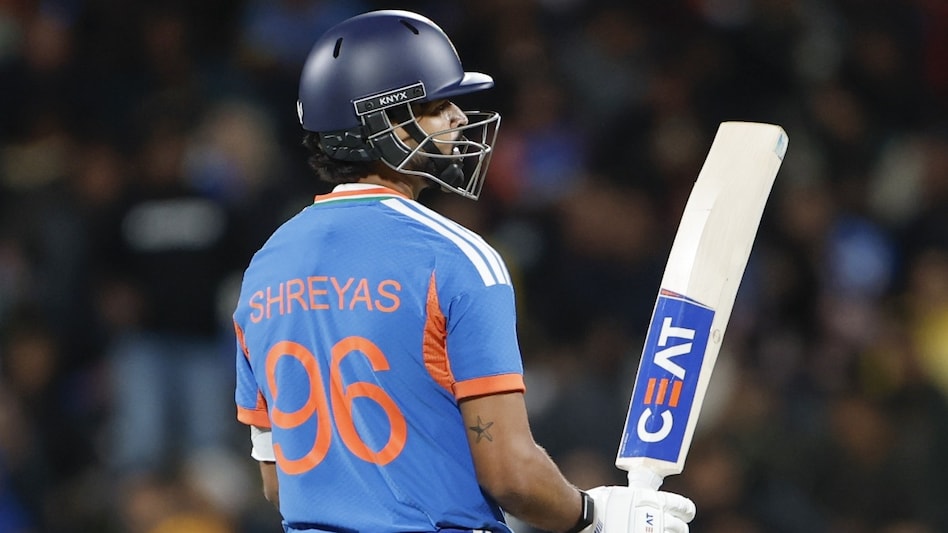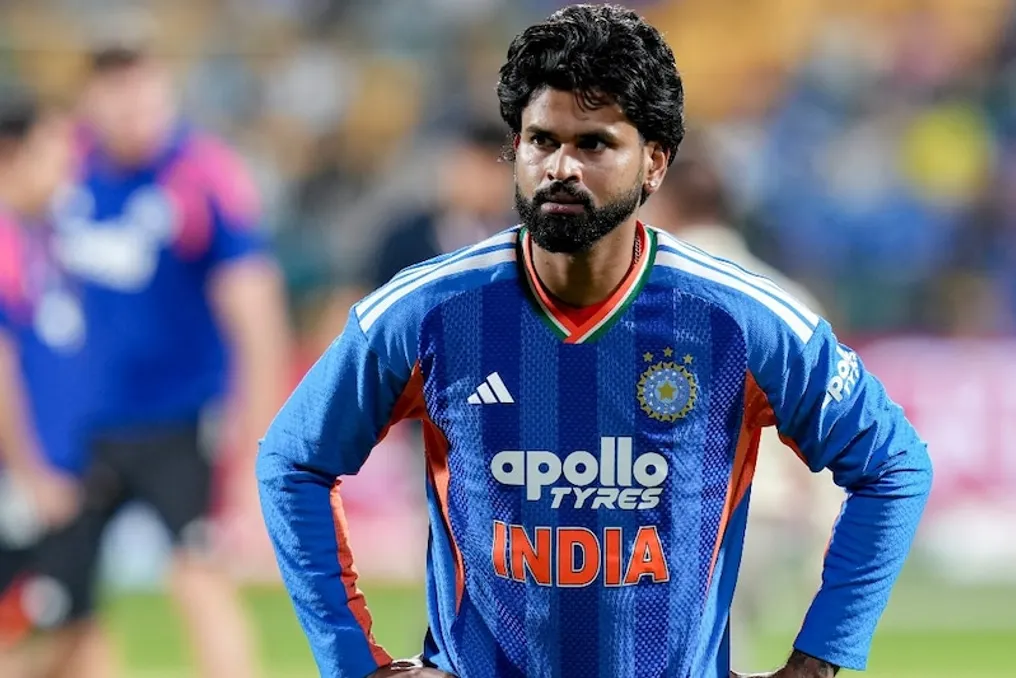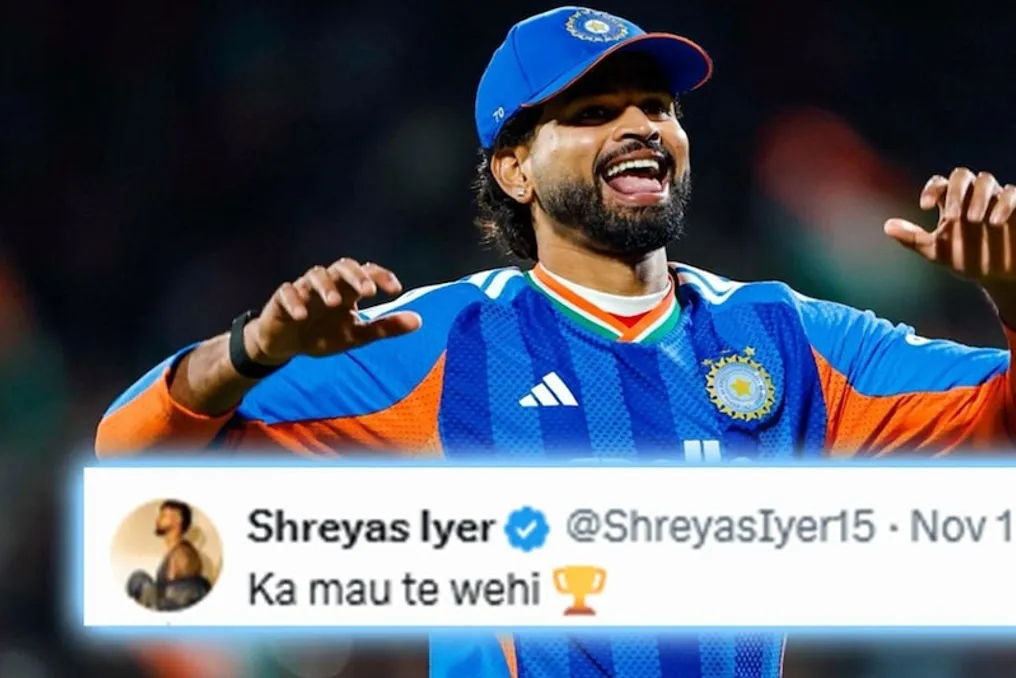
After the Indian team won the five-match T20 series against New Zealand with a score of 3-2, the post by Indian captain Shreyas Iyer attracted significant interest among cricket fans. Iyer shared photos from the series, accompanying them with a caption whose meaning became the subject of fan searches. Notably, he did not use Hindi or English, but wrote only four words in the local Māori language.
In his post, accompanied by a trophy emoji, Shreyas Iyer wrote the phrase 'Ka mau te wehi'. This expression is popular in the Māori language and is used to express admiration for any outstanding achievement, performance, or success. Simply put, it means 'magnificent', 'fantastic', or 'extremely great'.
'Ka mau te wehi' is a common expression (Kiwaha) in the Māori language that serves to demonstrate surprise, admiration, and enthusiasm for an exceptional performance. Literally, it relates to a feeling of amazement, but in everyday speech, it is interpreted as 'magnificent', 'excellent', or 'absolutely stunning'. The word 'Wehi' in this phrase is associated with a feeling of awe, surprise, or strong impression. Such emotions are utilized in Māori culture and traditional performing arts, such as the Haka. Therefore, Iyer's message after winning the series in New Zealand gained special significance.
The Indian team initially had an undeniable advantage, winning the first three matches and leading the series 3-0. However, New Zealand managed a strong comeback by winning the last two T20 matches. Despite this, the Indian team managed to conclude the series with a score of 3-2.
Even after winning the series, Shreyas Iyer admitted that the Indian team could have performed better in the final match. In the fifth T20 match, New Zealand defeated India by seven wickets. After the game, Iyer cited the constant loss of players in the middle of the batting lineup as the main reason for the defeat. He also noted the need for improvement in bowling and fielding, pointing out that the team was somewhat weak in these two aspects. Nevertheless, he viewed the games on different grounds and under various conditions in New Zealand as a valuable learning opportunity.