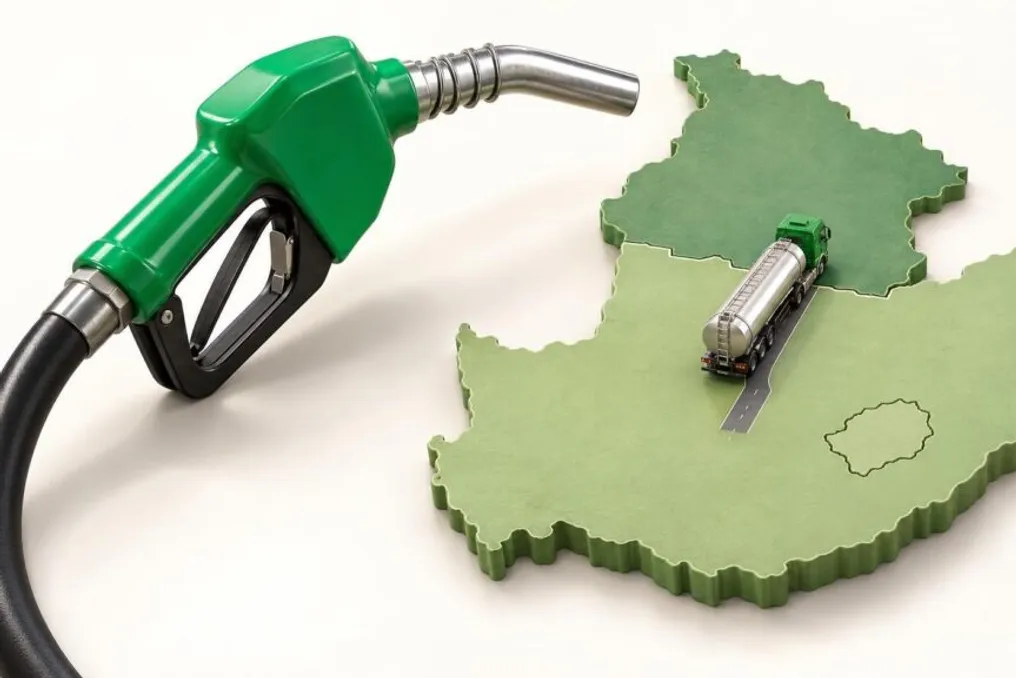
Drivers in South Africa may experience some relief at petrol stations starting on Thursday, November 4th. This is due to a temporary reduction in fuel levies, intended to offset rising global oil prices and pressure on the rand exchange rate.
According to the latest data from the Central Energy Fund (CEF), the price of gasoline is expected to decrease by an amount ranging from 50 cents to 93 cents per liter. Diesel fuel is projected to become cheaper by an amount between 1.58 and 1.68 rand per liter.
Specific forecasts indicate that unleaded petrol 95 could drop by 50 cents per liter, while unleaded petrol 93 could fall by 93 cents. Diesel 500ppm and 50ppm, respectively, should become cheaper by 1.58 and 1.68 rand.
If these forecasts materialize, drivers could pay approximately 29.83 rand per liter for petrol 95 in inland areas and 28.96 rand on the coast. The price of petrol 93 in inland areas is expected to stabilize around 29.46 rand per liter.
The wholesale price of 500ppm diesel fuel may decrease to 30.37 rand in inland areas and 29.50 rand on the coast, while 50ppm diesel fuel is forecast at 31.12 rand in inland areas and 30.25 rand on the coast.
These anticipated reductions stem from the announcement by Finance Minister Enoch Godongwana within the Medium-Term Budget Policy Statement (MTBPS) on October 21st. He announced a temporary cut in fuel levies aimed at easing the burden on households and businesses.
The total fuel levy will be reduced by 1.50 rand per liter for petrol and by 3 rand per liter for diesel fuel from November 4th until December 1, 2026. After this, the concession will be reduced: between December 2 and January 5, 2027, the reduction will be 1 rand per liter for petrol and 1.50 rand per liter for diesel fuel.
Godongwana stated: 'To provide temporary relief, the fuel levy will be reduced by 3 rand per liter for diesel fuel and by 1.50 rand per liter for petrol.'
This measure is part of a R10 billion relief package designed to protect consumers from rising fuel costs. However, the expected November reduction will only provide limited relief following significant price increases earlier in the year.
Pressure on domestic fuel prices is driven by rising global oil prices, fuel supply issues related to the escalating conflict in the Middle East, and the weakening rand exchange rate. Final adjustments for November depend on confirmation by the Department of Mineral Resources, with the coal excise also influencing final prices.