UN alerts to high rate of adolescent pregnancy in rural areas of Angola
Read more
Noticias ao Minuto
noticiasaominuto.com

UN alerts to high rate of adolescent pregnancy in rural areas of Angola

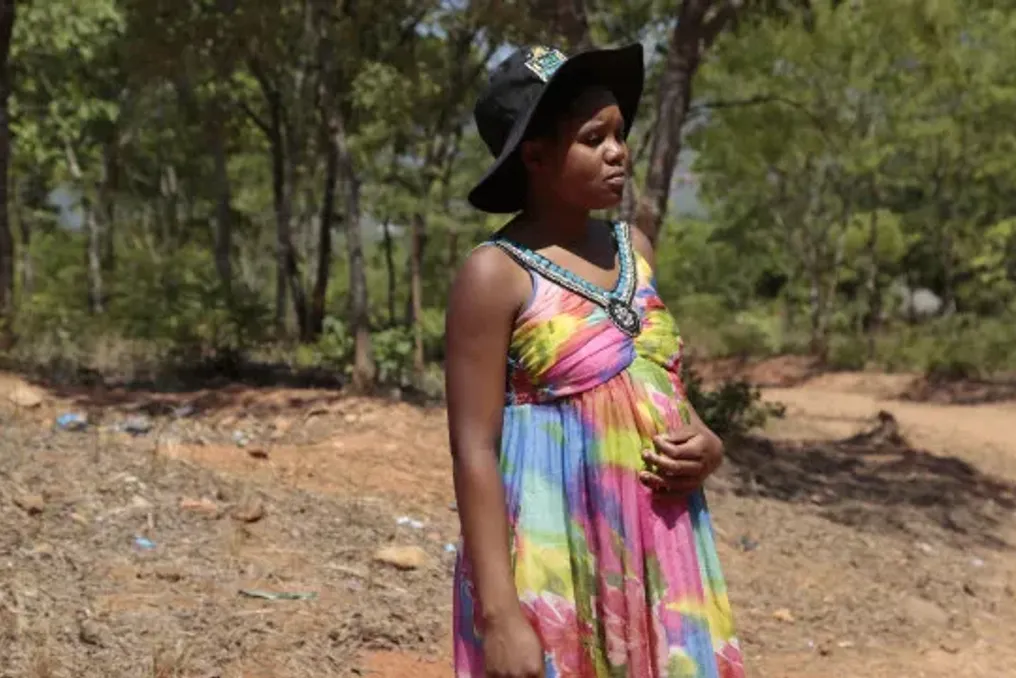
A recent report by the United Nations Committee on the Rights of Women revealed a worrying rate of adolescent pregnancy in Angola, reaching 42.5% in rural regions.

The Committee expressed great concern over the high incidence of this phenomenon in Angola, where the overall rate among women and girls aged 15 to 19 is 27.1%, but jumps to 42.5% in rural areas.

The conclusions presented in this report analyze the situation of women's rights in various countries, including Angola, Cape Verde, Cook Islands, Kazakhstan, Kenya, Paraguay, Moldova, and Togo. The UN Committee's analysis also highlights the positive aspects of each country in implementing the Convention on the Elimination of All Forms of Discrimination Against Women (CEDAW Convention), while pointing out the main concerns and offering suggestions.

Regarding Angola, the Committee urges the country to implement a properly funded national strategy to combat early pregnancy. Among the proposed recommendations are the provision of comprehensive and age-appropriate sexual education, confidential access to sexual and reproductive health services adapted for adolescents, and the offering of voluntary contraceptive methods.

Additionally, the document suggests adopting stricter measures to eradicate sexual violence and child marriage. The report also emphasizes the considerable barriers that women face when trying to access financial and economic resources, such as low-interest loans, borrowings, and digital technologies.

To mitigate these difficulties, the Committee advises Angola to expand the Informal Economy Conversion Program, promote female entrepreneurship, and facilitate access to financing without the need for real guarantees or mortgages. Finally, greater investment in Internet and mobile network infrastructure is requested to reduce digital exclusion, a problem particularly acute among women residing in rural areas.
Similar stories

Angola plans to vaccinate 10.9 million children against polio and measles
Read more
noticiasaominuto.com

Angola plans to vaccinate 10.9 million children against polio and measles

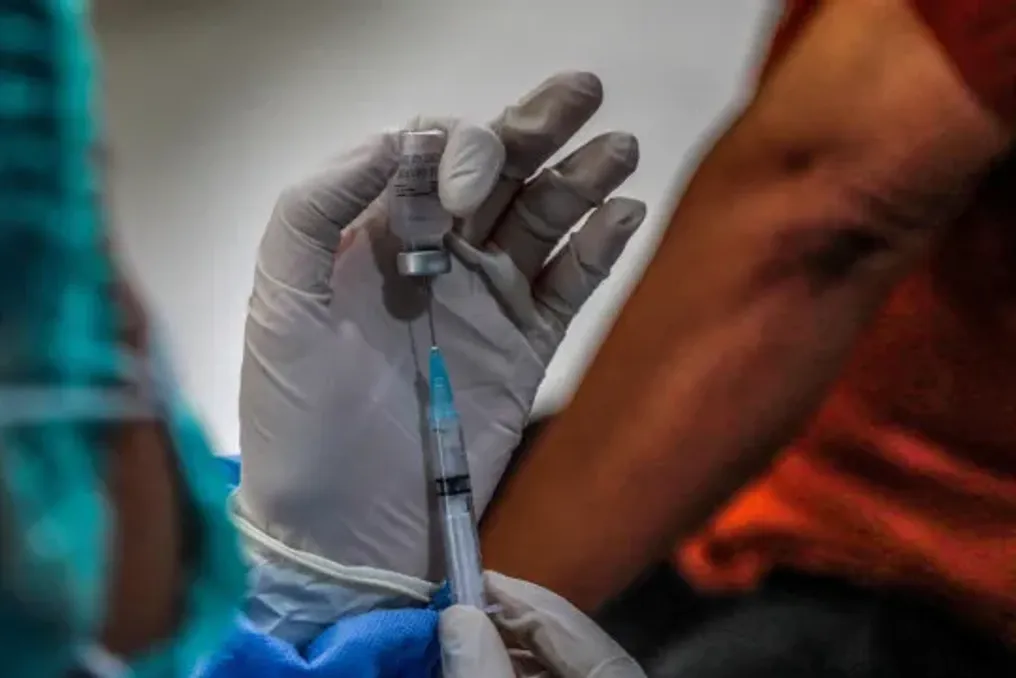
Angolan health authorities forecast the vaccination of over ten million children over four days, starting Friday, against polio, yellow fever, and measles, according to the national coordinator of the Expanded Immunization Program (PAV).

According to Alda de Sousa, the campaign will cover 10.9 million children across the country. Children under five years old will receive doses of vaccines against the poliovirus, while children aged nine months to nine years will receive measles vaccines.

Regarding the yellow fever vaccine, Alda de Sousa stated in an interview with Radio Nacional de Angola that it will only be administered to children aged nine months to nine years in the municipalities of Luanda, Icolo, and Bengo provinces.

She specified that vaccination will take place both at stationary points and through mobile and advanced teams that will go to areas with a high concentration of children, including schools, kindergartens, and markets. Vaccination will also be provided in hard-to-reach areas using three strategies.

For oral polio vaccination, a house-to-house visit strategy is planned to ensure that no one is left unvaccinated. The human resources plan involves the participation of 77,269 agents and 11,300 vaccination teams.

Malnutrition and growth stunting in Cape Verde children worsen, according to National Statistics Institute data
Read more
noticiasaominuto.com

Malnutrition and growth stunting in Cape Verde children worsen, according to National Statistics Institute data

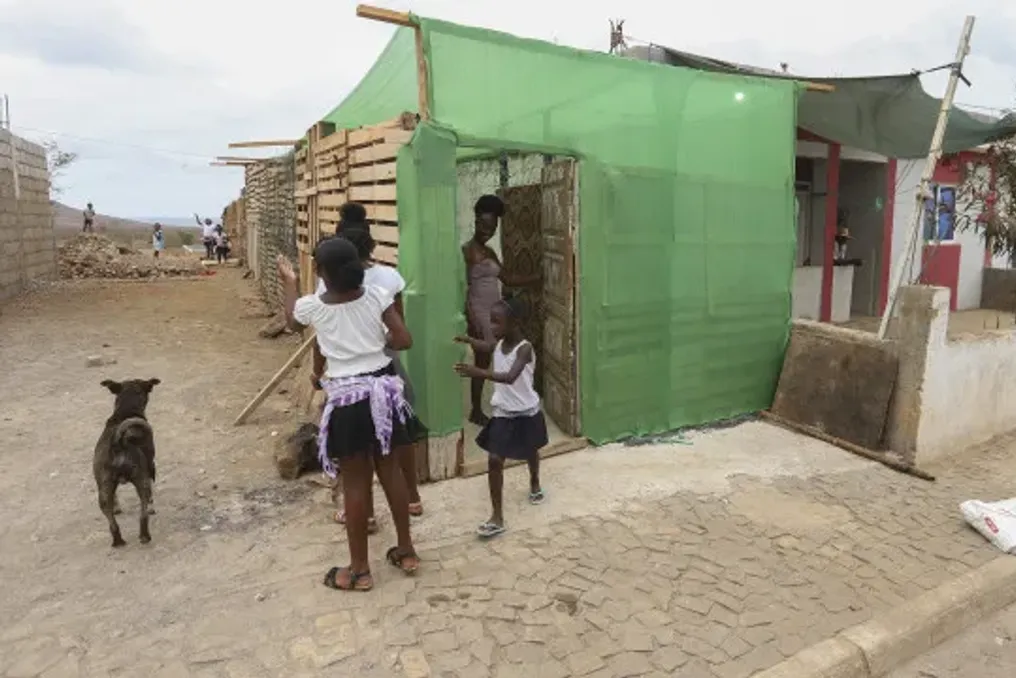
According to data published today by the National Statistics Institute (INE) of the archipelago, acute malnutrition and growth stunting among children under five years old in Cape Verde have worsened since 2015.

The statistical report concerning the Sustainable Development Goals (SDGs) shows that the rate of acute malnutrition increased from 3% to 5.9% between 2015 and 2019, before decreasing to 4% by 2024.

In the subgroup of children older than two and younger than five, there was a 'clear degradation of the indicator,' which rose from 2.7% to 4.6% in the period 2015–2024, peaking at 8.1% in 2022.

The SDGs aim for the reduction and eradication of child growth stunting in line with international nutrition goals. The prevalence of growth stunting among children under five in Cape Verde was 12.6% in 2024, higher than the 11.8% recorded in 2015.

The assessment of goal achievement by 2030 in the report concludes that there has been 'no progress' in reducing the level of child growth stunting between 2009 and 2024.

This data is part of the seventh statistical report on the Sustainable Development Goals (SDGs), established by the United Nations and processed by the National Institute of Statistics of Cape Verde (INECV).

The report, which 'presents an updated picture' of Cape Verde's status regarding SDG implementation, notes that the proportion of the population living below the international poverty line decreased from 4.6% in 2015 to 2.3% in 2022.

The SDGs include 169 targets, grouped into 17 main goals (in social, environmental, economic, or institutional spheres), which were selected by the United Nations for implementation by 2030. Among the first three main goals are poverty eradication, 'zero hunger,' and ensuring good health and well-being for all.

Popular