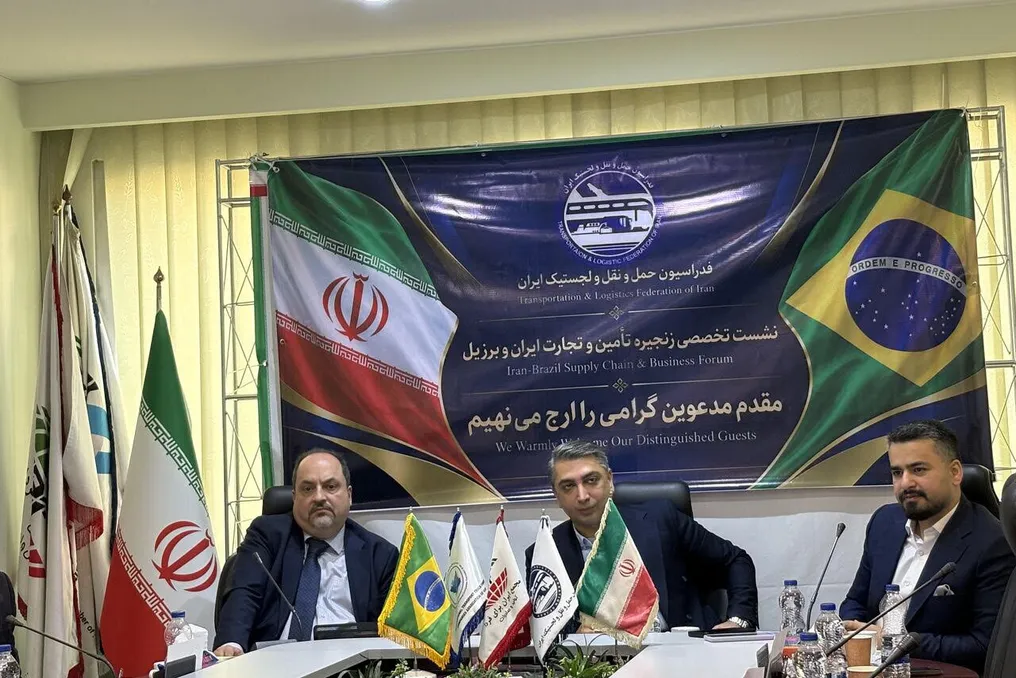
The Deputy for International Affairs of the Federation of Transport and Logistics noted that the volume of trade between Iran and Brazil has shown growth in recent years. He emphasized that Brazil's economic opportunities, especially in the supply of agricultural products and basic goods, create a favorable basis for expanding trade cooperation.
Iran-Brazil Trade Turnover of $10 Billion is at Risk
According to IRNA agency, Abazar Barari stated at a meeting on trade cooperation between Iran and Brazil that it is necessary to study existing problems and eliminate obstacles to forming stable relations between the two countries.
He pointed out that one of the key problems following the start of military actions is ensuring the supply of goods and the continuity of supply chains. Barari added that logistics has become an important aspect of global trade today, and in Iran-Brazil trade, this problem is exacerbated by the large geographical distance and the significant volume of cargo being transported.
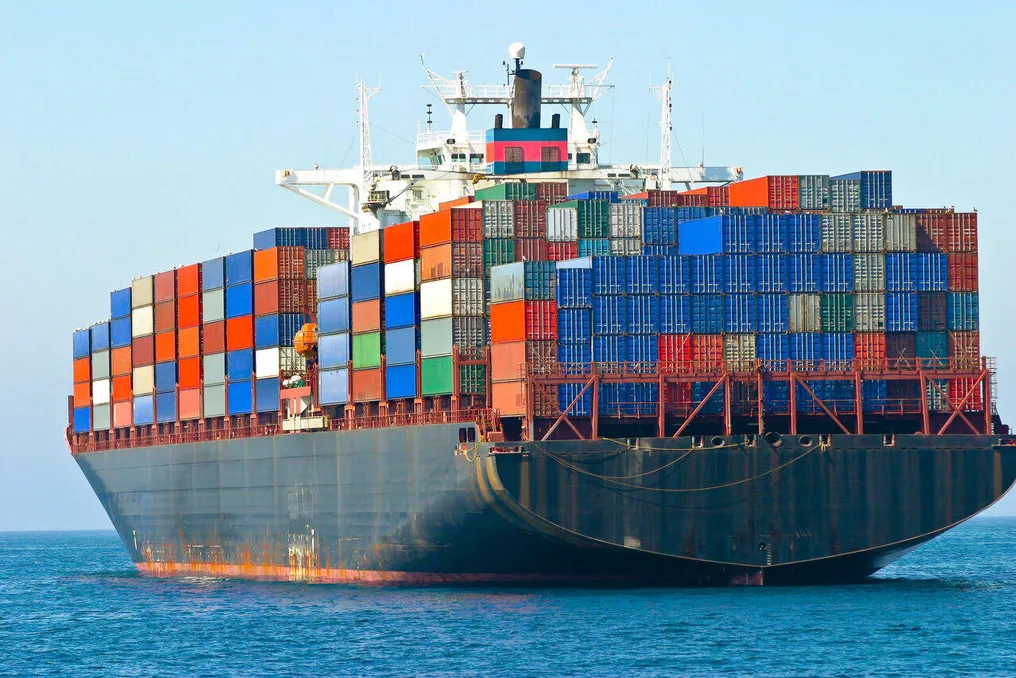
Barari drew attention to the fact that a significant part of exchanges between the countries depends on bulky and staple goods such as sugar, corn, and grain. He noted that sea transport of such goods on large vessels cannot compare with land transport from an economic and operational point of view, and replacing sea routes with road transport entails serious costs and complexities for trade.
Explaining the changes in maritime transport corridors between Iran and Brazil, he reported that traditional shipping routes have faced restrictions due to the war. In the current situation, some exchanges are carried out through alternative routes and intermediate ports, including the route through Turkey. However, using these alternative routes involves issues of security, time, and economics.
The Deputy for International Affairs of the Federation of Transport and Logistics highlighted the significant increase in transportation costs. The cost of transporting a 40-foot container, which previously amounted to about $3000, now reaches at least $8000. Furthermore, ground transportation costs for goods along alternative routes have significantly increased.
He also stated that other ports in the country have significant potential for developing trade directions and reducing dependence on limited sea routes. Barari stressed the need to revise the country's infrastructure and logistical planning, noting that even after the end of military conditions, time will be required for the rapid restoration of normal functioning of sea routes and the removal of possible restrictions. Therefore, planning must begin now, with special attention to Chabahar Port.