Foreign currency supply in Uzbekistan increased by 25% over nine months
Read more
UzDaily
uzdaily.uz

Foreign currency supply in Uzbekistan increased by 25% over nine months

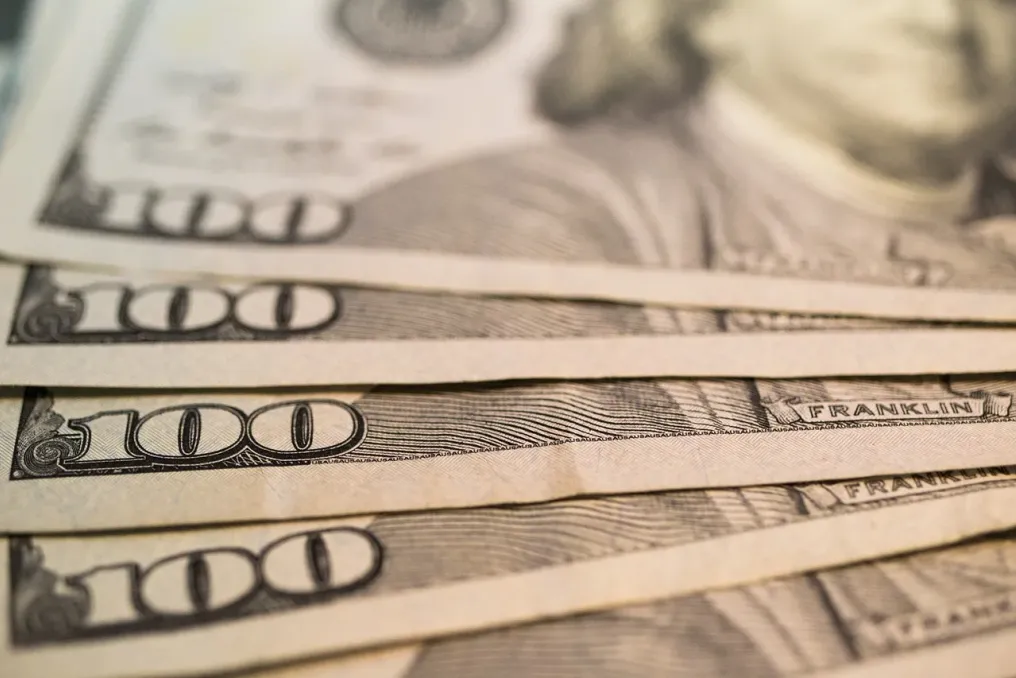
According to a report from the Central Bank of Uzbekistan, from January to September 2026, the supply of foreign currency in Uzbekistan's domestic currency market exceeded demand. Excluding central bank operations, the supply volume increased by 25.3% year-on-year, reaching $43.8 billion, while demand grew by 17.9% to $50.4 billion.

Legal entities accounted for the majority of the demand, consuming $39.4 billion, while private individuals requested $11 billion. Regarding supply, $22.8 billion came from legal entities and banks, $18.9 billion from private individuals, and another $2.2 billion from international financial institutions and foreign direct investment.

The most noticeable growth in indicators was observed among legal entities: their need for foreign currency increased by 15.3%, and supply increased by 26.7%. Export revenues of enterprises during this nine-month period grew by 28.1%, reaching $16.6 billion. Of this amount, $9.5 billion, or 57.2%, was sold on the domestic currency market, which is 33%, or almost $2.4 billion, more than in January-September 2025.

Another source of foreign currency inflow was the positive balance of transactions between citizens and banks. Local residents sold $18.9 billion to commercial banks, which is 1.2 times the figure from last year. International money transfers brought $15.2 billion to the country, with a positive balance of $13.2 billion.

Additional liquidity created by the central bank's operations using monetary gold was neutralized through currency operations conducted according to the principle of neutrality, as well as through other monetary policy tools.

Over the nine months, the exchange rate of the sum fluctuated within the range of 11,765–12,320 sums per US dollar. By the end of September, the exchange rate reached 11,821 sums, reflecting a 1.5% strengthening since the beginning of the year. According to the regulator, exchange rate changes depended on domestic market supply and demand, broader macroeconomic trends, and external economic conditions.

The Central Bank has developed a strategy for operations and interventions in the domestic currency market for the period 2026–2030. This strategy envisages further development of market-based exchange rate formation, strengthening the role of banks, and aligning the regulator's activities with international practices.

Starting August 10, trading on the currency exchange was extended until 17:00, compared to the previous closing time of 15:00. This allows banks to manage foreign currency liquidity more effectively throughout the day and ensure uninterrupted processing of clients' foreign currency payments. Furthermore, from September 15, the official exchange rate began to be calculated as a weighted average based on both exchange and over-the-counter interbank transactions, not just on exchange operations. The rate announced on the last working day is now also applied on weekends, including Saturday and Sunday.
Similar stories

Assets of commercial banks in Uzbekistan grew by 20.5% in 2026
Read more
uzdaily.uz

Assets of commercial banks in Uzbekistan grew by 20.5% in 2026

According to data from the Central Bank of Uzbekistan, the total assets of commercial banks in Uzbekistan reached 1,044.8 trillion UZS as of October 1, 2026. This figure represents an increase of 20.5% compared to 866.8 trillion UZS the previous year.

The fastest asset growth was demonstrated by non-state-owned banks, which increased their balances by 36.2% to 410 trillion UZS. Meanwhile, assets of state-participating banks grew by 12.2%, amounting to 634.9 trillion UZS.

Consequently, the share of non-state-owned banks in the total banking system assets increased from 34.7% to 39.2%, indicating the growing contribution of the private banking sector.

Foreign currency assets decrease as a percentage of total assets

The share of foreign currency assets in bank balances continued to decrease relative to the total volume. Assets denominated in foreign currency increased by only 6% year-on-year, reaching 352.7 trillion UZS. Their share in total banking assets fell from 38.4% to 33.8%, reflecting a slower growth rate compared to the overall fund of banking system assets.

Loan portfolio expands, but investments in securities grow faster

Loans remained the largest component of commercial banks' assets. The net loan portfolio increased by 13.1% to 638.1 trillion UZS, although its share in total assets decreased from 65.1% to 61.1%. This reduction in the relative weight of lending is largely explained by the significantly faster growth of investments and securities.

Bank assets in the form of investments and securities soared by 93.4% over the year, reaching 155.6 trillion UZS, almost double. Accordingly, their share in total banking assets increased from 9.3% to 14.9%. Funds held by commercial banks at the Central Bank grew by 33.7% to 36.2 trillion UZS. At the same time, cash increased by 11.7% to 30 trillion UZS, and accrued interest receivable grew by 47.2% to 39.1 trillion UZS. Meanwhile, requirements from non-residents decreased by 18.8% to 44.9 trillion UZS, and requirements from residents also decreased by 3.2% to 29.2 trillion UZS.

Bank liabilities and capital continue to grow

Regarding balance sheet liabilities and capital, total bank obligations increased by 21.1%, reaching 891.9 trillion UZS. The equity capital of the banking system grew by 17.3%, amounting to 152.9 trillion UZS. These figures demonstrate that the expansion of bank assets was accompanied by growth in both liabilities and capital.

Twelve banks control nearly 79% of total assets

The banking system of Uzbekistan maintains a high degree of concentration, as the largest institutions accumulate the vast majority of assets. Out of 35 operating commercial banks in the country, 12 had assets exceeding 30 trillion UZS as of October 1, 2026. Together, these banks controlled 821.9 trillion UZS, equivalent to 78.7% of the total banking system assets.

Another 11 banks had assets in the range of 10 to 30 trillion UZS, with their combined assets totaling 181.5 trillion UZS. Six banks had assets between 3 and 10 trillion UZS, summing up to 34.2 trillion UZS. The six smallest banks, each having assets of less than 3 trillion UZS, collectively owned 7.2 trillion UZS.

Data from the Central Bank highlights the ongoing expansion of the banking sector in Uzbekistan, especially among private institutions, as well as the shift in asset structure towards investments and securities. Despite the faster growth of small and private banks, the sector remains dominated by a relatively small group of large financial organizations.

Uzbekistan's oil and petroleum product imports grew by 6% in January-September 2026
Read more
uzdaily.uz

Uzbekistan's oil and petroleum product imports grew by 6% in January-September 2026

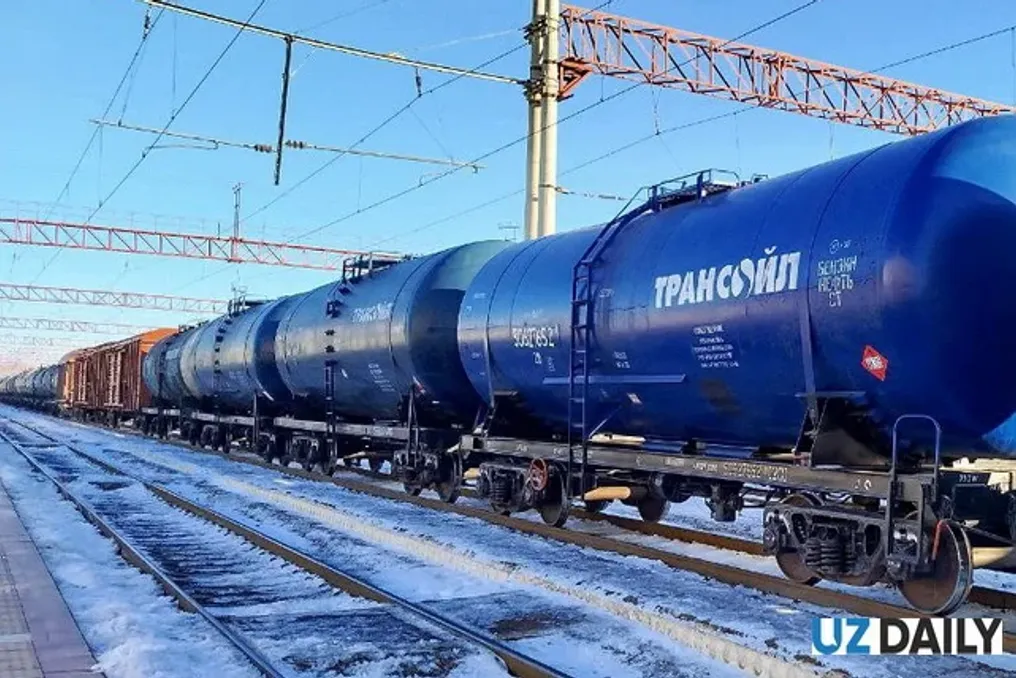
According to data from the National Statistical Committee of Uzbekistan, between January and September 2026, Uzbekistan imported oil, petroleum products, and similar materials worth 1.558 billion US dollars. This figure demonstrates a growth of 6.0% compared to the same period last year.

Specifically, gasoline imports increased by 33.6% over the nine-month period, reaching 454 million US dollars. Conversely, diesel fuel imports decreased by 19.1%, amounting to 189.1 million US dollars. The total volume of fuel and lubricant imports was 1.152 billion US dollars, representing a slight decrease of 0.1% year-on-year.

Imports of mineral fuels, lubricants, and related goods reached 3.369 billion US dollars, showing a growth of 21.6%. The share of this category in the total import volume increased from 8.1% to 8.5%.

Within this category, imports of natural and synthetic gas amounted to 1.605 billion US dollars, which is 49.9% more than the previous year. Liquefied petroleum gas (propane) imports increased 3.8 times, reaching 152.2 million US dollars. Meanwhile, coal, coke, and briquette imports decreased by 1.7% to 144.2 million US dollars, and electricity imports fell by 25.0% to 61.8 million US dollars.

Uzbekistan's total imports of goods and services for January-September 2026 reached 39.6 billion US dollars, which is 15.7% higher than in the same period of 2025. The country procured goods and services from over 160 countries.

Concurrently, during the first nine months of 2026, Uzbekistan exported oil, petroleum products, and similar materials worth 672.5 million US dollars, which represents an increase of 44.4% compared to the same period last year.

Demand for export freight transport in Uzbekistan grew by 29% in the third quarter
Read more
uzdaily.uz

Demand for export freight transport in Uzbekistan grew by 29% in the third quarter

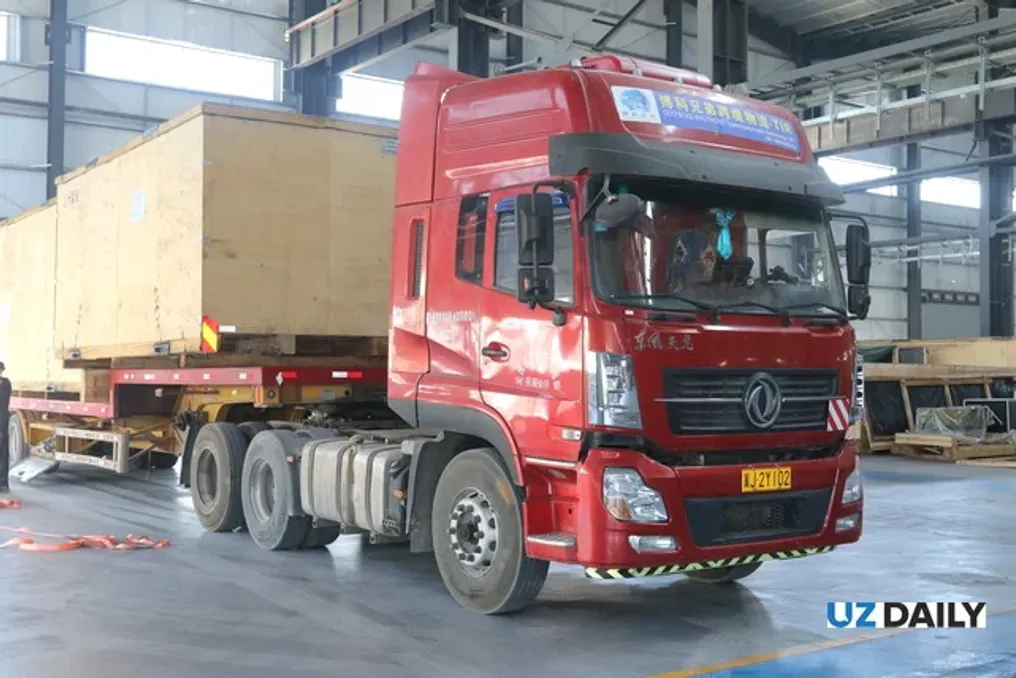
The demand for export freight transport services from Uzbekistan continues to grow. According to the report from the logistics service ATI.SU, in the third quarter of 2026, requests for international goods transportation increased by 29% compared to the same period last year, while freight rates rose by 10%.

In the first nine months of the current year, the number of requests for export transportation increased by 11%, and this growth was maintained across all three quarters. The most significant increase was recorded on the route to Belarus, where the demand for cargo delivery jumped by 80%. The number of applications for shipments to Russia increased by a quarter.

The import freight transport market showed less stable dynamics. Since the beginning of the year, the total number of orders across all directions increased by 16%, but in the third quarter, this figure decreased by 8%. Activity noticeably dropped in July and August, but in September, the number of requests for import transportation increased by 39%.

For the Russian direction, the number of orders almost doubled in the first month of autumn. Nevertheless, due to lower activity in the two previous months, the quarterly figure for this route decreased by 4%. Import freight rates rose by only 2% over the year.

Domestic freight transport also demonstrated a positive trend. In the third quarter, requests for domestic cargo delivery within Uzbekistan increased by 12% compared to the second quarter.

ATI.SU notes that the presented figures reflect not only market conditions but also the expansion of the platform's user base. Uzbek carriers and clients are increasingly moving from manual procedures to digital services.

Farid Vakhidov, head of the ATI.SU representative office in Uzbekistan, explained the slowdown in activity on the Russian route during the summer due to the fuel crisis, which particularly affected imports from Russia. According to Vakhidov, the diesel fuel situation improved in September, which largely explains the sharp recovery in demand in this direction.

Popular