Taliban Government Launches Polio Vaccination Campaign for 12.8 Million Children in Afghanistan
Read more
Noticias ao Minuto
noticiasaominuto.com

Taliban Government Launches Polio Vaccination Campaign for 12.8 Million Children in Afghanistan

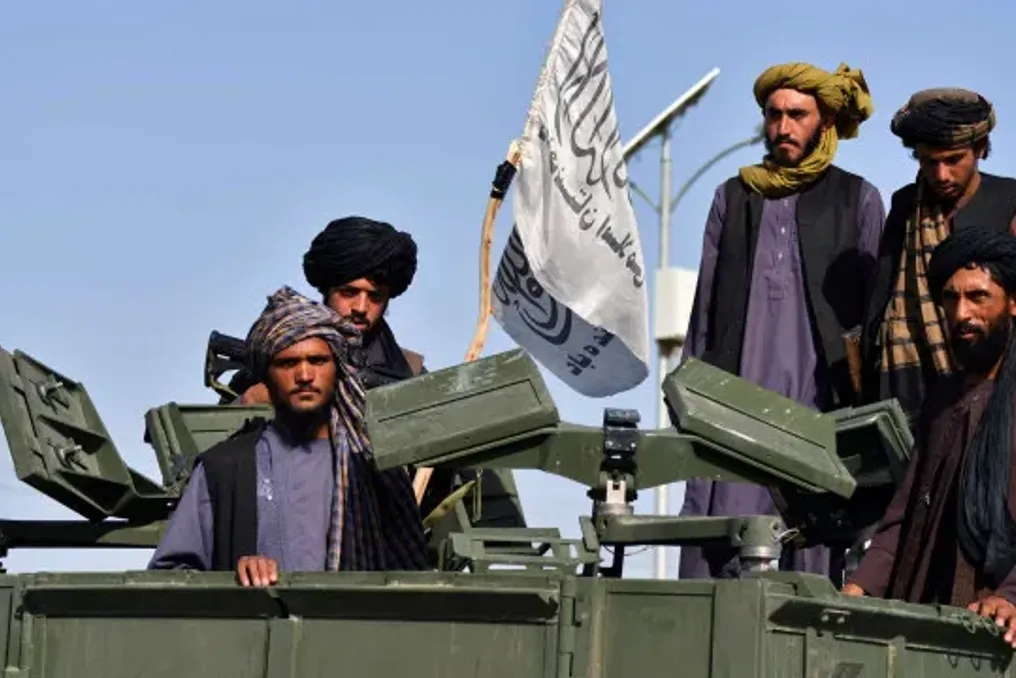
The Taliban government of Afghanistan has initiated a polio immunization campaign targeting 12.8 million children due to a doubling of the disease's cases in the country over the last year.

A Taliban spokesperson, Sharafat Zaman Amarkhail, announced that the national campaign was launched in coordination with international partners. The main objective is to reach children under five years old.

According to a recent report from the World Health Organization (WHO) for the Eastern Mediterranean, with data updated until October 25, Afghanistan recorded 42 confirmed cases of wild poliovirus type 1 this year. This number surpasses the 21 cases reported throughout the entire year of 2025 and the 25 cases registered in 2024.

This situation differs from that in neighboring Pakistan, which is the other global country where wild poliovirus circulates endemically. Pakistan reported seven cases this year, compared to 31 in 2025 and 74 in 2024.

Noor Jalal Jalali, the Taliban Minister of Public Health, stated that his ministry is committed to preventing the spread of poliovirus throughout Afghanistan, relying on the assistance of its partners. He also requested support from tribal leaders, parents, influential community figures, and religious scholars to ensure that children receive the necessary vaccine doses.

This initiative marks a change from periods of Taliban insurgency, when the movement had restricted or even prohibited polio vaccination in areas under its control, especially home visits.

Although the Taliban allowed the resumption of national campaigns after regaining power in August 2021, they have kept door-to-door vaccination suspended since October 2024. The WHO considers this restriction a significant obstacle to reaching all children in high-risk regions.

Polio is an incurable viral disease capable of causing permanent paralysis and, in some cases, death. Afghanistan and Pakistan remain the only two countries in the world where wild poliovirus persists endemically.
Similar stories

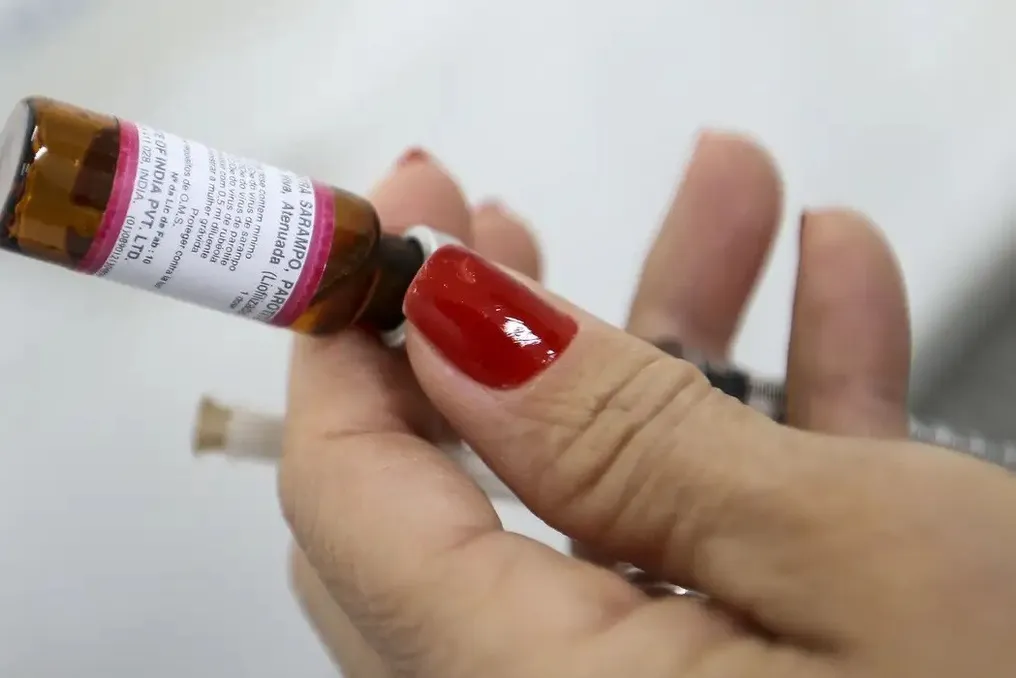
Federal District holds vaccination campaign in celebration of World Polio Day
Read more
g1.globo.com

Federal District holds vaccination campaign in celebration of World Polio Day

The Health Secretariat of the Federal District is promoting a vaccination campaign this Saturday, the 24th, in observance of World Polio Day. Polio, also known as 'infantile paralysis,' is an infectious and contagious disease caused by a virus, characterized by a condition of flaccid paralysis with no known treatment.

To participate in the vaccination, it is mandatory to present a valid identification document, and children must always be accompanied by their parents or guardians. The Health Secretariat informed that those who have lost their vaccination card can go to any vaccination room and will not be prevented from receiving immunization.

Who should be vaccinated

The established vaccination schedule consists of five doses: the first are administered at 2, 4, and 6 months of age, followed by a first booster at 15 months and a second booster at 4 years old. Parents and guardians of four-year-old children who have not yet received the second booster must attend a vaccination room. It is important to note that there is no need to repeat this dose if the child has already completed the three initial doses along with the two boosters, whether using the injectable or oral vaccine.

Since 2024, Brazil has adopted the inactivated polio vaccine (IPV), which is administered by injection. The oral vaccine, popularly known as 'drops,' has been discontinued.

What is polio?

According to Fiocruz, the disease is caused by poliovirus, which can affect both children and adults through direct contact with feces or secretions expelled from the mouth of sick individuals, potentially resulting in or not resulting in paralysis. This virus spreads from person to person or through the contamination of sewage and water systems.

Symptoms appear suddenly, and the progression of motor deficit generally occurs within a period of up to three days. The condition tends to affect, predominantly, the lower limbs asymmetrically, presenting the main characteristic of muscle flaccidity. In most cases, the infection does not cause serious health consequences. However, some affected individuals, especially children under five years old, develop very severe manifestations.

In these severe scenarios, the virus affects the nervous system, which can cause muscle weakness, leading to the popular name 'infantile paralysis.' In the most critical cases, where muscle paralysis occurs, the lower limbs are the most affected. The Ministry of Health states that Brazil has been free of polio since 1990. In 1994, the country obtained the Certification of Area Free of Wild Poliovirus Circulation granted by the Pan American Health Organization (PAHO).

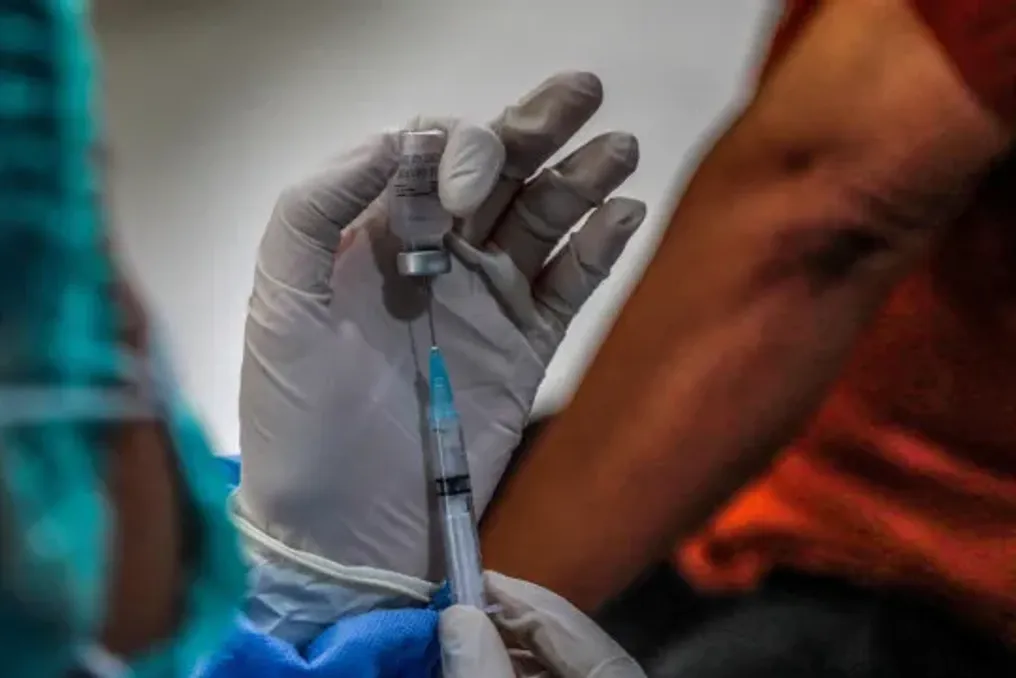
Angola plans to vaccinate 10.9 million children against polio and measles
Read more
noticiasaominuto.com

Angola plans to vaccinate 10.9 million children against polio and measles

Angolan health authorities forecast the vaccination of over ten million children over four days, starting Friday, against polio, yellow fever, and measles, according to the national coordinator of the Expanded Immunization Program (PAV).

According to Alda de Sousa, the campaign will cover 10.9 million children across the country. Children under five years old will receive doses of vaccines against the poliovirus, while children aged nine months to nine years will receive measles vaccines.

Regarding the yellow fever vaccine, Alda de Sousa stated in an interview with Radio Nacional de Angola that it will only be administered to children aged nine months to nine years in the municipalities of Luanda, Icolo, and Bengo provinces.

She specified that vaccination will take place both at stationary points and through mobile and advanced teams that will go to areas with a high concentration of children, including schools, kindergartens, and markets. Vaccination will also be provided in hard-to-reach areas using three strategies.

For oral polio vaccination, a house-to-house visit strategy is planned to ensure that no one is left unvaccinated. The human resources plan involves the participation of 77,269 agents and 11,300 vaccination teams.

Popular