Engineers from India are no longer forced to move abroad or go through multiple rounds of resume screening and interviews to secure international vacancies, as open-source code is becoming an increasingly important tool.
Open-source code is a record that anyone can read and study. Hiring teams actively use it to assess real engineering skills. Such materials include contributions to open-source projects, public repositories (such as on GitHub), and code samples that hiring managers can analyze.
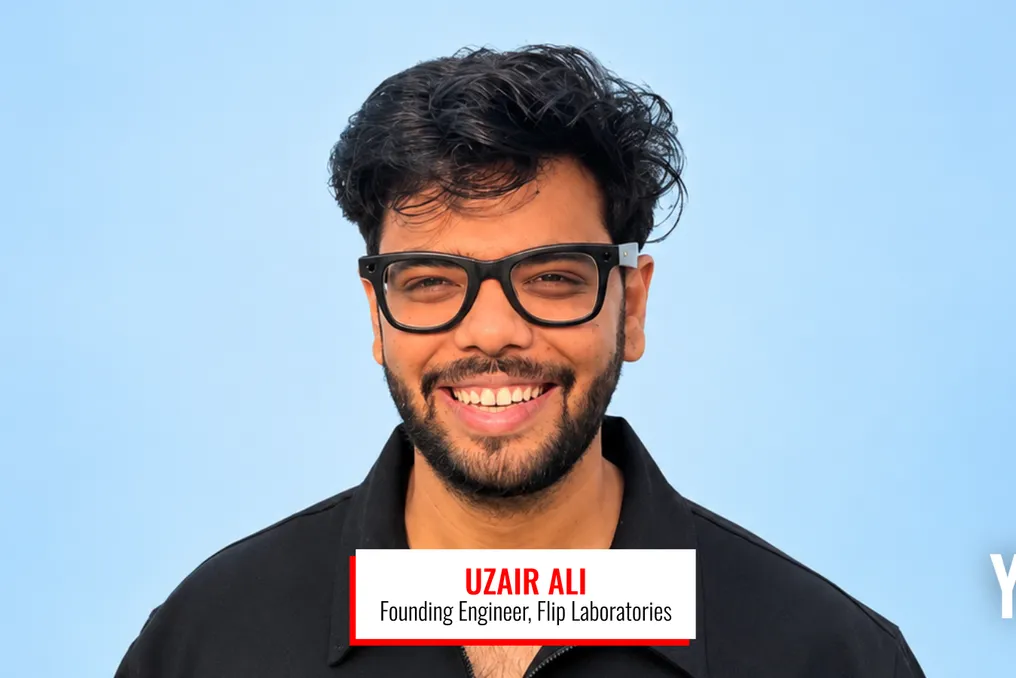
It is thanks to this that Uzair Ali was able to obtain internships at various global companies and eventually became the founder of an engineering team at a US-based fintech startup.
While a student at the Institute of Industrial Technology in Bhubaneswar, Ali developed a tool for monitoring server logs. He posted his open-source work repository on X, which attracted the attention of Dukaan's CTO—an Indian mobile-first, self-service e-commerce platform—leading to an interview invitation with the firm.
Ali began working at Dukaan as a backend intern in January 2022 in Bengaluru. This early experience showed him the value of showcasing his work to the world, allowing his project to reach people who might otherwise not have seen his resume.
Ali's career path did not follow the standard trajectory through the hiring funnel of large tech companies. After working at Dukaan, he completed internships at HackerRank and FamPay while still studying at university. After graduation, he joined Civo, a London-based cloud infrastructure provider.
Twenty-four-year-old Ali now works as an engineer at Flip Laboratories, a San Francisco fintech startup, while continuing to work from India.
In an interview with YourStory, Ali explains that all his career moves—from backend engineer to AI field work and participating in the founding of the Flip team—are largely due to his contributions to open-source projects. He believes that open-source code allows software developers to observe how people work over several months, and feedback shows how they react to criticism.
Now, anyone with internet access can choose a project, debug it, and receive feedback. Over time, this history forms a credible portfolio of work that cannot be captured on a resume, according to the specialist.
Ali's GitHub profile contains numerous pull requests integrated into various open-source projects, such as LiteLLM, a widely used open-source LLM gateway. A pull request is a request from other contributors to merge code into their projects, which is jointly reviewed by those who created the code and those who wish to integrate it.
Ali's most notable work is related to Agno, an open-source framework for creating AI agents, which has over 42,000 stars on GitHub. He has also contributed to major codebases, including Terraform, Crossplane, and IntelOwl. A codebase is the complete set of source code, configuration files, and auxiliary resources used to create, test, and run a software system or application.
Today, Ali is part of the founding team at Flip Laboratories, which developed Flip—a proactive AI agent for managing Americans' finances. Flip functions as a personal financial assistant operating directly within users' messengers (such as iMessage).
Recently, the startup raised $1.4 million in a seed round from investors such as a16z speedrun, Pear VC, The House Fund, and Cory Levy.
For Ali, the common thread connecting all his experiences—from student developer and intern building cloud tools to AI framework developer and startup founder—is the work that others can see. He emphasizes that open source was not a path to an interview or a job, but a proactive way to make his learning and work visible outside of his college, city, and country.