To begin the preparation, use low heat to allow the olive oil to absorb the aromas of garlic and onion, which should be grated or chopped. If you prefer a more delicate flavor, opt to use whole cloves of garlic. After letting them brown, remove them before proceeding with the recipe. In this initial phase, it is possible to add chili pepper and dry herbs resistant to heat, such as bay leaf and a touch of thyme.
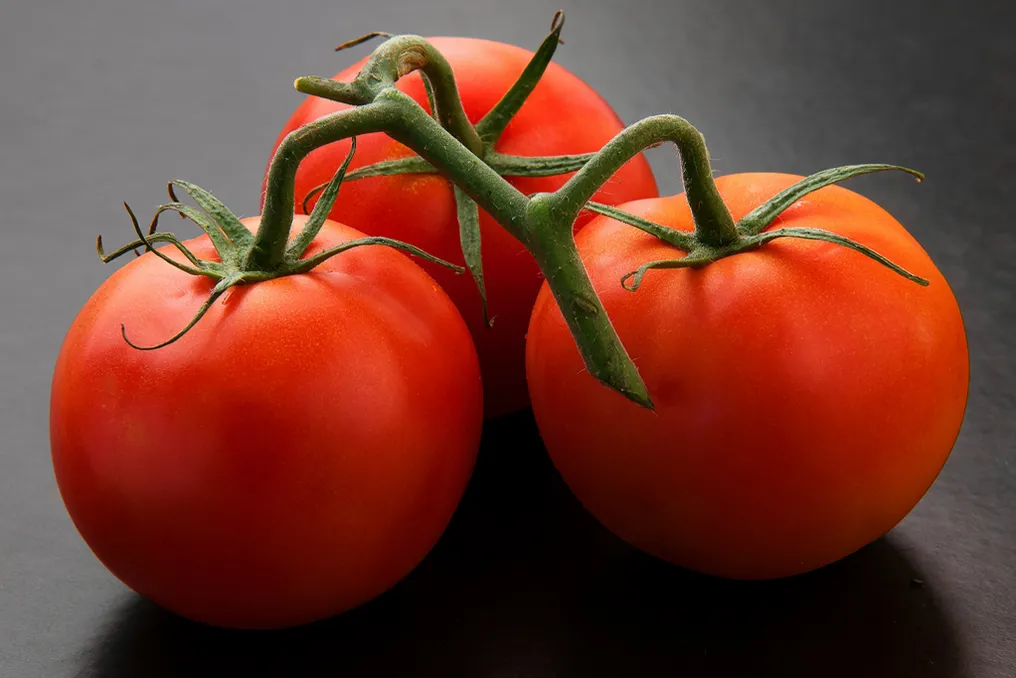
It is advisable to avoid industrialized sauces or those sold in sachets, as they may contain many ultra-processed ingredients. Use Italian tomatoes or the Débora variety, cut into pieces; removing the seeds helps reduce the acidity of the sauce. The tomatoes must be ripe, but not mushy. A viable alternative is canned tomatoes (skinless and ripe), or even pulp or passata, which is a lightly cooked and previously strained tomato puree.
The flavor can be enriched with pieces of onion and carrot, basil, and Parmesan zest. It is recommended to use large utensils to facilitate the later removal of these elements. At this point, a little tomato paste, which is a concentrated, intensely cooked puree, can also be incorporated, lending a strong and slightly sweet flavor. Although it is possible to make the sauce only with paste, this should only happen if it is properly diluted.
With the pot partially covered, maintain cooking over medium-low heat for a minimum period of twenty minutes; deeper pots are considered ideal for slow cooking processes. Using a mixer, adjust the consistency of the sauce according to preference, being able to leave it chunkier or smoother. Adding a little pasta water, rich in starch, along with butter, helps give body to the broth. It is important to remove the basil after it has boiled and replace it with fresh leaves.
If the goal is to add freshness, fresh tomatoes can be introduced midway or at the end of the preparation. Another option is to grate raw tomato and season it with salt. Furthermore, tomatoes can be baked in the oven or air fryer, with a little olive oil, before being mixed into the sauce, which results in a sweeter and deeper flavor.
It should be noted that sugar is only used to mask the acidity of the sauce; the real secret lies in using ripe tomatoes and proper cooking. Including carrots is recommended in sauces that exhibit acidity. Recognizing that there are countless ways to prepare a sauce, with variations in ingredients and time, it is essential to understand the technique to experiment with various recipes.