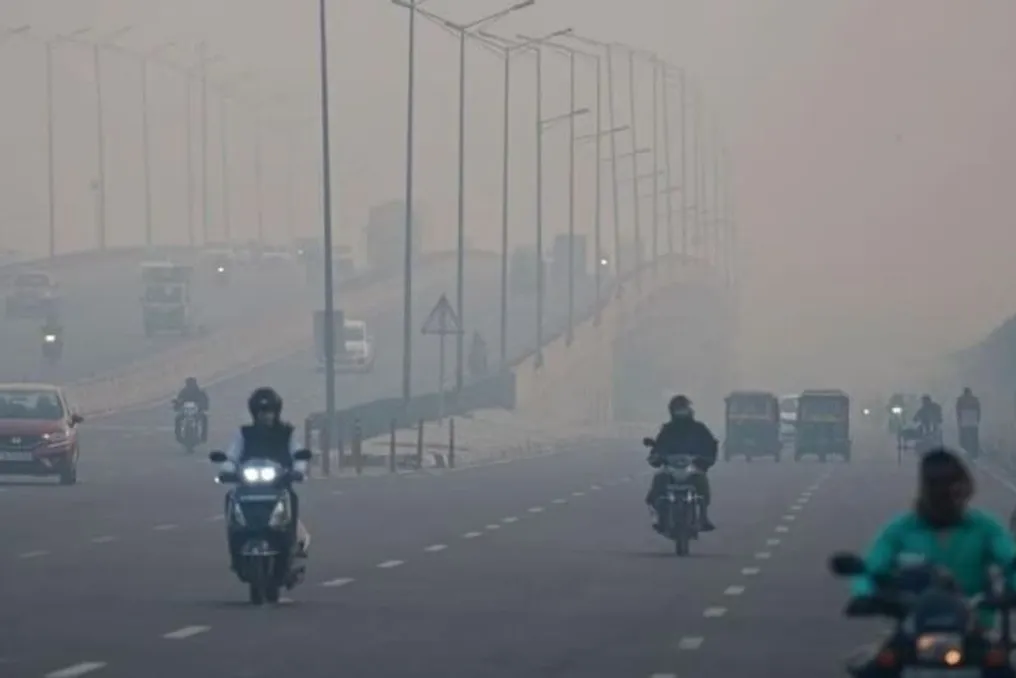
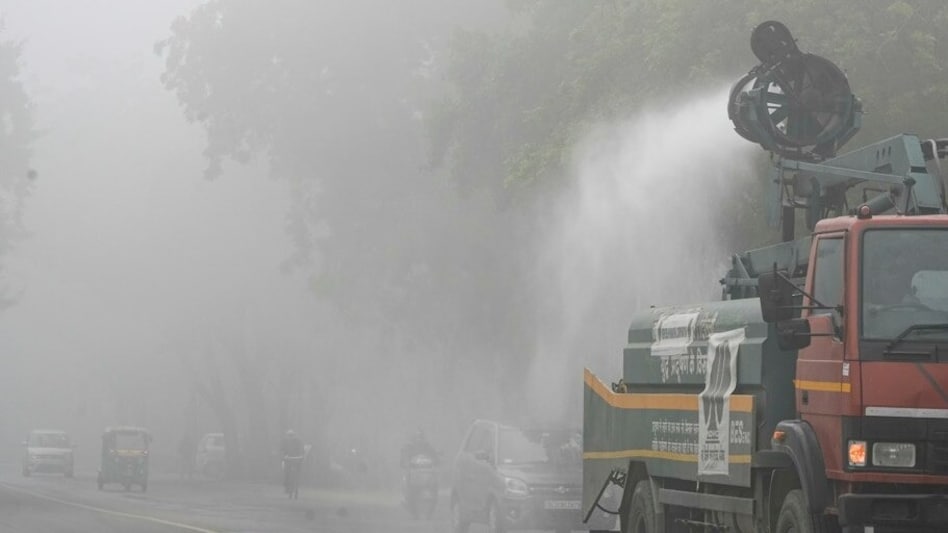
With the onset of winter, there has been an increase in pollution levels in the Delhi-NCR region. As wind speed decreases, pollutants can accumulate in the atmosphere, posing a threat to worsening air quality. Currently, it is expected that the weather will not bring relief soon, and hopes for an improvement in the situation in Delhi-NCR are slim until wind speeds increase.
Following the deterioration of air quality, the Commission for Air Quality Management (CAQM) introduced the first stage of the Graded Response Action Plan (GRAP-1) for the entire National Capital Region (NCR) on Wednesday. The Commission instructed all relevant departments to immediately take necessary measures to control pollution and continuously monitor air quality.
According to the CAQM directive, the Air Quality Index (AQI) in Delhi was 179 on October 20, which falls into the moderate category. However, on October 21 at 14:00, it rose to 244, after which the air in Delhi was classified as polluted.
According to forecasts from the India Meteorological Department (IMD) and the Indian Institute of Tropical Meteorology (IITM), the air in Delhi may remain in the polluted category in the coming days. After analyzing the current pollution situation and meteorological forecasts, the GRAP subcommittee decided to immediately implement first-stage measures across the entire NCR.
The order mandated relevant departments to strictly adhere to pollution prevention measures, enhance monitoring, and regularly track the AQI. The goal is to prevent further deterioration of air quality. The Commission also urged citizens to comply with the Civil Code issued under GRAP-1.
The CAQM subcommittee will continuously analyze the pollution status and meteorological forecasts. Decisions on further steps will be made based on changes in air quality. The order introducing GRAP-1 was sent to relevant officials in Delhi, Haryana, Uttar Pradesh, and Rajasthan. All relevant departments were instructed to ensure compliance with these directives.