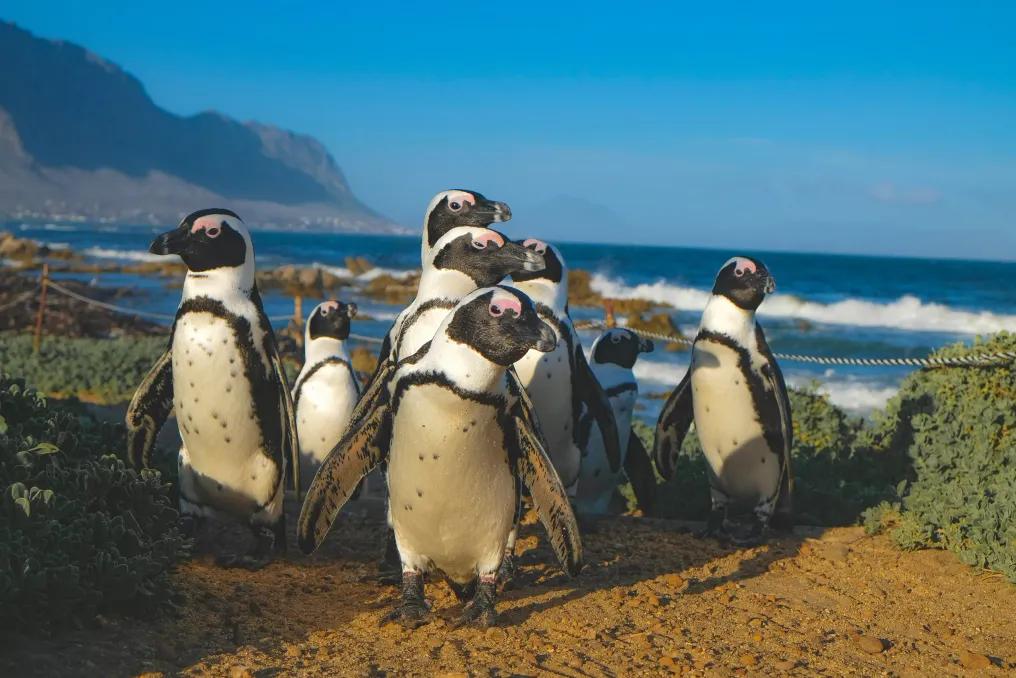
Penguin Palooza event dedicated to the conservation of African penguins at Benthis Bay reserve
Read more
Getaway
getaway.co.za

Penguin Palooza event dedicated to the conservation of African penguins at Benthis Bay reserve

Due to the uncertain future of African penguins, visitors to Stony Point Nature Reserve will be able to learn more about this species and the efforts to protect it during the Penguin Palooza event, which will take place on Saturday, November 7, 2026.

The annual event takes place in one of the last breeding colonies on the South African mainland and brings together conservation organizations, families, and wildlife enthusiasts, focusing on the critically endangered African penguin.

Starting at 10:00, the event will allow guests to meet organizations involved in seabird conservation, visit fairs, participate in children's activities, and view exhibitions on nature conservation. A special penguin release is also planned, and the reserve's walking trail offers an opportunity to observe the colony without disturbing the birds.

The need for species conservation is becoming increasingly urgent: in 2026, a maximum of 403 breeding pairs were recorded at Stony Point, compared to fewer than 8,750 pairs along the coast of South Africa.

The International Union for Conservation of Nature (IUCN) classified the African penguin as endangered in 2024. Its survival continues to be threatened by decreasing food availability, pollution, oil spills, climate change, habitat disruption, and predation. Scientists warn that without constant intervention, the species could disappear in the wild by 2035.

CapeNature monitors and protects breeding colonies, while the Southern African Foundation for the Conservation of Coastal Birds (SANCCOB) rescues and rehabilitates injured, sick, and distressed seabirds.

The goal of Penguin Palooza is to bring this work closer to the public, encouraging visitors to understand the pressure on the species and the role they can play in protecting marine fauna.

A trip on Saturday to the Overberg region offers a chance to see one of South Africa's most recognizable seabirds and learn why its future depends on conservation efforts.
Similar stories

Ancient forests under the Mozambique Sea have become a habitat for thriving marine fauna
Read more
getaway.co.za

Ancient forests under the Mozambique Sea have become a habitat for thriving marine fauna

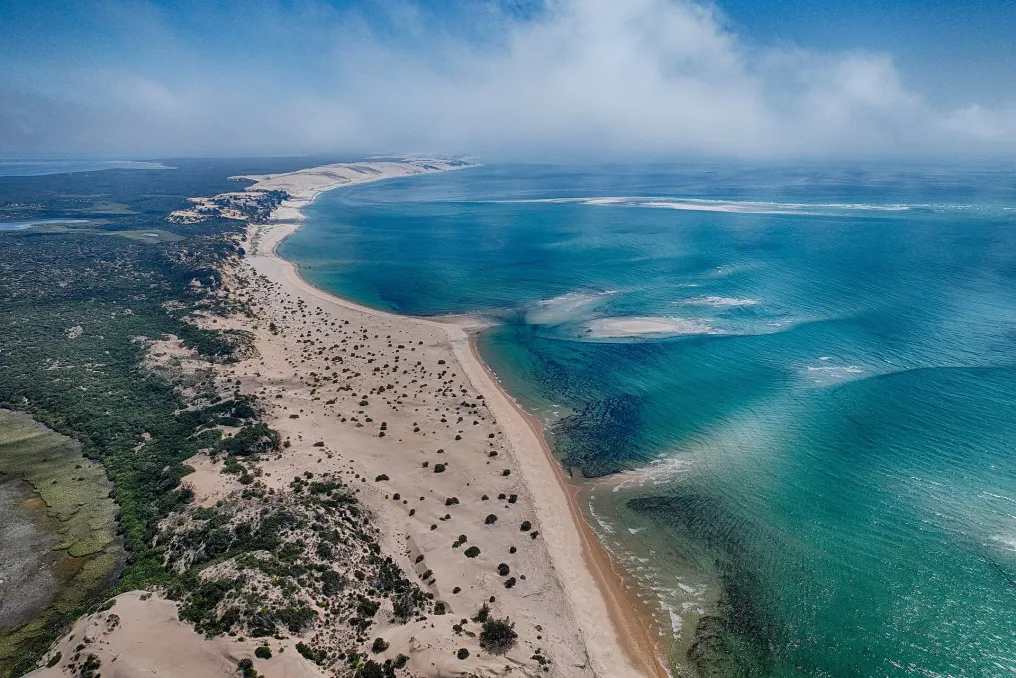
Off the coast of Mozambique, remnants of ancient forests lie beneath the sea, having grown along the Indian Ocean coast thousands of years ago. Today, these submerged remains serve as a refuge for fish, lobsters, and other marine life.

Researchers studying the Bazaruto archipelago discovered that ancient peat deposits, formed from decaying plant material, have turned into underwater reefs. Although they may not resemble traditional coral reefs, they support many of the same fish species.

These findings demonstrate an unexpected aspect of marine life in the region and highlight how much more scientists have yet to learn about underwater habitats. Approximately 5,000 years ago, rising sea levels flooded coastal forests and wetlands. Over time, layers of plant material compressed into peat, preserving the landscape.

As sand shifted and waves eroded the seabed, parts of this ancient peat became exposed. Their rough surfaces and crevices provided shelter for marine creatures. Researchers dated samples of these reefs to approximately 300–5,000 years ago, confirming that the formations originated from terrestrial vegetation rather than marine plants.

During surveys in 2023, divers recorded the presence of fish, sharks, rays, and turtles around the peat reefs. Young snappers and grunt fish found shelter among these formations, while spiny lobsters occupied their cracks and protrusions.

On each of the three surveyed sites, the reefs supported 26 to 36 species of small fish. A nearby coral reef supported 54 species, but researchers noted that different habitats attract different marine communities.

The data suggests that these ancient forest remnants provide an important refuge and potential nursery grounds, especially in areas where natural hard seabed is limited. However, these formations are not indestructible; storms, cyclones, and sand movement can lead to the erosion or burial of exposed peat.

Scientists continue to study how much carbon these deposits store and how they change over time. Researchers believe that similar reefs may exist in other parts of the world with coastal peatlands, including Southeast Asia, the Caribbean, and West Africa. However, further research is needed to determine their prevalence.

This study emphasizes the importance of looking beyond conventional coral reefs when mapping and protecting marine ecosystems. Along the Mozambican coast, the remnants of ancient forests sustain life in unexpected ways, reminding us that some of the ocean's most interesting ecosystems have a history that began long before they were submerged.

River Dolphin Conservation: Uneven Progress Worldwide
Read more
cgtn.com

River Dolphin Conservation: Uneven Progress Worldwide

October 24th marks International Freshwater Dolphin Day. This date is not officially recognized by the United Nations; it was proposed at a seminar on establishing protected areas for freshwater cetaceans held in East Kalimantan, Indonesia, in October 2009, according to data from the IUCN SSC Cetacean Specialist Group.

The purpose of this day is to raise awareness about freshwater dolphins and their habitats, including the Ganges dolphin, Irrawaddy dolphin, Amazon river dolphin, and the Yangtze finless porpoise.

Freshwater cetaceans worldwide face pressure from habitat degradation, accidental bycatch in fisheries, and other human activities.

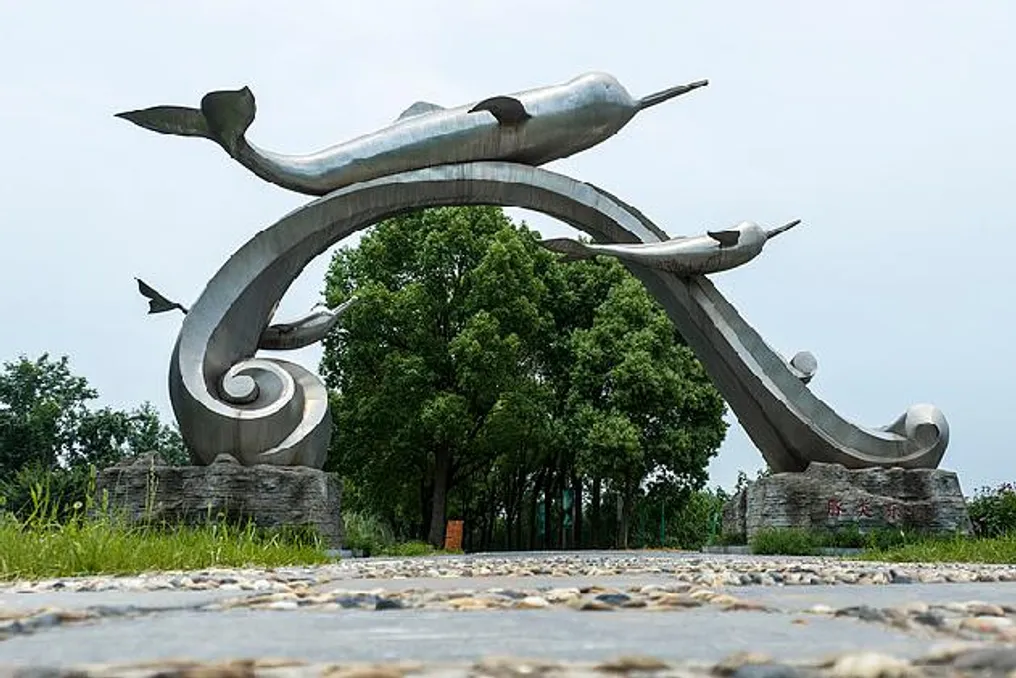
In China, the population of the Yangtze finless porpoise is showing signs of recovery. According to an official statement at a press conference by the State Council Information Department on January 30, 2026, a special survey in 2025 recorded 1,426 individuals, which is 177 more than the 2022 survey.

This recovery is attributed to a ten-year fishing ban in key Yangtze waterways, which began in 2021, as well as the expansion of protected areas and targeted rescue programs, as indicated by the Ministry of Agriculture and Rural Affairs during a briefing.

This positive experience contrasts with the vulnerable status of other river dolphin populations in South and Southeast Asia. The Ganges dolphin, found in India and Bangladesh, is listed as endangered on the IUCN Red List.

The main threats to it are dams and water releases that fragment river habitats, water abstraction, industrial and agricultural pollution, and accidental entanglement in fishing nets, according to IUCN and WWF estimates.

The freshwater populations of the Irrawaddy dolphin in the Mahakam River of Indonesia and the Ayeyarwady River of Myanmar are classified by the IUCN SSC Cetacean Specialist Group as critically endangered. These small, isolated groups are extremely susceptible to accidental trawl bycatch, vessel collisions, and habitat loss.

Local authorities and conservation groups have established protected zones and implemented fishing monitoring regulations, but persistent risks are slowing down population recovery.

Conservation experts from WWF note that river dolphins serve as important biological indicators of river ecosystem health. While the Yangtze case demonstrates that targeted regulation can reverse decline, many transboundary river systems still lack coordinated cross-border action to protect remaining freshwater dolphin habitats in Asia and South America.

Popular