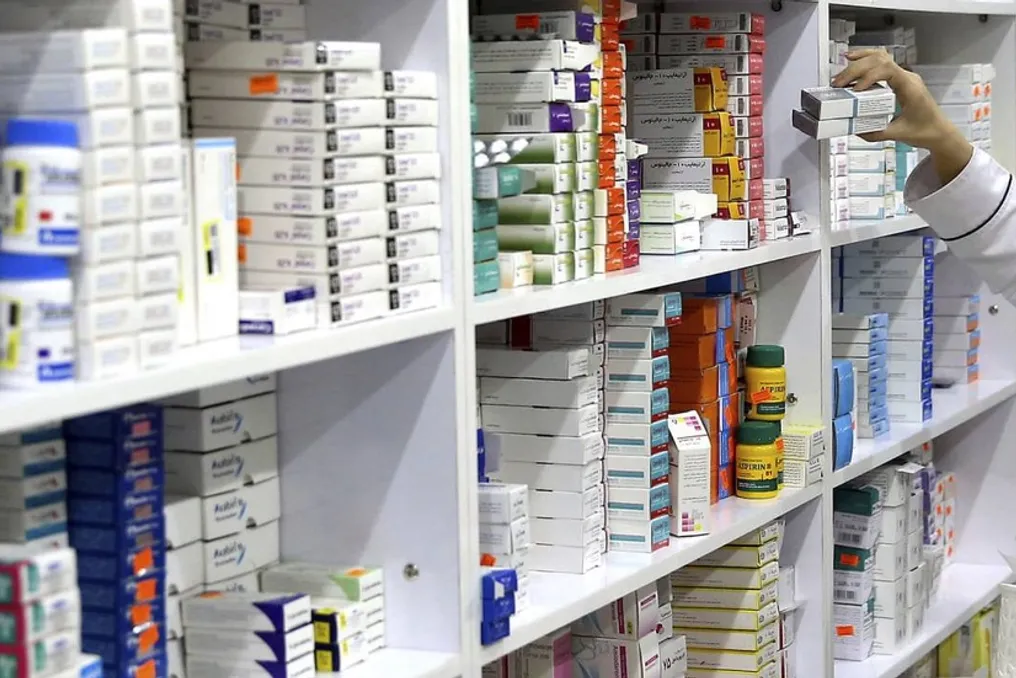
Pharmacists warn about travel risks: do not let chronic medications run out
Read more
IOL
iol.co.za

Pharmacists warn about travel risks: do not let chronic medications run out

As the holiday season approaches, pharmacists strongly urge consumers and patients to exercise increased caution in maintaining their medication regimen. Since roads will be filled with vacationers heading to various destinations, specialists warn that changing one's usual daily routine can increase the likelihood of preventable medication-related problems.

Mikhail Gullan, CEO and founder of Pharmacy Institute, noted that pharmacists can assist in making appropriate treatment decisions, especially when a person is away from home and their normal routine is disrupted.

Experts listed eight common mistakes to avoid: not letting the supply of chronic medications run out, not relying on the safety of all over-the-counter remedies, always informing the pharmacist about all medications, supplements, and treatments being used, not combining drugs without checking, seeking advice from a pharmacist instead of guessing, not postponing seeking help until returning home, and not storing medications in heat or sharing them.

Gullan emphasized that many medication errors can be prevented if patients know what exactly to check and when to seek consultation. He stressed that medications have specific storage requirements and urges patients to always check the label or leaflet, and to consult a pharmacist if in doubt.

According to Gullan, vacations often disrupt people's established routines, causing them to forget their usual healthcare habits; however, medications do not take a vacation. Even small changes in how medications are used, combined, or stored can negatively affect a person's health.

Consumers and patients are also advised to check their health checklist before traveling:

Checking Regular Medications

It is necessary to ensure that there is enough medication for the entire duration of the trip, as well as a small reserve for days while traveling. If there is a risk that the supply may run out, a pharmacist should be consulted in advance.

Checking Prescriptions

It is important to ensure that prescriptions remain valid and that there are enough authorized refills available. Before departing, one should ask the pharmacist if anything needs to be arranged.

Preparing a Medication List

The list should contain the name of the drug and its active ingredient, as well as information on strength, dosage, time, and frequency of administration. It is recommended to save a copy of this list on your phone.

Ensuring Availability of Essential Medications

During flights, essential medications should be carried in carry-on luggage. You must plan for medications needed during car travel and never leave medications in a hot parked car.

Storage requirements should also be checked: temperature conditions, need for refrigeration, protection from heat, moisture, or sunlight. Patients are advised to ask the pharmacist how to transport medications that require special storage conditions.

Compiling a Travel First-Aid Kit

Patients should consult a pharmacist about which remedies are suitable for them and the destination. The kit should include pain relievers, allergy medication, diarrhea and dehydration remedies, as well as remedies for nausea or seasickness, basic wound care supplies, insect bite treatments, sunscreen, and repellent.

Checking Before Combining Medications

Before combining drugs, it is necessary to check the active ingredients for duplication, compare over-the-counter remedies with regular medications, learn about possible interactions, and ensure correct dosages.

Trip Planning

One should research health risks characteristic of the destination and find out whether vaccinations are recommended or required. Consultation should take place long before international travel begins.

Knowing Where to Seek Help

It is necessary to save the contact details of a pharmacy near the place of stay, know the location of the nearest medical facility, and keep important medical and emergency contacts handy. If symptoms persist or worsen, one should not wait until returning home.

Final Check Before Departure

Before traveling, you should take your medications and first-aid kit to a pharmacist and ask several questions: is there enough medication, is anything important being missed, are there any duplicates, can the drugs interact, is the storage correct, and is there anything to know about the destination?
Similar stories

Study shows a quarter of Americans feign symptoms to obtain antibiotics
Read more
nplus1.ru

Study shows a quarter of Americans feign symptoms to obtain antibiotics

According to a survey conducted among 959 American adults, a quarter of patients distorted or imitated signs of illness in order to obtain a prescription for antibiotics. The most frequently simulated symptoms were those characteristic of a cold.

Subjective factors became the main driving forces behind this behavior. Among the reasons were patients' assessment of their condition's severity, belief in the high efficacy of antibiotics, the desire to resume their duties, and the aspiration to make independent decisions regarding treatment.

The results of this scientific study were officially published in the publication JAMA Network Open.

NPPA changed prices for 543 anti-cancer drugs; some became up to 90% cheaper, but expensive medicines remained unchanged
Read more
www.aajtak.in

NPPA changed prices for 543 anti-cancer drugs; some became up to 90% cheaper, but expensive medicines remained unchanged

The National Pharmaceutical Pricing Authority of India (NPPA) has made changes to the Maximum Retail Prices (MRP) of 543 cancer treatment drugs in India. As a result of these changes, the cost of some medicines has decreased by more than 90%, however, the impact of this reduction did not extend to some extremely expensive drugs, such as Keytruda.

According to the new prices set by NPPA, the price of one brand and package of Palbociclib, used for breast cancer treatment, was reduced from 40,421 rupees to 2,720 rupees. Similarly, the cost of a vial of the drug Tiotep, used in chemotherapy, decreased from approximately 80,072 rupees to 7,150 rupees. Furthermore, prices for drugs such as Dasatinib, Lenvatinib, and Olaparib were significantly lowered, although no price changes were made to a number of other anti-cancer agents.

Despite the overall price reduction, the cost of several very expensive cancer drugs remained unchanged. Among them is the immunotherapy drug Keytruda, which is used to treat over 21 types of cancer and retains its price at 216,500 rupees. The price of Rebosiclib, used in breast cancer treatment, also remains stable at 24,435 rupees. The MRP for drugs such as Tagrisso, Tcentric, Darzalex, and Imfinzi was also not altered.

Malini Asola from the 'All India Drug Action Network' (AIDAN), which advocates for patient interests, explained that one reason for the lack of price changes on patented medicines is that the government carefully excluded from the list those drugs provided free under the 'Patient Assistance Programs' (PAPs). Under PAPs, pharmaceutical companies offer prescription drugs free of charge or at a significant discount, for example, providing a third package free when two are purchased.

Asola expressed disagreement with the exclusion of PAP, noting that it allows hospitals and intermediaries to earn huge profits. She also pointed out that significant price reductions in many cases occur within a subsidized format that still allows the hospital or distributor to earn 42.8% profit. According to her, if the government did not allow such a high level of margin, the price reduction would be even more substantial.

The court is examining the issue of margins on cancer drugs. The Supreme Court is studying the possibility of setting margin limits for all drugs that exceed price restrictions in the country. A decision on this matter has not yet been issued by the court. It should be noted that the costs of cancer treatment are not limited to medications; they include surgeries, various types of examinations, and hospitalization. While the reduction in drug prices will bring relief to patients, it is necessary that these rules apply to all drugs. Following NPPA's decision to limit the trade markup on 137 non-patented anti-cancer drugs to 30% of the MRP, the new prices will come into effect on November 9.

Uzbekistan is checking drug suppliers due to pharmacy complaints about forced imposition of medications
Read more
podrobno.uz

Uzbekistan is checking drug suppliers due to pharmacy complaints about forced imposition of medications

Checks have begun on medical suppliers in Uzbekistan following appeals from pharmacy chains. Complaints state that wholesale suppliers compel pharmacies to purchase additional medicines that were not originally ordered.

The Competition Committee is examining the possibility of violations and warns pharmaceutical companies that imposing additional conditions may result in financial penalties.

According to agency data, 305 companies imported medicines into the country during the first nine months of 2026. The five largest importers accounted for 47.2% of the total import volume.

The Committee also drew attention to the dynamics of pharmacy infrastructure development. As of October 1, 2026, there were 14.6 thousand pharmacies operating in the country, including 449 wholesale and over 14 thousand retail ones. There was a decrease in the number of main retail pharmacies from 8.5 thousand in 2023 to 7.9 thousand, but the number of their branches increased from 4.6 thousand to 6.2 thousand.

The agency emphasizes that the practice of imposing additional goods can negatively affect small businesses, restrict their operations, and hinder fair competition. A typical example is when a supplier offers to sell a necessary drug to a pharmacy only on the condition that it also purchases other unrequested medicines.

Legislation enshrined in the 'Competition Law' directly prohibits the abuse of dominant position. Specifically, it is unacceptable to impose additional conditions on counterparties by forcing them to buy goods unrelated to the initial transaction or refusing cooperation with this supplier's competitors.

If violations are confirmed, companies may be subject to financial sanctions. The amount of these fines can reach 5% of the revenue generated from goods sales during the period of violation, but cannot exceed the sum for the last three years.

Currently, the Competition Committee continues to study the situation in the wholesale drug trade market in detail. If it is established that the forced sale of unsolicited medicines constitutes a violation of the law, suppliers will face legal liability.

Previously, in Tashkent pharmacies, cases of selling medicines at prices significantly exceeding established maximum limits were identified during 'mystery shopper' checks.

Popular