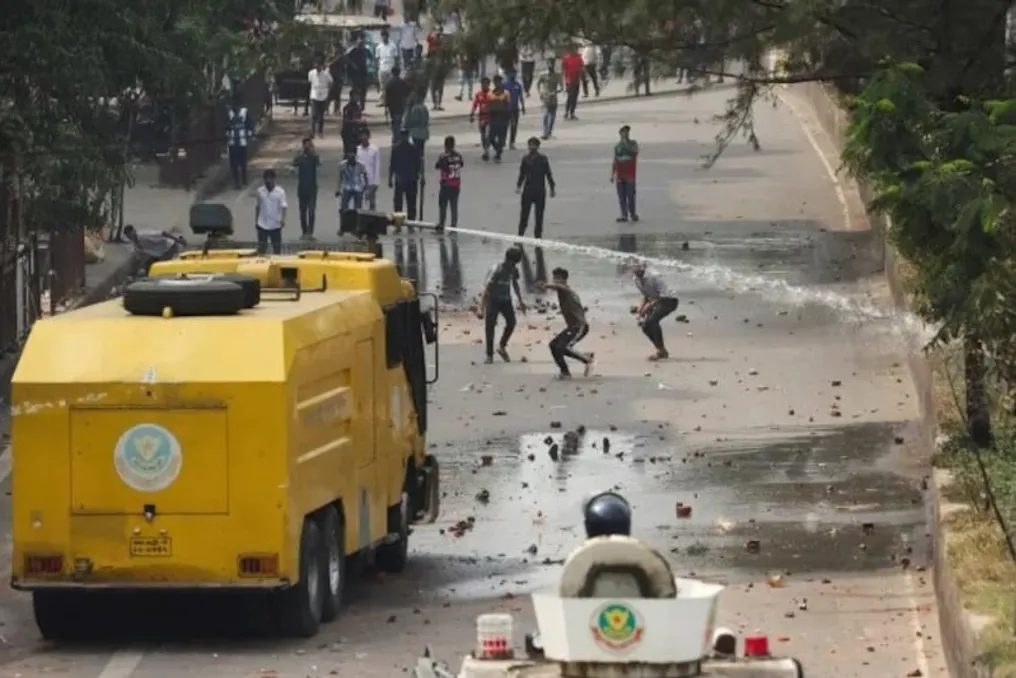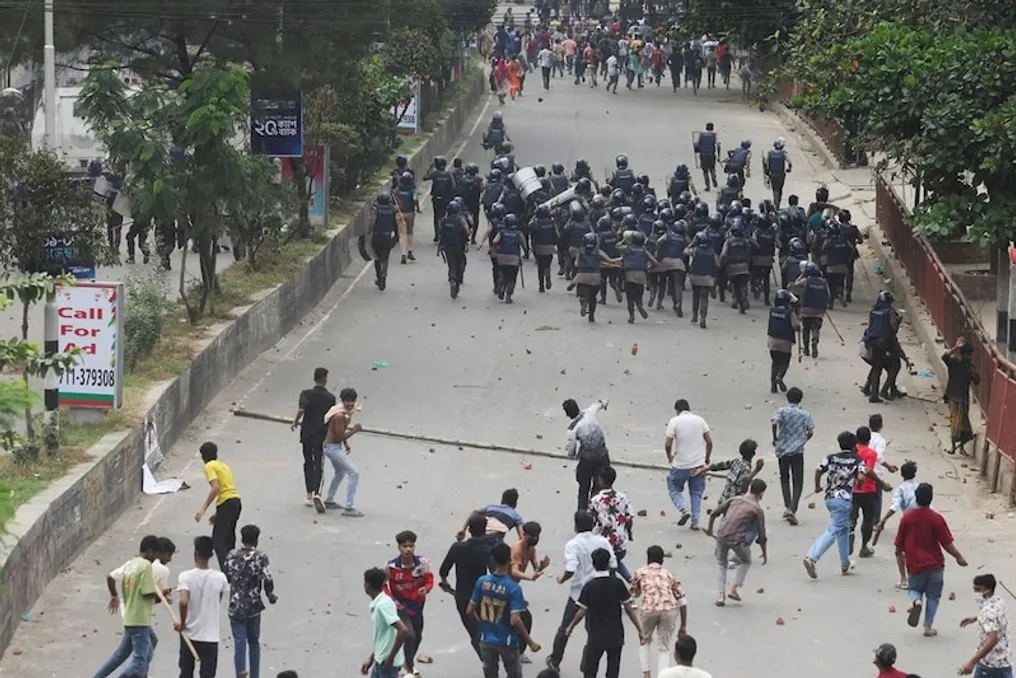
The situation in Bangladesh has flared up again after nearly 28 months as residents took to the streets. The protests have been accompanied by attacks on police officers, arson, and stone-pelting. Although many roads remain blocked, the cause of the current demonstrations is not a change in government, but rather the demand for a wage increase among textile industry workers.
Earlier, in July 2024, protests against Sheikh Hasina took place in Bangladesh. However, the current demonstrations are characterized by an organized movement: textile workers are taking to the streets, halting traffic and shops, and becoming aggressive when met with resistance.
These demonstrations began on October 31. Workers blocked roads in industrial areas such as Mirpur (Dhaka), Ashulia, Savar, and Gazipur, and suspended the operation of garment factories. As a result of the protests and strikes, about 529 enterprises were affected, and approximately one million workers were impacted.
Incidents of violence, arson (of police vans and vehicles), and vandalism occurred in some places. Police used tear gas, water cannons, and sonic grenades; BGB forces were also deployed in several areas.
Work resumption was expected on Monday, but this did not happen. Workers took to the streets again. Demonstrations are ongoing in several streets in the Mirpur area of the capital, where clashes are being observed.
According to the English newspaper The First Alo, on Monday morning, around 10:45, some workers attempted to exit an alley in the Senpara Parbat area (Mirpur-10) onto the main road. Police drove them away and released several tear gas balls. Later, in Mirpur-2, near the Proshika intersection next to the stadium, workers also tried to get onto the road, and the police pushed them back.
Eyewitnesses reported that workers arrived in small groups from the Rupnagar area and moved through Mirpur-2 towards Proshika, bypassing the stadium. The situation remains tense, and metro service is disrupted in Mirpur.
Textile workers in Bangladesh are demanding a minimum wage of 30,000 Taka, whereas they are currently paid only 12,000 Taka. Workers argue that rising prices and the increased cost of living (including food, housing/rent, transport, and healthcare) have significantly reduced their purchasing power, making it impossible to support a family at the current pay level. It is believed that wages in the Bangladeshi garment sector are among the lowest in the world.
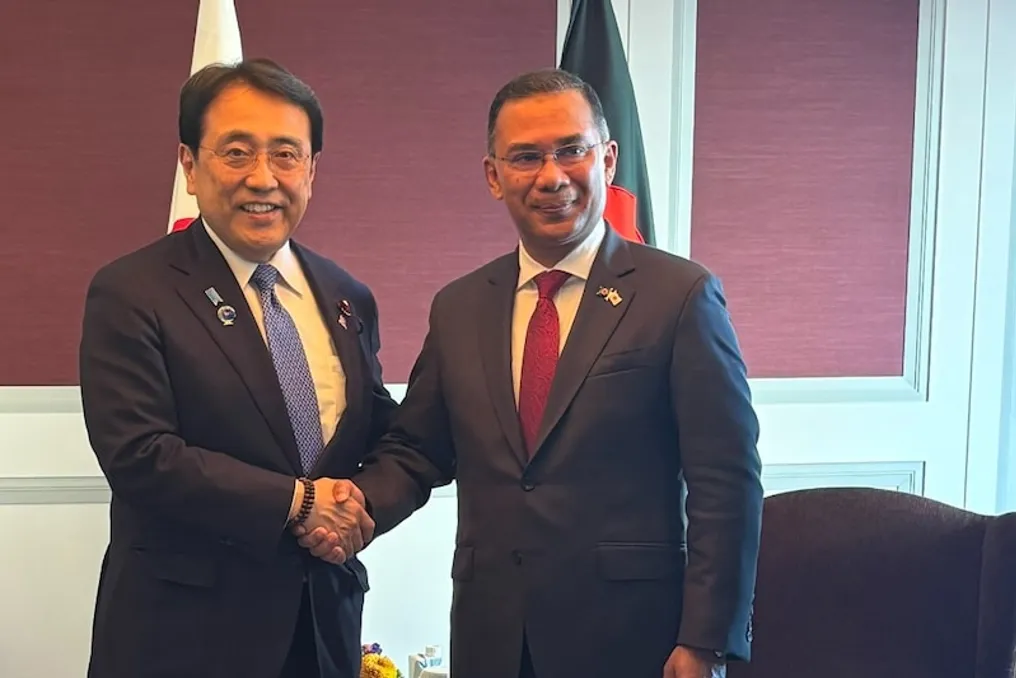
Recent instability in the Bangladeshi garment industry is linked to the involvement of industrialists associated with the ousted government of Sheikh Hasina. According to The Daily Star, Home Minister Salahuddin Ahmed stated on November 2 that some factory owners connected to Awami League, former MPs, and ministers are provoking instability in the textile industry. He accused supporters of the overthrown government of inciting workers to block highways, commit arson, and engage in violence, asserting that the government possesses video and audio evidence of these events. The minister also noted that some factory owners deliberately closed their businesses to exacerbate the situation.
According to The One Report, during the unrest, at least 529 textile factories in Mirpur, Savar-Ashulia, Gazipur, and Mymensingh declared holidays. The government has established a special commission to determine the minimum wage level.
The garment industry is considered a pillar of the Bangladeshi economy. The ready-made garment sector is among the country's largest export industries and is the primary source of foreign currency earnings. Bangladesh is among the leading textile exporters, and its products are in high demand in major markets, including Europe and America. Factories produce T-shirts, shirts, trousers, jeans, jackets, and other ready-made clothing. Millions of people work in this industry, a significant proportion of whom are women.
In 2024–2025, exports from this sector amounted to approximately $39.35 billion, exceeding 81% of the country's total exports. Bangladesh ranks second globally in ready-made garment exports, trailing only China. Nevertheless, this sector faces several challenges, such as low worker wages, poor working conditions, demands for salary increases, and factory strikes.