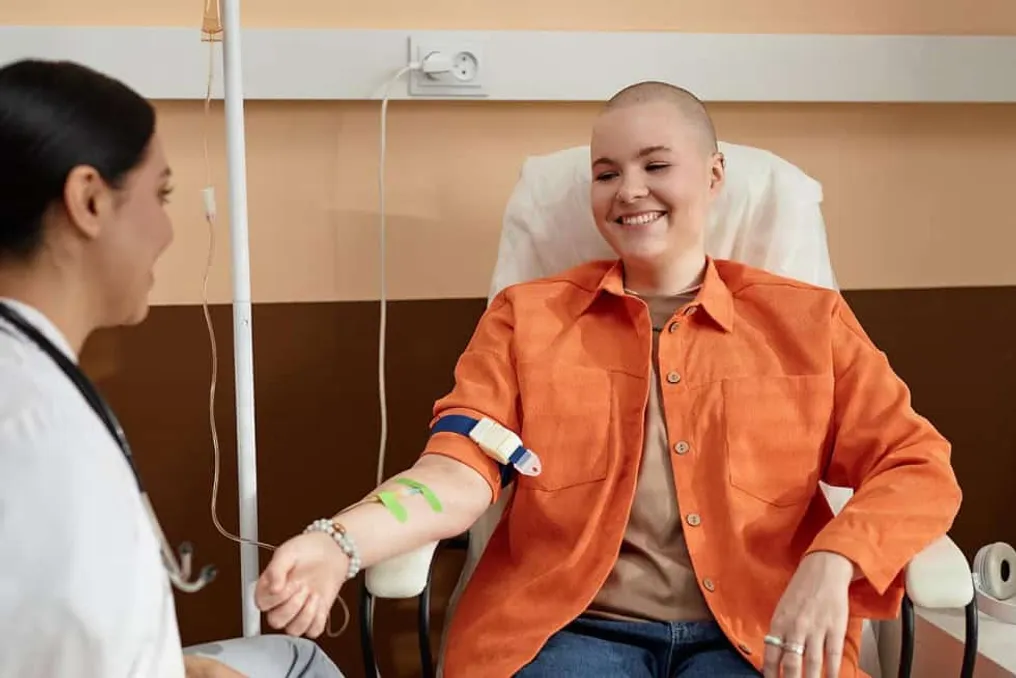
The accelerated growth in the number of cancer diagnoses in individuals under 50 years old represents a serious global health alert. In various nations, adults in their most active phase are facing early diagnosis of tumors in multiple organs.
International data and information provided by the DataSUS Oncology Panel BR highlight this global trend in Brazil, where there has been a 284% increase in disease registrations among young people aged 18 to 50 in the last decade. According to projections from the National Cancer Institute (INCA), the country is expected to register 781 thousand new annual cases, with a focus on the increase in intestinal, breast, prostate, and stomach tumors in younger age groups.
This global scenario has driven healthcare professionals and researchers to investigate contemporary habits, environmental exposures, and genetic mutations. The priority goal of medical entities is to understand the changes in the biology and environment of recent generations to anticipate prevention strategies.
The increase in cases globally is strongly linked to the major transformations in lifestyle over the last decades. Easy access to ultra-processed foods, sedentary behavior, and the prevalence of obesity foster constant inflammatory processes in the body, creating an environment favorable to the emergence of harmful cellular changes.
Maria Del Pilar Estevez Diz, a physician at Oncologia D’Or and coordinator of Clinical Oncology at the State Cancer Institute of São Paulo (ICESP), pointed out that urban changes in Brazil, initiated in the 1950s, altered the population's exposure to dangerous environmental agents. She warned that this contact with pollutants and chemical substances occurs from birth.
The physician explained in an interview with Olhar Digital that, from an environmental perspective, there is exposure to endocrine disruptors, which modify natural hormones and may be present in plastics, cleaning products, personal hygiene items, and food. She also mentioned that microplastics induce a chronic inflammatory process in the body.
Additionally, malnutrition, along with sleep cycle disturbances caused by screens and artificial light, constitutes one of the main drivers of this advance. Excessive consumption of ultra-processed foods rich in fats and sugars, combined with a lack of physical activity, establishes a metabolic state conducive to tumor formation.
Maria Pilar reinforced the clear link between obesity and overweight in various types of cancer, citing breast, colorectal, pancreatic, kidney, and endometrial cancers. She emphasized that this triggers chronic inflammation, favoring cancer, in addition to causing hormonal changes.
However, scientists note that cancer also occurs in young people who maintain healthy habits and a proper weight. This discovery directs researchers to examine other elements, such as continuous exposure to chemicals, pollutants, and microplastics accumulated in the environment since the mid-last century.
One of the most promising biological pathways studied internationally is the health of the intestinal microbiota, popularly known as gut flora. This vast collection of bacteria in the digestive tract plays a vital role in modulating the body's natural defenses.
Laboratory tests show that young adults with digestive tumors have less variety of beneficial bacteria in the intestine compared to older patients. Factors such as excessive antibiotic use since childhood, daily stress, and fiber-poor diets compromise the balance of this protective ecosystem.
Global researchers seek to understand whether tumors in young people are more aggressive or act differently from those diagnosed in the elderly. Maria Pilar highlighted that the manifestation of the disease outside the usual age range tends to have more complex biological characteristics. She stated that, generally, tumors occurring outside the expected age exhibit a more aggressive behavior, whether they are typical of advanced ages and appear in young people, or if they are typical of children and appear in adults.
Although the response to chemotherapy is similar in various types of cancer, regardless of the age at diagnosis, faster and more aggressive subtypes emerge more frequently in young women with breast cancer.
Changes in reproductive patterns, such as motherhood after age 35, reduced breastfeeding periods, and increasingly early menarche, prolong estrogen exposure. The specialist added that alcohol consumption and genetic predispositions, such as mutations in the BRCA1 and BRCA2 genes, further increase these risks.
Currently, five categories of cancer lead the incidence among the youngest. Despite the complexity of the topic, maintaining daily preventive practices remains the primary defense accessible to the population. Abstaining from alcohol consumption and completely eliminating smoking are crucial steps to drastically reduce the risk of cellular mutations.
Adopting a diet based on natural foods—rich in vegetables, fruits, legumes, and whole grains—strengthens the gut and fights inflammation. Consistent physical exercise and maintaining good sleep hygiene are also essential for controlling weight and maintaining hormonal balance.
However, the oncologist emphasized that individual actions require support from governmental measures to mitigate environmental pollutants. She declared that, although healthy habits reduce risk, environmental factors such as chemical pollution, pesticides, microplastics, and air pollution are often uncontrollable, making it fundamental to establish public policies to minimize such risks.
Another vital primary prevention tactic is HPV vaccination, offered free by the Unified Health System (SUS). Human papillomavirus is responsible for over 90% of cervical cancer cases (the third leading cause of death and female tumor in the country), in addition to being linked to tumors of the mouth, throat, penis, vulva, vagina, and anal canal.
The vaccine is recommended for boys and girls between 9 and 14 years old, and for adults up to 45 years old in specific situations, such as oncology patients, transplant recipients, and people living with HIV. Immunization against Hepatitis B, also via SUS, prevents infection that can progress to cirrhosis and hepatocellular carcinoma, liver cancer. In countries that implemented mass HPV vaccination before the onset of sexual life, the registration rate of cervical cancer dropped by 90%.
Monitoring one's own body, performing routine exams, and not neglecting persistent symptoms constitute the safest method to preserve health. Access to quality information and prompt medical investigation continue to be the most effective tools against this global trend.