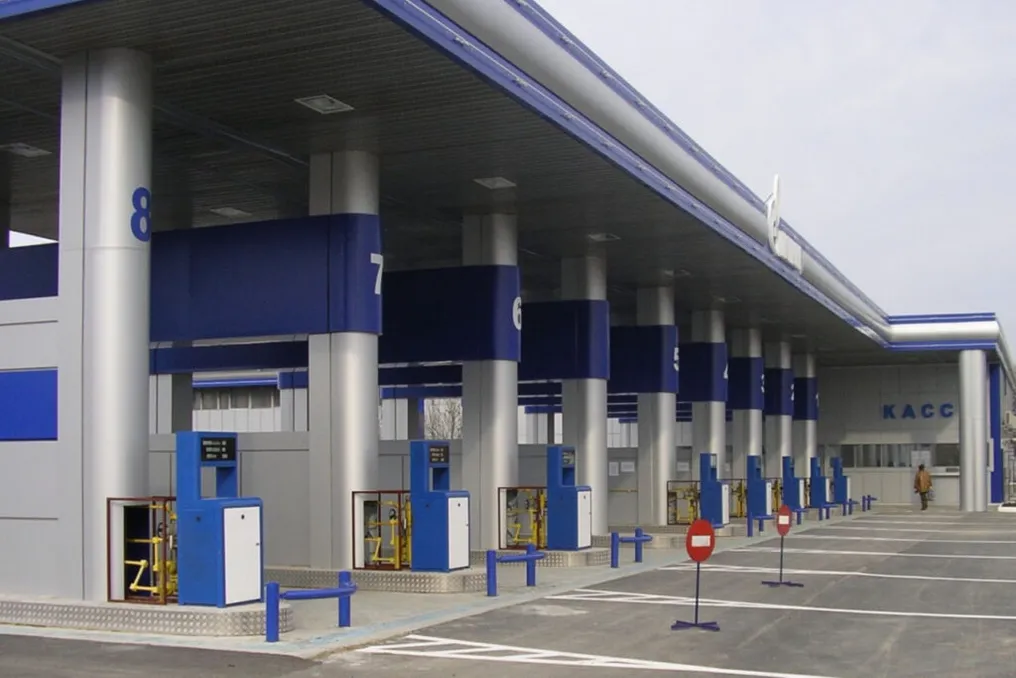
Uzbekneftegaz reported that the reserves of automotive gasoline at its oil depots have increased by 2.5 times compared to last year. Abrorzhon Khudoyberganov, Deputy Chairman of the company for processing, stated at a press conference on October 27 that the company's own gas stations are fully supplied with fuel for the upcoming winter period.
As previously noted, gasoline reserves at oil depots exceed the figures from the same time last year by 2.5 times. In response to questions about preventing queues and disruptions, the deputy head of Uzbekneftegaz emphasized that the company is actively expanding its network of gas stations and increasing the volume of petroleum product sales.
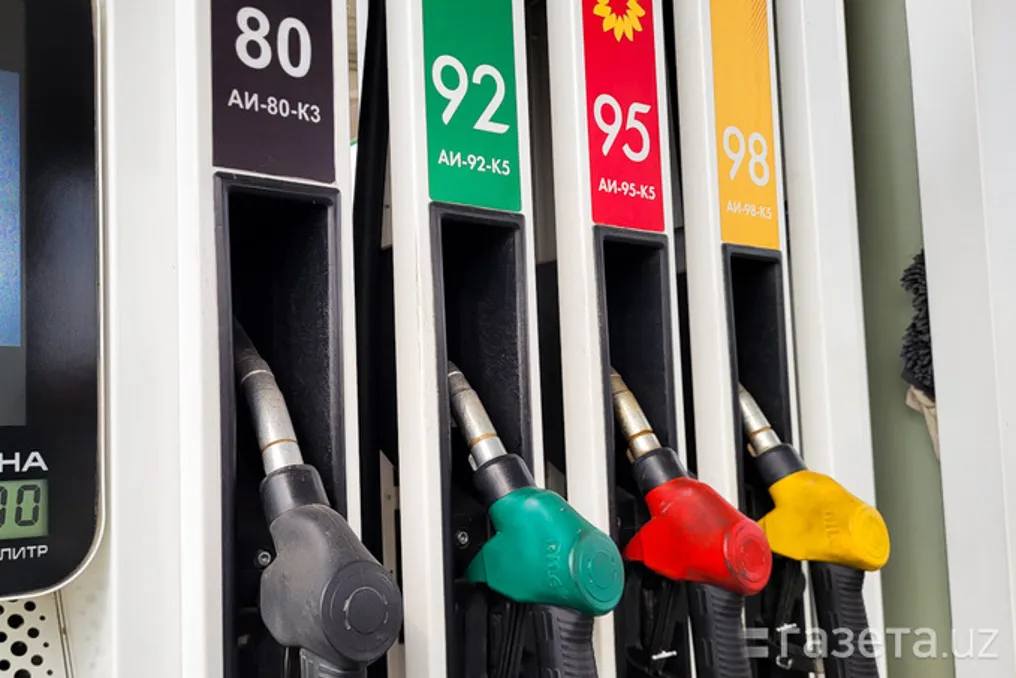
Khudoyberganov informed that while 31 gas stations were operational at the beginning of the year, their total number has now reached 152. Furthermore, product sales volumes have increased five to sixfold during this period. The company's stations offer AI-92 and AI-95 gasoline, as well as various types of diesel fuel, including Euro-4 and Euro-6 standard products.
He assured that all Uzbekneftegaz stations have the necessary reserves of gasoline and diesel fuel, and no disruptions are expected. It was also noted that over the past nine to ten months, the price of gasoline at the company did not exceed 12 thousand soums. However, the company representative clarified that this information applies exclusively to the gas stations within the Uzbekneftegaz system, not to the entire national fuel market, where other major players, including private entrepreneurs, exist.
How the gas station network is expanding
According to the Deputy Chairman of Uzbekneftegaz, the growth in the number of operating gas stations is achieved through the restoration and modernization of existing facilities in various regions. The company is involved in reconstructing stations, replacing outdated fuel dispensers, and installing equipment for more accurate accounting of dispensed fuel.
It was reported that in the initial stages, partial reconstruction and dispenser replacement work was carried out in remote areas to ensure consumers receive quality fuel in the required volume. According to the company itself, about 90 new fuel dispensers have been installed at the gas stations. In Tashkent and the Tashkent region, 10 gas stations underwent modernization, where new measurement and remote control systems were implemented.
Specialists through the Uzbekneftegaz situational center have the ability to monitor fuel stocks, sales volumes, and pricing at the stations. Company employees also conduct checks on the accuracy of fuel dispensing both at oil depots and at gas stations. For the period from January to September 2026, Uzbekneftegaz produced 773.5 thousand tons of automotive gasoline, meeting the production plan at 100.2%.
Sales of Uzbekneftegaz gas stations
Previously, in November 2023, Uzbekneftegaz sold a network of 78 UNG Petro and Chinaz refinery gas stations that belonged to the Petroleum Technology Group, specifically Daniyar Kamilov, son of former Foreign Minister Abdulaziz Kamilov. After this, the network received a new name—Carvon. According to the financial reports of the state corporation, the value of these assets amounted to 453 billion soums. The deal took place without a public tender announcement or results, but the change of ownership was only known in March 2024.
In October 2026, the head of the State Property Management Agency, Sohibjon Murodov, refuted accusations of 'covert privatization'. He explained that the sale was conducted through direct negotiations involving international consultants, and the results of the deal were disclosed. Nevertheless, Murodov admitted that the information about the privatization process lacked sufficient transparency.
In the context of queue problems, restrictions on the operation of automotive gas filling compressor stations (AGNKS), which sell methane, have periodically been introduced in Uzbekistan during cold weather. This occurred due to reduced pressure in gas pipelines and the need to supply natural gas to the population and social institutions. For example, such restrictions were imposed several times during the 2025/2026 heating season.
In December 2025, one of the reasons for the restrictions was the reduction in natural gas imports from Turkmenistan due to a technical failure in the gas transportation system. According to the Ministry of Energy, the daily gas deficit reached 6 million cubic meters during that period. From January 19, 2026, methane stations were closed to private cars for two weeks, and in March, restrictions were reintroduced amid the cooling weather. When methane availability decreases, some drivers are forced to switch to gasoline, which creates additional pressure on the petroleum product market.
In July 2026, plans were presented to President Shavkat Mirziyoyev regarding the preparation of the oil and gas industry for the autumn-winter season of 2026/2027. These plans include forming a reserve of automotive gasoline amounting to 120 thousand tons for December and January, which is significantly higher than the planned reserve of 65 thousand tons the previous year. The authorities also instructed to ensure the stability of energy resource supplies, complete infrastructure repairs, and prepare relevant emergency services.