Dmitry Kiselev announced the opening of the fourth Sputnik center in Africa
Read more
Sputnik Uzbekistan
sputniknews.uz

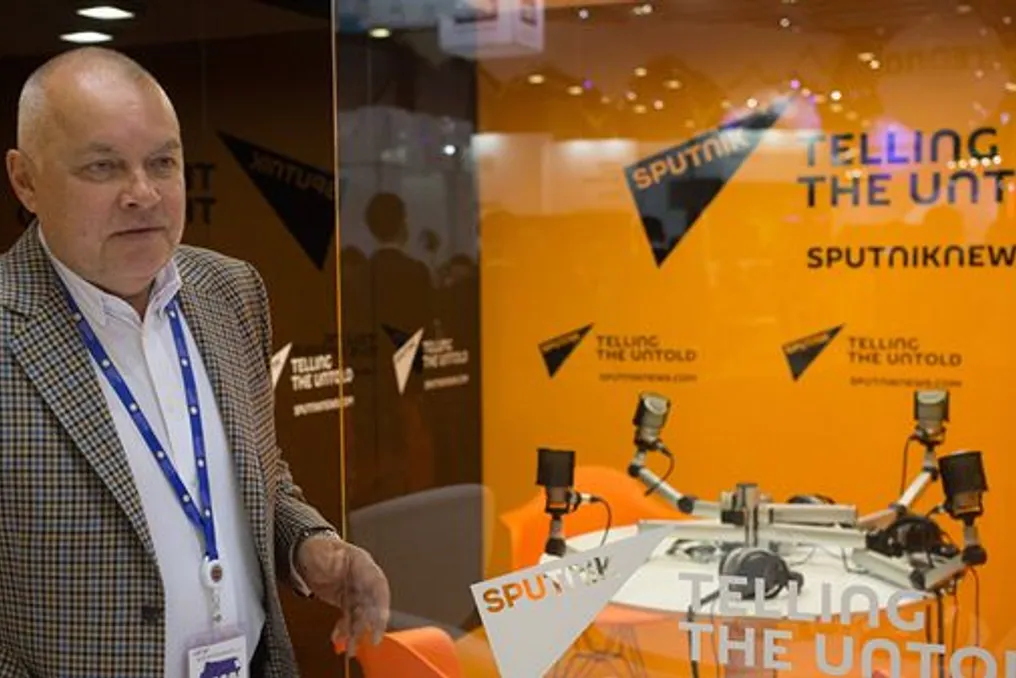
Dmitry Kiselev announced the opening of the fourth Sputnik center in Africa

Dmitry Kiselev, director of the media group 'Russia Today,' announced plans to open a new Sputnik editorial center in Burkina Faso. This center will be the agency's fourth representative office on the African continent.

He shared this information during the Russia-Africa Media Forum, which took place on October 28 in Moscow. The event was organized with the participation of Sputnik and TASS, and the broadcast was carried out by RT.

According to Kiselev, Sputnik currently operates three editorial centers in Africa. They are located in Johannesburg (South Africa), Dar es Salaam (Tanzania), and Addis Ababa (Ethiopia).

Kiselev emphasized that Sputnik operates in six languages in Africa: French, English, Arabic, Swahili, Oromo, and Amharic. The agency achieves 14 million weekly views on African social networks, and the total number of views is expected to reach 554 million by 2026.

It was also noted that 132 local specialists work at Sputnik's editorial offices in Africa. Their deep knowledge of local languages and regional issues plays a key role in creating informational materials.

Furthermore, the agency is developing radio broadcasting in African countries, reaching an audience of nearly 100 million people. Radio programs are distributed in countries such as Guinea, Mali, Nigeria, Burkina Faso, Central African Republic, Ethiopia, Botswana, Congo, Cameroon, and Malawi.

Kiselev specified that the main directions of the agency's editorial policy are conveying information about Russia to the African audience, as well as highlighting the values and interests of the continent's countries.

Additionally, it was stated that Sputnik is an international news agency and radio station belonging to the 'Russia Today' media group. The agency operates in more than 30 languages, and the media group's partner network covers over 500 media outlets in 108 countries.
Similar stories

Sputnik Uzbekistan presented its experience at the media forum in Istanbul
Read more
sputniknews.uz

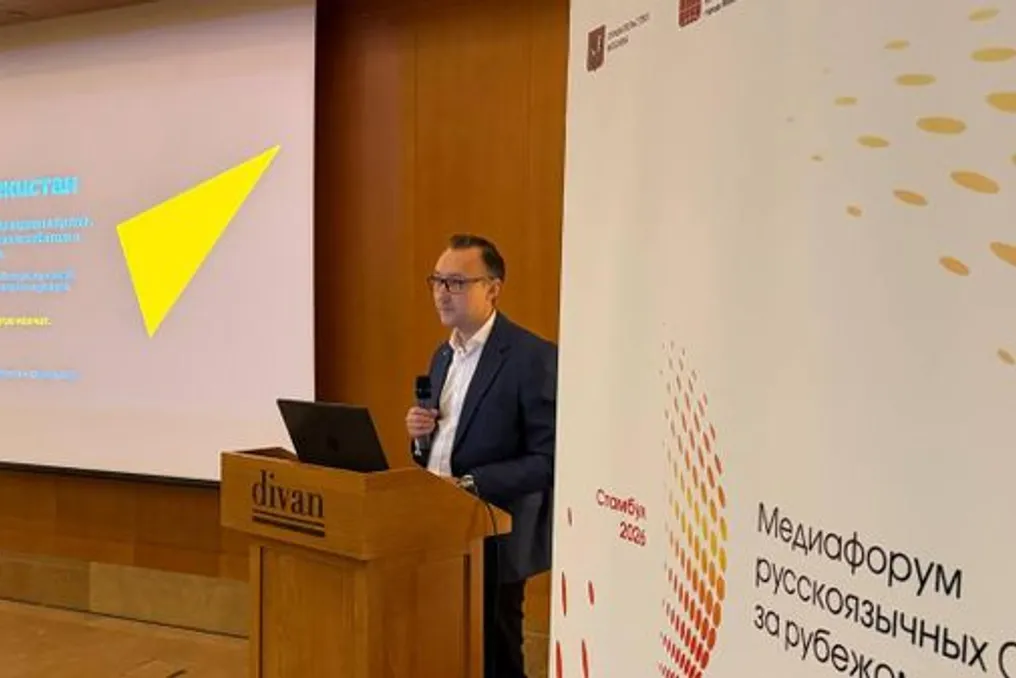
Sputnik Uzbekistan presented its experience at the media forum in Istanbul

Sputnik Uzbekistan presented its own experience and the results of its multimedia press center activities in Tashkent at the international Russian-language media forum held in Istanbul.

This forum, which took place from October 24 to 26, brought together journalists and public figures from 24 countries. The event was organized under the auspices of the Moscow Government, the Department of Foreign Economic and International Relations of the City of Moscow, the Moscow Citizens' House, and the Moscow International Cooperation Center.

During the forum, it was reported that Sputnik Uzbekistan has held over 220 international media events with the participation of more than 350 speakers at its multimedia press center in Tashkent. The total views of materials related to these events exceeded 8 million.

The press center fulfills the task of holding open dialogues among state bodies, the expert community, business, and media representatives, developing international media cooperation, and strengthening professional contacts.

Anna Kolesnikova, Deputy Director of the Moscow Citizens' House, emphasized that Sputnik Uzbekistan highlights projects aimed at supporting Russian citizens by the Moscow government. According to her, this cooperation serves to introduce the Uzbek population to programs for youth, initiatives for preserving historical memory, and projects in the field of the Russian language and culture.

Aleksandr Babaev, a participant from Turkey at the forum, noted that Sputnik Uzbekistan pays special attention to the cultural and humanitarian aspects of its activities. He stressed: 'Many cultural and humanitarian events are held on the press center platform and are supported in terms of information. In particular, I would like to emphasize projects aimed at popularizing and promoting the Russian language in Uzbekistan, as well as preserving it.'

Participant Aleksandr Detlefsen from Germany expressed his goal of improving professional skills and working more effectively with the German audience through participation in the SputnikPro training program.

Kristina Romanenko, a participant who understands the prospects of expanding international cooperation, also shared her thoughts. She said: 'Sputnik has recently opened in Africa as well. So we say hello to you and await you in Tunisia! We wish Sputnik successful development in the African region. We hope that it will be a reliable bridge not only for economic cooperation between African countries and Russia and post-Soviet countries, but also for strengthening relations with civil society.'

The media forum in Istanbul provided an opportunity for journalists from various countries to get acquainted with the work experience of their colleagues, present their work, and discuss ideas that could form the basis for joint projects in the future.

Within the scope of the forum program, master classes on interview skills, creating and promoting content on historical topics, and using artificial intelligence in journalism were held. One of the important parts of the event was a strategic session titled 'Moscow and Citizens: Media Cooperation and Information Opportunities.' In this session, the expansion of international information exchange, the development of professional contacts, and future directions of cooperation were discussed.

Potential creation of joint logistics centers between Uzbekistan and Russia in the Far East
Read more
sputniknews.uz

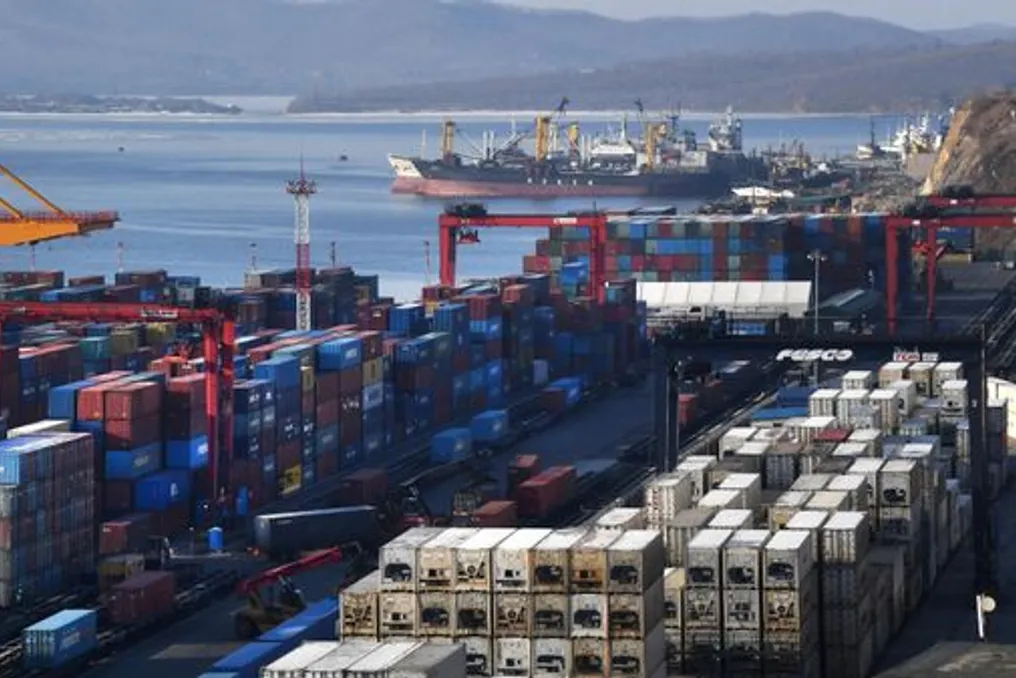
Potential creation of joint logistics centers between Uzbekistan and Russia in the Far East

An initiative has been put forward to create interconnected logistics and production centers in the Tashkent region of Uzbekistan and Primorye of Russia. This proposal was voiced by Akramjon Ne'matov, Deputy First Vice President of the Directorate of the Institute of Strategic and Regional Studies under the President of Uzbekistan, during a round table held in Vladivostok on the topic 'Central Asia – Pacific Ocean: A New Stage of Interconnectivity?'

According to the proposal, Kazakhstan could participate as a transit partner, and the logistics centers themselves could be connected by regular container transport. It is planned to utilize the capabilities of the transport company FESCO, digitize transportation processes, and integrate the E-logistics system of Uzbekistan.

Another area of cooperation is the mutual delivery of agro-industrial products. The possibility of supplying fruits, vegetables, dried fruits, and processed food products from Uzbekistan and other Central Asian countries to the Russian Far East through the Eurasian Agroexpress initiative is being considered. In the reverse direction, it is proposed to transport fish and other seafood.

The organization of such transports requires cold storage facilities, modern logistics infrastructure, and coordinated customs procedures.

According to official data from FESCO, there is currently a service for delivering cargo from Asian countries to Uzbekistan via Vladivostok. Cargo from China, South Korea, Japan, Vietnam, and other countries is delivered by sea to Vladivostok and then by rail to Tashkent.

The new proposals aim to expand the use of these transport opportunities, form stable cargo flows in both directions, and reduce logistics costs.

Akramjon Ne'matov also noted the potential for developing joint projects in industry, energy, science, and education. Promising areas mentioned include deep processing of valuable and rare metals, creation of new materials, and the development of energy- and water-saving technologies.

In this field, partnership between the Far Eastern Federal University and higher education institutions of Central Asia is possible. The basis for implementing these initiatives is the existing cooperation plan between the Russian Far East and Uzbekistan, signed in December 2024 and intended for the period 2025–2030. Currently, it is proposed to form a portfolio of practical pilot projects within this plan.

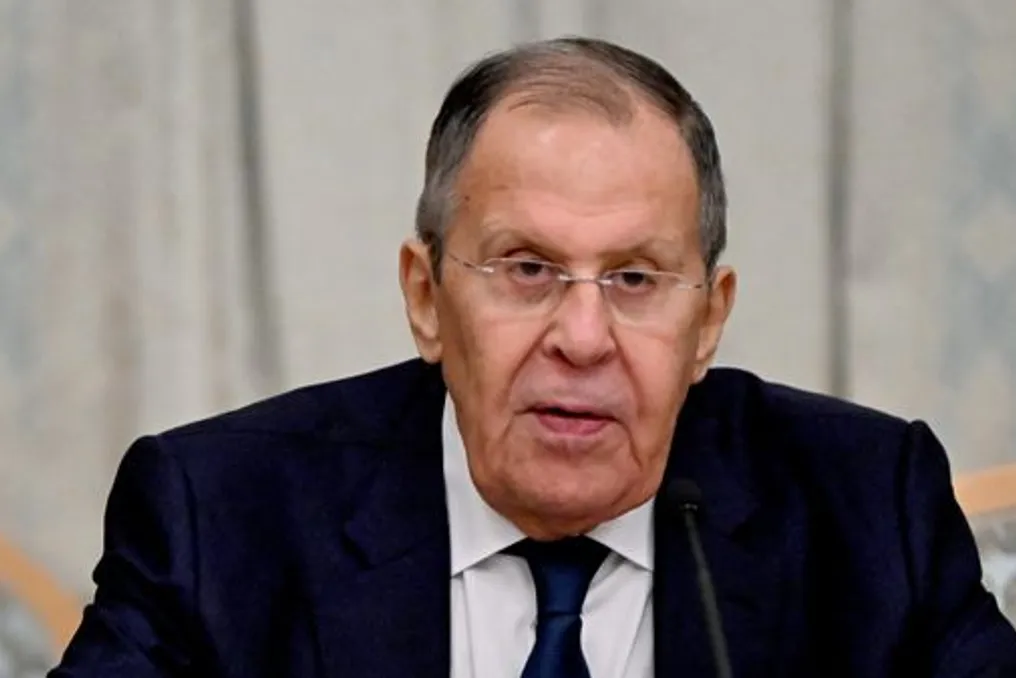
Lavrov states that the opening of Sputnik offices in Tanzania and South Africa will provide access to unbiased information in Africa
Read more
sputniknews.uz

Lavrov states that the opening of Sputnik offices in Tanzania and South Africa will provide access to unbiased information in Africa

Russia emphasized that the opening of new Sputnik centers in Africa will expand opportunities for using clean and verified information in the region. The international news agency and radio station 'Sputnik' has launched two new editorial centers in Johannesburg (South Africa) and Dar es Salaam (Tanzania).

During the opening ceremony on October 20, Russian Foreign Minister Sergey Lavrov addressed the event via video message. He noted that establishing regional offices in Dar es Salaam and Johannesburg will allow the African audience to receive information that is not distorted and is free from ideological filters.

Lavrov expressed gratitude to the governments of Tanzania and South Africa for their support. He also highlighted the symbolic significance of opening these centers ahead of the third 'Russia-Africa' summit, which will take place in Moscow on October 28–29.

South African Vice President Paul Mashatile noted that expanding Sputnik's activities in Africa will contribute to ensuring diversity of opinions in the region and strengthening cooperation between states. Dmitry Kiselev, director of the media group 'Russia Today', called the opportunity to work directly in African countries a sign of mutual trust. According to him, this strengthens the informational sovereignty of both Africa and Russia.

Dozens of local journalists are working at the new centers, preparing news materials, analysis, and podcasts in English and Swahili. The content is distributed through radio stations with a combined audience of over 100 million listeners across Africa. It is worth noting that Sputnik Africa began its operations in 2022 and currently operates in five languages, including Swahili, Amharic, and Oromo. Overall, Sputnik disseminates information in more than 30 languages worldwide and has 26 multifunctional centers.

Popular